
The advent of technology has helped the logistics industry develop products – both hardware and software, which can be incorporated directly into the trucks. This can prove to be of great advantage in the daily tasks of fleets and trucking operations. However, if the industry’s general attitude towards the well-being of our workforce is not well-intended, all else fails.
Industry Overview
The basic appeal is that tech solutions will make the workflow a lot easier for fleet managers. But as we find ourselves on the precipice of new technology that can only help make our fleet more competitive, we miss out on the biggest factor which holds the industry together – fleet drivers.
The lack of proper legislation to protect the interests of the drivers has led to a steady decline in new players entering the field. Drivers in the Indian logistics industry are heavily underpaid and overworked. This is probably part of the reason why truck accidents contributed to 6.3% of road accident fatalities in India. (Ministry of Road, Transport and Highways Annual Report 2024-25.).
According to reports, India has 6 million trucks but only 3.6 million active drivers, a ratio of roughly 10:6, leaving over 2.2 million trucks idle, forcing the remaining drivers to overwork with severe sleep deprivation.
The fact that there is no set legislation by the government or even unions, fleet managers tend to take advantage of this by setting time-centric incentives for drivers, rather than for safe driving and delivery of cargo. Indian truck drivers have been known to work on very little sleep due to the immense industry pressure. Despite already being paid so meagrely, drivers get fined for every hour of delay and get incentives of more money for every hour that they arrive early. This incentive amount can be as little as INR 1000/- for every early delivery. Is that really worth all the risk truck drivers take?
Another big issue would be overloading, where trucks are boarded with more cargo than the vehicle can handle. This can prove to be very dangerous since each vehicle can only support a certain amount of weight. If this weight capacity is exceeded, technical failures such as brake malfunctions can occur. Generally speaking, overloading can result in the early wear and tear of the vehicle. This will be dangerous for the drivers and also an additional expenditure for fleet owners.
It is no wonder that 53% of interviewed drivers reported that they suffer from physiological and psychological issues. It doesn’t take an expert to say that a lot of the truck accidents can be avoided simply by looking out for the well-being of our drivers. The industry itself could do with some formal norms being set. A few such changes would be –
- Setting a minimum wage amount for each delivery made based on distance driven, rather than time.
- Minimum sleeping hours made mandatory.
- Compulsory fitness checks to be made from time to time.
- Eradicating incentive programs which promote unsafe driving
- Strict fines being levied on the overloading of trucks.
The Business Case for Fleet Safety: Why Safety Is More Than Compliance
Many logistics companies view fleet safety primarily as a compliance requirement or an operational obligation. While regulatory compliance is certainly important, modern fleet safety programs deliver benefits that extend far beyond avoiding penalties or meeting legal standards. In reality, fleet safety directly influences profitability, customer satisfaction, asset utilization, and business growth.
Every accident creates a chain reaction of costs. Vehicle repairs, cargo damage, medical expenses, insurance claims, legal disputes, replacement vehicles, delivery delays, and administrative investigations can quickly accumulate into substantial financial losses. Even minor incidents can disrupt operations and affect service levels.
Fleet safety should therefore be viewed as a business performance strategy rather than merely a risk management initiative. Organizations that prioritize safe driving practices often experience improved operational efficiency because vehicles spend more time on the road and less time undergoing repairs. Drivers who operate vehicles responsibly also contribute to lower fuel consumption, reduced tyre wear, and longer asset lifecycles.
From a customer perspective, safety plays an important role in service reliability. Consistent and accident-free deliveries help strengthen customer trust and improve brand reputation. In industries where delivery performance directly impacts business outcomes, a safe fleet often becomes a competitive advantage.
A strong safety program can positively impact several operational metrics:
- Reduced accident-related expenses
- Lower insurance premiums over time
- Improved fuel efficiency
- Increased vehicle lifespan
- Reduced maintenance costs
- Higher driver retention
- Improved customer satisfaction
- Better regulatory compliance
As logistics operations become increasingly data-driven, organizations are beginning to recognize that investments in safety technology often generate returns that exceed their initial implementation costs.
Why You Should Invest In Technology
The logistics industry is super competitive with very thin margins. In the Indian trucking environment, we understand that drivers are the backbone of the fleets. So, in addition to looking at profit margins, we also look at tech add-ons that could help regulate an ethical work environment.
Technology does not come cheaply. And especially when it’s being fitted into multiple vehicles. We are talking about installing and maintenance of a whole fleet. These add-ons are also in need of up-front investment, like any purchase item from the market. So it is only natural that managers and business owners want to see some sort of ROI on these purchases.
Following are a few of the technological advancements in the field of trucking that can be highly beneficial to logistics companies –

Dynamic Routing
With the help of dynamic routing, fleets can find better routes based on GPS mapping. A good dynamic routing tool can help fleets map out routes which are faster or with better roads, depending on the needs of the fleet.
Considering how all this is based on real-time conditions, this add-on can help fleets even avoid paths which have been known to have a lot of collisions, hence reducing risks for the drivers. One can even know which better roads to take.
Or if the fleet wants to customise the route in any way to meet any specific requirements, the dynamic routing software is more than equipped to do that as well. Dynamic routing software is a smart tool which can automatically optimise routes to meet your customization requirements.

Dash Cams
Vehicle video systems or dash cams have come a long way owing to the evolution of digital cameras. Cameras today have vastly improved in terms of image processing, night mode, and high-definition image capture ever since the evolution of storage capacities.
The reason cameras are installed on fleets is primary to capture any mishaps. Often times, in case of collisions the fleet driver needs to be defended as it is usually the fault of the other vehicle. Since fleet vehicles are bigger in size, the damage caused by them is a lot more in comparison to the damage they themselves suffer. This can give a false perception that the truck driver was probably at fault. In such cases, the dash cams prove to be useful in defending the driver.
Such accidents can also be a case of insurance fraud where the perpetrators are usually aware of how trucks can be a good target to entangle in such schemes. Initially, cameras were only installed in front of the vehicle. However, now based on the routes various truckers take, companies have even started investing in side profile or back view cameras for safekeeping.
Collision Mitigation Technology
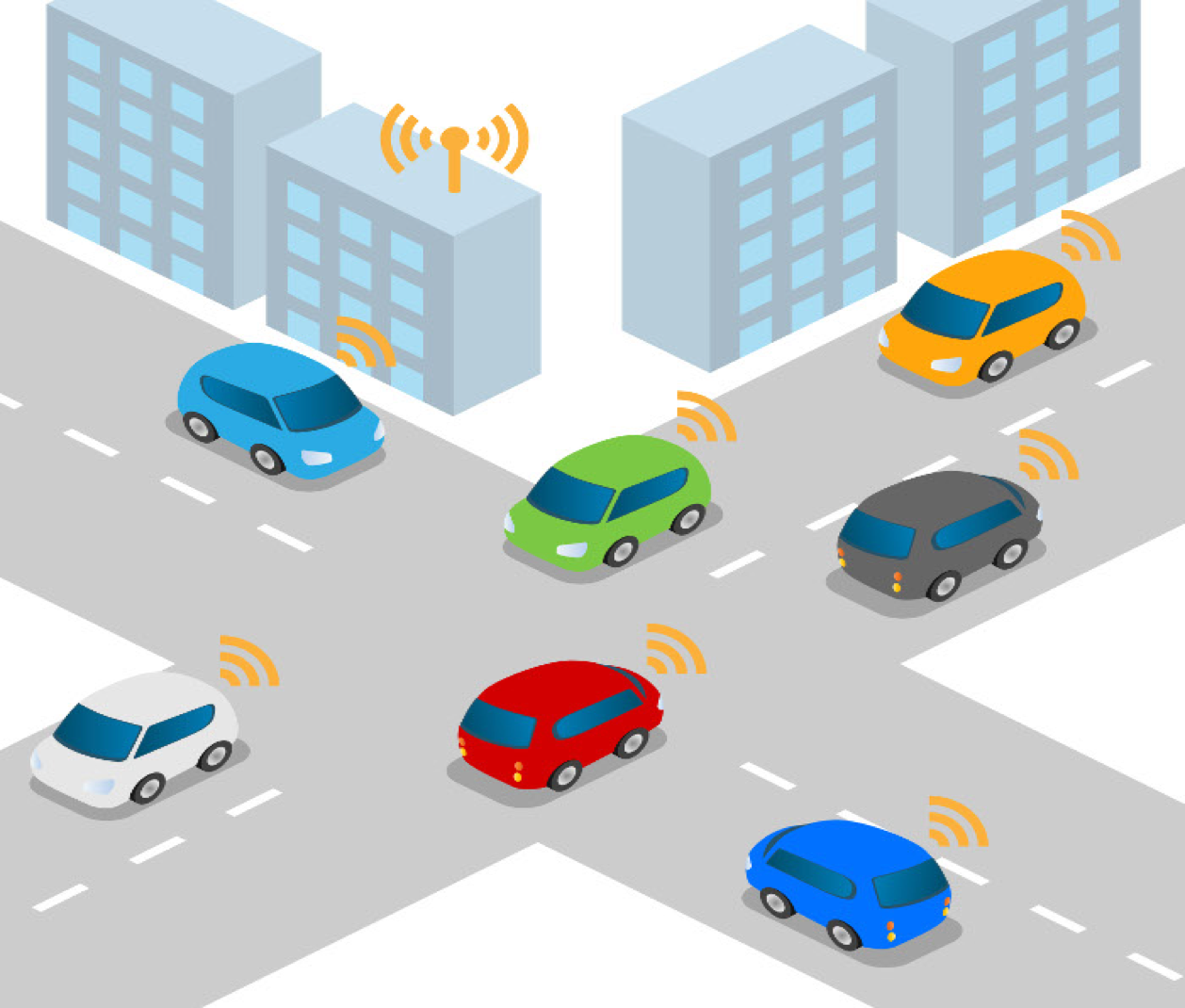
Like previously mentioned, in case of fleet collisions, it is usually the other vehicles which incur more damages due to the differences in size and momentum. Such collisions are best avoided in the interest of both public safety and protecting the integrity of the fleet.
Collision Mitigation Tech has been using sensing technology to monitor crashes and also for emergency protocol. Such collision mitigation systems have now become standard on many of the new trucks.
Collision mitigation technology basically monitors more of what’s going on around the truck, in addition to checking on the truck’s speed and control in different conditions. Such monitoring features lead to the ability to take autonomous emergency action when/if the need arises. It should be noted that all these factors are not taking into consideration the driver’s behavior which it primarily boils down to.

Driver Gamification
Various fleet management software have now started introducing a very sophisticated system of keeping score on drivers. The goal is to quantify some of the driver’s qualities in order to judge them on various verticals, such as basic driving skills, mishap response time, the ability to make quick and best judgements, general discipline and behavior which can affect freight delivery. This can be used to set better incentives for the drivers, to ensure that they are abiding by the safety protocols and not adhering to unsafe driving techniques.
The Indian logistics industry is already seeing a decline in the numbers of new drivers entering the industry. Such effective and holistic solutions can help optimize fleet solutions and it is only sensical that good fleet management systems like Fleetx are now offering this feature.
Electronic Logging Devices
One of the biggest reasons why there is a sudden decrease in new drivers entering the logistics industry is the shrewd nature of the industry. Freight companies often overwork their drivers and compensate them with very little money.
Overworked and unsatisfied employees can result in risk to cargo, be it accidents, collisions, disloyalty among workers, etc. Oftentimes, drivers are expected to drive for long durations, which can result in overturning trucks along the highway. This is bad for the drivers (and their families) as well as cargo companies.
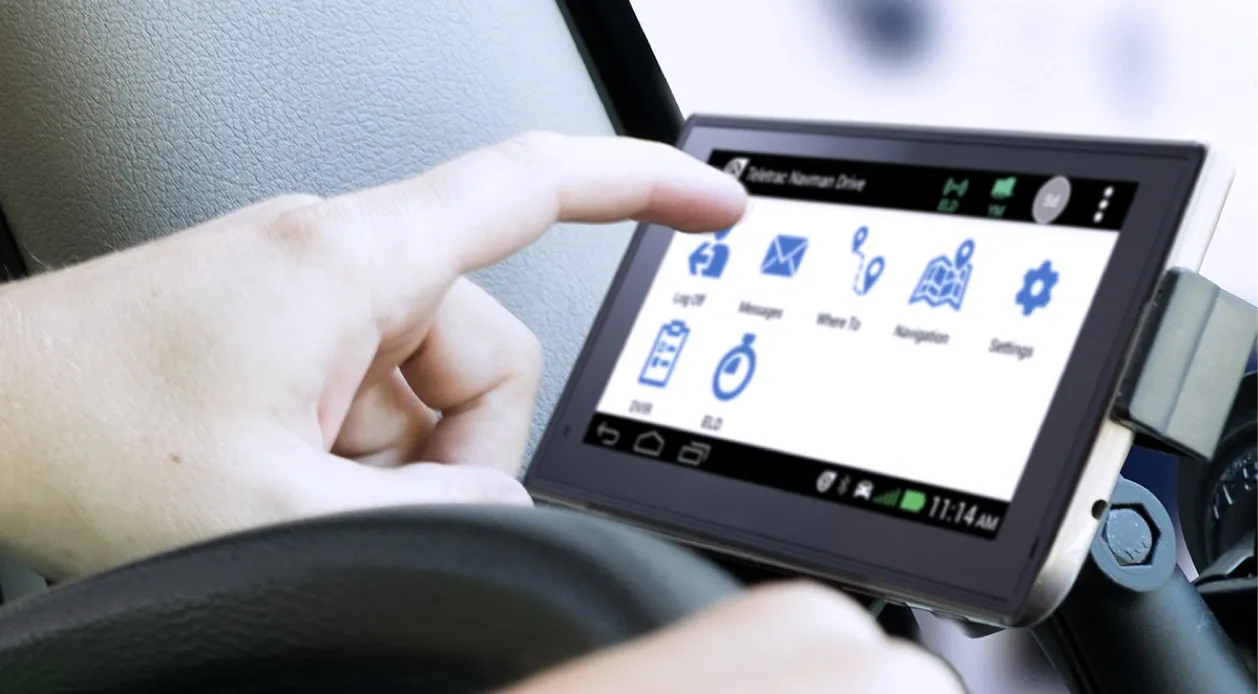
Electronic logging can be a good way to keep track of the drivers and their hours of service. This is a feature which will benefit the company by helping them keep their workforce in check in accordance with the union standards. A sophisticated and formal system of logging will make operations easier while also cutting down any risk of corruption in the company.
Trailer Tracking
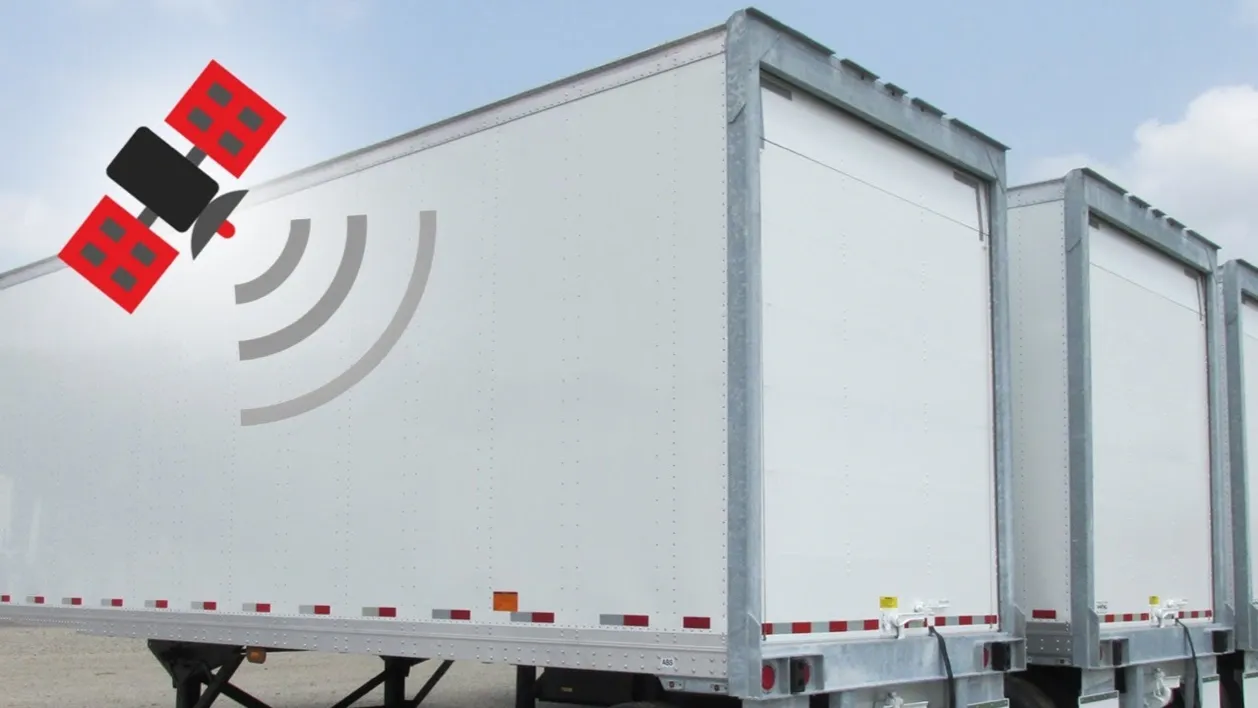
One of the most basic features employed by companies now is geo-location tracking. This has now almost become a standard feature on trucks, new and old. Usually, a geolocation feature is a good tool to collect all sorts of data which can be fed into the fleet management system for analysis.
It can collect data on routes taken, speeding, duration, any suspicious activities, etc. it can also be used to help notify the driver in case of traffic or weather emergencies, or if the truck is travelling via a crime-prone area. This will make the driver’s job a lot easier considering he is being backed by the vehicle tracking system , leaving him to solely focus on driving.
Measuring Fleet Safety: Key Metrics Every Fleet Manager Should Monitor
Improving fleet safety requires more than implementing technology. To create meaningful improvements, organizations must establish measurable safety indicators that can be monitored consistently over time.Fleet safety metrics help managers identify patterns, detect risks, evaluate driver performance, and make informed decisions regarding training and operational improvements.
One of the most important metrics is the Accident Frequency Rate, which measures the number of accidents relative to fleet activity. Tracking this metric allows companies to assess whether safety initiatives are producing measurable results.
Another critical indicator is Harsh Braking Events. Frequent harsh braking can indicate aggressive driving, distracted driving, excessive speeding, or poor route planning. Monitoring these events helps identify drivers who may require additional coaching.
Overspeeding Incidents remain one of the strongest predictors of accident risk. Even slight reductions in average driving speeds can significantly reduce collision severity and improve fuel efficiency.
Fleet managers should also monitor Driver Fatigue Indicators. Long driving hours and insufficient rest continue to be major contributors to commercial vehicle accidents worldwide. Monitoring driving durations and rest periods helps protect both drivers and other road users.
Vehicle Downtime caused by safety incidents provides insight into how accidents affect overall productivity. A reduction in accident-related downtime often translates directly into improved fleet utilization.
Near-Miss Events are equally valuable. While no damage may occur, these incidents frequently reveal underlying safety concerns before they develop into major accidents. Organizations that encourage reporting of near misses often build stronger safety cultures.
The most effective fleet operations combine these individual measurements into comprehensive driver safety scorecards. Such scorecards create accountability, promote safer behavior, and provide objective benchmarks for performance improvement.
Fleet Safety Technologies: Understanding Their Business Impact
As fleet management technology continues to evolve, organizations are often faced with decisions regarding which solutions should be prioritized. While every technology contributes to safer operations, each serves a distinct purpose within the broader safety ecosystem.
| Technology | Primary Purpose | Safety Benefit | Operational Benefit |
|---|---|---|---|
| Dynamic Routing | Route Optimization | Avoids high-risk roads and traffic congestion | Faster deliveries and fuel savings |
| Dash Cams | Event Recording | Provides visual evidence during incidents | Reduces disputes and fraudulent claims |
| Collision Mitigation Systems | Accident Prevention | Detects hazards and initiates corrective actions | Reduces vehicle damage and downtime |
| Driver Gamification | Behavior Improvement | Encourages safer driving habits | Improves driver performance and retention |
| Electronic Logging Devices | Hours-of-Service Monitoring | Reduces fatigue-related incidents | Improves compliance and accountability |
| Trailer Tracking | Asset Visibility | Enhances cargo security and route monitoring | Improves asset utilization and planning |
Rather than viewing these technologies as separate investments, leading logistics organizations increasingly treat them as interconnected components of a unified fleet safety strategy.
For example, dynamic routing helps prevent drivers from entering hazardous areas, while collision mitigation systems assist in avoiding immediate threats. Dash cams provide evidence when incidents occur, and electronic logging devices help ensure that drivers remain well-rested and compliant. Together, these technologies create multiple layers of protection that significantly reduce operational risk.
Companies that adopt an integrated approach often experience measurable improvements across safety, efficiency, compliance, and customer service metrics.
The Future of Fleet Safety in Logistics Operations
Fleet safety is undergoing a significant transformation driven by artificial intelligence, predictive analytics, telematics, and connected vehicle technologies. Traditional safety programs focused largely on responding to incidents after they occurred. Modern safety systems are increasingly designed to predict and prevent risks before accidents happen.
Artificial intelligence can now analyze thousands of driving events and identify behavioral patterns that may indicate elevated risk. Advanced systems can detect signs of distracted driving, fatigue, harsh braking, aggressive acceleration, and unsafe following distances in real time.
Predictive analytics is also changing how fleet managers approach vehicle maintenance. Rather than waiting for mechanical failures to occur, predictive systems can identify early warning signs and recommend interventions before breakdowns happen.
Connected fleet ecosystems combine information from GPS tracking systems, vehicle sensors, telematics devices, maintenance platforms, and transportation management software. This integrated visibility enables organizations to make faster decisions and respond more effectively to operational risks.
Future fleet safety strategies are expected to focus on:
- AI-powered driver coaching
- Predictive risk detection
- Real-time hazard identification
- Driver fatigue monitoring
- Predictive maintenance programs
- Advanced collision avoidance systems
- Integrated telematics platforms
- Data-driven safety management
As logistics networks become larger and more complex, the ability to proactively manage safety will become an increasingly important competitive advantage. Organizations that invest in modern fleet safety technologies today will be better positioned to reduce costs, improve driver wellbeing, strengthen compliance, and deliver more reliable transportation services in the future.
In Conclusion, A good business owner understands the importance of a skillful and satisfied work force. Before we can focus all our efforts into incorporating new technology, the Indian logistics industry needs an over makeover. Sometimes the best investments aren’t always in the products directly, but in helping our workforce do their jobs better. A good fleet management system like Fleetx can help you with optimizing your workforce and thus improving your business metrics.
Fleet Safety FAQs
What is fleet safety and why is it important for logistics companies in India?
Definition: Fleet safety is the combination of driver training, vehicle maintenance, safety technology, monitoring systems, compliance processes, and operational policies designed to reduce accidents, protect drivers, safeguard cargo, and improve transportation efficiency.
Fleet safety has become a major business priority for logistics companies operating across India, particularly in high-volume freight corridors connecting Delhi NCR, Gurgaon, Mumbai, Pune, Bengaluru, Chennai, and Hyderabad. Increasing traffic congestion, long-haul operations, driver shortages, cargo risks, and rising operational costs make safety an essential component of profitable fleet management.
A strong fleet safety program helps organizations reduce accident rates, minimize vehicle downtime, lower insurance costs, prevent cargo damage, and improve customer satisfaction. Companies implementing GPS tracking, AI dashcams, driver behavior monitoring, route optimization, electronic logging systems, and predictive maintenance often experience measurable operational improvements.
Fleet safety also improves driver wellbeing. Monitoring fatigue, enforcing rest periods, and promoting responsible driving practices help reduce stress and burnout among drivers. This contributes to higher retention rates in an industry already facing workforce challenges.
Many companies evaluating the best fleet safety solutions compare implementation costs with expected savings. Depending on fleet size and technology adoption, investments can range from ₹2,000 to ₹25,000+ per vehicle. However, avoiding even a single serious accident can often recover the entire investment.
Modern logistics leaders increasingly view fleet safety not as a compliance requirement but as a strategic business advantage that improves profitability, operational performance, and long-term sustainability.
What are the best fleet safety technologies for logistics companies in India?
Definition: Fleet safety technologies are digital tools, sensors, telematics systems, and software platforms used to monitor vehicles, drivers, routes, and operational risks in real time.
The best fleet safety technologies for Indian logistics operations typically include GPS vehicle tracking, AI dashcams, video telematics, driver behavior monitoring systems, route optimization software, collision warning systems, electronic logging devices, fuel monitoring solutions, and predictive maintenance platforms.
For fleets operating in Delhi NCR and Gurgaon, real-time traffic intelligence and dynamic route optimization can significantly reduce exposure to congested roads and accident-prone areas. In Mumbai, where dense traffic and urban deliveries are common, AI-powered dashcams and event-based video recording provide valuable incident visibility.
Top fleet operators often combine multiple technologies into a single integrated ecosystem. GPS tracking provides location visibility, AI cameras identify unsafe driving behavior, telematics systems monitor vehicle health, and analytics dashboards generate actionable safety insights.
Costs vary based on deployment size and features. Basic GPS tracking solutions may start around ₹300–₹800 per vehicle per month, while advanced AI safety platforms can range from ₹1,000–₹3,500+ per vehicle monthly.
The most successful implementations focus on creating a comprehensive safety framework rather than relying on a single technology. When integrated effectively, these solutions help reduce accidents, improve compliance, increase fuel efficiency, and strengthen overall fleet performance.
How much does fleet safety technology cost in India?
Definition: Fleet safety technology cost refers to the total investment required for hardware, software, installation, connectivity, maintenance, and ongoing support used to improve fleet safety.
Fleet safety costs vary depending on fleet size, operational complexity, and selected technologies. Small fleets may spend only a few thousand rupees per vehicle, while enterprise logistics organizations can invest significantly more for advanced capabilities.
Typical pricing ranges in India include:
• GPS tracking systems: ₹2,000–₹8,000 per vehicle installation
• AI dashcams: ₹8,000–₹25,000+ per vehicle
• Video telematics platforms: ₹500–₹3,000 monthly per vehicle
• Driver monitoring systems: ₹300–₹1,500 monthly per vehicle
• Fleet management software: ₹500–₹5,000 monthly depending on scale
Organizations in Delhi, Gurgaon, Mumbai, Pune, and Bengaluru often prioritize technologies that provide both safety and operational benefits. For example, route optimization can reduce fuel expenses while simultaneously improving safety outcomes.
Many fleet operators focus on return on investment rather than initial expenditure. Reduced accidents, lower insurance premiums, fewer legal claims, decreased downtime, improved fuel efficiency, and longer vehicle lifecycles often generate substantial savings.
As a result, fleet safety technology is increasingly viewed as a cost-reduction strategy rather than simply an operational expense.
Why are AI dashcams becoming essential for fleet safety management?
Definition: AI dashcams are intelligent vehicle cameras that use artificial intelligence to monitor driving behavior, identify risks, record incidents, and provide real-time safety alerts.
Traditional dashcams primarily recorded footage for later review. Modern AI dashcams actively help prevent accidents by detecting distracted driving, mobile phone usage, drowsiness, lane departures, unsafe following distances, harsh braking, and other risky behaviors.
For fleets operating across India's busy highways and urban centers such as Delhi, Gurgaon, Mumbai, and Bengaluru, real-time risk detection can significantly improve driver awareness and reduce accident exposure.
AI dashcams also provide objective video evidence during incidents. This helps fleet operators defend drivers against false claims, reduce insurance disputes, and investigate accidents more effectively.
Many logistics companies report measurable improvements after deployment, including reductions in harsh braking events, speeding violations, distracted driving incidents, and accident frequency.
Typical AI dashcam investments range from ₹8,000–₹25,000 per vehicle, depending on camera specifications, cloud storage, analytics capabilities, and integration requirements.
As artificial intelligence continues to evolve, AI dashcams are expected to become one of the most important components of modern fleet safety programs.
How does GPS tracking improve fleet safety and driver protection?
Definition: GPS fleet tracking is a location-monitoring technology that provides real-time visibility into vehicle movement, route performance, driver activity, and operational status.
GPS tracking improves fleet safety by giving managers immediate access to vehicle locations, route adherence, speed patterns, stop durations, and potential safety risks. This visibility allows companies to proactively intervene before minor issues escalate into major incidents.
For logistics operations spanning Delhi NCR, Mumbai, Pune, Chennai, and other major freight hubs, GPS systems help identify congestion, road closures, weather disruptions, and high-risk routes.
Route optimization capabilities further enhance safety by directing drivers toward safer and more efficient roads. Managers can monitor overspeeding, unauthorized vehicle usage, route deviations, and excessive idle times through centralized dashboards.
GPS tracking also improves emergency response capabilities. In the event of accidents, vehicle breakdowns, or security incidents, organizations can quickly identify locations and coordinate assistance.
Implementation costs generally range between ₹2,000–₹8,000 per vehicle with ongoing subscription charges depending on software functionality.
Because GPS technology supports both safety and operational efficiency, it remains one of the most widely adopted fleet management solutions across India's logistics sector.
What are the biggest fleet safety challenges faced by logistics companies in Delhi, Gurgaon, and Mumbai?
Definition: Fleet safety challenges are operational risks, environmental conditions, human factors, and infrastructure issues that increase the likelihood of accidents or safety incidents.
Logistics companies operating in Delhi, Gurgaon, and Mumbai face unique safety challenges due to heavy traffic density, urban congestion, infrastructure constraints, unpredictable driving behavior, and tight delivery schedules.
Driver fatigue remains one of the most significant concerns. Long-distance transportation often requires extended driving hours, increasing accident risk when rest periods are insufficient.
Traffic congestion creates additional hazards. Frequent stop-and-go driving contributes to driver stress, reduced concentration, and increased collision potential. Weather-related conditions such as fog in North India and monsoon disruptions in Mumbai further complicate operations.
Vehicle maintenance compliance is another common challenge. Organizations managing large fleets must ensure consistent inspections, servicing schedules, tire maintenance, brake performance, and regulatory compliance.
Security risks including cargo theft, route deviations, and unauthorized vehicle usage can also affect safety outcomes.
Leading fleet operators address these challenges through telematics, predictive maintenance, AI safety monitoring, driver coaching programs, route optimization, and performance analytics.
By combining technology with strong safety culture initiatives, logistics companies can significantly reduce operational risks while improving efficiency and profitability.
How can fleet managers reduce accidents and improve driver behavior?
Definition: Driver behavior management refers to the systematic monitoring, evaluation, coaching, and improvement of driving practices to reduce risk and improve safety outcomes.
Improving driver behavior is one of the most effective ways to reduce fleet accidents. Research consistently shows that unsafe driving behaviors contribute significantly to transportation incidents worldwide.
Fleet managers can improve performance by monitoring key safety indicators including speeding, harsh braking, rapid acceleration, excessive idling, distracted driving, and route compliance.
AI-powered telematics platforms provide detailed driver scorecards that identify coaching opportunities. Regular training sessions, recognition programs, and positive reinforcement can encourage safer driving habits.
Driver gamification has become increasingly popular among logistics organizations. By rewarding safe driving behavior rather than only delivery speed, companies can align incentives with safety objectives.
Organizations operating across Delhi NCR, Gurgaon, Mumbai, and Bengaluru often combine driver monitoring systems with AI dashcams to create a more comprehensive safety framework.
The best results typically occur when technology is supported by management commitment, clear policies, transparent communication, and ongoing driver engagement initiatives.
Over time, these programs help create a stronger safety culture that benefits drivers, customers, and businesses alike.
What is the ROI of investing in fleet safety solutions?
Definition: Fleet safety ROI refers to the financial return generated from investments in safety technologies, training programs, compliance systems, and operational improvements.
Many organizations initially view fleet safety as a cost center. However, companies that calculate total accident-related expenses often discover that safety investments generate substantial financial returns.
Accidents can create direct costs such as repairs, medical expenses, legal claims, insurance deductibles, and cargo damage. Indirect costs may include downtime, lost productivity, missed deliveries, customer dissatisfaction, and reputational damage.
Safety technologies help reduce these risks while also improving operational performance. Route optimization lowers fuel costs. Predictive maintenance reduces breakdowns. Driver monitoring improves efficiency. Dashcams decrease claim disputes.
For medium and large logistics operations, even a modest reduction in accident frequency can generate savings that exceed technology costs within a relatively short timeframe.
Organizations implementing comprehensive safety programs frequently report improvements in fuel efficiency, vehicle utilization, maintenance costs, driver retention, and customer satisfaction.
While ROI varies across industries and fleet sizes, fleet safety investments are increasingly viewed as revenue-protection and profit-enhancement strategies rather than purely compliance initiatives.
What are the top fleet safety best practices for transport companies?
Definition: Fleet safety best practices are proven operational methods used to reduce risk, improve compliance, protect drivers, and strengthen transportation performance.
Top fleet safety programs combine people, processes, and technology to create a sustainable safety culture.
Key best practices include conducting regular driver training, implementing vehicle inspection programs, monitoring driver behavior, using AI dashcams, maintaining GPS visibility, enforcing rest schedules, and establishing clear safety policies.
Organizations should regularly review accident reports, near-miss incidents, and safety performance metrics. These insights help identify recurring risks and improvement opportunities.
Driver wellness also plays an important role. Fatigue management, health screenings, and work-life balance initiatives contribute to safer operations.
Fleet operators in Delhi, Gurgaon, Mumbai, and other major logistics hubs increasingly use predictive analytics to proactively identify emerging risks before accidents occur.
Another critical practice involves aligning incentive structures with safety objectives. Rewarding safe driving behavior rather than only delivery speed encourages long-term improvements.
The most successful companies treat safety as a core business value that influences every operational decision rather than a standalone compliance requirement.
How does predictive maintenance contribute to fleet safety?
Definition: Predictive maintenance is a data-driven approach that uses vehicle diagnostics, sensors, telematics, and analytics to identify maintenance needs before failures occur.
Vehicle breakdowns and mechanical failures can create significant safety risks for drivers, cargo, and other road users. Predictive maintenance helps reduce these risks by identifying potential issues early.
Modern fleet systems continuously monitor engine health, tire conditions, brake performance, battery status, fluid levels, and other critical vehicle components. Advanced algorithms analyze this information to predict future failures.
Instead of waiting for breakdowns, fleet managers can schedule repairs proactively. This reduces emergency maintenance events, roadside failures, and unexpected downtime.
Predictive maintenance is particularly valuable for long-haul operations connecting Delhi, Mumbai, Bengaluru, Chennai, and other major freight corridors where vehicle reliability directly impacts safety and service quality.
Organizations adopting predictive maintenance often report reductions in repair costs, improved vehicle availability, longer asset lifecycles, and stronger regulatory compliance.
Although implementation costs vary based on technology sophistication, predictive maintenance typically delivers measurable operational and safety benefits that justify the investment.
What is the future of fleet safety technology in India?
Definition: The future of fleet safety technology refers to emerging innovations that improve risk prediction, accident prevention, driver support, and operational visibility.
Fleet safety in India is rapidly evolving through artificial intelligence, predictive analytics, connected vehicles, advanced telematics, computer vision, and real-time risk detection technologies.
Future systems will increasingly focus on prevention rather than reaction. AI engines will identify high-risk driving behavior before accidents occur. Predictive analytics will forecast maintenance needs, route hazards, and operational disruptions.
Driver monitoring technologies will become more sophisticated, enabling real-time detection of fatigue, distraction, stress, and unsafe driving patterns. Connected ecosystems will integrate vehicle data, GPS tracking, weather information, compliance systems, and transportation management platforms into unified dashboards.
Major logistics hubs such as Delhi NCR, Gurgaon, Mumbai, Pune, and Bengaluru are expected to lead adoption of these innovations due to increasing freight volumes and competitive pressures.
Organizations investing in advanced fleet safety technologies today will be better positioned to reduce costs, improve compliance, enhance driver wellbeing, and deliver superior customer experiences in the future.
As logistics networks continue to expand, data-driven safety management will become a key competitive differentiator across India's transportation industry.
Which is the best fleet safety software for logistics companies and transporters?
Definition: Fleet safety software is a centralized platform that helps logistics companies monitor vehicles, drivers, compliance, incidents, maintenance activities, and operational risks through a single dashboard.
When businesses search for the best fleet safety software in India, they are usually looking for a solution that combines GPS tracking, AI dashcams, driver behavior monitoring, route optimization, maintenance management, analytics, and real-time alerts. The ideal solution depends on fleet size, operational complexity, and business goals.
For companies operating across Delhi NCR, Gurgaon, Mumbai, Bengaluru, Pune, Chennai, and Hyderabad, the best platforms provide end-to-end visibility across the entire transportation network. Features such as live vehicle tracking, overspeed alerts, fatigue monitoring, harsh braking detection, and predictive maintenance help organizations proactively manage risk.
Many logistics enterprises also prioritize integrations with transportation management systems, ERP platforms, fuel monitoring tools, and warehouse management software. These integrations create a unified operational ecosystem that improves both safety and efficiency.
Pricing can vary significantly. Small fleets may spend a few hundred rupees per vehicle monthly, while enterprise deployments involving AI cameras, video telematics, and advanced analytics can range from ₹1,000 to ₹5,000+ per vehicle each month.
The top fleet safety platforms are those that deliver measurable business outcomes such as reduced accidents, lower fuel consumption, improved compliance, stronger driver retention, and higher customer satisfaction rather than simply offering tracking functionality.