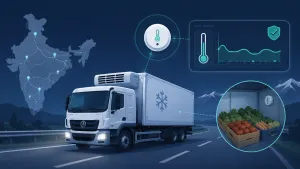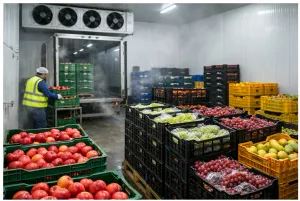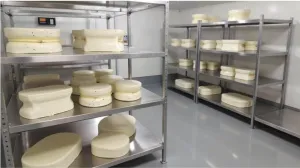


Reefer vehicles are essential for the transportation of perishable goods, such as food and pharmaceuticals. These vehicles use air conditioning to maintain a constant temperature inside the cargo space, which is critical to prevent spoilage/damage and the resulting loss in revenue for the business.
Therefore, the AC reading in reefer vehicles is a key metric for fleet managers to monitor. This reading indicates the current temperature inside the cargo space, and it can be used to identify potential problems with the AC unit. If the AC reading is too high or too low, it could indicate that the unit is not working properly. A study by the Indian Institute of Technology, Bombay found that the average cost of spoilage in the country’s cold chain industry is $200 million per year. This cost is largely due to inaccurate AC readings in reefer trucks.
There are a number of factors that can affect the AC reading in reefer vehicles. These factors include the ambient temperature, the type of goods being transported, and the length of the journey. In this article, we will explore how AC readings promote revenue optimization in the cold chain fleet industry.
AC readings in reefer vehicles refer to temperature data collected from refrigeration units used to transport temperature-sensitive goods. Monitoring AC readings helps fleet operators maintain temperature compliance, reduce spoilage, optimize fuel consumption, improve cold chain visibility, and protect revenue by ensuring product quality throughout transportation.
Manual Temperature Monitoring vs Real-Time AC Monitoring
| Manual Monitoring | Real-Time AC Monitoring |
|---|---|
| Periodic checks | Continuous monitoring |
| Higher risk of unnoticed deviations | Instant alerts |
| Limited visibility | Complete temperature visibility |
| Reactive management | Proactive intervention |
Why AC Readings Matter
Identify and Optimise Fuel Consumption: It is important to distinguish between fuel consumed by the vehicle's travel and the fuel utilized by the cold storage system. By monitoring AC readings, fleet operators can analyze the power consumption patterns of the refrigeration unit separately from the overall fuel consumption of the truck's engine. This differentiation allows for a more accurate assessment of the fuel consumption associated with maintaining the required temperature in the cold storage compartment. With this insight, fleet managers can identify potential inefficiencies, optimize temperature control settings, and implement energy-saving measures without compromising product integrity.
Ensure Temperature Compliance: Temperature control is paramount for preserving the quality and safety of perishable goods. AC readings in reefer vehicles provide real-time insights into the temperature conditions within the cargo area. By closely monitoring and maintaining optimal temperature ranges, fleet managers can ensure that the goods are transported in compliance with the specific temperature requirements. This prevents spoilage, minimizes product loss, and enhances customer satisfaction, ultimately contributing to revenue optimization.
Reduce Risk of Product Loss: A slight deviation from the desired temperature range during transportation can have bad effects on perishable goods, even during a short span of time. High temperatures can accelerate spoilage, while low temperatures can cause freezing and damage the quality of sensitive products. AC readings act as a proactive measure to identify any temperature fluctuations or abnormalities in real-time.
With such insights, fleet managers can promptly address any issues, rectify temperature deviations, prevent potential product loss and ensure accountability. By reducing the risk of repeated spoilage, rejections, and customer complaints, fleet operators can maximize profits.
Performance Monitoring and Alert Systems: By collecting and analyzing AC reading data from reefer vehicles, fleet operators can establish performance benchmarks and set alert thresholds for temperature variations. Data analytics can help identify patterns and deviations from optimal temperature ranges, triggering alerts and notifications when readings go beyond acceptable limits. This proactive approach allows fleet managers to take immediate action, rectify temperature issues, and prevent potential product loss.
Furthermore, by incorporating predictive maintenance algorithms, fleet operators can schedule maintenance and repairs based on data-driven insights. This reduces the risk of unexpected breakdowns during transportation, which can result in delays, compromised temperature control, and revenue loss. By ensuring consistent temperature control, revenue loss due to spoilage and rejected deliveries can be minimized.
Maintain Regulatory Compliance: The cold chain industry is subject to strict regulations and guidelines to ensure the safety and quality of transported goods, as they can have adverse health effects. AC readings in reefer vehicles serve as critical data points to demonstrate compliance with these regulations. By consistently maintaining and recording the appropriate temperature levels throughout the transportation process, fleet managers can demonstrate due diligence and adherence to industry standards. This not only helps avoid penalties and legal complications but also enhances the reputation of the fleet, attracting more customers and driving revenue growth.
Data-Driven Decision Making: By analyzing AC reading data, fleet operators can gain valuable insights into the performance and efficiency of reefer units. This information can inform decision-making processes related to fleet optimization, including equipment upgrades, replacement strategies, or adjustments to temperature control protocols. Data-driven decision making ensures that resources are allocated efficiently, reducing operational costs, minimizing revenue loss due to spoilage, and maximizing overall revenue.
Build Customer Trust and Loyalty: In the cold chain industry, trust and reliability are paramount. AC readings offer concrete data to demonstrate the commitment of the fleet business towards maintaining the quality of transported goods. By consistently delivering products within the desired temperature ranges and providing accurate records of AC readings, fleet operators can build trust with their customers. Satisfied customers are more likely to remain loyal, provide repeat business, and even recommend the service to others. Ultimately, this customer loyalty translates into increased revenue and business growth.
Benefits of Monitoring AC Readings in Reefer Vehicles
Monitoring AC readings in reefer vehicles is essential for maintaining the integrity of temperature-sensitive cargo throughout transportation. Industries such as pharmaceuticals, food and beverage, dairy, seafood, and agriculture rely heavily on consistent temperature control to ensure product quality and regulatory compliance. Real-time visibility into refrigeration performance enables fleet operators to identify temperature deviations immediately and take corrective action before products are damaged.
Reduced Product Spoilage and Cargo Loss
One of the most significant benefits of monitoring AC readings is the reduction of product spoilage. Temperature fluctuations can compromise the quality of perishable goods, resulting in rejected shipments, customer complaints, and financial losses. Continuous monitoring helps fleet operators detect abnormalities early and maintain optimal storage conditions throughout transit.
Improved Regulatory Compliance
Many industries must comply with strict temperature-control regulations to ensure product safety and quality. Real-time temperature monitoring provides detailed records of refrigeration performance, making it easier to demonstrate compliance during audits and inspections. Automated reports also reduce administrative effort while improving transparency.
Enhanced Cold Chain Visibility
Modern reefer monitoring systems provide end-to-end visibility across the cold chain. Fleet managers can track temperature conditions, refrigeration performance, vehicle location, and delivery progress from a centralized platform. This visibility helps organizations make informed decisions and respond quickly to unexpected disruptions.
Optimized Fuel Consumption
Refrigeration units consume a significant amount of fuel during transportation. Monitoring AC readings helps identify inefficient cooling patterns, unnecessary refrigeration cycles, and equipment issues that may increase fuel usage. By optimizing refrigeration performance, businesses can reduce operating costs while maintaining temperature compliance.
Predictive Maintenance and Reduced Downtime
Continuous monitoring of reefer unit performance can help identify potential equipment failures before they lead to breakdowns. Unusual temperature patterns often indicate developing mechanical issues that require attention. Predictive maintenance minimizes unexpected downtime, extends equipment lifespan, and reduces repair costs.
Improved Customer Satisfaction
Customers expect temperature-sensitive products to arrive in perfect condition. Real-time monitoring ensures that products remain within specified temperature ranges throughout transportation, reducing the likelihood of damaged shipments. Consistent delivery quality helps businesses strengthen customer relationships and improve brand reputation.
Better Decision-Making Through Data Analytics
Temperature monitoring solutions generate valuable operational data that can be used to identify trends, optimize routes, improve refrigeration performance, and enhance fleet efficiency. Historical temperature records help businesses evaluate performance and implement continuous improvements across their cold chain operations.
Higher Revenue and Profitability
By reducing spoilage, preventing rejected deliveries, improving compliance, optimizing fuel consumption, and minimizing downtime, reefer temperature monitoring contributes directly to revenue optimization. Organizations can protect high-value cargo, reduce operational costs, and improve overall profitability while maintaining superior service levels.
As cold chain logistics continues to evolve, businesses that invest in advanced reefer monitoring solutions gain a competitive advantage through improved visibility, stronger compliance, better operational control, and enhanced customer trust. Monitoring AC readings is no longer just a technical requirement—it is a strategic tool for protecting revenue and ensuring long-term business success.
Conclusion
AC readings play a vital role in maintaining temperature integrity across cold chain operations. By continuously monitoring refrigeration performance, fleet operators can reduce spoilage, improve compliance, optimize fuel consumption, and protect valuable cargo throughout transportation.
Modern temperature monitoring solutions powered by IoT, telematics, and real-time alerts provide businesses with greater visibility and control over reefer fleet operations. Investing in reefer temperature monitoring technology not only safeguards product quality but also improves profitability, customer satisfaction, and long-term operational efficiency.
Key Takeaways
- AC readings help monitor temperature conditions inside reefer vehicles.
- Real-time temperature visibility reduces spoilage risks.
- Temperature compliance is critical for food, pharmaceutical, and cold chain logistics.
- AC monitoring improves fuel efficiency and refrigeration performance.
- Predictive alerts help prevent cargo losses and delivery rejections.
- Temperature monitoring strengthens customer trust and regulatory compliance.