A Bump In The Road
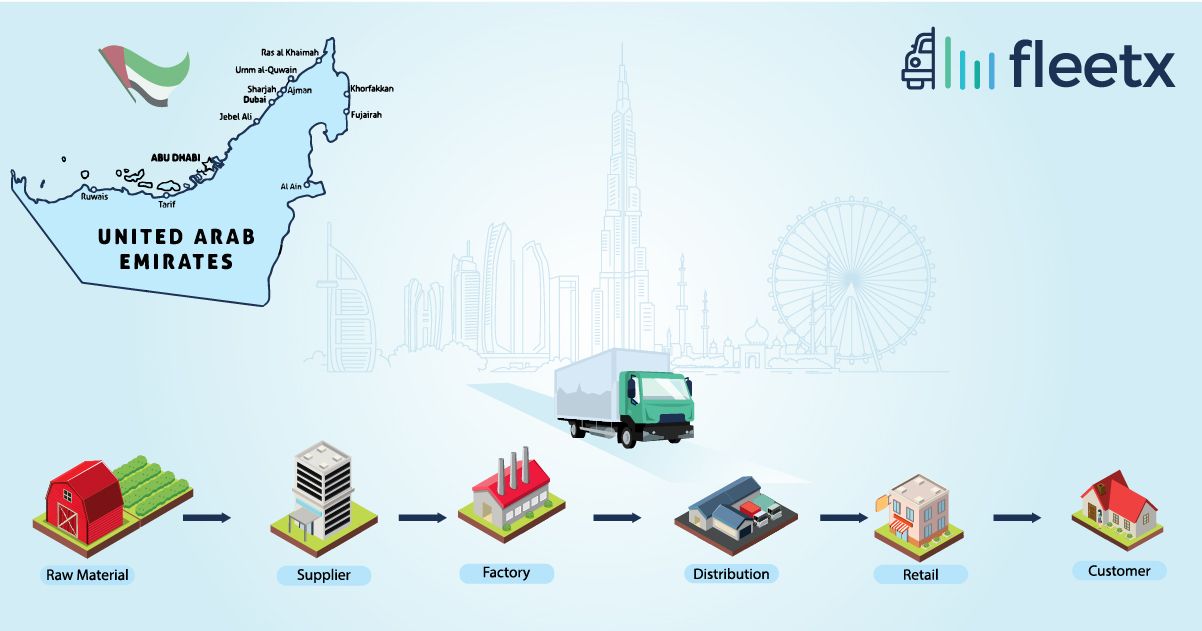
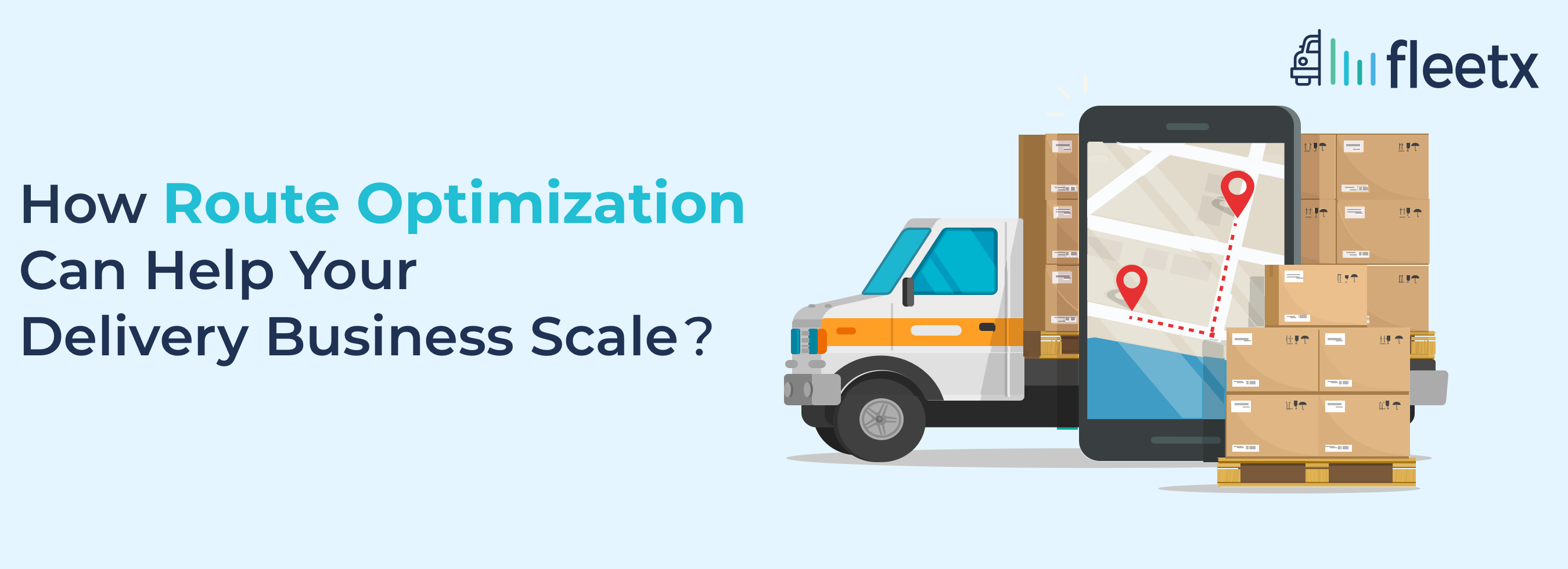
Whether you are a small cargo business or a large fleet management company, optimizing ‘last-mile delivery’ operations is critical to ensuring profitability in the long run. Last-mile refers to the transport of an item from the local distribution center to the final point of delivery. Even though this part has the shortest routes of any part of the supply chain, without the right tools (hint: like our route optimization software!), these deliveries can be anything but quick and easy.
Furthermore, studies conducted on the freight industry show that last-mile delivery operations account for almost 53% of the total transportation costs! This is a challenge for small businesses with mostly local customers, because their operations become expensive.
Key Takeaways
- Route optimization software helps businesses reduce delivery costs by minimizing unnecessary travel distance, fuel consumption, and idle time.
- AI-powered route optimization considers traffic, vehicle capacity, customer delivery windows, driver availability, and road restrictions to create the most efficient delivery schedules.
- Businesses can complete more deliveries with the same fleet, improving vehicle utilization and reducing operational costs.
- Dynamic route optimization automatically adjusts delivery plans when unexpected events such as traffic congestion, cancellations, urgent orders, or vehicle breakdowns occur.
- Route optimization improves customer satisfaction through accurate ETAs, live tracking, and on-time deliveries.
- Delivery businesses in India, including Delhi NCR, Gurgaon, Mumbai, Bengaluru, and Pune, can benefit significantly due to heavy traffic congestion and complex last-mile delivery challenges.
- Modern route optimization platforms integrate with Transportation Management Systems (TMS), GPS tracking, fleet management software, and order management systems for end-to-end logistics visibility.
- Businesses should evaluate route optimization software based on ROI, scalability, analytics, integrations, and real-time route planning capabilities rather than price alone.
The Need Of The Hour?
If this isn’t bad enough, unpredictable situations like traffic and last-minute changes can disrupt your route planning efforts. A lot of small businesses spend hours mapping their delivery routes by hand or otherwise using google maps, but are forced to keep changing the entire plan through the day. Since last-mile delivery can be inefficient, costly, and time-consuming, improving operational efficiency and lowering costs should be a top priority for any company that makes local deliveries.
Lowering the expenses associated with last-mile delivery, such as fuel and time spent in planning and managing delivery routes, is crucial in order to make your business more profitable. It will keep your customers happy, and stay ahead of your competitors. Technology like route optimization software attempts to solve the problem of last-mile delivery by getting drivers to the right places more quickly and efficiently. Route optimization algorithms can handle changes in route and bumps in the road much better than a human operator. Here are a few ways route optimization software can help your business:
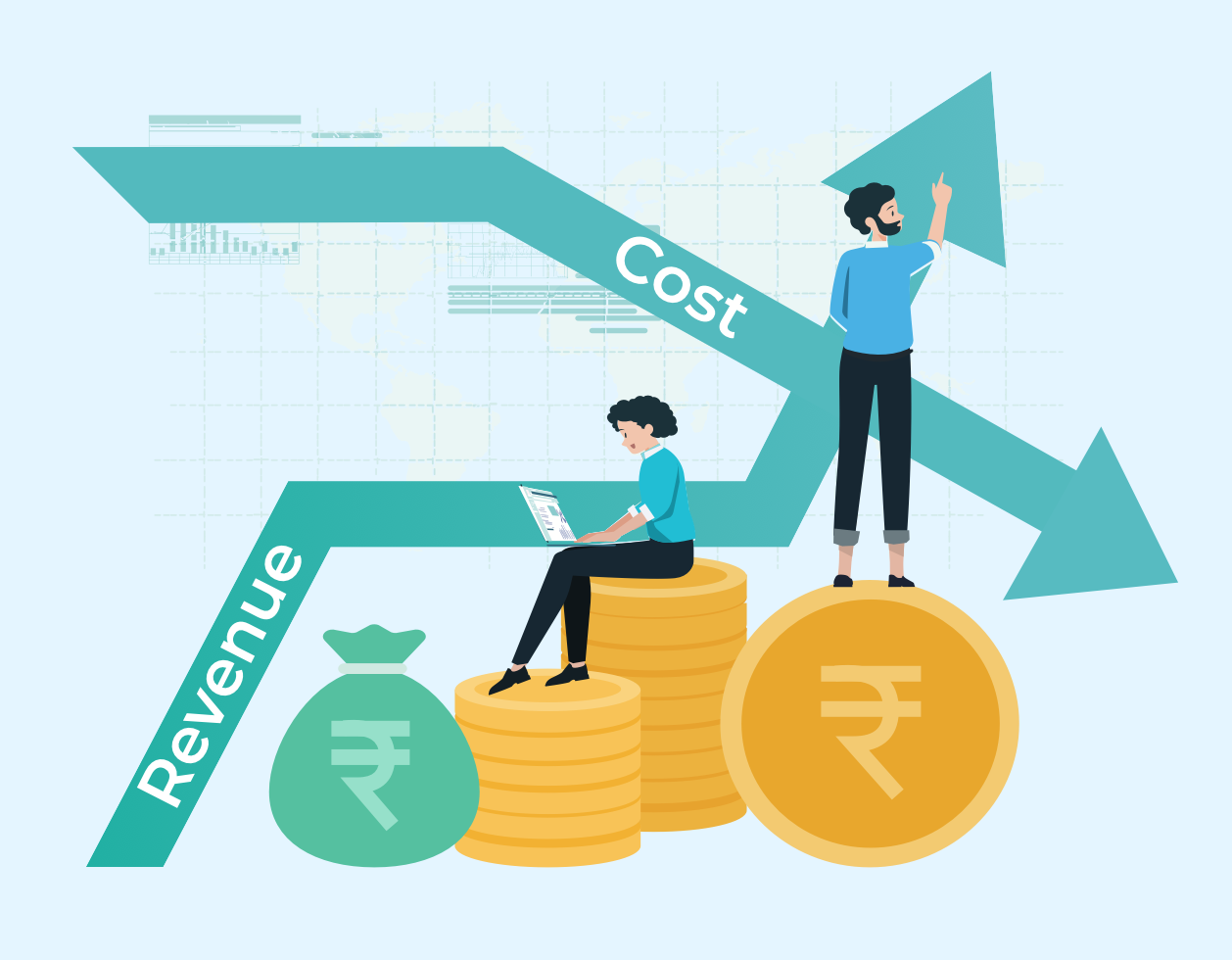
1. Increase revenue per driver and reduce input costs
Are you interested in reducing operating costs and increasing your revenue per driver? Then you’re looking in the right direction. Route optimization software will help you make optimal use of your drivers and reduce overheads. It can help you save without compromising on the quality of your service, or breaking regulations. It will also help you maximize the use of your fleet, allowing each of your drivers to complete more trips and increase revenue.
2. Expand your delivery radius without adding new people or planning resources
If you haven’t used route optimization software before, your team likely spends a lot of time organizing- and then reorganizing- people and deliveries on a daily basis. With our proprietary software, Fleetx will help you reduce that time from hours to minutes. It will also help you by keeping in mind several other factors like driver availability, customer availability, deadlines, holidays and more.
(Can you plan in advance? Then will include a part about long term planning). Solutions like ours can help you react to unexpected events and re-plan the whole schedule without too much effort. With all that extra time and resources on hand, why not expand your delivery radius and scale up your business ?

3. Improve customer satisfaction
In the age of the internet, customer reviews can quickly determine how successful a company ends up being. 90% of consumers used the internet to find local businesses in 2019, and 82% of those read customer reviews before making a decision. It helps to have a good reputation, because as they say: it precedes you.
If you want your customers to trust you with their money, you have to show them that you are worth it. With route optimization software, you can share real-time ETA, tracking and SMS/e-mails to convey delivery information. When your customers are happy, you know you’re doing a good job of running your business.

4. Distribute workload effectively and increase employee retention
How are you currently distributing deliveries among your drivers? Chances are that you are doing it geographically, where each driver has their own service territory. But, can you do better? Because some of your drivers might be dealing with a greater volume of deliveries than others, and will have to work regularly overtime.
Why not let the route optimisation software split the duties for you? This way you can split it evenly across the fleet and ensure that your drivers are not overworked. The happier your drivers are, the longer that they are likely to stay with you. This will save you considerable resources in training new staff and build a close-knit team.
5. Helps you adapt your delivery plans quickly
Last-minute changes to routes are inevitable, and it is a difficult task to try to make changes across multiple driver schedules manually. That is why dynamic planning — instant and automatic recalculation of routes to reflect real-world changes — is a necessity in 2021. Late orders, cancellations, drivers calling in sick, or customers requesting alternative delivery addresses are just a few factors that can ruin a well-planned schedule in a second.
When you are routing ahead of time, you must have the ability to re-plan and manage your fleet of drivers remotely. When a driver calls in sick, or last-minute orders come in, Fleetx’s route optimization software will calculate availability and assign the new jobs across your fleet depending on their current location, capacity, and route, instead of overloading a few drivers.
These are just a few of the ways that a good route optimization software can benefit your business. For businesses operating in some industries like food, medicine and other perishables, software like this will help you retain your existing customers, gain new ones and expand your business beyond your current boundaries. But don’t just take our word for it, we are trusted by over 2000+ brands and you can check out why, here!
Manual Route Planning vs Route Optimization Software
Manual Route Planning vs Route Optimization Software: Which Delivers Better Results?
As delivery volumes increase, manually planning routes becomes increasingly difficult. Dispatchers must consider customer locations, driver availability, vehicle capacity, traffic conditions, and delivery priorities simultaneously. Route optimization software automates these decisions using advanced algorithms and AI, enabling businesses to scale efficiently without increasing planning effort.
| Feature | Manual Route Planning | Route Optimization Software |
|---|---|---|
| Route Creation | Manual | AI-generated |
| Planning Time | Hours | Minutes |
| Traffic Consideration | Limited | Real-time traffic analysis |
| Multi-stop Optimization | Difficult | Automatic |
| Vehicle Capacity Planning | Manual | Automated |
| Delivery Time Windows | Difficult to manage | Built-in support |
| Dynamic Route Changes | Manual replanning | Automatic recalculation |
| Driver Workload Distribution | Uneven | Balanced automatically |
| Fuel Efficiency | Lower | Higher |
| Customer ETA Accuracy | Approximate | Live ETA updates |
| Fleet Utilization | Moderate | Optimized |
| Scalability | Limited | Suitable for growing fleets |
Why Businesses Are Moving Towards Route Optimization
Businesses across India are increasingly replacing manual planning with automated route optimization because it:
- Reduces dispatcher workload.
- Improves fleet productivity.
- Minimizes operational costs.
- Supports same-day and next-day delivery models.
- Improves customer experience through reliable ETAs.
- Enables data-driven decision-making using route analytics.
Static vs Dynamic Route Optimization
Static vs Dynamic Route Optimization: Which One Is Better?
Not every delivery operation has the same routing requirements. Businesses with fixed daily routes may benefit from static planning, while companies handling high-volume or same-day deliveries generally require dynamic route optimization.
| Parameter | Static Route Optimization | Dynamic Route Optimization |
|---|---|---|
| Route Planning | Planned once before dispatch | Continuously updated |
| Traffic Handling | Limited | Real-time |
| New Orders | Requires manual changes | Automatically inserted |
| Vehicle Breakdowns | Manual reassignment | Instant route recalculation |
| Customer Address Changes | Difficult | Supported automatically |
| Driver Availability Changes | Manual | Automatic |
| Delivery ETA Updates | Limited | Live updates |
| Best For | Fixed daily routes | E-commerce, courier, FMCG, retail and logistics fleets |
When Should Businesses Use Dynamic Route Optimization?
Dynamic route optimization is particularly valuable when businesses experience:
- High daily order volumes.
- Frequent customer schedule changes.
- Last-minute delivery requests.
- Urban traffic congestion.
- Multi-city deliveries.
- Same-day or express delivery commitments.
- Seasonal spikes in demand.
For companies operating in Delhi NCR, Mumbai, Bengaluru, Pune, or Gurgaon, dynamic optimization helps maintain delivery efficiency even when traffic patterns change throughout the day.
Small Fleet vs Enterprise Fleet Route Optimization
How Route Optimization Benefits Small Fleets and Enterprise Logistics Operations
Route optimization delivers value regardless of fleet size. However, the operational priorities of a small business differ significantly from those of a large enterprise.
| Comparison | Small Fleet (5–25 Vehicles) | Enterprise Fleet (100+ Vehicles) |
|---|---|---|
| Primary Goal | Reduce operating costs | Maximize fleet productivity |
| Route Planning | Faster daily scheduling | Multi-depot optimization |
| Driver Management | Balanced workloads | Workforce optimization |
| Dispatch Operations | Simple scheduling | Centralized control tower |
| Reporting | Delivery performance | Advanced operational analytics |
| Integrations | GPS Tracking, CRM | ERP, WMS, TMS, OMS, BI Platforms |
| Route Complexity | Moderate | Very High |
| Scalability | Business expansion | Nationwide logistics management |
Choosing the Right Solution for Your Fleet
When evaluating route optimization software, businesses should consider:
- Fleet size and future growth plans.
- Number of daily delivery stops.
- Delivery time commitments.
- Existing ERP or TMS integrations.
- Real-time GPS tracking capabilities.
- Driver mobile application support.
- Customer notification features.
- Advanced analytics and reporting.
- AI-powered dynamic route optimization.
- Total cost of ownership and expected return on investment.
Selecting software based on long-term operational requirements rather than only subscription cost helps businesses improve fleet efficiency while supporting sustainable growth.
Conclusion
As delivery expectations continue to rise, businesses can no longer rely on manual route planning to stay competitive. Route optimization software enables logistics companies, distributors, retailers, and last-mile delivery providers to reduce fuel costs, improve fleet utilization, increase driver productivity, and deliver a better customer experience through accurate ETAs and real-time visibility. Whether you're managing a small delivery fleet or a large enterprise logistics operation, intelligent route optimization helps transform complex delivery challenges into efficient, data-driven workflows.
For businesses operating across India—including Delhi, Delhi NCR, Gurgaon, Mumbai, Bengaluru, and Pune—AI-powered route optimization is becoming an essential component of modern fleet management. By considering traffic conditions, vehicle capacity, delivery priorities, customer time windows, and dynamic route changes, the right solution helps complete more deliveries with fewer resources while maintaining service quality.
Investing in a scalable route optimization platform is not just about planning better routes—it's about improving operational efficiency, lowering transportation costs, increasing profitability, and preparing your business for long-term growth. As logistics networks become more complex and customer expectations continue to evolve, businesses that embrace intelligent route optimization will be better positioned to achieve faster deliveries, stronger customer satisfaction, and sustainable competitive advantage.
Frequently Asked Questions About Route Optimization
1. What is route optimization, and how does it help a delivery business scale?
Route optimization is the process of calculating the most efficient sequence and path for completing multiple deliveries or pickups. Unlike basic navigation, which generally finds a road between two locations, route optimization considers several operational constraints at the same time. These can include delivery time windows, vehicle capacity, driver working hours, traffic patterns, road restrictions, customer priority, service duration, tolls and the location of each available vehicle.
This technology helps a delivery business scale because growth usually creates routing complexity. A business completing 20 deliveries may be able to prepare routes manually, but planning hundreds of orders across several drivers can take hours and lead to missed stops, unnecessary kilometres and uneven workloads. An automated route planning system can process these variables quickly and create practical routes for the entire fleet.
Route optimization can support business growth by helping operators:
- Complete more deliveries with the existing number of vehicles and drivers.
- Reduce avoidable distance, fuel consumption and route-planning time.
- Assign orders according to vehicle capacity and driver availability.
- Respond faster to cancellations, urgent orders and address changes.
- Provide customers with more accurate estimated arrival times.
- Compare planned routes with actual driver movement.
For an Indian delivery business, the best route optimization strategy is not simply the shortest route. It is the route that satisfies customer commitments at the lowest practical operating cost. A scalable platform should therefore combine route planning with live tracking, dispatch management, driver communication, alerts, analytics and proof of delivery. These capabilities allow the business to expand its delivery radius without increasing planning resources at the same rate as order volume.
2. What is the difference between route planning and route optimization software?
Route planning creates a path for a vehicle, while route optimization evaluates multiple possible routes and selects the most efficient plan based on business constraints. The terms are often used together, but they do not always describe the same level of technology.
Basic route planning may arrange stops manually or display directions from one address to another. It can be suitable for a driver completing a few fixed deliveries. Route optimization software is designed for more complex operations involving multiple vehicles, dozens or hundreds of stops, different delivery windows and changing conditions during the day.
A route optimization system may consider:
- The number, location and sequence of delivery stops.
- Vehicle weight, volume, refrigeration or product-handling requirements.
- Driver shifts, breaks, skills and assigned operating zones.
- Customer time windows and expected service time at each location.
- Traffic conditions, toll roads, restricted roads and vehicle-entry rules.
- Pickup-and-delivery dependencies and return-to-depot requirements.
This distinction is important in cities such as Delhi, Gurgaon, Mumbai, Bengaluru and Pune. A route that looks shortest on a map may become inefficient because of peak-hour congestion, commercial-vehicle restrictions, narrow access roads, parking delays or building-specific delivery timings. Optimization software evaluates these operational conditions before assigning work.
The best platform should also allow dispatchers to edit a route, lock important stops, change vehicle assignments and recalculate the remaining schedule when an exception occurs. Businesses should not select software solely because it displays maps. They should assess whether it can manage their actual delivery rules, integrate with order-management systems and provide reports comparing planned distance, actual distance, completed orders, delays and route adherence.
3. How much does route optimization software cost in India?
Route optimization software in India may cost from approximately ₹500 to ₹3,000 per vehicle per month for entry-level or mid-range plans, while advanced enterprise deployments generally use customised pricing. The final price depends on the number of vehicles, monthly orders, users, optimization complexity, integrations, tracking requirements and support level.
Common pricing structures include:
- Per vehicle: A fixed monthly charge for every active delivery vehicle.
- Per driver: Pricing according to the number of driver-app accounts.
- Per order or stop: Charges based on monthly delivery volume.
- Platform subscription: A monthly package covering a specified number of vehicles, stops or users.
- Custom enterprise pricing: A negotiated plan for large fleets, integrations and dedicated support.
Small businesses with five to ten vehicles may find basic software packages in an indicative range of ₹5,000 to ₹25,000 per month. A growing regional fleet may spend approximately ₹25,000 to ₹1,00,000 per month, depending on features and usage. Large logistics, retail, e-commerce, pharmaceutical or distribution businesses may require a customised contract that includes API integrations, implementation, training, analytics and service-level commitments.
Buyers should also ask whether the quoted price includes live GPS tracking, map usage, SMS notifications, driver applications, proof of delivery, API calls, onboarding and customer support. These services may be charged separately.
Prices are indicative rather than fixed quotations. The best approach is to calculate the expected monthly savings from reduced kilometres, planning time, failed deliveries and overtime, and then compare those savings with the complete annual software cost.
4. What is the best route optimization software for delivery businesses in India?
The best route optimization software for an Indian delivery business is a platform that matches its fleet size, order volume, operational rules and integration requirements. There is no single product that is automatically best for every courier, distributor, retailer or logistics company. A small local delivery operation may need simple route sequencing, while an enterprise fleet may require dynamic dispatch, live tracking, analytics, APIs and control-tower visibility.
Businesses should compare top route optimization solutions using the following criteria:
- Multi-stop optimization: Ability to plan many orders across multiple vehicles.
- India-ready maps: Accurate address handling, geocoding and serviceability across local operating areas.
- Business constraints: Support for capacity, time windows, driver shifts, priority orders and vehicle restrictions.
- Dynamic replanning: Fast recalculation after delays, cancellations or urgent orders.
- Driver application: Navigation, task status, digital proof of delivery and communication tools.
- Customer visibility: Live tracking links, ETA updates and delivery notifications.
- Integrations: Connections with ERP, TMS, WMS, CRM, e-commerce or order-management systems.
- Reporting: Planned-versus-actual distance, route adherence, utilization, delays and completion rates.
Local requirements also matter. A fleet operating in Delhi NCR may need configurable commercial-vehicle entry rules. Mumbai deliveries may require careful management of dense service zones and limited parking. Bengaluru and Pune fleets may need traffic-responsive planning for rapidly changing travel times.
Before purchasing, businesses should run a pilot using actual orders, drivers and delivery zones. The pilot should measure planning time, total kilometres, on-time delivery performance and vehicle utilization. A platform that performs well with real operational data is more valuable than one selected only through a generic feature comparison.
5. How can route optimization improve last-mile delivery in Delhi and Delhi NCR?
Route optimization can improve last-mile delivery in Delhi and Delhi NCR by creating routes around traffic patterns, customer time windows, vehicle capacity and local access restrictions. The region includes dense residential areas, commercial districts, industrial zones, highways, satellite cities and locations where travel time can change substantially throughout the day.
A delivery route covering central Delhi, Noida, Ghaziabad, Faridabad and Gurgaon should not be planned only according to straight-line distance. Crossing the NCR at the wrong time may increase delays, fuel use and driver overtime. Route optimization software can divide the territory into practical service zones and assign each order to the most suitable vehicle.
For Delhi NCR delivery operations, useful capabilities include:
- Time-dependent travel estimates for morning and evening congestion.
- Configurable rules for commercial-vehicle movement and delivery windows.
- Clustering of nearby orders to reduce repeated cross-city movement.
- Automated allocation based on vehicle capacity and depot location.
- Dynamic replanning after traffic delays, cancellations or urgent requests.
- Live ETAs and tracking links for customers awaiting deliveries.
The best route optimization plan for Delhi may also schedule deliveries to congested markets, office districts or institutional customers during permitted receiving hours. Orders with flexible windows can be assigned around fixed appointments so that the vehicle does not repeatedly return to the same area.
Delhi NCR businesses should conduct pilots using weekday, weekend and seasonal order data because route performance can change during festivals, weather events and demand peaks. A successful implementation should reduce avoidable kilometres and manual dispatch work while improving the percentage of deliveries completed within the promised time window. The software should support dispatcher intervention because local teams may need to account for temporary closures or site-specific access conditions.
6. How can Gurgaon businesses choose the best route planning solution for local deliveries?
Gurgaon businesses should choose route planning software by testing how well it manages their actual delivery zones, customer time windows and movement between commercial, residential and industrial areas. Gurgaon, also known as Gurugram, includes corporate districts, high-density residential communities, warehouses, industrial areas and fast-growing peripheral locations. These zones can create very different delivery conditions within the same route.
For example, deliveries to Cyber City or Golf Course Road may involve building access procedures, limited stopping space and fixed receiving hours. Orders near Manesar may cover larger distances and involve industrial-site entry requirements. A generic shortest-path tool may not account for these differences.
Top selection criteria for Gurgaon fleets include:
- Reliable geocoding for societies, office towers, warehouses and industrial addresses.
- Route planning based on service time, not only driving time.
- Support for multiple depots, hubs or dark stores.
- Automatic territory creation for central Gurgaon, Sohna Road, Dwarka Expressway and Manesar routes.
- Driver-app support for navigation, delivery status and proof of delivery.
- Live dispatch controls for reassigning orders after delays or vehicle breakdowns.
Cost should be evaluated against measurable outcomes. A ten-vehicle operation may encounter indicative subscription prices ranging from approximately ₹10,000 to ₹40,000 per month, depending on the product and included features. However, a cheaper platform may cost more operationally if it produces impractical routes or requires extensive manual correction.
During a pilot, Gurgaon businesses should track planning time, kilometres per completed delivery, late deliveries, driver overtime and failed attempts. The best solution is the one that improves these metrics consistently while remaining easy for dispatchers and drivers to use during day-to-day operations.
7. How does route optimization help delivery fleets operating in Mumbai?
Route optimization helps Mumbai delivery fleets reduce unnecessary movement, group orders into practical zones and plan around highly variable travel times. Mumbai's linear geography, dense neighbourhoods, limited parking, major business districts and connections with Thane and Navi Mumbai can make manual planning difficult.
A route with stops in South Mumbai, the western suburbs and Navi Mumbai may appear manageable on a map but become inefficient when travel direction, bridge access, peak-hour congestion, loading time and customer availability are considered. Optimization software can assign these stops to separate vehicles or delivery waves instead of sending one driver across multiple distant zones.
Important route optimization features for Mumbai include:
- Time-dependent routing for routes affected by peak-hour traffic.
- Geographical clustering for South Mumbai, western suburbs, central suburbs, Thane and Navi Mumbai.
- Service-time settings for malls, offices, hospitals, societies and retail outlets.
- Vehicle-capacity planning for high-volume distribution routes.
- Recalculation of remaining stops after delays or failed delivery attempts.
- Customer notifications that reduce uncertainty when ETAs change.
Mumbai businesses can also use route data to decide whether they need additional local hubs or different dispatch times. Historical analysis may reveal that certain areas are consistently expensive to serve from the existing warehouse. The business can then test scenarios such as moving departure times, changing delivery days or introducing a smaller vehicle for dense locations.
The best Mumbai route plan should balance distance, time, tolls, parking difficulty and promised delivery windows. Operators should measure cost per completed stop rather than focusing only on total kilometres. A slightly longer route may still be more efficient if it avoids repeated delays and completes a higher percentage of deliveries successfully.
8. What are the top route optimization considerations for Bengaluru and Pune delivery fleets?
The top route optimization considerations for Bengaluru and Pune fleets are traffic variability, rapidly expanding delivery zones, accurate service times and the location of warehouses or fulfilment hubs. Both cities include dense central districts, technology and business corridors, residential clusters, industrial areas and growing peripheral neighbourhoods.
In Bengaluru, a route may be significantly affected by travel through technology corridors, major junctions or areas with unpredictable congestion. Pune fleets may need to manage movement between central areas, Pimpri-Chinchwad, Hinjawadi, industrial zones and locations along major highways. Static route plans may become outdated when order volumes or travel conditions change.
Businesses should look for software that supports:
- Traffic-aware travel times for different departure periods.
- Multiple depots, hubs, stores and return-to-origin rules.
- Territory balancing so that one driver is not assigned an impractical workload.
- Vehicle selection based on load, road access and delivery type.
- Recurring routes for distributors serving the same outlets regularly.
- Dynamic insertion of urgent orders into active routes.
- Reports showing recurring delay points and inefficient service areas.
Businesses should also distinguish between driving time and service time. Delivering to a gated residential community, office campus or industrial facility may require security checks, parking and unloading. When these activities are excluded, the route may look achievable but still finish late.
The best route optimization process for Bengaluru or Pune combines software with accurate operational data. Addresses should be geocoded correctly, delivery windows should reflect customer availability and estimated stop duration should be realistic. After implementation, managers should compare planned and actual performance weekly. Large differences may indicate incorrect assumptions, driver behaviour issues or local road conditions that need to be added to the routing rules.
9. How can a business calculate the ROI of route optimization software?
A business can calculate route optimization ROI by comparing the total financial benefit generated by the software with its complete implementation and subscription cost. The calculation should include measurable operational changes rather than relying only on a vendor's projected savings.
Start by recording a baseline for at least four representative weeks:
- Total kilometres travelled.
- Fuel and toll expenses.
- Hours spent creating and changing routes.
- Driver overtime and additional trip costs.
- Deliveries completed per vehicle or driver.
- Late, failed and repeated delivery attempts.
- Customer-service time spent handling ETA enquiries.
After implementation, measure the same indicators. Suppose a fleet saves ₹45,000 per month in fuel and avoidable kilometres, ₹20,000 in planning and administrative time, and ₹15,000 from reduced overtime and repeated attempts. The estimated monthly operational benefit is ₹80,000. If the complete monthly software cost is ₹30,000, the estimated net benefit is ₹50,000.
A simple ROI formula is: ROI percentage = (financial benefit minus software cost) divided by software cost, multiplied by 100. In this example, the monthly ROI would be approximately 167%.
The calculation should include onboarding, integrations, devices, mapping charges, driver training and support where applicable. Businesses should also consider benefits that are harder to value directly, such as improved customer satisfaction, more predictable workloads and the ability to scale without hiring additional planners.
The most reliable assessment compares at least one full business cycle before and after deployment. Seasonal demand, festival periods and temporary fuel-price changes should be separated from improvements directly attributable to route optimization.
10. Can route optimization software manage real-time changes, customer ETAs and proof of delivery?
Yes, advanced route optimization software can manage real-time changes, update customer ETAs and record digital proof of delivery when these features are included in the platform. This is commonly called dynamic route optimization or real-time dispatch management.
A static route is created before vehicles leave the depot and remains unchanged. A dynamic system can recalculate the remaining schedule when an event affects the plan. Examples include an urgent order, customer cancellation, driver absence, vehicle breakdown, incorrect address, delayed loading or unusually heavy traffic.
A complete workflow may operate as follows:
- The dispatcher imports or receives orders from an ERP, TMS, WMS or order-management platform.
- The optimization engine assigns stops and creates routes according to delivery constraints.
- Drivers receive tasks through a mobile application.
- Live vehicle or mobile GPS data updates the dispatch dashboard.
- The system revises estimated arrival times as the route progresses.
- Customers receive SMS, email or tracking-link notifications.
- Drivers record delivery status, photographs, signatures, notes or one-time passwords.
- Managers review exceptions and planned-versus-actual route reports.
Businesses should confirm whether dynamic optimization is genuinely automatic or whether the dispatcher must manually initiate recalculation. They should also check how frequently vehicle locations and ETAs are updated, whether notifications are charged separately and whether proof-of-delivery records can be exported.
For fast-moving delivery operations in India, real-time capability can be more valuable than creating a theoretically perfect morning plan. The best system should preserve completed tasks, respect important customer commitments and reorganize only the remaining stops. This helps dispatchers respond quickly without confusing drivers or unnecessarily changing every active route.