
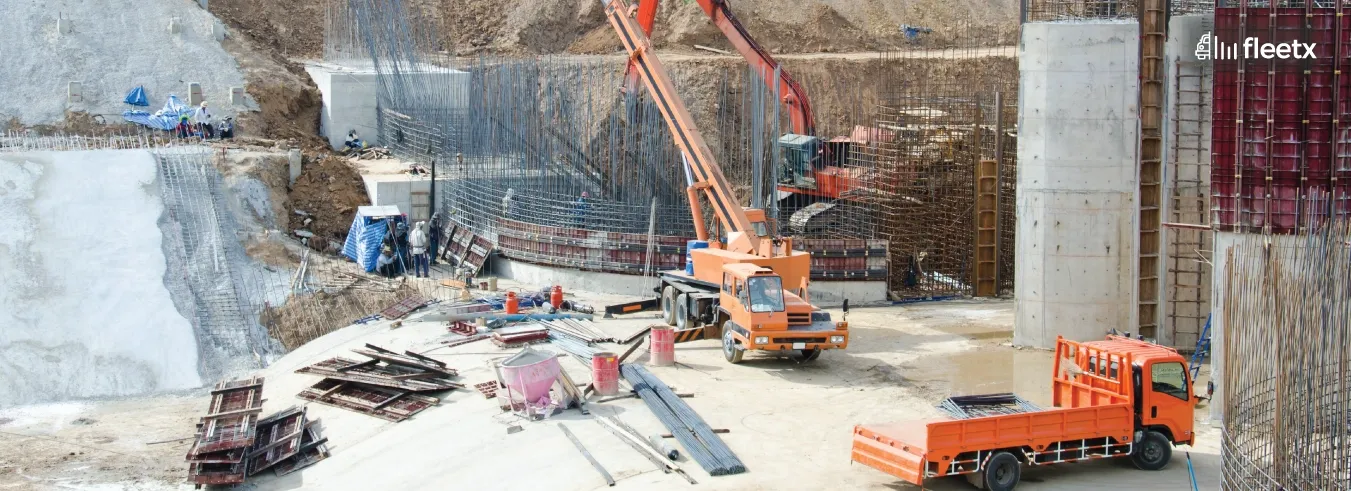
Construction industry had a really rough ride throughout this pandemic season and fleet operations has suffered a lot. Although, the construction activity seems to have picked up the pace now, it still needs to rise through the changed landscape ahead, wherein technology can help by trimming costs on the construction fleet operations, mitigating safety risk, while still keeping the projects profitable, notably, most of the Indian EPC majors operate on a net profit margin of as low as 2-4%. The need is evident and should be welcomed!
Fleets in the construction industry are usually made up of mixed and expensive equipment (from ordinary pickup trucks to rather expensive loaders, trenchers, bulldozers, excavators and cranes etc.), and are often demanded to be deployed at quirky times in rough conditions with no compromise in the safety of the involved personnel and vehicles.
In addition to the safety risks that construction site pose to people who work on them, the wide array of vehicles at the construction site can also be subjected to the extreme stresses and dangers if the constructions vehicle activities are not managed and controlled properly. This can further translate to unrepairable damage, delays and unforeseen tolls on your vehicles and the fleet management budget.
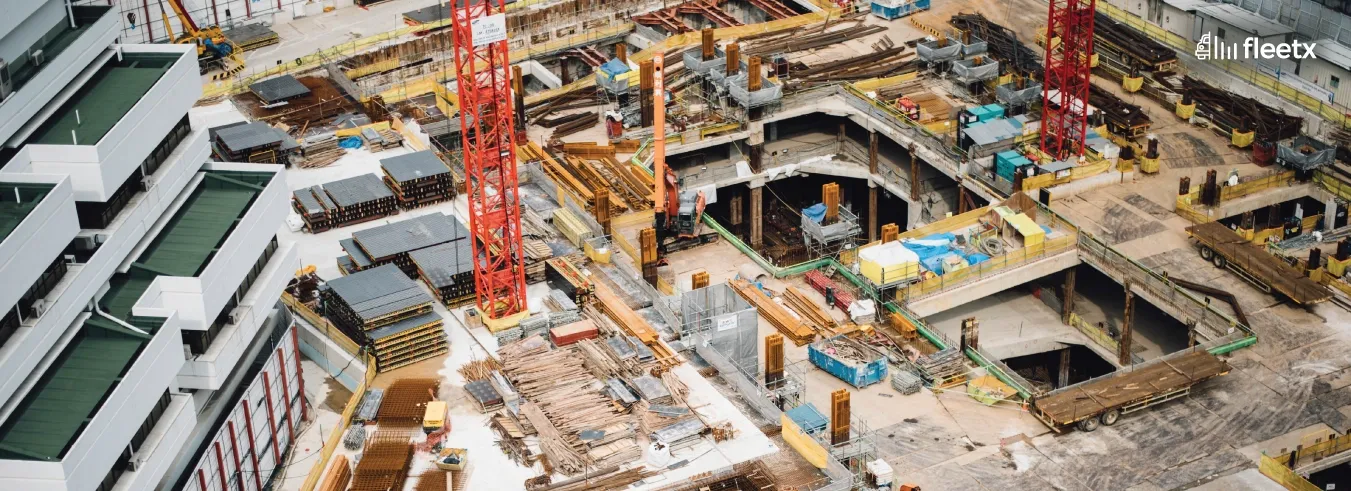
Most common issues seen on construction sites:
• Where is my equipment, is it in the right spot?
• Who's using the equipment and how often?
• Which of my equipment are down at the moment?
• Where are all my rented equipment?
• How much does it cost to run my equipment?
• Is the equipment being operated within the standard limits?
• Is fuel being stolen from vehicles?
• Are drivers using the vehicles for their own purpose?
• Do I need to send my equipment for maintenance?
• Do drivers have the essential paperwork to operate the vehicle?
• Am I running it legally and safely?
Doing all of this manually is a far cry in face of a fleet management. By adopting a comprehensive fleet management software, you can address all these problems with ease and improve safety, efficiency and profitability of your business.
Unlocking the benefits:
A Unified view into your operations: In construction Industry, excel spreadsheets and manual tracking has existed for last 40 to 50 years and a fleet management system aims to disrupt exactly that.
You can keep a registrar for your assets that will store everything about your assets.
For example, you can mark which of your vehicles are your own and which ones are on rent/lease. This prevents double booking of an equipment you already have in your lot. If you have vehicles across multiple job-site, knowing which vehicle is where and if rented/leased, allocating/scheduling them appropriately to sites they are needed at in the required time with the maximum productivity and profitability can be achieved quickly only with the help of a fleet management platform. It further tracks down the real-time location of any of your equipment, and the engine data which tells you about the behavior of your equipment engaged in a job, so that you can monitor it, and if this equipment happens to be a rented one, you'd like to pay closest attention to it such as it doesn't get underutilized and you don't end up extending the equipment hire contracts.
Improved Safety: Slips, falls and crashes are common on job sites, In fact one in five workplace fatalities belong to construction sites. Not knowing where your equipment is leads to lengthy and unplanned yard hunts, and adds to safety risk of your workforce working alongside moving machinery. However, if you're on a fleet management platform, you can fetch the real-time location of your fleet within a few clicks. With features like Geofences, Time on Site and Site Analytics, you can determine the exact job-hour of your equipment and get instant notifications on when an equipment enters or exits a site/spot. This avoids the need of intermittent checks on the vehicles to confirm its position in a spot and mitigates the risk of unauthorized use or theft of the vehicle as well.
Increased productivity and profits: Construction work relies heavily on teamwork. And, a digitally connected fleet management system invokes effective communication on just about everything you do with your fleet, among all the stakeholders and the assets involved, providing you the clarity you need across your day-to-day fleet operations, progress, weak-links, and upcoming responsibilities. Construction equipment are not cheap to buy, and if they breakdown due to their use on stressful terrain, or as a result of poor maintenance, then projects can be delayed due to the lack of a particular type of vehicle needed to perform a job. Not missing any scheduled maintenance or say regularly scheduling a maintenance is the key here. You can do so with Service Reminders and Service Entry features. You can also grade the vehicles on the basis of mileage highlighting the ones detrimental to your pocket, monitor the fuel level and combat any unwarranted fuel theft from a vehicle, at standstill or while in-motion.
There's more to it, but all that can't be unpacked here.
Making a Choice: Choosing a fleet management system for your needs might not be as straightforward as it seems. We have created a short guide that might help. How to choose the right fleet management solution?
How Fleet Management Software Supports Sustainable and Cost-Efficient Construction Operations
Construction companies are under increasing pressure to complete projects faster while reducing operational costs and meeting sustainability goals. Modern fleet management software goes beyond vehicle tracking by helping businesses optimize equipment utilization, lower emissions, reduce fuel wastage and improve resource planning. These capabilities are particularly valuable for infrastructure projects, commercial developments and government contracts where operational transparency is becoming increasingly important.
Ways fleet management software contributes to sustainable construction
- Reduced idle time: Continuous monitoring identifies equipment that remains idle for long periods, helping managers minimize unnecessary fuel consumption.
- Optimized equipment allocation: Assign the nearest available machine to a project instead of transporting equipment over long distances.
- Lower carbon emissions: Efficient routing and reduced engine idle time help decrease fuel usage and overall emissions.
- Preventive maintenance scheduling: Well-maintained equipment operates more efficiently and produces fewer emissions while reducing unexpected failures.
- Digital records instead of manual logs: Maintenance records, inspection reports and trip histories can be managed digitally, reducing paperwork.
- Better asset lifecycle management: Performance data helps determine the right time for repairs, refurbishment or replacement, maximizing return on investment.
Why this matters for construction companies in India
Construction activity in India continues to expand across metro cities such as Delhi, Gurgaon, Mumbai, Bengaluru and Pune. Companies managing multiple sites often need to move expensive machinery between projects. Without centralized visibility, equipment remains underutilized while transportation costs increase.
Fleet management software provides managers with:
- Real-time equipment availability
- Historical utilization reports
- Maintenance history
- Site-wise deployment analytics
- Fuel efficiency insights
- Equipment productivity benchmarking
These insights help contractors improve planning while reducing operating expenses across multiple construction sites.
Traditional Construction Fleet Management vs Smart Digital Fleet Management
| Parameter | Traditional Fleet Management | Smart Fleet Management Software |
|---|---|---|
| Equipment Visibility | Phone calls and manual updates | Real-time GPS tracking across all sites |
| Equipment Allocation | Based on assumptions | Based on live availability and utilization |
| Maintenance Planning | Reactive after breakdown | Predictive maintenance with automated reminders |
| Fuel Monitoring | Manual records | Live fuel consumption and theft alerts |
| Site Entry & Exit Monitoring | Manual registers | Automated geofence notifications |
| Equipment Utilization | Difficult to calculate | Engine hours, idle time and utilization reports |
| Safety Monitoring | Manual supervision | Driver behaviour and equipment movement alerts |
| Decision Making | Experience-based | Data-driven dashboards and analytics |
| Reporting | Paper records and spreadsheets | Automated reports with historical trends |
| Project Productivity | Limited operational visibility | Improved planning, utilization and project efficiency |
Key takeaway
Companies that adopt digital fleet management can make faster operational decisions because every piece of equipment becomes measurable. Instead of relying on assumptions, managers receive accurate operational data that improves planning, budgeting and project execution.
Want to know more about how fleetx has helped construction companies? No better way than getting a free demo.
Frequently Asked Questions
What is construction fleet management software? ▼
Construction fleet management software is a digital platform used to track, monitor and manage construction vehicles, heavy machinery and site equipment from one dashboard. It helps contractors, builders, EPC companies and infrastructure teams know where their assets are, how they are being used, when they need maintenance and whether they are operating safely.
For construction sites in India, especially in cities like Delhi, Gurgaon, Mumbai, Bengaluru and Pune, fleet management software is useful because equipment is often spread across multiple project sites. A single company may manage excavators, loaders, cranes, tippers, concrete mixers, pickup trucks and rented machines at the same time. Manual tracking through calls or spreadsheets can lead to delays, misuse, fuel theft and poor asset utilization.
The best construction fleet management software usually includes GPS tracking, geofencing, fuel monitoring, maintenance alerts, driver behaviour insights, utilization reports and real-time notifications. These features help construction businesses reduce downtime, improve site safety, prevent unauthorized vehicle use and control operating costs. For high-value construction assets, even small improvements in utilization can create significant savings over time.
Why is fleet management important for construction companies in India? ▼
Fleet management is important for construction companies in India because construction projects depend heavily on the timely availability of vehicles and heavy equipment. Delays in equipment movement, unexpected breakdowns, fuel misuse or poor scheduling can directly affect project timelines and profitability.
In India, construction sites often operate across crowded cities, remote project locations, highways, industrial zones and infrastructure corridors. This makes real-time visibility essential. A fleet management system helps teams answer important questions such as where the equipment is, whether it has reached the right site, how many hours it has worked, how much fuel it has consumed and whether it needs servicing.
For companies operating in Delhi NCR, Gurgaon, Mumbai, Bengaluru and Pune, traffic congestion and multiple job sites make asset coordination even more challenging. Fleet software helps managers plan better routes, monitor site entry and exit, reduce idle time and improve equipment productivity.
It also supports safety and compliance by tracking driver behaviour, over-speeding, harsh braking and unauthorized use. For construction companies that rent machinery, fleet management can help avoid underutilization and unnecessary rental extensions. This makes it one of the top digital tools for improving construction fleet efficiency in India.
How much does construction fleet management software cost in India? ▼
The cost of construction fleet management software in India depends on the number of vehicles, type of equipment, features required, hardware devices, installation needs and level of reporting. Basic GPS tracking solutions may start from around ₹500 to ₹1,500 per vehicle per month, while advanced fleet management platforms with fuel monitoring, maintenance alerts, driver analytics, geofencing and detailed dashboards may cost around ₹1,500 to ₹4,000 or more per vehicle per month.
For heavy construction equipment, pricing may also include one-time hardware and installation charges. These can vary depending on whether the company needs GPS devices, fuel sensors, engine hour monitoring, dashcams, RFID access or advanced telematics integrations. For large construction fleets, custom enterprise pricing is common because the requirements differ across projects and locations.
In markets like Delhi NCR, Gurgaon, Mumbai, Bengaluru and Pune, many construction companies prefer scalable plans because fleets may expand or reduce depending on active projects. The best approach is to calculate the cost against savings from reduced fuel theft, better utilization, fewer breakdowns and improved project coordination.
For example, if software helps prevent even one major equipment breakdown or reduces idle fuel loss across multiple machines, the monthly cost can often be recovered quickly. This makes fleet management software a practical investment for construction businesses focused on cost control.
What are the top benefits of GPS tracking for construction equipment? ▼
GPS tracking for construction equipment gives companies real-time visibility into the location and movement of vehicles, machines and site assets. This is especially useful for construction businesses that manage multiple project locations or expensive machinery across India.
The top benefits include better asset visibility, reduced theft risk, improved utilization, faster equipment allocation and stronger site-level control. With GPS tracking, managers can check whether an excavator, loader, crane, tipper or mixer is present at the assigned site. They can also monitor unauthorized movement after work hours and receive alerts when equipment exits a defined geofence.
For cities like Delhi, Gurgaon and Mumbai, where traffic delays and site congestion are common, GPS tracking helps project teams plan equipment movement more accurately. In Bengaluru and Pune, where construction and infrastructure activity is spread across several commercial and industrial zones, tracking helps reduce confusion between multiple sites.
GPS data also helps in productivity analysis. Managers can compare engine hours, idle time and site hours to understand whether equipment is being used efficiently. This is valuable for both owned and rented machinery. When combined with fuel monitoring and maintenance alerts, GPS tracking becomes a core part of construction fleet management and helps improve safety, accountability and profitability.
Which is the best fleet management software for construction companies in Delhi NCR and Gurgaon? ▼
The best fleet management software for construction companies in Delhi NCR and Gurgaon should offer real-time GPS tracking, geofencing, equipment utilization reports, fuel monitoring, maintenance reminders and driver behaviour insights. Since construction projects in Delhi NCR often involve multiple sites, high traffic density and strict timelines, the software should help teams track machinery movement and reduce delays.
For Gurgaon-based construction businesses, fleet management software is especially useful for monitoring equipment used across commercial projects, road work, infrastructure sites, warehouses and industrial areas. A good platform should allow managers to see which vehicle or machine is available, where it is located and whether it is being used productively.
Important features to look for include:
- Live GPS location tracking for construction vehicles and heavy machinery
- Geofence alerts for site entry and exit
- Fuel consumption and fuel theft monitoring
- Preventive maintenance reminders
- Driver behaviour and safety alerts
- Reports for idle time, engine hours and asset utilization
Pricing in Delhi NCR and Gurgaon can vary based on features and fleet size, but many businesses can expect a monthly cost per vehicle along with possible hardware installation charges. The right choice is the one that improves visibility, reduces manual follow-ups and supports faster project execution.
How can construction fleet management software reduce fuel theft and fuel costs? ▼
Construction fleet management software can reduce fuel theft and fuel costs by giving companies visibility into fuel usage, refuelling patterns, vehicle movement, idle time and unusual fuel drops. Fuel is one of the biggest operating costs in construction fleets, especially when companies manage tippers, loaders, excavators, cranes, mixers and other heavy machinery.
On large construction sites, fuel misuse can happen when equipment is left idle for long hours, used without approval, refuelled inaccurately or operated outside assigned areas. Fleet software helps by tracking fuel levels and matching them with vehicle activity. If there is a sudden drop in fuel while the machine is stationary, the system can trigger an alert. This helps managers identify possible fuel theft or leakage quickly.
For construction businesses in India, especially in busy regions like Mumbai, Delhi NCR, Gurgaon, Bengaluru and Pune, fuel monitoring also helps reduce unnecessary trips and idle running. Geofencing ensures equipment stays within the assigned site, while route and usage reports help improve planning.
The best fleet management systems combine GPS tracking, fuel sensors, driver behaviour reports and utilization analytics. Together, these features help companies lower fuel wastage, improve accountability and make data-backed decisions. Over time, even small fuel savings across multiple machines can create a major impact on project margins.
What features should construction companies look for in a fleet management system? ▼
Construction companies should look for a fleet management system that can manage both vehicles and heavy equipment in real time. Unlike standard transport fleets, construction fleets include mixed assets such as excavators, cranes, loaders, bulldozers, tippers, concrete mixers, pickup vehicles and rented machinery. The software should be able to track all these assets from one dashboard.
The most important features include live GPS tracking, geofencing, fuel monitoring, engine hour tracking, maintenance scheduling, driver behaviour alerts, asset utilization reports and automated notifications. These features help managers know where each asset is, how often it is used, whether it is operating safely and when it needs servicing.
For Indian construction companies operating in Delhi, Gurgaon, Mumbai, Bengaluru and Pune, mobile access is also important. Site managers may need to check equipment status from the field instead of depending only on office dashboards.
A strong fleet management system should also support reports that help answer high-intent business questions, such as which equipment is underutilized, which site has high idle time, which vehicle consumes more fuel and which machines are due for maintenance. The best systems are not just tracking tools; they support cost control, safety, planning and productivity improvement across construction projects.
How does fleet management software improve safety on construction sites? ▼
Fleet management software improves safety on construction sites by helping companies monitor vehicle movement, driver behaviour, equipment usage and site access in real time. Construction sites are high-risk environments because heavy machinery, workers, materials and vehicles often operate in the same area. Without proper visibility, the chances of accidents, unauthorized use and unsafe operation can increase.
With GPS tracking and geofencing, managers can define safe operating zones for equipment. Alerts can be triggered when a machine leaves the site, enters a restricted zone or moves during non-working hours. This helps reduce unauthorized usage and improves control over high-value assets.
Driver behaviour monitoring also plays an important role. Fleet software can track over-speeding, harsh braking, sudden acceleration and risky driving patterns. These insights help construction companies train operators and reduce unsafe behaviour.
In cities like Mumbai, Delhi NCR, Bengaluru and Pune, construction sites may be located near busy roads, commercial zones or dense residential areas. Real-time monitoring helps teams coordinate vehicle movement more safely. Maintenance alerts also reduce the risk of breakdown-related accidents by ensuring machines are serviced on time. Overall, fleet management software helps create a safer, more accountable and better-controlled construction environment.
Is fleet management software useful for rented construction equipment? ▼
Yes, fleet management software is highly useful for rented construction equipment because it helps companies track usage, location, engine hours, site time and productivity. Many construction companies in India rent equipment such as cranes, loaders, excavators, tippers, compactors and concrete mixers based on project requirements. Without digital tracking, it can be difficult to know whether rented assets are being used efficiently or sitting idle while still adding rental costs.
Fleet management software helps teams monitor when rented equipment enters a site, how long it stays there, how many hours it operates and whether it is being used for the intended project. This can prevent unnecessary rental extensions and improve billing accuracy.
For construction businesses in Delhi, Gurgaon, Mumbai, Bengaluru and Pune, rented machinery may move between multiple sites. GPS tracking and geofencing help ensure that equipment remains at the correct location and is not misused after working hours.
Utilization reports are especially valuable because they show whether the company should continue renting, return the equipment or reallocate it to another active site. The best fleet management platforms can help reduce rental wastage, improve project planning and ensure every rented asset contributes to productivity instead of becoming an avoidable expense.
How can construction companies in Mumbai, Bengaluru and Pune choose the top fleet management solution? ▼
Construction companies in Mumbai, Bengaluru and Pune should choose a fleet management solution based on project complexity, fleet size, equipment type, reporting needs and support availability. These cities have active construction, infrastructure, logistics and commercial development projects, which means companies often manage assets across multiple high-traffic locations.
The top fleet management solution should provide real-time visibility into both vehicles and heavy machinery. It should include GPS tracking, fuel monitoring, geofencing, maintenance reminders, driver behaviour analytics and equipment utilization reports. For Mumbai, route delays and urban congestion make live tracking and trip visibility important. For Bengaluru and Pune, where construction zones may be spread across IT corridors, industrial belts and outskirts, site-wise asset monitoring becomes especially useful.
Before choosing software, companies should check whether the platform supports mobile access, custom alerts, historical reports and integration with existing workflows. They should also evaluate installation support, hardware quality and customer service.
Cost can vary depending on features, but businesses should compare price against measurable savings such as lower fuel wastage, reduced downtime, better equipment allocation and fewer manual follow-ups. The best solution is one that improves operational control and helps construction teams complete projects more efficiently.