
India's road freight and public transport sector is in the middle of its most consequential transformation in decades. Fleet operators are being asked to adopt AIS 140-compliant GPS tracking, logistics companies are evaluating whether to buy GPS devices in bulk or migrate to integrated platforms, and fleet managers across the country are weighing the tradeoffs between standalone transport software and end-to-end ERP software that connects operations, compliance, and finance in one system.
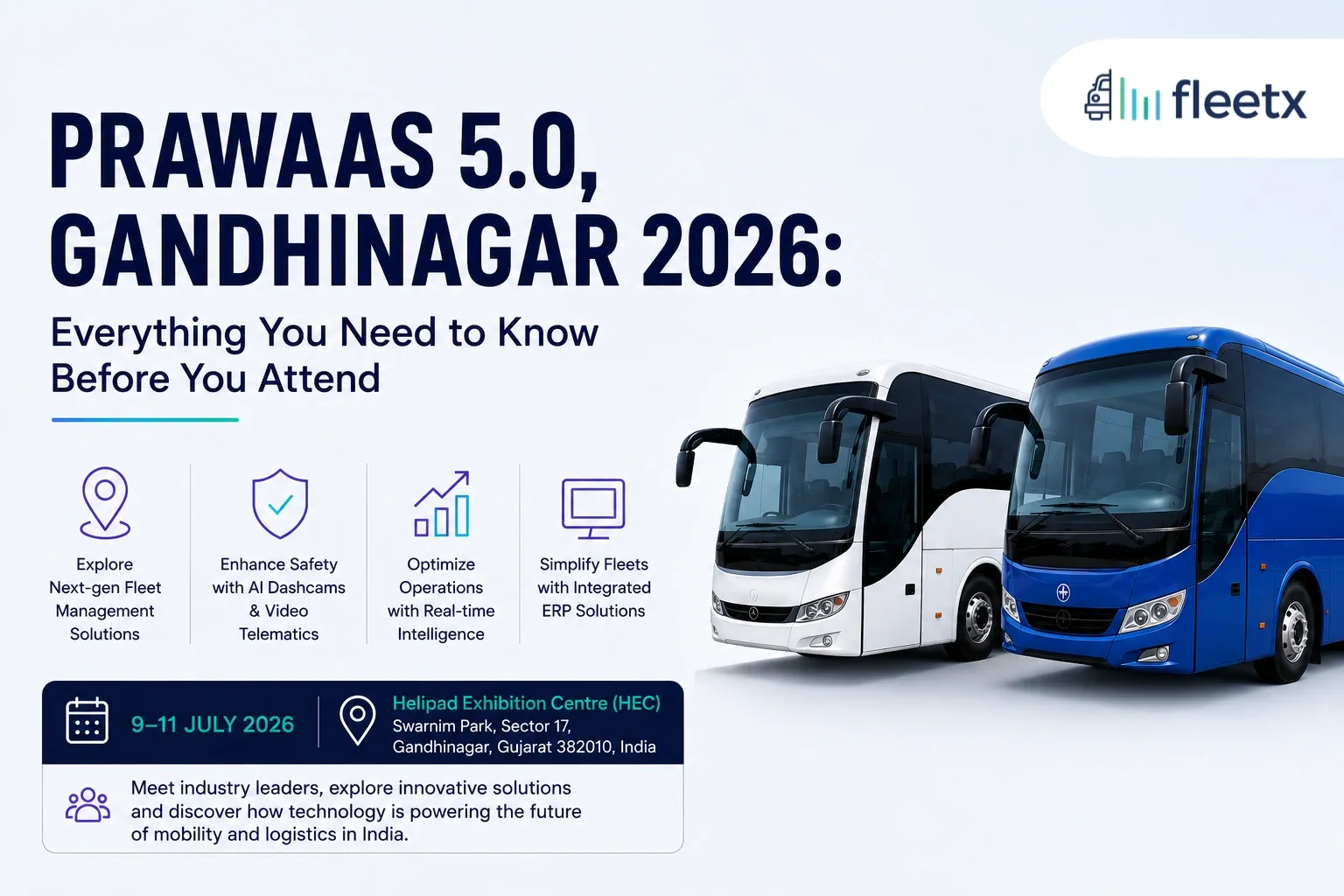
Against this backdrop, Prawaas 5.0 arrives at exactly the right moment. Organised by the Bus and Car Operators Confederation of India (BOCI) and scheduled from 9 to 11 July 2026 at the Helipad Exhibition Centre (HEC), Gandhinagar, Gujarat, this is the fifth and most ambitious edition of India's flagship multimodal mobility event.
The theme for 2026, "Towards Safe, Smart & Sustainable Public Transport", is not an aspiration. It is a policy direction being reinforced by the Ministry of Road Transport and Highways, the National Urban Transport Policy, and a growing cohort of state governments actively investing in public transit infrastructure. Prawaas 5.0 is where these threads converge into actionable dialogue, real business deals, and on-ground demonstrations.
What Is Prawaas 5.0? The Event in Context
Prawaas is not a standalone trade fair. It is a three-day ecosystem event that combines a global trade exhibition, a multi-track conference, workshops, startup pitch sessions, B2B partnering meetings, awards, and networking programmes into a single, co-located format. The scale and ambition of each edition have grown significantly since its inception, making Prawaas 5.0 the largest version yet.
Here is a factual overview of what Prawaas 5.0 is expected to bring together this year:
|
Metric |
Expected
Scale |
|
States &
UTs Represented |
36 |
|
Industry
Delegates |
1,500+ |
|
Bus & Car
Operators |
10,000+ |
|
Expert
Speakers |
60+ |
|
Leading
Exhibitors |
300+ |
|
Business
Visitors |
15,000+ |
|
Duration |
3 days (9-11
July 2026) |
|
Venue |
Helipad
Exhibition Centre (HEC), Gandhinagar, Gujarat |
The event is hosted by the Gujarat government and co-hosted by key state transport bodies, with Tata Motors as Principal Partner and redBus as Awards Partner. The presence of senior dignitaries from the central government, including Union Minister Shri Nitin Gadkari and Union Minister Shri Gajendra Singh Shekhawat, alongside Gujarat Chief Minister Shri Bhupendrabhai Patel, signals that this event carries significant policy weight alongside its commercial agenda.
The Eight Pillars of Prawaas 5.0: What to Expect
The event is structured around eight distinct programme components, each designed for a different audience and outcome. Here is what each entails:
1. Global Trade Exhibition
The exhibition floor is the largest component of Prawaas 5.0, covering 300+ exhibitors across vehicles, components, technology, and services. For companies in the logistics and fleet management space, this is the most important physical showcase in India's transport calendar.
What will be on the floor:
• Full-sized electric buses, CNG coaches, and hybrid transit vehicles from OEMs including Tata Motors, Volvo, JBM, and Eicher
• Fleet technology platforms including transport software, route optimization engines, and driver behaviour analytics
• GPS hardware vendors where operators can evaluate options before they buy GPS devices for their fleet
• AIS 140 compliant onboard units and telematics hardware certified under VAHAN and MoRTH norms
• Dash cameras with AI-based incident detection and driver-facing monitoring capabilities
• ERP software platforms built specifically for transport and logistics operations
• HVAC systems, tyre management solutions, and bus body components
• Insurance, fleet financing, and leasing solutions
For procurement teams evaluating whether to buy GPS devices individually or through integrated platform contracts, the exhibition floor provides a rare opportunity to run vendor comparisons in one location. The AIS 140 standard mandated by MoRTH requires GPS and emergency button compliance across commercial vehicles, making this category especially active at the show.
2. Conference: Policy Meets Practitioner
The Prawaas 5.0 conference is a multi-track programme running across all three days, featuring over 60 speakers drawn from government ministries, state transport undertakings, private operators, technology companies, and multilateral development bodies.
Expected conference themes based on the event's stated scope:
• National Electric Bus Programme: Status, gaps, and the road to 50,000 e-buses
• Multimodal integration: Metro, BRT, last-mile, and intercity connectivity frameworks
• AIS 140 compliance: Implementation challenges for fleet operators across states
• Logistics and supply chain technology: The role of ERP software and transport software in modernising freight operations
• Road safety: Data-driven interventions using dash cameras, telematics, and AI monitoring
• Sustainable fuels: CNG, hydrogen, and hybrid transition pathways for bus operators
• Urban mobility financing: FAME III, VGF structures, and municipal bond frameworks
The Smart Cities Mission and PM-eBus Sewa Programme are expected to feature prominently in the policy sessions, given their direct relevance to the operator and government audience in attendance.
3. Workshops: Hands-On Technical Learning
Workshops at Prawaas 5.0 are designed as smaller, focused sessions that go beyond the panel discussion format. These are targeted at operations managers, fleet technicians, compliance officers, and technology procurement teams.
Workshops are likely to cover:
• How to evaluate and procure AIS 140 compliant GPS hardware
• Practical implementation of transport software in multi-depot bus operations
• Integrating dash cameras with fleet management systems for insurance and safety compliance
• ERP software configuration for logistics companies managing mixed fleet types
• Driver training methodologies using telematics and fatigue monitoring data
4. Bharat Prawaas Awards: Recognising Excellence in Mobility
The Bharat Prawaas Awards, hosted at bharatprawaas.com, recognise outstanding contributions across the mobility ecosystem. Award categories span innovation in public transport, road safety, technology adoption, green fleet transition, and operator excellence.
These awards are not ceremonial. They serve as a quality benchmark that operators, manufacturers, and technology providers actively seek. For companies in the fleet management, logistics, or transport software space, recognition at Bharat Prawaas Awards carries meaningful third-party credibility.
5. BOCI Dialogue: The Operator Voice
The BOCI Industry Leadership Reception and BOCI Dialogue sessions are dedicated to the challenges and opportunities facing India's private bus and coach operators. These are closed-format or limited-access discussions that bring together BOCI council members, state chapter heads, and senior operators to shape industry positions on regulation, infrastructure access, and technology adoption.
Key topics likely on the BOCI Dialogue agenda:
• State-level permit reforms and interstate corridor rationalisation
• Fleet renewal economics in a CNG-to-EV transition environment
• Driver shortage, training, and welfare frameworks
• Insurance cost structures and risk pooling models for operator associations
6. Policymakers' Roundtable
The Policymakers' Roundtable brings together senior officials from central and state transport ministries in a structured dialogue format. Unlike conference panels, this session is designed for specific policy questions to be raised, debated, and responded to by officials with actual decision-making authority.
For operators waiting on clarity around VAHAN integration, FASTag-linked compliance systems, or state-specific EV subsidy structures, the roundtable is a critical intelligence-gathering opportunity. The Ministry of Road Transport & Highways VAHAN portal and BharatStage emission standards are among the regulatory frameworks likely to be discussed in this context.
7. Startup Pitches
The startup pitch session at Prawaas 5.0 provides early-stage mobility companies with a platform to present to investors, OEMs, and large fleet operators. For startups working on:
• AI-powered dash camera analytics and driver behaviour scoring
• Last-mile logistics optimisation and route planning algorithms
• AIS 140 hardware with edge computing for offline GPS tracking
• ERP software for small and mid-size transport companies
• EV charging management systems and energy-as-a-service platforms
The pitch session provides validation, potential partnership leads, and media visibility that would otherwise take months to accumulate through conventional channels.
8. B2B Partnering and Networking Dinner
B2B Partnering at Prawaas 5.0 is a curated, pre-scheduled meeting system that allows exhibitors, delegates, and operators to book one-on-one sessions before the event begins. This removes the randomness of trade fair networking and ensures that the right conversations happen in structured 20-30 minute slots.
The exclusive Networking Dinner on one of the event evenings provides the informal relationship-building context that is difficult to replicate in formal conference settings. For senior business development and sales professionals, this is often where the most consequential conversations begin.
Technology at the Centre: What Prawaas 5.0 Tells Us About India's Fleet Tech Priorities
Prawaas 5.0 reflects a market that is rapidly moving from basic vehicle tracking to integrated operational platforms. The technology landscape on display and in discussion at this event provides a snapshot of where India's transport sector is actually heading, as opposed to where analysts say it should be.
|
Technology
Category |
Current
Adoption Level |
Regulatory
Driver |
What to Look
For at Prawaas 5.0 |
|
GPS Tracking
/ AIS 140 |
Mandatory for
commercial vehicles under MoRTH |
AIS 140
Standard, VAHAN integration |
Next-gen AIS
140 devices, bulk procurement options |
|
Dash Cameras |
Growing,
driven by insurance and safety mandates |
MoRTH road
safety guidelines |
AI-enabled
event detection, driver-facing cameras |
|
Transport
Software / TMS |
Moderate;
large operators leading adoption |
Operational
efficiency, ePOD compliance |
Integration
with GPS hardware and ERP back-end |
|
ERP Software
for Logistics |
Low-to-moderate
among mid-size operators |
GST e-way
bill compliance, cost visibility |
Cloud-native
ERP with fleet and finance modules |
|
Electric Bus
Technology |
Scaling
rapidly under PM-eBus Sewa |
FAME scheme,
state EV policies |
Battery
management, charging infrastructure |
|
CNG &
Alternative Fuels |
High in urban
fleets, expanding intercity |
CPCB emission
norms, BS6 Phase 2 |
CNG
retrofits, refuelling network economics |
For logistics companies and fleet operators deciding whether to invest in standalone transport software or move to a full ERP software stack, Prawaas 5.0 is an opportunity to see competing platforms in a live demonstration environment and to speak directly with operators who have already made this transition. The National Logistics Policy 2022 outlines India's ambition to reduce logistics cost from approximately 13-14% of GDP to 8%, and technology adoption across fleet management, freight, and last-mile is central to achieving that target.
Who Should Attend Prawaas 5.0?
Prawaas 5.0 draws a specific and professional audience. Understanding who attends helps clarify whether the event is relevant for your organisation and which programme components to prioritise.
|
Attendee
Profile |
Most
Relevant Event Components |
|
Private Bus &
Coach Operators |
Exhibition,
BOCI Dialogue, B2B Partnering, Networking Dinner |
|
State
Transport Undertakings (STUs) |
Conference,
Policymakers' Roundtable, Exhibition |
|
Fleet
Technology & GPS Hardware Vendors |
Exhibition,
B2B Partnering, Workshop sessions |
|
Logistics
& Freight Companies |
Exhibition,
Conference sessions on ERP and TMS, B2B |
|
EV &
Clean Energy Technology Companies |
Exhibition,
Conference, Startup Pitches |
|
Government
& Regulatory Officials |
Policymakers'
Roundtable, Conference, Bharat Prawaas Awards |
|
Investors
& VCs in Mobility |
Startup
Pitches, B2B Partnering, Conference |
|
Transport
& Urban Planning Consultants |
Conference,
Workshops, Policymakers' Roundtable |
Prawaas 5.0 vs Previous Editions: What Has Changed
Each edition of Prawaas has built on the previous one. The fifth edition marks a notable expansion in scope, participation, and policy alignment compared to earlier iterations.
|
Dimension |
Earlier
Editions (1-4) |
Prawaas 5.0
(2026) |
|
Primary Focus |
Bus and coach
operators |
Full
multimodal ecosystem: buses, metro, taxis, last mile |
|
Government
Engagement |
State-level
participation |
Central
ministers + Chief Minister + policy roundtable |
|
Technology
Emphasis |
Vehicle and
component focus |
Fleet tech,
ERP software, dash cameras, GPS, EV |
|
Startup
Participation |
Limited |
Dedicated
pitch format with investor access |
|
Geographic
Reach |
Regional and
national |
36 states and
UTs; international exhibitor presence |
The Venue: Helipad Exhibition Centre, Gandhinagar
The Helipad Exhibition Centre (HEC) in Gandhinagar is Gujarat's premier large-format exhibition venue. Located at Swarnim Park, Sector 17, Gandhinagar, Gujarat 382010, it offers 40,000+ square metres of covered exhibition space across multiple halls, making it suitable for both full-size vehicle displays and technology showcases.
Key facts about the venue and travel logistics:
• Distance from Ahmedabad International Airport: approximately 30 km, easily accessible via the SG Highway
• Ahmedabad railway station connects to Gandhinagar via metro (Blue Line) and road
• The venue has large parking facilities suitable for bus and vehicle display entries
• Gandhinagar itself is a well-planned city with adequate hotel inventory across all budget levels
• The event runs from 9:00 AM to 6:00 PM on all three days
Gujarat's positioning as India's leading state for EV manufacturing and clean energy investment adds contextual relevance to Prawaas 5.0 being hosted here. The state's EV Policy 2021 and its large-scale bus electrification programmes across Ahmedabad and Surat make its transport officials among the most informed in the country on the topics Prawaas 5.0 will address.
Key Sponsors and Partners: What Their Presence Signals
The partner lineup at Prawaas 5.0 is itself a signal about the event's character. A brief look at who is sponsoring and what it means for attendees:
|
Partner |
Category |
Why Their
Presence Matters |
|
Tata Motors |
Principal
Partner |
India's
largest commercial vehicle manufacturer; signals strong OEM commitment to
public transport |
|
redBus |
Awards
Partner |
India's
dominant intercity bus aggregator; brings digital-first perspective to
operator conversations |
|
Volvo Buses
India |
BOCI Day
Partner |
Premium
segment OEM; relevant for state and luxury operator procurement discussions |
|
Eicher Trucks
& Buses |
BOCI Day Partner |
Key player in
mass-market bus segment for private operators |
|
JBM Group |
Supported By |
Leading
electric bus manufacturer under PM-eBus Sewa contracts |
|
ZF Group |
Silver
Partner |
Global
drivetrain and safety technology; relevant for BS6 and EV transition
discussions |
The Logistics and Fleet Management Opportunity at Prawaas 5.0
For professionals working in logistics, fleet management, and transport operations, Prawaas 5.0 offers a concentrated opportunity to assess where the market is moving and which technology investments are worth making in the next 12-24 months.
Three specific areas deserve attention:
GPS and AIS 140 Hardware Consolidation
The AIS 140 mandate from MoRTH requires that all commercial vehicles above a certain gross vehicle weight carry certified GPS units with emergency alert functionality. As enforcement tightens and VAHAN integration becomes stricter, operators who have not yet completed this transition are under increasing pressure to buy GPS devices that meet the AIS 140 specification and are approved by the appropriate certification body.
The exhibition floor at Prawaas 5.0 will have multiple vendors in this space, making it the most efficient venue to compare hardware specifications, pricing structures, and after-sales support across vendors in a single visit.
Dash Camera Adoption Accelerating
The case for dash cameras in commercial vehicles has moved from optional to near-essential. Insurance companies are beginning to factor dash camera footage into claims assessment, and road safety regulations under the Motor Vehicles (Amendment) Act 2019 have increased operator liability for driver negligence.
At Prawaas 5.0, expect to see:
• Dual-channel dash cameras with forward-facing and driver-facing lenses
• AI-enabled systems that detect phone use, drowsiness, and lane departure in real time
• Cloud-connected dash cameras integrated with fleet management platforms
• Event-triggered upload systems that reduce bandwidth costs for large fleets
Transport Software and ERP Convergence
The market for transport software is fragmenting in an interesting direction. On one end, specialised transport management systems (TMS) offer deep functionality for route planning, load management, and freight billing. On the other, ERP software platforms built for logistics companies are adding transport-specific modules to compete with standalone TMS tools.
For operators and logistics companies attending Prawaas 5.0, the exhibition and workshops are an opportunity to understand:
• Whether a dedicated transport software solution or a logistics ERP better fits your operational complexity
• How well shortlisted platforms integrate with AIS 140 GPS hardware and dash camera feeds
• Total cost of ownership across SaaS versus on-premise deployment models
• Vendor track record with fleets of similar size and geography
The National Logistics Policy identifies technology adoption as a core lever for improving India's logistics competitiveness. Platforms that help operators comply with e-way bill requirements, track driver hours, manage ePOD workflows, and report fuel consumption in a unified dashboard are no longer a luxury. They are a competitive necessity.
Roadshow Events and Curtain Raisers: Building Toward the Main Event
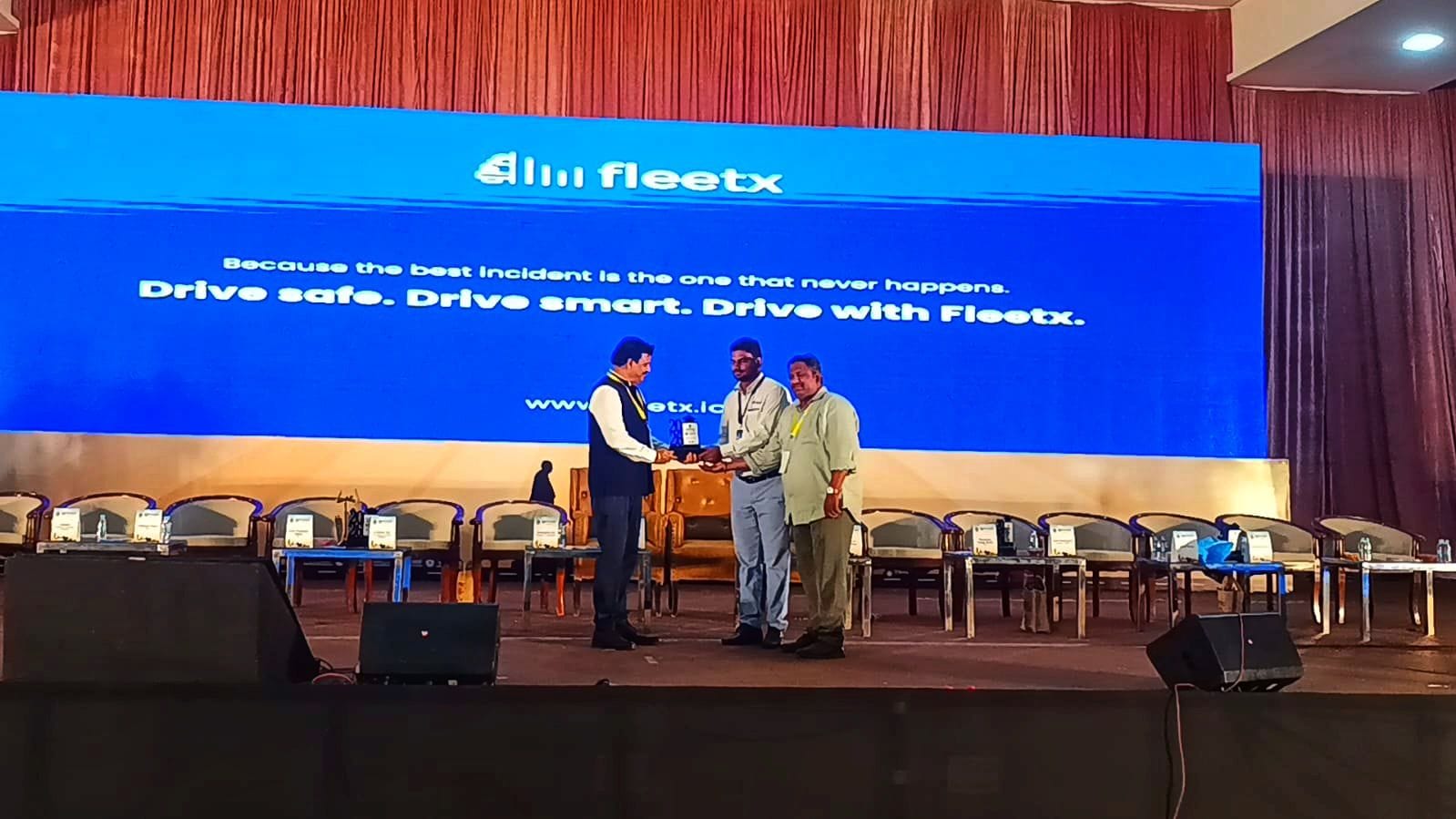
Prawaas 5.0 is not a standalone three-day event. It is preceded by a series of Curtain Raiser events across Indian cities, which serve as regional engagement forums where operators, government officials, and industry stakeholders build the momentum and conversations that will continue at Gandhinagar.
Curtain Raiser shows were successfully held in Puri - Orissa, Hyderabad – Telengana, Lucknow – UP, Chennai – Tamil Nadu, Chandigarh, Pune – Maharashtra, and Ahmedabad – Gujarat, earlier in 2026. These events serve a specific purpose:
• They surfaced region-specific transport challenges and priorities that feed into the main conference agenda
• They allowed local operators who may not travel to Gandhinagar to participate in the broader Prawaas conversation
• They built exhibitor and delegate pipelines from geographies outside the traditional Gujarat-Maharashtra-Delhi belt
How to Register and What It Costs
Prawaas 5.0 has two primary registration categories:
|
Category |
Who It Is
For |
Where to
Register |
|
Delegate
Registration |
Conference
attendees, operators, professionals seeking full event access including all
sessions |
prawaas.com/Conference.php
(early bird closes 30 June 2026) |
|
Business
Visitor Registration |
Exhibition
visitors, procurement professionals, supplier evaluation teams |
prawaas.com/prawaas-2026/public/visitor/register |
|
Exhibitor
Booking |
Companies
seeking exhibition stall space (limited availability) |
prawaas.com/exhibition.php
(exhibitor manual available for download) |
Important: The early bird delegate registration deadline is 30 June 2026. Exhibition spaces are described as limited, making early stall booking advisable for companies planning product launches or large-format vehicle demonstrations at the show.
Making the Most of Three Days: A Practical Attendance Framework
Prawaas 5.0 is dense. With three parallel tracks, an active exhibition floor, B2B meetings, workshops, and networking events all running simultaneously, arriving without a plan means missing the sessions and meetings that matter most to your organisation.
A practical approach for different attendee types:
For Fleet Operators and Transport Companies
• Prioritise Day 1 morning for the opening conference session and ministerial addresses to capture the policy direction being set for the year
• Block Day 1 afternoon for the exhibition floor, specifically GPS and AIS 140 hardware vendors if you are looking to buy GPS devices or upgrade existing units
• Use B2B Partnering slots (book in advance) for structured meetings with ERP software or transport software vendors
• Attend the BOCI Dialogue session to hear peer operator perspectives on compliance and fleet transition challenges
• Reserve evening for the Networking Dinner if invited, as this is where principal relationships with OEMs and financiers are often formed
For Technology Vendors and Exhibitors
• Set up for maximum visibility in the exhibition zone by Day 1 morning given that Day 1 typically sees the highest footfall
• Submit for the Bharat Prawaas Awards in relevant categories to build credibility
• Use the startup pitch session if eligible to reach investors and large fleet operators in one concentrated session
• Engage with conference moderators for speaking opportunities in panel sessions relevant to your product category
For Logistics and Supply Chain Professionals
• Focus on conference sessions covering the National Logistics Policy and technology adoption in freight
• Evaluate dash camera and transport software vendors on Day 2 when the exhibition floor is typically less crowded
• Attend ERP software demonstrations scheduled in workshop formats for hands-on product evaluation
• Use Day 3 for B2B meetings with vendors shortlisted over Days 1 and 2
The Larger Context: Why This Event Matters for India's Transport Future
India is in the process of building the public transport infrastructure that will serve a population of 1.6 billion by 2050. The India Urban Mobility Report by NITI Aayog projects that urban transport demand will grow threefold over the next two decades. Managing that growth in a way that is environmentally sustainable, economically efficient, and socially inclusive requires exactly the kind of multi-stakeholder coordination that Prawaas was designed to facilitate.
The alignment of fleet electrification mandates, AIS 140 compliance enforcement, logistics policy reform, and technology investment cycles means that the decisions being made in 2026 will determine the shape of India's transport sector for the next decade. Prawaas 5.0 is the forum where those decisions get discussed, contested, and in many cases, made.
For operators, technology companies, and policymakers who want to be present when those conversations happen, Gandhinagar in July 2026 is where they need to be.
Quick Reference: Prawaas 5.0 at a Glance
|
Detail |
Information |
|
Event Name |
Prawaas 5.0 |
|
Dates |
9-11 July
2026 |
|
Venue |
Helipad
Exhibition Centre (HEC), Swarnim Park, Sector 17, Gandhinagar, Gujarat 382010 |
|
Organiser |
Bus and Car
Operators Confederation of India (BOCI) |
|
Event Curator |
MM Activ
Sci-Tech Communications, Pune |
|
Theme |
Towards Safe,
Smart & Sustainable Public Transport |
|
Secretariat
Contact |
secretariat@prawaas.com
| +91 80 4113 1912/13 |
|
Official
Website |
prawaas.com |
|
Early Bird
Deadline |
30 June 2026 |
|
Principal
Partner |
Tata Motors |
|
Awards
Partner |
redBus |
Frequently Asked Questions — Prawaas 5.0
Everything fleet operators, logistics professionals, and transport technology teams need to know before heading to Gandhinagar.
What is the registration fee for Prawaas 5.0, and what is the best way to register from Delhi or Gurgaon?
Prawaas 5.0 offers two registration tracks — delegate registration for conference access and business visitor registration for exhibition-only entry. Delegate registration fees for India's top transport conferences typically fall in the range of ₹5,000–₹15,000 per person, with early bird pricing (deadline: 30 June 2026) offering discounts of 20–30%. Business visitor registration is generally free or nominal (₹0–₹500), covering exhibition-floor access without conference sessions.
For teams travelling from Delhi or Gurgaon, register online at prawaas.com/Conference.php well before the 30 June early bird cutoff. Companies sending five or more delegates should enquire about group pricing, which large-format B2B events in India routinely offer at 15–25% below individual rates. Confirm at secretariat@prawaas.com or call +91 80 4113 1912/13. Delhi-NCR is home to some of India's largest fleet operators and logistics companies — attending as a team and splitting B2B meeting slots across delegates is the highest-ROI way to work the three-day programme.
What is the total cost of attending Prawaas 5.0 from Mumbai, including travel, hotel, and registration?
For a Mumbai-based professional attending all three days (9–11 July 2026), here is a realistic cost breakdown based on current market rates for the Ahmedabad–Gandhinagar corridor:
- Flights (Mumbai–Ahmedabad return): ₹4,000–₹9,000 economy on IndiGo, Air India, or SpiceJet. Book 3–4 weeks ahead for the best BOM–AMD fares.
- Hotel in Gandhinagar (3 nights): Budget options near HEC (Cambay Grand, Fortune Inn Haveli) from ₹2,500–₹3,500/night. Mid-range business hotels in Ahmedabad (Courtyard by Marriott, Hyatt Regency) run ₹5,000–₹8,000/night — staying in Ahmedabad and commuting ~30 km via SG Highway is a cost-effective alternative.
- Local transport (Ahmedabad–Gandhinagar daily): ₹600–₹1,200/day by Uber or Ola.
- Delegate registration: ₹5,000–₹15,000 depending on pass type.
- Meals and incidentals: ₹1,500–₹2,500/day.
Total estimated cost for a Mumbai delegate (3 days): ₹25,000–₹55,000. For senior supply chain and fleet management teams from Mumbai's FMCG, pharma, or 3PL sector, this is well within a standard conference travel budget — and the B2B connections, vendor comparisons, and policy intelligence at Prawaas 5.0 comfortably justify the spend.
What are the best AIS 140-compliant GPS devices available in India, and what do they cost?
AIS 140 is the MoRTH-mandated standard for GPS-based vehicle location tracking (VLTD) on all commercial vehicles in India. A compliant device must include real-time GPS tracking, an emergency button, two-way voice communication, and VAHAN portal integration. The best AIS 140 GPS devices available in India — several of which will be demonstrated at Prawaas 5.0 — include hardware from Teltonika, Concox, CalAmp, Laird Connectivity, and Indian manufacturers such as Axons and Ruptela.
Cost range for AIS 140 GPS devices in India:
- Entry-level certified units: ₹2,500–₹4,500 per device. Suitable for small fleet operators in Delhi-NCR or Haryana meeting minimum MoRTH requirements.
- Mid-range units with additional I/O ports: ₹5,000–₹8,000 per device. Supports fuel sensor integration, door sensors, and temperature probes.
- Advanced telematics units with 4G + edge computing: ₹8,000–₹15,000 per device. AI-ready, supports dash camera feeds, CAN bus data, and OBD integration.
For fleet operators in Gurgaon or Delhi looking to buy GPS devices in bulk (50+ units), vendor negotiations at Prawaas 5.0 can yield procurement pricing 15–30% below standard MRP, along with bundled SIM data plans and on-site support. The exhibition floor at Prawaas 5.0 is arguably the single best venue in India to run this comparison in person.
Is AIS 140 GPS compliance mandatory for all commercial vehicles in India, and what are the penalties for non-compliance in Delhi and Maharashtra?
Yes — AIS 140 GPS compliance (VLTD) is mandatory under MoRTH for all commercial vehicles in India, including trucks, buses, taxis, and school buses. The mandate is enforced via the VAHAN portal, which links vehicle registration status to a certified GPS device. Vehicles without compliant units face fitness certificate denial, permit cancellations, and challan-based penalties under the Motor Vehicles (Amendment) Act 2019.
In Delhi: The Transport Department actively enforces VLTD compliance during fitness inspections, particularly for stage carriages and school buses. Fines for non-compliance range from ₹5,000 to ₹10,000 per offence, and repeat violations can lead to permit suspension.
In Maharashtra (Mumbai, Pune, Nagpur): RTOs have integrated AIS 140 checks into annual fitness renewal cycles. Transport operators in Mumbai's logistics hub — Bhiwandi, Navi Mumbai APMC, and the JNPT corridor — have been among the most active buyers of AIS 140 GPS devices as enforcement tightened from 2023 onwards. Top GPS vendors serving Maharashtra fleets will be present at Prawaas 5.0 for procurement-ready conversations. The session on AIS 140 compliance implementation at the Prawaas 5.0 conference is a must-attend for compliance officers from both regions.
What are the top dash cameras for commercial trucks and buses in India, and what is the price range?
India's commercial vehicle dash camera market has grown rapidly, driven by insurance incentives and MoRTH road safety guidelines. The best dash cameras for trucks and buses combine forward-facing video, AI-based driver behaviour detection, and cloud connectivity. Leading options include Mobileye, Netradyne, Lytx, Garmin, and domestic platforms like Fleetx and WakTrak — several of which will have live demos at Prawaas 5.0.
Price ranges for commercial vehicle dash cameras in India:
- Basic single-channel (forward-facing only): ₹3,000–₹6,000 per unit. Good for smaller fleets in Delhi-NCR or Gurgaon needing basic incident recording.
- Dual-channel (forward + driver-facing): ₹8,000–₹18,000 per unit. Recommended for bus operators and FMCG logistics fleets in Mumbai, capturing both road events and driver behaviour simultaneously.
- AI-enabled 4-channel systems with real-time alerts: ₹20,000–₹45,000 per unit. Detect drowsiness, phone use, lane departure, and harsh braking in real time, with cloud upload and fleet dashboard integration. Best suited for enterprise operators with 100+ vehicles.
At Prawaas 5.0, procurement teams from Delhi or Mumbai can evaluate live demos, negotiate volume pricing for 50–500 unit deployments, and meet local service partners who will handle post-installation support across depot networks.
What is the best transport management software (TMS) for Indian logistics companies, and what does it cost?
India's transport management software market has matured significantly, with platforms now covering load planning, freight billing, ePOD, driver apps, and GPS integration. The top transport software platforms actively used by Indian logistics companies include Fleetx (AI-native TMS with agentic dispatch), Logi-Sys, Ramco Logistics, FarEye, and Fretron — each serving different segments, from 3PL operators in Mumbai's Bhiwandi cluster to enterprise freight companies running pan-India networks.
TMS pricing in India (SaaS, per vehicle per month):
- Entry-level transport software: ₹300–₹700 per vehicle/month. Suitable for small operators in Delhi-NCR with 10–50 vehicles.
- Mid-range TMS with GPS integration, ePOD, and analytics: ₹800–₹1,500 per vehicle/month. The most popular tier for mid-size logistics companies in Gurgaon, Pune, and Mumbai.
- Enterprise AI-native TMS (agentic dispatch, freight benchmarking, trip P&L): ₹1,500–₹3,500+ per vehicle/month. For large fleets of 500+ vehicles running multi-state operations.
At Prawaas 5.0, multiple TMS vendors will run live demos and offer show pricing. For logistics companies from Gurgaon or Delhi managing outbound distribution for FMCG, cement, or steel, the TMS and ERP workshops are essential sessions to attend before making a platform decision.
What is the difference between transport software and ERP software for logistics, and which is better for an Indian fleet operator?
This is one of the most common questions for fleet operators and logistics companies in India — and Prawaas 5.0 is one of the best forums to get a clear answer from peer operators rather than vendor sales pitches.
Transport software (TMS) is purpose-built for operations: trip planning, load optimisation, driver assignment, ePOD, GPS integration, freight settlement, and customer reporting. Deep on operations but does not typically cover accounting, HR, or procurement. Best for operators whose primary pain is operational inefficiency — missed deliveries, poor driver utilisation, lack of real-time visibility.
ERP software for logistics integrates operations with finance, procurement, HR, and compliance. It connects trip P&L to your ledger, links fuel purchases to vehicle cost centres, and manages GST e-way bill compliance alongside route management. The tradeoff is complexity — a full logistics ERP takes 3–9 months to deploy versus 4–8 weeks for a SaaS TMS.
Cost comparison in India:
- Standalone TMS (SaaS): ₹5 lakh–₹30 lakh per year for a mid-size fleet (100–500 vehicles).
- Full logistics ERP: ₹15 lakh–₹1 crore+ for implementation, plus ₹5–₹20 lakh annual support and licensing.
For most Indian fleet operators running 50–300 vehicles — whether in Gurgaon, Mumbai, or Chennai — a best-in-class TMS integrated with a mid-market accounting platform is the most cost-effective starting point. Prawaas 5.0's workshops are built precisely for this evaluation.
What is the best way to travel to Prawaas 5.0 from Delhi or Gurgaon, and how long does it take?
For professionals from Delhi or Gurgaon travelling to the Helipad Exhibition Centre (HEC), Gandhinagar, there are three main options:
- Flight (recommended): Delhi to Ahmedabad flights run multiple times daily on IndiGo, Air India Express, and SpiceJet. Flight time is ~1 hour 15 minutes. Return economy fares average ₹5,000–₹10,000 booked 2–3 weeks ahead. From Ahmedabad airport to HEC Gandhinagar is ~30 km (45 minutes by Ola/Uber, ₹400–₹600 one way). Total door-to-door from Gurgaon: 4–5 hours.
- Train: Shatabdi or Duronto Express covers Delhi to Ahmedabad in ~7–8 hours. Second-class AC fares from ₹1,200; CC class from ₹1,800. Good option for those carrying display materials or equipment.
- Drive: Delhi to Gandhinagar is ~930 km via NH-48. Drive time is 12–14 hours. Practical only for companies sending vehicles or heavy exhibition equipment to the show floor.
Book hotels early — July is peak season for Gandhinagar. The best-value business hotels near HEC, including Fortune Inn Haveli, Cambay Grand Gandhinagar, and Courtyard by Marriott Ahmedabad, fill up 3–4 weeks before major events at the venue. Staying in Ahmedabad and commuting daily is a reliable cost-saving strategy for Delhi-NCR delegates.
How much does it cost to book an exhibition stall at Prawaas 5.0, and is it worth it for a logistics tech company?
Exhibition stall pricing at Prawaas 5.0 varies by size and location. Based on benchmarks for comparable Indian transport exhibitions:
- Shell scheme stalls (9 sqm): ₹80,000–₹1,50,000 for a standard 3×3 m stall, including fascia board, electrical connection, and two exhibitor passes.
- Mid-size stalls (18–36 sqm): ₹2,50,000–₹6,00,000. Suitable for GPS hardware vendors, dash camera companies, and transport software platforms wanting meaningful brand presence.
- Large island stands and corner booths (50+ sqm): ₹8,00,000–₹20,00,000+. Used by OEMs, ERP vendors, and telematics platforms needing vehicle display capability or interactive demo zones.
For a fleet tech, GPS, or transport software company based in Delhi, Gurgaon, or Mumbai, the ROI is compelling. The event draws 10,000+ bus and car operators and 1,500+ industry delegates — a lead density that would take 6–12 months of field sales to replicate. Companies at mid-size stalls report 150–400 qualified booth conversations over three days. At a total stall cost of ₹3–5 lakh all-in, the cost-per-lead ratio is significantly better than most digital campaigns. Apply early at prawaas.com/exhibition.php — stall inventory is limited.
What is the cost of electric buses in India in 2026, and what government subsidies are available under PM-eBus Sewa?
Electric buses are one of the defining themes of Prawaas 5.0. India's PM-eBus Sewa programme has committed to deploying 10,000+ electric buses across cities, with Gujarat and Maharashtra among the leading states in actual deployment. Current cost benchmarks:
- Standard 9-metre city bus (JBM, Olectra, Tata Motors): ₹80 lakh–₹1.1 crore per bus (ex-factory, before subsidy).
- Standard 12-metre city bus: ₹1.1 crore–₹1.5 crore per bus.
- Air-conditioned intercity e-coach (Volvo, Tata, JBM): ₹1.8 crore–₹2.5 crore per bus.
Under PM-eBus Sewa, the central government provides viability gap funding (VGF) that reduces the per-bus cost for qualified operators and STUs by ₹20–₹45 lakh depending on bus size and city tier. The scheme operates as a gross-cost contract model where operators are paid per kilometre, reducing upfront capital exposure. Maharashtra (Mumbai, Pune, Nagpur) and Delhi's DTC are among the most active recipients of PM-eBus Sewa contracts. The Prawaas 5.0 conference sessions on FAME III and e-bus financing will provide the most current policy clarity on VGF eligibility, charging infrastructure co-investment, and RFID-based payment integration.