Currently, freight movement accounts for 39% of all worldwide transportation energy consumption; trucking is the most energy-intensive mode, accounting for 23% of this total. In order to efficiently meet the expanding logistical demands of businesses and consumers while simultaneously minimizing the related negative externalities, it is imperative to guarantee that freight activities play their intended function in the economic transaction of products.
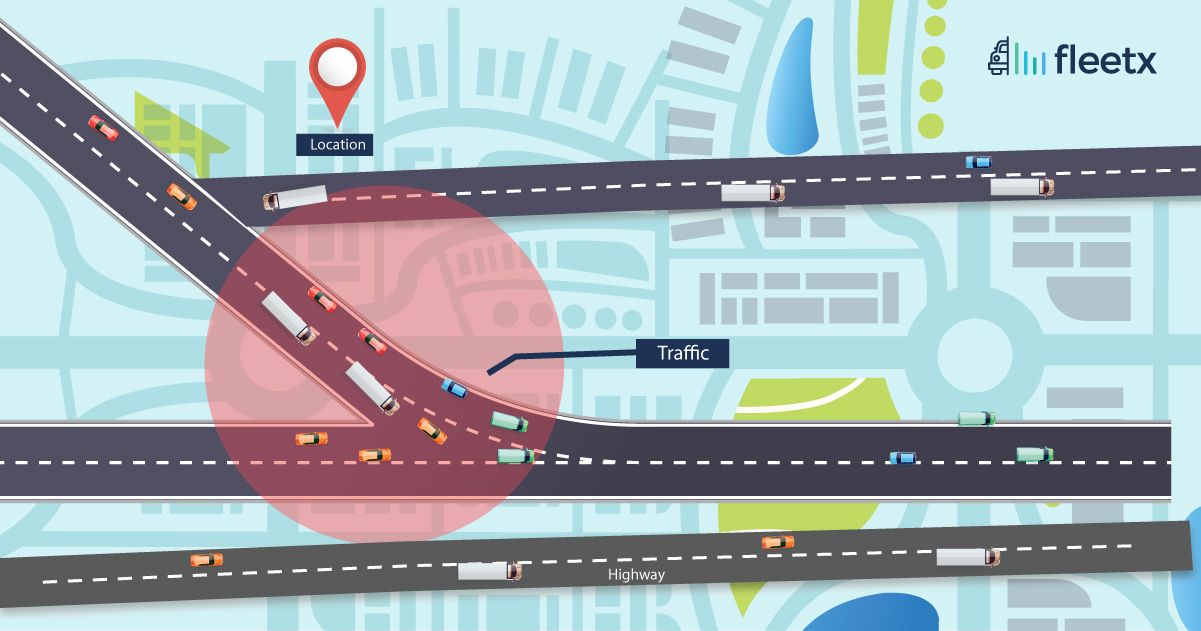
One of the major obstacles in any freight movement is that firms involved in transportation and logistics frequently operate on tight deadlines and don't have the luxury of spending hours in a traffic jam. Today, last mile delivery operations are responsible for up to 41% of all supply chain expenditures and 53% of all shipping costs. Poorly planned delivery routes are the primary cause of the majority of this expense. It obviously needs specialized software with more advanced features and capacities.
What is Route Optimization?
The practice of determining the best and most cost- effective path for delivery drivers is known as route optimization. Logistics organizations utilize the strategy of route optimization to create effective delivery routes, which is made possible by route planning software.
Route optimization is crucial to success because it enables companies to successfully execute orders while taking into account variables including driver schedules, total stops and delivery time. Route optimization is about finding a route that is effective and satisfying for all of the factors involved, not about finding the shortest or cheapest route.
Finding the optimum routes is a laborious procedure when done manually. There are literally millions of potential route options but manually it becomes tough. With route optimization software, you can quickly determine the most efficient routes.
Are route planning and route optimization the same?
The words "route planning" and "route optimization" are sometimes used interchangeably when discussing transportation and logistics. In fact, they are very different and each has a certain function in terms of routing.
Route planning can be also termed as route mapping or route sequencing and it is the procedure of using an existing order list to arrange the relevant destinations in a way that promotes efficiency and economy. Route planning can not account for the complexities of more dynamic routes and events that might affect a driver's shift.
Route optimization, on the other hand, helps businesses to improve business processes by enabling them to advance their route planning. From a commercial standpoint, route optimization enables a business to incorporate planning factors that they would typically employ to boost business efficiency.
Ways Software for route planning can increase effectiveness while reducing cost
Clearly defined delivery routes: In order for dispatchers and drivers to understand at a look where the different stops are, where to go and any adjustments that occur depending on real-time traffic circumstances, route planning software converts delivery routes into a visual map. This allows for real-time route planning, with adjustments being delivered to the relevant drivers immediately.
Avoid delivery delay while cutting cost: According to the research, a delivery route that is already planned may reduce your fuel and travel time by 20% to 40%. In addition to helping the fleet, effective truck use will reduce delivery times and save fuel costs.
Real Time tracking: Route planning provides real time tracking and proper visibility of the vehicle. You will get real - time driver updates, ETA’s and that will increase customer experience.
Key Factors That Influence Route Planning and Route Optimization Success
Choosing the right route is only one part of building an efficient transportation network. Businesses that consistently achieve lower logistics costs and higher on-time delivery rates typically evaluate multiple operational variables before dispatching vehicles. Modern route planning and route optimization software analyzes these variables simultaneously, enabling fleets to make data-driven decisions instead of relying on manual judgment.
Critical Factors That Affect Route Efficiency
The following parameters have a direct impact on route performance and delivery success:
- Traffic congestion patterns: Real-time and historical traffic data help avoid bottlenecks, especially in metropolitan regions like Delhi NCR, Mumbai, Bengaluru, and Pune.
- Vehicle capacity utilization: Assigning the right vehicle based on shipment size reduces unnecessary trips and improves fleet productivity.
- Driver availability and compliance: Driver shifts, mandatory rest periods, and route familiarity influence operational efficiency.
- Delivery time windows: Prioritizing deliveries based on customer commitments improves SLA compliance and customer satisfaction.
- Road restrictions: Heavy vehicle restrictions, toll routes, low bridges, and city entry timings must be considered while planning routes.
- Weather and seasonal disruptions: Heavy rainfall, road closures, and construction work can significantly impact delivery schedules.
- Fuel consumption patterns: Optimized routing minimizes idle time, unnecessary acceleration, and excessive mileage.
Why These Factors Matter
Ignoring even one of these variables can lead to:
- Increased fuel expenditure
- Higher vehicle operating costs
- Missed delivery commitments
- Longer turnaround times
- Poor fleet utilization
- Lower customer satisfaction
- Reduced driver productivity
Modern AI-powered route optimization software evaluates thousands of route combinations within seconds to identify the most efficient option based on operational priorities rather than simply selecting the shortest distance. This results in more predictable logistics operations and measurable cost savings over time.
Conclusion
Freight systems need to be expanded with different technologies in order to support logistical chains, save costs, and improve services for customers. Digitization may integrate the supply chain from the stage of demand forecasting to cargo distribution. Truck routing when combined with proper technological support and focused investment in software like route planning can make the delivery task much more efficient.
Along with the product quality, a logistics company's quick and efficient delivery method makes it the customer's first option. The need is met by the route planning software feature, which enables businesses to improve their shipping operations while maximizing resource efficiency and minimizing costs. The potential solutions provided by these technical, digital, and operational developments have the power to transform last-mile delivery.
Frequently Asked Questions on Route Planning and Route Optimization
How to choose route management software? ▼
While route optimization is increasingly becoming a need, it is equally important for organizations to choose the right route management software that aligns with their logistics operations and business goals. The best route management software should go beyond simple route mapping and provide intelligent planning, real-time visibility, and data-driven decision-making.
A reliable routing software solution should include a web-based platform that is accessible from anywhere, allowing dispatchers and fleet managers to plan, monitor, and modify routes remotely. It should generate multiple optimized route suggestions based on factors such as traffic conditions, delivery priorities, vehicle capacity, driver schedules, and customer time windows rather than simply choosing the shortest distance.
Businesses should also look for features such as:
- Real-time GPS tracking and live ETA updates.
- Geofencing and route deviation alerts.
- Automated dispatch planning.
- Integration with transport management systems (TMS) and ERP software.
- Analytics dashboards and customizable reporting.
- Historical route performance insights.
- Fuel consumption and trip cost analysis.
For logistics businesses operating across India, particularly in Delhi NCR, Gurgaon, Mumbai, Bengaluru, and Pune, selecting software that adapts to local traffic conditions and supports scalable fleet operations can significantly reduce transportation costs, improve on-time deliveries, and maximize fleet productivity.
Which is the best route planner app? ▼
The best route planner app is one that combines route planning, route optimization, real-time tracking, dispatch management, and analytics into a single platform. Businesses should look for a solution that not only creates efficient routes but also adapts dynamically to traffic conditions, delivery schedules, and operational changes throughout the day.
Fleetx Smart Route Planning Software enables businesses to choose the most efficient routes for their vehicles while providing customers with accurate real-time ETAs. Using intelligent route optimization, companies can automate delivery planning, reduce manual scheduling, improve vehicle utilization, and minimize fuel consumption.
Some of the key capabilities include:
- AI-powered route optimization.
- Live GPS tracking with route monitoring.
- Real-time ETA calculation and customer notifications.
- Automatic rerouting during traffic disruptions.
- Driver performance monitoring.
- Delivery tracking and proof of delivery.
- Comprehensive analytics for continuous route improvement.
Whether managing last-mile deliveries in Delhi, high-volume transportation in Mumbai, enterprise logistics in Bengaluru, or regional distribution in Pune and Gurgaon, Fleetx helps businesses improve route performance, increase delivery accuracy, reduce operational costs, and maximize ROI on every trip.
What is route planning in fleet management? ▼
Route planning in fleet management is the process of deciding the sequence of delivery stops, pickup points, driver assignments, vehicle movement, and travel paths before a trip begins. In simple terms, it answers the question: which vehicle should go where, in what order, and through which route? For logistics businesses in India, especially in high-density regions such as Delhi, Delhi NCR, Gurgaon, Mumbai, Bengaluru, and Pune, route planning is essential because road conditions, traffic patterns, customer delivery windows, loading delays, and fuel costs can vary significantly from one area to another.
A basic route plan may use distance, location, and order priority. However, modern route planning software goes further by using GPS tracking, live traffic inputs, driver availability, vehicle capacity, delivery time slots, and historical trip data. This helps fleet managers reduce manual planning errors, avoid unnecessary detours, and improve delivery reliability.
For businesses handling multiple daily deliveries, route planning can directly impact fuel expenses, driver productivity, vehicle utilization, and customer experience. In cities like Mumbai and Bengaluru, where congestion can delay even short-distance deliveries, digital route planning becomes more valuable than manual Excel-based planning. Companies looking for the best route planning system should choose software that supports real-time tracking, ETA sharing, dispatch visibility, and route performance reports.
What is route optimization and how is it different from route planning? ▼
Route optimization is the advanced process of finding the most efficient route by considering multiple real-world variables, not just distance. While route planning creates a route, route optimization improves that route to reduce fuel usage, travel time, driver idle time, delivery delays, and operational costs. This difference is important for fleet operators because the shortest route is not always the best route. A shorter road may have heavy traffic, toll delays, restricted truck entry, poor road conditions, or low delivery success probability.
Route planning generally focuses on sequencing stops and assigning trips. Route optimization, on the other hand, evaluates several factors together, including:
- Live traffic and congestion
- Vehicle type and carrying capacity
- Driver working hours
- Delivery priority and customer time windows
- Fuel consumption and toll costs
- Historical route performance
For example, a logistics company delivering across Delhi NCR may need different route strategies for Gurgaon, Noida, Faridabad, and central Delhi because traffic, entry restrictions, and customer density differ across each zone. Route optimization software helps fleet managers dynamically adjust plans and select the best route based on business goals. For high-volume logistics, FMCG, e-commerce, cold chain, and manufacturing fleets, route optimization is usually more valuable than simple route planning because it improves cost control and delivery performance at scale.
Which is the best route planning software for logistics companies in India? ▼
The best route planning software for logistics companies in India is one that can manage Indian road conditions, city-level congestion, long-haul trips, last-mile deliveries, driver coordination, and real-time visibility in one platform. Businesses operating in Delhi, Gurgaon, Mumbai, Bengaluru, Pune, Chennai, Hyderabad, and other logistics hubs should look for route planning software that supports both pre-trip planning and live route monitoring.
A strong route planning system should include automated route creation, real-time GPS tracking, live ETA updates, route deviation alerts, driver app support, geofencing, delivery status tracking, proof of delivery, analytics, and integration with transport management systems. For enterprise fleets, the software should also support multi-stop delivery planning, vehicle capacity mapping, trip-level cost visibility, and exception alerts.
Fleetx route planning software is useful for businesses that want to improve logistics visibility, reduce fuel wastage, and automate dispatch decisions. It helps fleet teams plan efficient routes, track trip progress, share accurate ETAs, and monitor delays in real time. This makes it suitable for transporters, manufacturers, distributors, e-commerce fleets, cold chain operators, and large businesses with daily vehicle movement.
When comparing the top route planning software in India, companies should not only check price. They should evaluate ROI, support quality, GPS accuracy, integration capability, reporting depth, and whether the platform can handle both local and intercity logistics operations.
How much does route planning software cost in India? ▼
The cost of route planning software in India depends on fleet size, number of vehicles, features required, GPS integration, analytics depth, support level, and whether the business needs only route planning or a complete transport management system. For small fleets, basic route planning tools may start from around ₹300 to ₹800 per vehicle per month. Mid-level software with GPS tracking, ETA sharing, route deviation alerts, and basic reporting can range from ₹800 to ₹1,500 per vehicle per month.
Enterprise-grade route optimization platforms with advanced analytics, API integrations, automated dispatch planning, control tower visibility, geofencing, multi-stop planning, and custom reports may cost ₹1,500 to ₹3,500+ per vehicle per month, depending on requirements. Some providers may also charge setup fees, hardware costs, training charges, or integration fees if the software connects with ERP, WMS, TMS, or order management systems.
For businesses in Delhi NCR, Gurgaon, Mumbai, Bengaluru, and Pune, pricing may also depend on the complexity of operations. A company managing dense last-mile delivery routes may need different features compared to a long-haul trucking fleet. The best way to evaluate cost is to compare the software price with measurable savings in fuel, driver productivity, vehicle utilization, delivery success rate, and customer experience.
A good route planning system should not be treated as only a monthly expense. It should be evaluated as an operational investment that can reduce recurring logistics costs and improve trip performance over time.
Why is route optimization important for logistics companies in Delhi NCR and Gurgaon? ▼
Route optimization is important for logistics companies in Delhi NCR and Gurgaon because these regions have high traffic density, frequent route diversions, toll points, industrial zones, delivery restrictions, and time-sensitive customer locations. A fleet moving between Gurgaon, Delhi, Noida, Ghaziabad, Faridabad, and Manesar may face different traffic patterns throughout the day. Manual route planning often fails to account for these changing conditions, which can lead to delayed deliveries, higher fuel costs, vehicle idling, and poor customer experience.
For example, a vehicle leaving Gurgaon for central Delhi may take longer during peak office hours, while a route through certain industrial or commercial areas may face entry restrictions for heavy vehicles. Route optimization software helps fleet managers select better routes by considering live traffic, trip priority, vehicle type, and delivery time windows. It also helps dispatch teams respond faster when there is a delay, route deviation, or unexpected stop.
For B2B logistics, FMCG distribution, e-commerce delivery, pharma transport, and manufacturing supply chains in Delhi NCR, route optimization can improve on-time delivery performance and reduce unnecessary kilometres. Businesses using the best route optimization software can also track route-level performance, compare planned vs actual trips, and identify areas where costs are increasing.
In a competitive logistics market like Delhi NCR and Gurgaon, faster deliveries, better visibility, and lower trip costs can become a strong business advantage.
How can route planning software reduce fuel costs for fleets in Mumbai, Bengaluru, and Pune? ▼
Route planning software can reduce fuel costs for fleets in Mumbai, Bengaluru, and Pune by helping vehicles avoid inefficient routes, excessive idling, unnecessary kilometres, repeated delivery attempts, and unplanned detours. These cities have heavy traffic congestion, mixed road conditions, high delivery density, and frequent delays during peak hours. Without digital route planning, drivers may choose familiar routes instead of the most efficient ones, which can increase fuel consumption and reduce daily delivery capacity.
A route planning system uses GPS data, delivery points, driver schedules, vehicle capacity, and traffic conditions to create better routes before the trip starts. Advanced route optimization software can also update routes during the trip if traffic or delays occur. This helps fleet managers reduce empty running, improve trip sequencing, and keep vehicles moving through more efficient paths.
For fleets in Mumbai, avoiding congested areas at the wrong time can save both fuel and driver hours. In Bengaluru, where traffic delays are common across key business corridors, route optimization helps improve ETA accuracy. In Pune, where logistics movement often connects industrial areas and urban delivery zones, route planning helps balance cost and service quality.
Even a small reduction in fuel usage per trip can create significant monthly savings for businesses running 20, 50, 100, or more vehicles. This is why many companies consider route planning software one of the top tools for reducing logistics costs in Indian cities.
What features should businesses look for in the top route optimization software? ▼
Businesses should choose route optimization software based on operational needs, fleet size, delivery complexity, and expected cost savings. The top route optimization software should not only create routes but also help logistics teams monitor execution, identify exceptions, and improve future planning. This is especially important for Indian fleets where traffic, delivery density, driver behaviour, road restrictions, and fuel costs can change quickly.
Important features to look for include automated route optimization, multi-stop route planning, real-time GPS tracking, live ETA calculation, route deviation alerts, geofencing, driver app support, delivery status updates, proof of delivery, vehicle capacity planning, and route performance analytics. For enterprise fleets, software should also support ERP or TMS integration, control tower dashboards, custom reports, and multi-location dispatch planning.
For businesses in Delhi NCR, Gurgaon, Mumbai, Bengaluru, and Pune, local performance matters. The software should handle city-level traffic conditions, delivery time windows, hub-to-customer movement, and return-trip planning. A good platform should also provide visibility into planned vs actual distance, trip delays, idle time, fuel usage, and delivery success rate.
The best route optimization software is the one that improves both planning and execution. It should help fleet managers answer practical questions such as which route is most efficient, where delays are happening, which drivers are deviating, and how much cost can be reduced per trip or per vehicle.
Is route optimization useful for small fleets or only for large logistics companies? ▼
Route optimization is useful for both small fleets and large logistics companies. Small businesses often assume that route optimization software is only needed when they have hundreds of vehicles, but even a fleet of 5, 10, or 20 vehicles can benefit from better route planning. If a business makes daily deliveries, manages multiple stops, faces customer delivery time windows, or wants to reduce fuel costs, route optimization can improve efficiency from the beginning.
For small fleets in India, the biggest benefits usually come from reducing manual planning, avoiding missed deliveries, improving driver accountability, and controlling fuel expenses. A distributor in Delhi, a local delivery company in Gurgaon, a retail supply chain in Mumbai, or a service fleet in Pune can use route planning software to organize trips more professionally and serve more customers per day.
Large logistics companies benefit at a different scale. They need route optimization to manage multi-city operations, high vehicle volume, route compliance, performance analytics, and integrated transport planning. For enterprise fleets, even a small percentage improvement in distance, fuel, or delivery time can create major cost savings.
The right software depends on fleet size and complexity. Small fleets may start with essential route planning and tracking features, while larger businesses may need advanced optimization, integrations, dashboards, and custom workflows. In both cases, route optimization helps create more predictable, measurable, and cost-efficient logistics operations.
How does route optimization improve customer experience in logistics and last-mile delivery? ▼
Route optimization improves customer experience by making deliveries faster, more predictable, and more transparent. In logistics and last-mile delivery, customers expect accurate ETAs, timely updates, fewer delays, and reliable delivery commitments. When routes are planned manually, delays are often discovered too late, and customers may receive inaccurate delivery timelines. Route optimization software solves this by helping businesses plan better routes and monitor live trip progress.
For customers in cities like Delhi, Gurgaon, Mumbai, Bengaluru, and Pune, delivery delays are common because of congestion, parking issues, restricted entry areas, and changing road conditions. A route optimization platform can calculate better delivery sequences, update ETAs, and alert dispatch teams when a vehicle is delayed or deviates from the planned route. This gives customer support teams and operations managers better control over communication.
For businesses, better customer experience also means fewer failed deliveries, fewer complaint calls, improved delivery success rates, and stronger trust. In B2B logistics, accurate delivery timing can be even more important because delays may affect warehouse unloading, production schedules, store replenishment, or customer commitments.
The best route planning and route optimization systems help companies move from reactive delivery management to proactive customer communication. By combining real-time tracking, ETA sharing, route alerts, and trip analytics, logistics teams can provide a more reliable delivery experience while also reducing operational costs.
Can route planning software integrate with GPS tracking and transport management systems? ▼
Yes, modern route planning software can integrate with GPS tracking systems, transport management systems, ERP platforms, order management tools, warehouse systems, and driver applications. This integration is important because route planning works best when it is connected with real-time operational data. Without integration, route plans may remain static and disconnected from actual vehicle movement, delivery status, driver activity, and customer updates.
When route planning software integrates with GPS tracking, fleet managers can compare planned routes with actual routes. They can identify deviations, delays, unauthorized stoppages, idle time, and missed delivery points. When integrated with a transport management system, the software can connect route planning with dispatch, trip creation, freight movement, delivery execution, billing, and performance reporting.
For logistics companies in India, especially those operating across Delhi NCR, Gurgaon, Mumbai, Bengaluru, Pune, and other major transport hubs, integration can significantly improve visibility. It helps teams avoid duplicate work, reduce manual calls to drivers, automate trip updates, and generate better route-level reports.
Businesses choosing the best route optimization software should ask whether the platform supports APIs, GPS device compatibility, mobile app tracking, ERP integration, and custom workflow support. Integrated route planning is more powerful than standalone route mapping because it connects planning, execution, monitoring, and analytics in one logistics ecosystem.