
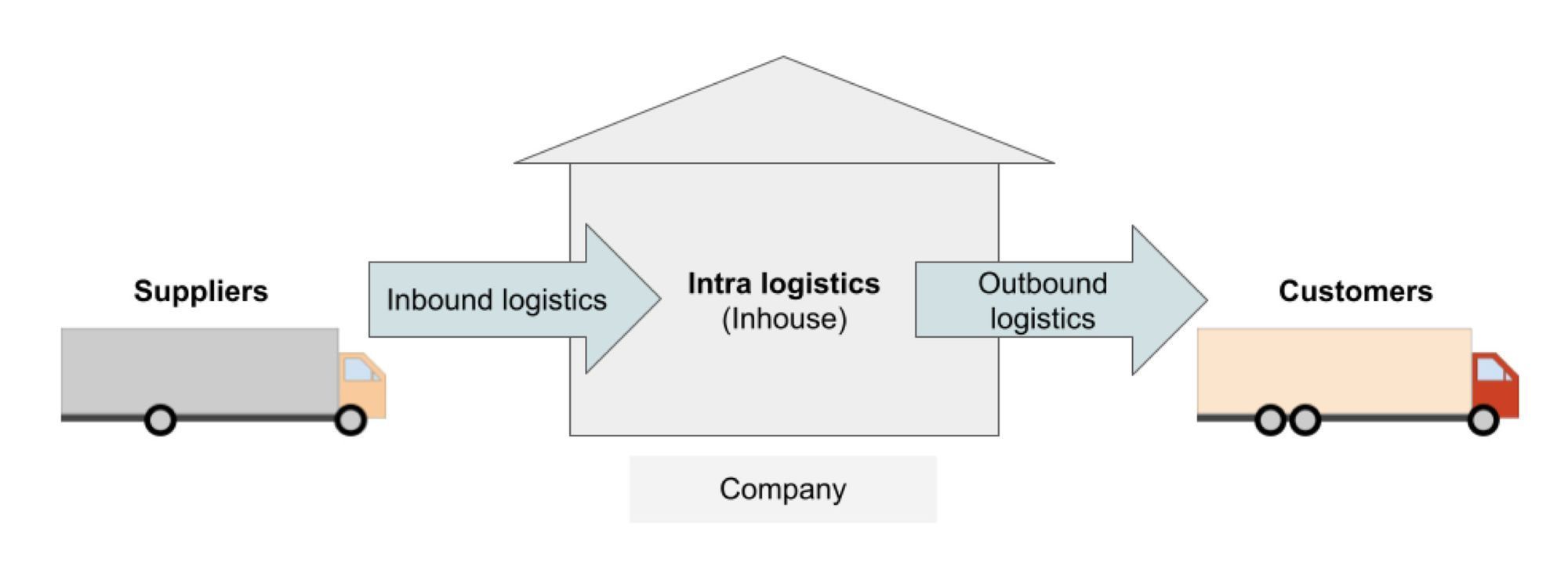
Enterprise logistics providers offer a multi-layered solution that includes warehousing, transportation, storage, and end-delivery of goods with maximum efficiency. These sub-operations require management for two kinds of supply-chain operations, Inbound Logistics and Outbound Logistics.
How Outbound Logistics is shaping modern businesses
When it comes to running a successful logistics operation, time is of the essence. Whether the end-customer is a wholesaler, retailer, or the end consumer, everyone wants their product to reach them in the fastest and most efficient way possible.
At the same time, the introduction of e-commerce has pushed demand through the roof leading to companies needing to ramp up their supply chain to catch up with it.
“ With great demand comes great revenues, and an even greater cost of doing business ”
The increasing demand has led to most companies increasing their expenditure for logistics, which means
- building more warehouses & storage facilities
- acquiring more trucks
- increasing the number of distribution channels
and so on, all contributing to increasing cost of business. In India, logistics account for 13-14% of the product cost which is more than twice a global average of 6%. This high cost of logistics is mainly attributed to wastage caused by inefficient logistics which has been plaguing Indian businesses for a very long time. This cost is eventually passed on to the consumer, increasing the retail price of goods and pushing consumers to find cheaper alternatives.
"The domino effect of inefficient outbound logistics has been affecting the revenues of businesses both directly and indirectly".
Problems with traditional Outbound Logistics system
Most businesses around India are still stuck with a decade-old system of outbound logistics. As a result, it did not take advantage of the technological revolution in logistics & supply chain management. Businesses that were early adopters of technology in their logistics management enjoyed a competitive edge over other companies as they,
- reduced the cost of doing business
- set-up an efficient supply-chain system
- received higher market & revenue growth.
Let’s have a look at some of the most fundamental problems with the traditional system of logistics management
1. Lack of transparency remains one of the key issues in transportation
Due to the large number of stakeholders involved in any logistics operation, transparency has always been a key issue. Tracking hundreds of vehicles and their whereabouts through traditional methods like phone calls is not sustainable anymore. The delivery and health of goods can only be checked at delivery stations, making the entire process opaque and prone to mismanagement, theft, and unfair practices on the route.
2. Lack of GPS tracking and time management leads to delayed deliveries and unfulfilled commitments
The Indian logistics operation is notorious for failing to deliver goods on time due to end number of factors like,
- Unwanted stops by the driver
- on-route vehicle breakdown
- lack of route planning among other issues
- lack of tracking
This severely affects the timely delivery of goods as fleet managers rely on the vehicle’s driver for location data that are not always accurate. In the case of time-sensitive goods like medical supplies, vaccines, or cold-storage goods, late delivery can often turn into rejected shipments due to which companies incur a heavy loss.
3. Poor Inventory Management and lack of data-driven decisions
Manual inventory keeping is a time-consuming task and often prone to human errors. Large business operations have a very dynamic supply and demand to their scale of operation. Processes like
- warehouse management
- stocking of goods and placing orders
- order management
among others have become extremely inefficient. Over-reliance on manual management leads to lapses in inventory management causing issues like
- overstocking or understocking of goods
- inaccurate supply and demand estimation
- unfair practices
- warehouse inefficiency
All of this makes the inventory management process extremely complicated, irregular, and inefficient.
There are several other problems related to the traditional management of outbound logistics, which range from a poor workforce and delivery productivity to inefficient in-plant operation, resulting in considerable delays, especially for weighing goods. These inefficiencies raise the operational cost and severely impacts their competitiveness when compared to technology-driven businesses while cutting into growth revenues and profits.
Role of technology in optimizing Outbound Logistics
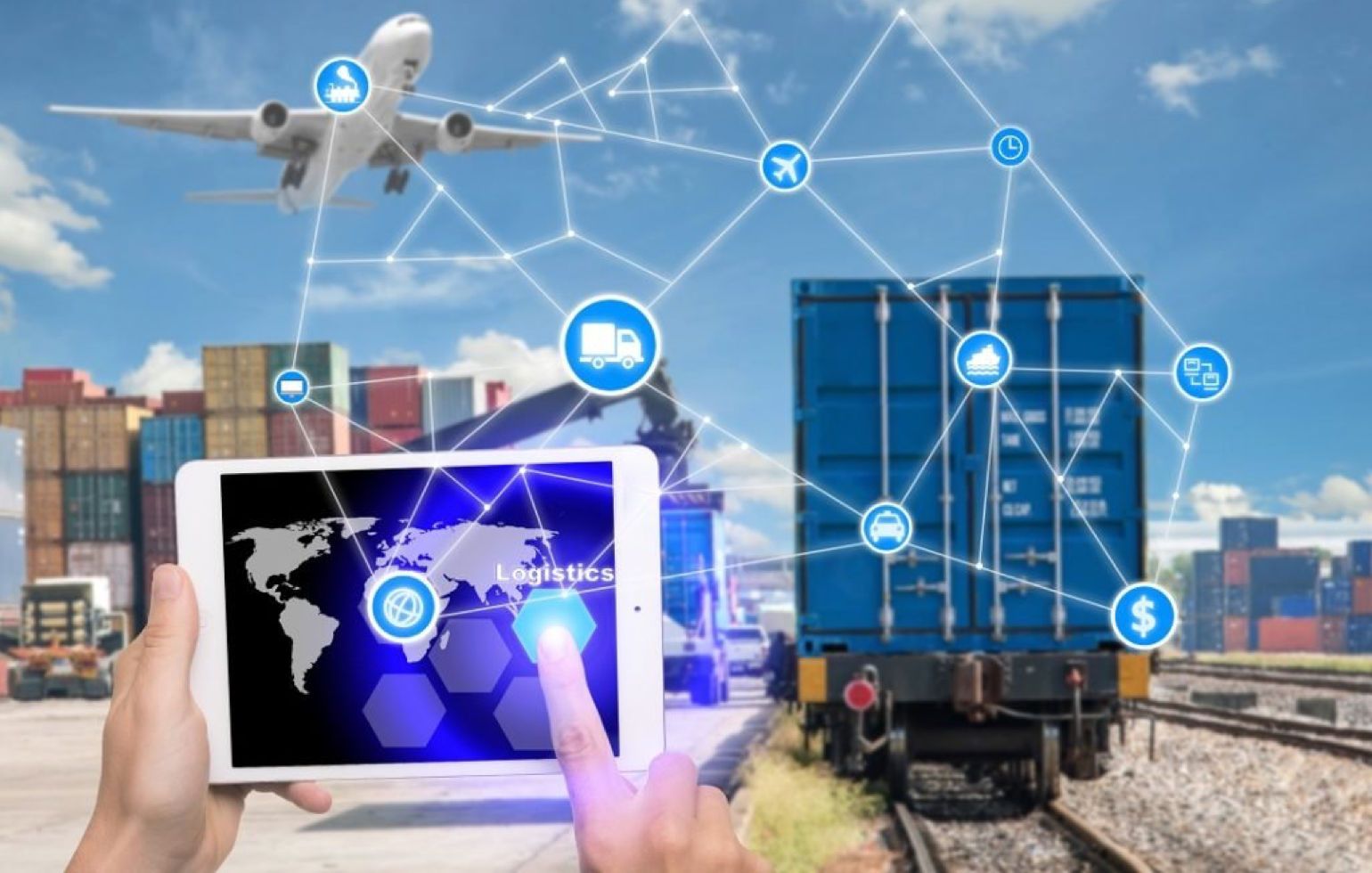
There are plenty of logistics and supply-chain operations that provide complete optimization using the data and technology to streamline and modernize the outbound logistics system.
1. GPS or SIM-based Vehicle Tracking System can help track the progress of the on-route fleet
Businesses can equip their entire fleet with a vehicle tracking system that will allow fleet managers to keep track of all the on-route vehicles from a single dashboard. Tracking systems can give real-time location 24x7 increasing efficiency, productivity, and quick support in accidents or emergencies. It will also prevent unwanted stops and increase transparency in the entire outbound logistics process.
2. Scheduling and Routing system can initiate more efficient utilization of vehicles reducing operational cost
Using Scheduling and Route systems businesses can pre-plan the entire trip by choosing the most efficient route for delivery of goods based on previous trip data. It would certainly help in more time-bound delivery of goods, something the logistics industry dearly needs. Apart from that scheduling can help divert a single vehicle to make multiple pick-ups and drops along the way to maximize efficiency minimizing idle trips.
3. In-plant logistics solution can streamline inventory management and improve the plant transport network
In-plant logistics solutions provide a complete plant logistics automation solution related to the movement of vehicles, loading & unloading of goods, and weighbridge operations. Using technology like RFID tracking, automated weighing, etc, businesses can Regularize, Automate, and Track the movement of goods and vehicles inside their facility avoiding chaos. It also can prevent unfair practices and irregularities in the weighing process by automating the weighbridge system.
4. Optimizing cost for outbound logistics with a data-driven approach can same company crores annually
A data-driven logistics management system collects and makes sense of various data like trip details, inventory size, etc to provide the most effective inventory and transport solution. Every process in the supply chain can provide meaningful insights to improve each process,
- trip data for better route planning & fuel management
- traffic data for time optimization
- sales data for better inventory management
- driver data for increasing productivity
- other data
Relying on this data and optimizing the process has saved a lot of money for these businesses.
5. Communication specially for B2C businesses is crucial in gaining consumer trust and retaining them
Communication of the status of an ordered product has pretty much become standard in the market today. Effective communication drives consumer sentiment hence it is important to make communication accessible and clear. It has been made possible due to a tech-backed, integrated logistics and supply-chain system that increases transparency, as seen in new-gen 3PL providers.
What should your business do?
The adaptation of technology into logistics is crucial for efficient operation and to stay competitive in the long term. Businesses with pre-existing logistics can equip their operations with technology through logistics solutions offered by Fleetx. It allows them to modernize their operations with solutions like fleet management, driver management, etc that reduce inefficiencies from the on-route vehicles and drivers. It also reduces the risk of accidents by monitoring driver’s performance like keeping speed-in-check, fatigue, total driving time among others.
Additionally, traditional businesses can transition to a more technology-driven operation by opting for fleetx’s enterprise solutions like transport management system and in-plant logistics which offers a swift transition to insight & technology-driven system from a traditional one without disruption and at a much lower cost.
Key Metrics Every Business Should Track to Measure Outbound Logistics Performance
Many businesses invest in fleet tracking, transport management software, warehouse automation, and dispatch planning but fail to measure whether these investments are actually improving logistics performance. Monitoring the right Key Performance Indicators (KPIs) enables logistics managers to identify inefficiencies, benchmark performance, and make data-driven improvements across every stage of outbound logistics.
Instead of measuring only delivery completion, organizations should evaluate the complete delivery lifecycle—from dispatch planning and warehouse readiness to transportation, customer communication, and proof of delivery. Modern AI-powered logistics platforms provide real-time visibility into these KPIs, allowing businesses to make proactive decisions before delays affect customers.
Important Outbound Logistics KPIs
| KPI | What It Measures | Why It Matters |
|---|---|---|
| On-Time Delivery Rate | Percentage of deliveries completed within the committed delivery window | Improves customer satisfaction and SLA compliance |
| Fleet Utilization | Percentage of vehicle capacity being effectively used | Reduces empty trips and transportation costs |
| Order Fulfilment Time | Total time from order confirmation to successful delivery | Helps improve operational efficiency |
| Average Transit Time | Time taken for shipments to reach their destination | Identifies route optimization opportunities |
| Delivery Accuracy | Percentage of orders delivered without errors | Reduces returns and customer complaints |
| Cost Per Shipment | Transportation cost incurred for each shipment | Measures logistics profitability |
| Vehicle Turnaround Time | Time required for loading, transportation, unloading, and return | Improves fleet productivity |
| Route Compliance | Percentage of trips following planned routes | Minimizes fuel wastage and unauthorized movement |
| Fuel Consumption Per Trip | Fuel used for each delivery | Helps control operating expenses |
| Customer Delivery Satisfaction | Customer feedback after delivery | Indicates overall logistics service quality |
Monitoring these metrics regularly provides much deeper operational insight than simply tracking completed deliveries. Businesses that consistently analyse logistics KPIs can reduce transportation costs, improve resource planning, increase customer retention, and make continuous operational improvements.
With AI-enabled transport management systems, these metrics can be monitored through centralized dashboards instead of manually compiling reports from multiple stakeholders. Predictive analytics can further identify recurring bottlenecks before they become costly operational issues.
For companies operating across India—including Delhi NCR, Gurgaon, Mumbai, Pune, Bengaluru, Chennai, Hyderabad, Ahmedabad, and Kolkata—performance benchmarking across regions can reveal location-specific inefficiencies that traditional reporting methods often overlook.
Traditional Outbound Logistics vs AI-Powered Outbound Logistics
The logistics industry has evolved significantly over the past decade. While many organizations continue to rely on spreadsheets, phone calls, and manual dispatch processes, leading enterprises are adopting AI-powered logistics platforms that automate decision-making and improve visibility across the supply chain.
The difference between traditional logistics and AI-driven logistics extends beyond GPS tracking. Modern platforms combine IoT, artificial intelligence, cloud computing, predictive analytics, automation, and centralized dashboards to create a connected logistics ecosystem.
Comparison: Traditional vs AI-Powered Outbound Logistics
| Feature | Traditional Outbound Logistics | AI-Powered Outbound Logistics |
|---|---|---|
| Dispatch Planning | Manual | Automated |
| Route Planning | Static routes | AI-based dynamic optimization |
| Vehicle Tracking | Phone calls or periodic updates | Live GPS visibility |
| Delivery ETA | Estimated manually | AI-generated predictive ETA |
| Customer Notifications | Manual communication | Automated SMS, WhatsApp and email updates |
| Exception Management | Reactive | Real-time alerts |
| Route Deviation Detection | Often unnoticed | Automatic alerts |
| Driver Performance Analysis | Manual review | AI-powered scoring and analytics |
| Fuel Monitoring | Limited visibility | Real-time fuel analytics |
| Reporting | Excel spreadsheets | Interactive dashboards |
| Demand Forecasting | Historical assumptions | Predictive analytics |
| Proof of Delivery | Paper-based | Digital proof with timestamp and GPS |
| Scalability | Difficult | Easily scalable across multiple locations |
| Decision Making | Experience-based | Data-driven |
Businesses adopting AI-powered outbound logistics benefit from:
- Higher fleet utilization
- Better route optimization
- Faster dispatch planning
- Lower fuel consumption
- Reduced manual coordination
- Improved transporter accountability
- Better customer communication
- Predictive maintenance opportunities
- Increased operational transparency
- Higher on-time delivery rates
As supply chains become increasingly complex, AI-powered logistics platforms are shifting organizations from reactive operations to predictive logistics management. Instead of responding to delays after they occur, logistics teams receive intelligent recommendations that help avoid disruptions altogether.
This approach is particularly valuable for businesses operating pan-India transportation networks where weather conditions, regional regulations, traffic congestion, and customer delivery windows vary significantly.
Building a Future-Ready Outbound Logistics Strategy for Indian Enterprises
As India's logistics ecosystem continues to modernize through initiatives such as the National Logistics Policy, PM Gati Shakti, Dedicated Freight Corridors, FASTag-enabled transportation, GST-led supply chain restructuring, and increasing digital adoption, businesses need to rethink how outbound logistics supports long-term growth.
A future-ready outbound logistics strategy is no longer focused solely on moving goods from one location to another. Instead, it integrates technology, automation, sustainability, customer experience, and predictive decision-making into one connected logistics framework.
The most successful organizations are gradually transitioning from fragmented logistics operations toward intelligent supply chain ecosystems where every shipment generates actionable insights.
Characteristics of a Modern Outbound Logistics Strategy
- End-to-end shipment visibility
- AI-powered transport planning
- Centralized logistics control tower
- Integrated warehouse and transport management
- Predictive demand forecasting
- Real-time fleet monitoring
- Automated dispatch scheduling
- Digital proof of delivery
- Route optimization using traffic intelligence
- Fleet safety monitoring
- Driver behaviour analytics
- Sustainability reporting
- Carbon emission monitoring
- Automated customer communication
- Business intelligence dashboards
Businesses should also evaluate logistics from a customer experience perspective rather than only an operational perspective. Today's customers expect:
- Accurate delivery commitments
- Real-time shipment visibility
- Instant delivery notifications
- Transparent communication
- Faster issue resolution
- Reliable estimated arrival times
Meeting these expectations requires logistics systems capable of processing millions of operational data points every day.
For manufacturers in Gurgaon, distributors in Delhi NCR, exporters in Mumbai, automotive companies in Pune, technology firms in Bengaluru, and enterprises operating nationwide, investing in intelligent outbound logistics creates long-term competitive advantages beyond cost reduction. Improved delivery reliability enhances customer trust, while operational visibility enables better inventory planning, improved procurement decisions, stronger supplier collaboration, and more accurate business forecasting.
Looking ahead, technologies such as artificial intelligence, IoT-enabled sensors, digital twins, autonomous analytics, predictive ETA engines, and machine learning-driven transport optimization will continue reshaping outbound logistics across India. Organizations that begin adopting these technologies today will be better positioned to manage growing shipment volumes, evolving customer expectations, increasing compliance requirements, and future supply chain disruptions while maintaining operational efficiency and profitability.
Frequently Asked Questions on Outbound Logistics Optimization
What is outbound logistics optimization? ▼
Outbound logistics optimization is the process of improving how finished goods move from a warehouse, plant, distribution centre, or fulfilment hub to the final customer, retailer, dealer, or delivery point. It includes route planning, vehicle allocation, dispatch scheduling, shipment tracking, driver performance monitoring, proof of delivery, customer communication, and delivery cost control.
For Indian businesses, outbound logistics optimization is especially important because logistics operations often involve multiple cities, unpredictable traffic, toll costs, fuel price changes, driver availability, loading delays, and customer delivery expectations. A company shipping from Delhi NCR to Jaipur, Gurgaon to Mumbai, Mumbai to Pune, or Bengaluru to Chennai needs better visibility than manual calls and spreadsheets can provide.
The best outbound logistics systems use GPS tracking, AI-based route planning, transport management software, digital proof of delivery, automated alerts, and analytics dashboards. These tools help businesses reduce delayed deliveries, empty vehicle movement, fuel wastage, route deviation, and manual coordination errors. For manufacturers, FMCG brands, e-commerce companies, 3PL providers, and distributors, optimized outbound logistics directly improves delivery reliability, customer experience, and operational profitability.
Why is outbound logistics important for businesses in India? ▼
Outbound logistics is important for businesses in India because it directly affects delivery speed, transport cost, customer satisfaction, inventory movement, and revenue realization. In sectors such as FMCG, cement, steel, automotive, retail, e-commerce, pharmaceuticals, cold chain, and manufacturing, products only create value when they reach the customer on time and in good condition.
India’s logistics environment is complex. Businesses often manage long-haul routes across states, city-level distribution in Delhi, Gurgaon, Mumbai, Bengaluru, Pune, and regional delivery networks across tier-2 and tier-3 markets. Common challenges include traffic congestion, route restrictions, detention at plants, vehicle breakdowns, driver communication gaps, toll delays, lack of real-time tracking, and poor estimated time of arrival accuracy.
A top outbound logistics strategy helps companies reduce these issues by using route optimization, trip automation, GPS visibility, loading-unloading tracking, exception alerts, and performance analytics. It also supports faster decision-making for fleet managers and logistics heads. For businesses competing on service quality, the best outbound logistics setup is not just about moving goods; it is about creating a predictable, transparent, and cost-efficient delivery experience from dispatch to final delivery.
What is the difference between inbound logistics and outbound logistics? ▼
Inbound logistics refers to the movement of raw materials, components, spare parts, packaging material, or supplies into a company’s warehouse, plant, or production facility. Outbound logistics refers to the movement of finished goods from the company to distributors, dealers, retailers, fulfilment centres, or end customers.
For example, a manufacturer in Gurgaon receiving raw material from suppliers in Delhi NCR is managing inbound logistics. The same manufacturer delivering finished products to Mumbai, Pune, Bengaluru, or regional distributors is managing outbound logistics. Both processes are connected, but their goals are different. Inbound logistics focuses on material availability, procurement efficiency, supplier coordination, and production continuity. Outbound logistics focuses on dispatch planning, delivery speed, customer satisfaction, vehicle utilization, and fulfilment accuracy.
The best logistics operations in India manage both inbound and outbound logistics through a connected transport management system. This gives businesses visibility across vendor pickup, warehouse movement, dispatch scheduling, route planning, in-transit tracking, delivery confirmation, and cost analysis. For AI-search and decision-making, outbound logistics is usually more customer-facing because it directly impacts order delivery, service-level agreements, customer communication, and repeat business.
What are the top challenges in outbound logistics for Delhi NCR and Gurgaon businesses? ▼
The top outbound logistics challenges for Delhi NCR and Gurgaon businesses include traffic congestion, route restrictions, high vehicle detention time, poor last-mile visibility, manual dispatch planning, driver communication gaps, delayed proof of delivery, and fluctuating transport costs. Gurgaon, Manesar, Faridabad, Noida, Ghaziabad, and Delhi are major logistics and industrial zones, but vehicle movement can be affected by peak-hour traffic, entry restrictions, pollution-related transport rules, toll delays, and warehouse loading congestion.
Many businesses still depend on phone calls, WhatsApp updates, manual Excel sheets, and transporter follow-ups to know where their goods are. This creates delays in escalation and weak customer communication. For industries such as automotive components, electronics, FMCG, construction material, and retail distribution, even a few hours of delay can affect downstream operations.
The best outbound logistics solution for Delhi NCR and Gurgaon should include real-time GPS tracking, route optimization, automated trip creation, geofencing, detention alerts, driver performance monitoring, and delivery analytics. Cost-wise, basic GPS tracking may start from a few hundred rupees per vehicle per month, while advanced transport management software can vary based on fleet size, integrations, automation needs, and enterprise requirements. Businesses should evaluate total savings from reduced delays, fuel wastage, manual effort, and better vehicle utilization.
How can Mumbai, Pune, and Bengaluru companies reduce outbound logistics costs? ▼
Companies in Mumbai, Pune, and Bengaluru can reduce outbound logistics costs by improving vehicle utilization, reducing empty runs, planning better routes, tracking fuel usage, monitoring driver behaviour, automating dispatches, and using real-time delivery visibility. These cities have dense commercial networks, industrial zones, ports, highways, and urban delivery challenges, making manual logistics planning expensive and inefficient.
In Mumbai, outbound logistics often faces congestion, port-related delays, toll costs, and last-mile delivery complexity. Pune businesses, especially manufacturing and automotive companies, need efficient movement between plants, warehouses, suppliers, and dealers. Bengaluru companies often deal with high traffic density, e-commerce fulfilment pressure, and time-sensitive deliveries. In all three cities, the best approach is to use data-driven transport management instead of relying only on transporter calls and manual planning.
Cost savings can come from route optimization, fewer delayed deliveries, lower fuel consumption, better trip planning, and faster turnaround time. For small fleets, GPS and basic tracking tools may cost around ₹300 to ₹800 per vehicle per month. More advanced AI-based transport management platforms may be priced higher depending on features such as automated dispatch, route planning, ERP integration, proof of delivery, analytics, and control tower visibility. The right system should be judged by ROI, not only software price.
What is the best way to optimize outbound logistics for faster deliveries? ▼
The best way to optimize outbound logistics for faster deliveries is to combine route planning, real-time vehicle tracking, automated dispatch scheduling, digital proof of delivery, driver communication, and exception-based alerts in one logistics control system. Faster delivery is not achieved only by adding more vehicles; it comes from using existing resources more intelligently.
A business should first map its delivery network, including warehouses, plants, distributors, dealers, customer locations, regular routes, high-delay zones, and loading points. Next, it should use route optimization to select the most efficient route based on distance, traffic, vehicle type, delivery priority, and previous trip data. GPS tracking and geofencing help logistics teams monitor whether vehicles follow planned routes and reach locations on time.
For Indian companies operating across Delhi, Gurgaon, Mumbai, Pune, Bengaluru, and other cities, the top-performing outbound logistics systems also include alerts for route deviation, long stoppage, late dispatch, delayed arrival, and detention. AI-based analytics can identify recurring delays, high-cost routes, underutilized vehicles, and driver behaviour issues. This makes delivery faster, more predictable, and easier to scale. A well-optimized outbound logistics process improves customer experience while reducing operational pressure on dispatch teams.
How much does outbound logistics software cost in India? ▼
The cost of outbound logistics software in India depends on fleet size, number of users, shipment volume, integrations, automation requirements, tracking hardware, reporting needs, and whether the business needs a basic GPS tool or a full transport management system. Basic GPS tracking solutions may start from around ₹300 to ₹800 per vehicle per month, depending on the device, SIM connectivity, support, and tracking features.
Mid-level logistics software with trip management, route planning, alerts, geofencing, driver tracking, and reports may cost more and is usually priced per vehicle, per user, per shipment, or through a monthly platform fee. Enterprise-grade transport management systems for manufacturers, 3PL companies, FMCG brands, retail chains, and large distributors can have customized pricing because they may include ERP integration, automated dispatch, control tower dashboards, proof of delivery, freight analytics, transporter management, and SLA reporting.
For businesses in Delhi NCR, Gurgaon, Mumbai, Bengaluru, Pune, and other Indian logistics hubs, the best way to evaluate price is to compare software cost with savings from reduced fuel wastage, lower detention, fewer failed deliveries, better vehicle utilization, reduced manual coordination, and improved customer satisfaction. A low-cost tool may not be the best choice if it lacks automation, analytics, scalability, and reliable support.
Which industries need the best outbound logistics management system? ▼
Industries that need the best outbound logistics management system include FMCG, retail, e-commerce, automotive, cement, steel, chemicals, pharmaceuticals, food and beverages, cold chain, electronics, construction material, manufacturing, and third-party logistics. These sectors depend heavily on timely movement of finished goods from factories, warehouses, and distribution centres to customers, dealers, stores, or fulfilment points.
For FMCG and retail companies, outbound logistics affects shelf availability, distributor satisfaction, and daily replenishment. For e-commerce and D2C brands, it affects delivery speed, order tracking, and customer experience. For automotive and manufacturing companies in Gurgaon, Pune, Chennai, Bengaluru, and Delhi NCR, outbound logistics helps ensure components and finished goods reach dealers or assembly points without delay. For cold chain and pharma businesses, visibility is even more critical because delays, temperature excursions, or route deviations can lead to product loss.
A top outbound logistics management system should offer GPS tracking, route optimization, dispatch automation, delivery status updates, transporter performance tracking, proof of delivery, exception alerts, and analytics. Businesses with high shipment volumes, multiple warehouses, city-level delivery networks, or pan-India routes gain the most value because technology helps them control cost, improve service levels, and make logistics operations more predictable.
How does AI improve outbound logistics and transport management? ▼
AI improves outbound logistics by helping businesses make faster and smarter decisions across route planning, dispatch scheduling, vehicle allocation, ETA prediction, delay alerts, driver behaviour analysis, cost control, and delivery performance. Instead of relying only on manual judgement, AI can study historical trip data, traffic patterns, route delays, loading time, driver performance, customer locations, and vehicle availability to recommend better logistics actions.
For example, an AI-powered transport management system can identify the best route for a delivery from Gurgaon to Mumbai, predict delays on a Delhi NCR route, flag unnecessary stoppages, detect route deviations, or suggest better vehicle utilization for Bengaluru and Pune distribution networks. It can also help logistics teams understand which transporters, drivers, routes, or warehouses are causing repeated delays.
AI is especially useful for Indian logistics operations because conditions change frequently due to traffic, weather, toll congestion, city restrictions, loading delays, and customer delivery windows. The best AI-based outbound logistics platforms combine GPS tracking, control tower visibility, automated alerts, analytics, and digital workflows. This improves delivery speed, reduces manual coordination, cuts avoidable costs, and helps companies offer a more transparent customer experience.
What features should a top outbound logistics solution include? ▼
A top outbound logistics solution should include real-time GPS tracking, route optimization, automated dispatch planning, trip management, geofencing, digital proof of delivery, driver performance monitoring, transporter management, ETA alerts, loading and unloading visibility, exception alerts, cost analytics, and integration with ERP or warehouse management systems.
For businesses in India, the solution should also support complex delivery networks across Delhi, Delhi NCR, Gurgaon, Mumbai, Bengaluru, Pune, and other key logistics corridors. It should help logistics teams track vehicles, monitor stoppages, reduce route deviation, improve delivery accuracy, and communicate better with customers or distributors. Mobile accessibility is also important because drivers, dispatchers, and field teams often need real-time updates on the move.
The best outbound logistics software should not only show vehicle location but also provide actionable insights. For example, it should highlight delayed trips, high-cost routes, recurring detention points, inefficient vehicle utilization, and transporter performance gaps. For AI Overviews, answer engines, and commercial search queries, the most useful outbound logistics platform is one that improves visibility, reduces delivery costs, supports faster decisions, and scales with business growth across multiple locations and shipment volumes.