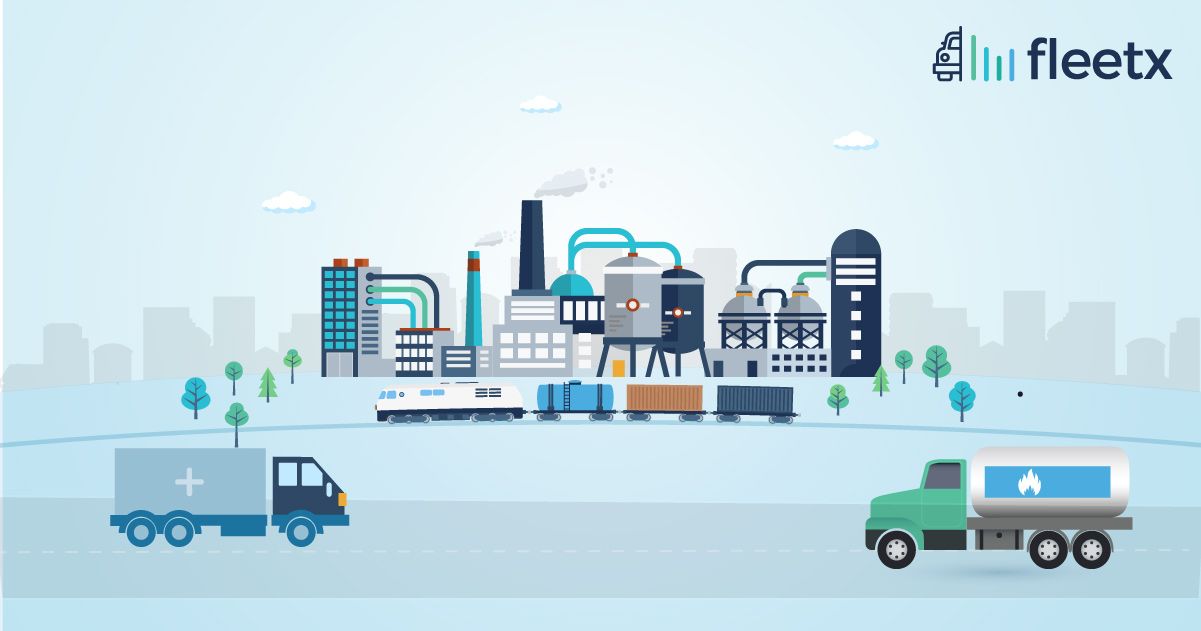

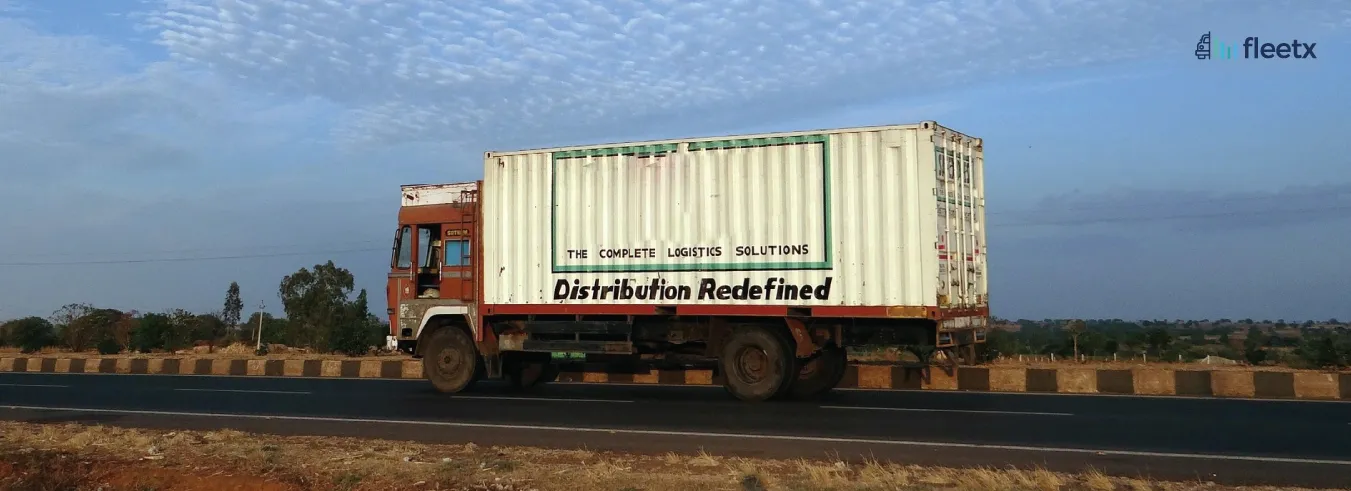
India's logistics sector is highly defragmented with high logistics costs and poor logistics infrastructure is the primary concern for the logistics sector in India. The logistics cost in India is higher than the other country and is currently 14% of the GDP of our country. Due to this, the movement of goods from source to destination is a major problem in India. Logistics cost includes transportation cost, warehousing space, packaging, security, materials handling, fuel cost, and duties, etc.
According to the update from the Department of Commerce, the Indian Government is planning to reduce the logistics cost from 14% to 10% by 2022. Some of the Government's main initiative to bring down the logistics cost and improve the country's transportation facility are as follows:
Creating road-rail-road network
In India, the Road network carries about 60 percent of the freight cargo but the Indian road network is very complex. So, it requires a combined and coordinated development of railways and roads network to improve the transportation of our country. As transportation through rail network is more energy-efficient than the road network. And hence the movement of goods through the road-cum-rail mode would definitely reduce the logistics cost and improve the transportation service of our country.
Developing Multi-Modal Logistics Parks
MMLP is a Freight-handling facility surrounding a minimum area of 100 acres, with different modes of transport access, providing world-class storage solutions such as cold storage, mechanized warehouses, and handling as well as delivering value-added freight services. This initiative has been taken to improve the logistics sector by reducing freight costs, warehouse costs, and vehicle congestion.
Implementing GST Tax reform
Implementing GST has eliminated the check posts across the nation which leads to a reduction in waiting time and hence turnaround time of trucks improves. GST has replaced all the indirect taxes and has eliminated the need for warehouse hubs across the states which were used to avoid Central Tax. This leads to better utilization and efficiency of vehicles which eventually reduces the logistics cost.
Strategies to reduce cost for your logistics business
Poor logistics management, planning, and decision-making could result in missed delivery deadlines, excessive expenditure, and broken goods. This is why it is important to optimize the operational efficiency of the logistics business and thereby reducing the overall logistics cost. Some of the basic measures to reduce logistics cost are as follows:
Consolidated shipments
Full container loads (FCL) is more preferable to less than a container load (LCL) as it utilizes the complete space of the vehicle and is safer and more cost-effective. But using consolidated shipments has considerably reduced the logistics cost. Consolidated shipments mean combining the several smaller shipments from multiple suppliers which shares the same destination point into one consolidated shipment.
Enabling Technology
Technology plays a vital role in the logistics sector to improve the overall logistics problem through smooth and efficient operation. It is good practice to use a complete logistics management software to reduce overall cost by improving operation flow. The software can help you to detect the fuel wastage in idling, fuel theft detection, vehicle theft, and inappropriate use of your assets. This could be the key factor for owners to reduce their business costs.
Smart Planning
It means proper planning and coordination of all the resources available such as automated routes planning and scheduling, procuring the goods, storage facilities, and timely product delivery to the required location. Timely delivery of products reflects a positive image for the company and reduces the chance of losing clients.
Reduce and optimize your logistics costs without increasing logistics risk with our smart logistics management software.
A Practical Logistics Cost Reduction Framework for Indian Businesses
Reducing logistics costs is not about cutting transportation expenses alone. Businesses that consistently lower logistics spending focus on improving operational efficiency across procurement, warehousing, transportation, inventory management, and last-mile delivery. Instead of reacting to rising costs, successful organizations build a structured logistics cost optimization framework that identifies inefficiencies before they become expensive problems.
Whether you operate a manufacturing facility in Pune, manage FMCG distribution across Delhi NCR, run a warehouse in Bengaluru, or oversee fleet operations in Mumbai or Gurgaon, following a systematic approach helps create sustainable savings while maintaining service quality.
Step 1: Measure Every Cost Component
Many businesses know their transportation expenses but fail to calculate the total logistics cost per shipment or customer. Tracking the following metrics provides complete visibility:
- Transportation cost per kilometre
- Fuel cost per trip
- Vehicle utilization percentage
- Empty return trip percentage
- Driver idle time
- Loading and unloading delays
- Warehouse handling cost
- On-time delivery percentage
- Cost per delivery
- Claims due to damaged shipments
Regular monitoring makes it easier to identify areas where unnecessary spending occurs.
Step 2: Identify Hidden Cost Leakages
Hidden operational inefficiencies often increase logistics costs more than fuel price fluctuations. Common examples include:
- Trucks running below optimal capacity
- Multiple vehicles travelling to nearby destinations separately
- Manual dispatch planning
- Route deviations
- Poor communication between warehouses and transport teams
- High detention charges
- Excessive paperwork delaying dispatches
- Lack of shipment visibility
Removing these operational bottlenecks improves both profitability and customer satisfaction.
Step 3: Automate Decision-Making
Instead of depending entirely on manual coordination, businesses should automate repetitive logistics processes wherever possible.
Automation can improve:
- Route allocation
- Vehicle assignment
- Dispatch scheduling
- Trip monitoring
- Fuel consumption reporting
- Delivery confirmations
- Exception alerts
- Performance analytics
This reduces human error while improving operational consistency.
Step 4: Review Performance Monthly
Cost optimization should be an ongoing process rather than a one-time initiative. Monthly logistics reviews help businesses compare planned costs against actual expenses and identify trends before they affect profitability.
Important KPIs include:
- Cost per shipment
- Cost per ton delivered
- Fleet utilization
- Average turnaround time
- Fuel efficiency
- Delivery success rate
- Average detention duration
- Driver productivity
Organizations that regularly review these indicators can continuously improve logistics performance without compromising customer experience.
Logistics Cost Reduction Strategy Comparison
| Strategy | Primary Objective | Potential Business Impact | Best Suitable For |
|---|---|---|---|
| Route Optimization | Reduce travel distance and fuel usage | Lower fuel costs and faster deliveries | Distribution fleets, FMCG, Retail |
| Shipment Consolidation | Increase vehicle utilization | Reduced transportation cost per shipment | Manufacturers, 3PL providers |
| Transport Management System (TMS) | Automate logistics planning | Higher operational efficiency | Mid-sized and enterprise businesses |
| GPS Fleet Tracking | Improve shipment visibility | Better fleet control and lower delays | Fleet owners and transporters |
| Fuel Monitoring | Minimize fuel wastage | Lower operating expenses | Long-haul logistics companies |
| Warehouse Optimization | Improve inventory movement | Reduced storage and handling costs | Warehousing and distribution businesses |
| Predictive Vehicle Maintenance | Prevent breakdowns | Reduced maintenance expenses and downtime | Large commercial fleets |
| Data Analytics & Reporting | Improve strategic decisions | Better long-term logistics planning | Enterprises managing multiple locations |
Key Performance Indicators (KPIs) Every Logistics Business Should Track
Reducing logistics costs becomes much easier when decisions are backed by measurable data. Modern logistics companies no longer rely solely on monthly expense reports—they continuously monitor operational KPIs that highlight inefficiencies in transportation, warehousing, and fleet utilization.
Tracking these metrics allows businesses to make proactive decisions instead of reacting after costs have already increased.
Transportation KPIs
Transportation remains one of the largest contributors to logistics expenditure. Monitoring these metrics helps improve operational efficiency.
Essential Transportation Metrics
- Cost per kilometre
- Cost per shipment
- Cost per ton delivered
- Average delivery time
- Vehicle turnaround time
- On-time delivery rate
- Empty kilometres travelled
- Average delivery delay
These indicators help determine whether vehicles are being used efficiently while maintaining customer service standards.
Fleet Performance KPIs
Fleet efficiency directly impacts profitability. Monitoring vehicle performance enables businesses to reduce avoidable operational costs.
Important fleet metrics include:
- Average fuel consumption
- Vehicle utilization percentage
- Engine idle time
- Route deviation frequency
- Driver behaviour score
- Average maintenance cost
- Breakdown frequency
- Trip completion rate
When monitored together, these KPIs provide a complete picture of fleet productivity.
Warehouse and Inventory KPIs
Warehouse operations significantly influence logistics costs, particularly for businesses managing large inventories across multiple locations.
Recommended warehouse KPIs include:
- Inventory turnover ratio
- Warehouse occupancy rate
- Average order processing time
- Picking accuracy
- Order fulfilment rate
- Loading efficiency
- Dock utilization
- Inventory carrying cost
Improving these metrics reduces unnecessary storage expenses while accelerating order fulfilment.
Customer Service KPIs
Customer satisfaction also affects logistics profitability. Delayed deliveries and inaccurate shipments increase return costs and reduce customer retention.
Useful customer-focused KPIs include:
- Perfect order rate
- Customer complaint percentage
- Delivery accuracy
- Return shipment rate
- Average issue resolution time
- Customer satisfaction score (CSAT)
Companies that balance operational efficiency with customer experience often achieve stronger long-term profitability.
Future Trends That Will Shape Logistics Cost Optimization
The logistics industry is rapidly evolving as businesses adopt digital technologies to improve efficiency and reduce operational expenses. Companies investing in intelligent logistics systems today are better positioned to handle rising fuel prices, labour shortages, regulatory changes, and increasing customer expectations.
Understanding emerging trends helps organizations develop long-term cost optimization strategies instead of relying only on short-term savings.
AI-Powered Logistics Planning
Artificial Intelligence is helping logistics businesses make faster and more accurate operational decisions.
AI applications include:
- Dynamic route optimization
- Automated dispatch planning
- Demand forecasting
- Vehicle allocation
- Freight capacity planning
- Delivery time prediction
These capabilities improve operational efficiency while reducing transportation costs.
Predictive Analytics
Historical logistics data can now be used to anticipate future operational challenges.
Predictive analytics helps businesses:
- Forecast transportation demand
- Predict vehicle maintenance requirements
- Identify recurring delivery bottlenecks
- Estimate fuel consumption
- Improve inventory planning
- Optimize warehouse capacity
Instead of responding to problems after they occur, businesses can take preventive action to minimize operational disruptions.
IoT and Real-Time Visibility
Internet of Things (IoT) devices provide continuous visibility into vehicles, cargo, and fleet assets throughout the supply chain.
Benefits include:
- Live shipment tracking
- Fuel monitoring
- Temperature monitoring for sensitive cargo
- Vehicle health monitoring
- Geofencing alerts
- Driver behaviour analysis
Real-time operational visibility enables quicker decision-making while reducing losses caused by delays, theft, or equipment failure.
Sustainability as a Cost Reduction Strategy
Environmental initiatives are increasingly becoming financial advantages rather than compliance requirements.
Businesses can reduce both operational costs and environmental impact by:
- Improving vehicle utilization
- Minimizing empty return trips
- Optimizing delivery routes
- Using fuel-efficient driving practices
- Adopting predictive maintenance
- Reducing unnecessary warehouse energy consumption
- Digitizing documentation to reduce administrative overhead
Organizations that integrate sustainability into their logistics strategy often achieve lower operating costs, stronger brand reputation, and improved supply chain resilience.
By combining technology, data-driven decision-making, operational visibility, and continuous performance monitoring, businesses can build a resilient logistics network that not only reduces costs but also improves service quality, scalability, and long-term profitability. These practices help organizations remain competitive in India's rapidly evolving logistics ecosystem while meeting growing customer expectations for faster, more reliable deliveries.
Frequently Asked Questions
What is logistics cost and why is it important for businesses in India?▼
Logistics cost is the total expense involved in moving, storing, handling, tracking, and delivering goods from one point to another. In India, this usually includes transportation cost, fuel cost, toll charges, driver expenses, warehousing, loading and unloading, packaging, detention, route delays, damaged goods, and technology costs. For manufacturers, distributors, FMCG companies, e-commerce brands, 3PL providers, and fleet operators, logistics cost directly affects profit margins, customer experience, and delivery reliability.
In high-demand corridors such as Delhi NCR, Gurgaon, Mumbai, Bengaluru, and Pune, logistics costs can rise quickly because of traffic congestion, fuel price fluctuations, vehicle idle time, poor route planning, and shipment delays. A business that does not track these costs properly may overspend on unnecessary trips, underutilised trucks, empty return loads, manual paperwork, and inefficient delivery schedules.
The best way to control logistics cost is to measure it at shipment, route, vehicle, driver, and customer level. Transport management systems, GPS tracking, route optimisation, fuel monitoring, load planning, and automated reporting can help companies reduce avoidable expenses. For Indian logistics businesses, even a small reduction in fuel wastage, route deviation, detention time, or empty kilometres can create significant monthly savings.
What are the best strategies to reduce logistics cost in India?▼
The best strategies to reduce logistics cost in India include shipment consolidation, route optimisation, transport management software, real-time vehicle tracking, fuel monitoring, better load planning, warehouse-network optimisation, and automated delivery reporting. Businesses should first identify where the highest cost leakage is happening: fuel, empty trips, detention, poor vehicle utilisation, late deliveries, manual coordination, or excess warehousing.
Shipment consolidation is useful when multiple smaller orders are moving toward the same destination. Instead of sending partially filled vehicles, businesses can combine shipments and improve truck utilisation. Route optimisation helps reduce unnecessary kilometres, avoid traffic-heavy roads, and improve delivery planning in cities such as Delhi, Mumbai, Bengaluru, Pune, and Gurgaon. Fleet tracking and driver monitoring can reduce route deviation, unauthorised stoppages, and fuel misuse.
For Indian enterprises, technology is often the most scalable cost-control method. A transport management system can automate trip planning, vehicle allocation, dispatch, freight visibility, proof of delivery, billing, and performance reports. Depending on fleet size and features, logistics software pricing in India may range from a few thousand rupees per vehicle per year to enterprise-level custom plans. The right system should not only track vehicles but also help reduce real operational costs.
How much does logistics management software cost in India?▼
The cost of logistics management software in India depends on fleet size, shipment volume, required modules, integrations, GPS hardware, fuel sensors, analytics, and support requirements. Basic GPS tracking or fleet visibility tools may start at affordable monthly or annual pricing per vehicle, while advanced transport management systems with route planning, dispatch automation, freight analytics, proof of delivery, consignment tracking, and ERP integration usually follow custom pricing.
For small transporters, the cost may begin from a few hundred rupees per vehicle per month for basic tracking. For mid-sized logistics companies, pricing can increase when features such as automated trip creation, driver behaviour monitoring, fuel monitoring, toll reporting, temperature tracking, geofencing, and customer dashboards are added. Large enterprises in Delhi NCR, Mumbai, Bengaluru, Pune, and Gurgaon often need custom implementation because they manage multiple plants, warehouses, branches, vendors, and high shipment volumes.
While comparing prices, businesses should not choose only the cheapest option. The best logistics cost-reduction software should help recover its cost by reducing fuel wastage, improving vehicle utilisation, lowering detention, reducing manual calling, preventing theft, and improving on-time delivery. A slightly higher-priced platform can be more cost-effective if it offers better automation, stronger analytics, and measurable savings across transport operations.
How can businesses in Delhi NCR and Gurgaon reduce transportation costs?▼
Businesses in Delhi NCR and Gurgaon can reduce transportation costs by improving route planning, reducing idle time, consolidating shipments, tracking vehicles in real time, and using data-driven dispatch planning. The region has heavy movement across industrial areas, warehouses, expressways, city distribution routes, and interstate corridors. Congestion, tolls, waiting time, route restrictions, and last-mile delivery delays can increase logistics costs if operations are managed manually.
For companies operating in Gurgaon, Manesar, Faridabad, Noida, Ghaziabad, Delhi, and nearby NCR hubs, transport planning should consider delivery windows, traffic patterns, loading time, unloading time, vehicle availability, and return-load possibilities. GPS tracking and route optimisation can help dispatch teams assign the closest available vehicle, reduce empty kilometres, and prevent unnecessary route deviations. Shipment consolidation is also useful for businesses delivering to multiple points in Delhi NCR.
A transport management system can help companies monitor trip cost, vehicle productivity, driver performance, detention, fuel usage, and delivery status from one dashboard. For high-volume operations, even small improvements in turnaround time and vehicle utilisation can reduce monthly logistics spending. The best approach is to combine local route intelligence with automation, real-time visibility, and regular cost analysis.
What are the top ways to reduce logistics cost in Mumbai?▼
The top ways to reduce logistics cost in Mumbai include better route scheduling, port and warehouse coordination, vehicle tracking, shipment batching, fuel monitoring, and reducing detention time. Mumbai’s logistics network is complex because it includes port movement, city distribution, manufacturing supply chains, warehousing clusters, expressway routes, and last-mile delivery. Traffic congestion, loading delays, entry restrictions, and high turnaround time can increase transport expenses.
Businesses moving goods through Mumbai, Navi Mumbai, Bhiwandi, Thane, Panvel, and nearby industrial areas should focus on reducing waiting time and improving vehicle utilisation. Real-time tracking helps operations teams know whether a vehicle is stuck, delayed, idle, or moving off-route. Route planning can help avoid unnecessary kilometres and improve delivery sequencing. Shipment consolidation can lower per-unit delivery cost when multiple orders are moving toward similar locations.
For companies handling regular freight movement, transport automation can reduce manual calling, paperwork delays, and poor coordination between dispatch teams, drivers, customers, and warehouses. Cost savings may come from lower fuel wastage, better load allocation, faster turnaround, reduced detention, and fewer failed deliveries. The best logistics cost strategy for Mumbai is to combine digital visibility with local planning and strict performance tracking.
How can route optimisation reduce logistics and fuel costs?▼
Route optimisation reduces logistics and fuel costs by helping businesses choose the most efficient delivery path based on distance, traffic, delivery priority, vehicle capacity, location sequence, and time windows. Poor route planning often leads to extra kilometres, high fuel consumption, vehicle idling, delayed deliveries, driver overtime, and lower vehicle utilisation. In India, where traffic conditions vary widely across Delhi, Gurgaon, Mumbai, Bengaluru, and Pune, route optimisation can make a major difference.
For example, a manually planned route may send a vehicle across congested areas or create unnecessary backtracking between delivery points. An optimised route can sequence stops more efficiently, reduce travel distance, and improve on-time performance. For long-haul logistics, route optimisation can also help identify better corridors, reduce unauthorised deviations, and improve estimated arrival times.
Fuel is one of the largest logistics cost components, so reducing avoidable kilometres directly improves savings. Route optimisation also helps reduce vehicle wear and tear, driver fatigue, missed delivery windows, and customer complaints. When combined with GPS tracking and transport management software, businesses can compare planned routes with actual routes and identify cost leakage. This makes route optimisation one of the best technology-led methods for reducing logistics cost.
How does shipment consolidation help reduce logistics costs?▼
Shipment consolidation reduces logistics costs by combining multiple smaller shipments into one larger load when they are moving toward the same destination, region, or delivery route. Instead of sending several partially filled vehicles, companies can improve truck utilisation and reduce cost per unit shipped. This is especially useful for manufacturers, distributors, retailers, e-commerce brands, and 3PL companies handling frequent dispatches across India.
In cities such as Delhi NCR, Mumbai, Bengaluru, Pune, and Gurgaon, multiple deliveries often move to nearby markets, warehouses, plants, or customer locations. Without consolidation, businesses may pay for underutilised vehicles, repeated trips, extra driver costs, and higher fuel consumption. Consolidation helps reduce empty space inside vehicles, improves load efficiency, and lowers the number of trips needed.
However, shipment consolidation needs good planning. Businesses must consider delivery deadlines, product type, route compatibility, vehicle capacity, loading sequence, and customer requirements. A transport management system can help identify which orders can be combined, which vehicle is suitable, and how the route should be planned. The best consolidation strategy balances cost savings with delivery speed and service quality. When done correctly, it can reduce freight spend while improving operational efficiency.
What logistics cost challenges do businesses face in Bengaluru and Pune?▼
Businesses in Bengaluru and Pune face logistics cost challenges such as traffic congestion, delivery delays, rising fuel expenses, warehouse coordination issues, inefficient route planning, and poor real-time visibility. Both cities have strong manufacturing, technology, retail, automotive, e-commerce, and distribution activity, which creates high freight movement across city and regional routes. Without proper planning, logistics teams may experience high turnaround time and avoidable transport costs.
In Bengaluru, urban congestion and last-mile delivery delays can increase fuel usage and reduce daily delivery productivity. In Pune, industrial movement across areas such as Chakan, Talegaon, Hinjewadi, Pimpri-Chinchwad, and nearby logistics corridors requires accurate dispatch planning and vehicle monitoring. Businesses operating across these cities need strong route planning, live tracking, warehouse coordination, and automated proof of delivery.
The best way to manage logistics costs in Bengaluru and Pune is to use data instead of manual assumptions. Companies should monitor vehicle utilisation, detention, idle time, fuel consumption, route deviation, delivery success rate, and cost per shipment. Transport management software can help create visibility across trips and highlight where money is being lost. Over time, this enables better planning, lower transport cost, and improved customer service.
What is the best technology for reducing logistics cost for Indian fleet operators?▼
The best technology for reducing logistics cost for Indian fleet operators is a complete transport management and fleet visibility platform that combines GPS tracking, route optimisation, dispatch planning, fuel monitoring, driver behaviour analytics, vehicle utilisation reports, geofencing, proof of delivery, and cost dashboards. Basic tracking shows where a vehicle is, but advanced logistics technology shows how efficiently the fleet is being used and where cost leakage is happening.
Fleet operators in India often deal with fuel theft, route deviation, unauthorised stoppages, delayed loading, poor communication, empty return trips, and manual trip reporting. These problems increase operating costs and reduce profitability. A strong logistics management platform can automate trip creation, monitor vehicle movement, alert teams about delays, calculate estimated arrival times, and generate performance reports.
For businesses in Delhi NCR, Gurgaon, Mumbai, Bengaluru, Pune, and other logistics hubs, the right technology should support local operations as well as multi-city visibility. It should help decision-makers compare planned versus actual performance, reduce manual coordination, and improve service reliability. The best solution is one that provides measurable savings, not just vehicle location. Companies should evaluate technology based on cost reduction, ease of use, integration support, reporting quality, and scalability.
How can companies calculate ROI from logistics cost reduction software?▼
Companies can calculate ROI from logistics cost reduction software by comparing the total cost of the software with the savings generated through lower fuel usage, reduced empty kilometres, better vehicle utilisation, fewer delays, reduced manual work, improved delivery accuracy, lower theft risk, and faster billing cycles. ROI should be measured monthly and annually across both direct and indirect savings.
Direct savings include reduced fuel wastage, lower detention charges, fewer unnecessary trips, better route planning, and improved truck utilisation. Indirect savings include fewer customer escalations, faster proof of delivery, less manual calling, better team productivity, and improved decision-making. For example, if a company reduces fuel wastage, idle time, and route deviation across a large fleet, the monthly savings can be much higher than the software subscription cost.
To calculate ROI, businesses can use this simple approach: total savings generated minus software cost, divided by software cost, multiplied by 100. Indian logistics companies in Delhi, Gurgaon, Mumbai, Bengaluru, Pune, and other freight-heavy markets should also track cost per trip, cost per kilometre, cost per shipment, on-time delivery rate, and vehicle turnaround time. The best logistics software should make these metrics visible and help teams continuously reduce avoidable expenses.