
Chemicals are an essential and vital element of the urban world, affecting practically every aspect of human activity. The chemical industry is a critical component of India's growing economy and the backbone of the country's industrial and agricultural development, providing several basic components and raw materials for a variety of industries such as textiles, detergents, pharmaceuticals, and agrochemicals, among others.
The chemical industry is one of the world's greatest economic sectors. Chemicals are used in 96% of all produced items in some manner, and chemical producers globally create approximately $4.73 trillion in chemicals each year.
The Indian chemicals industry is worth $178 billion in 2019 and is predicted to be worth $384 billion by 2025, growing at a 9.3% CAGR. Chemical consumption is predicted to grow at a 9% annual rate by 2025. By 2025, the chemical sector is estimated to contribute $300 billion to India's GDP. With India's expanding contribution to the global chemical industry, the country is developing as a top destination for chemical firms throughout the world.
The distribution and supply chain of the chemical industry is one of the most complicated in the world. Its supply chain encompasses everything from chemical manufacture to chemical distribution. It is critical for this sector to maintain a strict operation. However, with so many moving parts and so many stakeholders involved—including chemical manufacturers, distributors, retailers, and consumers—keeping operations running smoothly presents challenges, and managing these challenges necessitates a comprehensive and strategic strategy that takes into account the specific needs of the chemical industry.
Some common supply chain challenges faced by the chemical industry include:
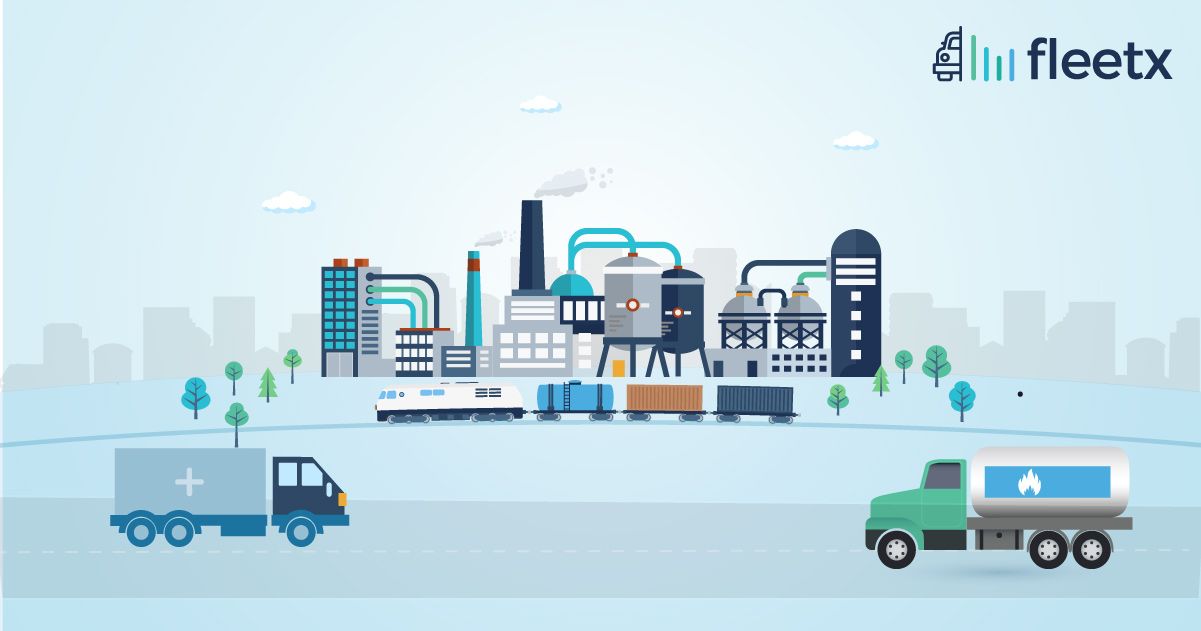
Transportation Issues and Networking: The majority of India's petrochemical industries are located in Gujarat and Maharashtra, and they require an efficient and sustainable supply chain. According to research, nowadays 57% of chemical distribution occurs by road freight, 36-37% via railroads, 6 to 7% via sea water, and less than 1% via air and globally the situation just reversed. Chemicals are generally transported by train rather than by road. It is impossible to avoid relying on road transportation, but the industry advocates for decreased reliance on road transportation. There are several difficulties with roads, because the chemical might be solid or gaseous, transportation requires specialized equipment and efficiency to move it across the country.
Then there's the distinction between hazardous and non-hazardous compounds. The road journey should be longer than 200 kilometers, and it should link to a train route from which the chemicals may be transported across the nation. There are more variables, one is appropriate tank availability (ISO tanks), transit connection, and freight pricing competitiveness. Because the chemical industry is concentrated in the two states of Gujarat and Maharashtra, the remaining states lack facilities which makes transportation difficult and time consuming.
Road and pilferage problems: National roads are essential for freight transit in India. While national highways account for only around 1.94% of India's road network, they transport more than 40% of overall traffic. As a result, the majority of these roadways are extremely crowded. Furthermore, India ranks 46th in terms of road condition, therefore the road quality on national highways and minor roads is bad in many places. Poor road quality causes accidents and reduces production due to delays. Trucks in India stop at state borders to pay tolls, therefore they pass through many checkpoints on their route.
When a truck with hazardous chemicals needs to stop several times, there is increased interaction with the ecosystem and the probability of an accident increases, both of which are negative. Pilferage is also a huge issue at times; high-quality, expensive chemicals are substituted by low-value compounds, with truck drivers being the main theft. As a result, the quality of raw materials suffers.
Fluctuating chemical prices: The chemical industry's manufacturing process is heavily reliant on raw materials, any abrupt shift in pricing might interrupt the flow. Raw material prices, such as crude oil, natural gas, energy, and other commodities, are always shifting, making things tough. Various chemicals of huge amounts are now implicated and involved in the process. As a result, businesses have to maintain a better track record of changing expenses. This also causes havoc in the supply and demand chain.
Lack of visibility and complexity in the supply chain: It is critical that producers have an accurate understanding of where their inventory sits so that they can assess the need for change in the process. Visibility is required for the supply chain to run smoothly because it allows them to plan better production schedules, boost safety by decreasing risk exposure, maximize performance across all levels of the supply chain, and make wise decisions in response to market changes.
There are several variables in the chemical industry's supply chain process. All of these variables complicate the process of planning, pricing, and quality management. The ongoing effort to reduce downtime while boosting usage is also a major challenge. As a result, productivity suffers since workers continue to use outdated software.
Optimization of Load : Another chemical supply chain difficulty is optimizing truck loadings. The chemical industry frequently uses a just-in-time (JIT) inventory system. Chemical producers must consider the amount of items needed for each customer as well as weight constraints. To decrease transportation costs and boost chemical efficiency, bulk shipments should be booked wherever possible.
Optimization of Route : With chemical supply chains rapidly changing as a result of globalization and technological advancements, there is a need for software that can optimize routes and assist chemical suppliers in anticipating future demand patterns based on past trends, allowing them to be ready before customers place their orders. Route optimization is critical to success since it assists the chemical sector in not only completing orders but also successfully considering aspects such as driver schedules, available hours, total stops, fulfillment estimations, and regulatory requirements. Whether shipping chemicals by ship, rail, aircraft, or truck, route selection and planning are critical components of chemical supply chains.
Managing massive data: The chemical business deals with massive amounts of data, which is becoming increasingly difficult to handle throughout the supply chain. Along with continually changing commodity and raw material quality and cost, there are several agreements and contracts with regulatory authorities, suppliers, and consumers.
There are also government and environmental regulations to follow at all times. There are several complicated laws that apply to the chemical sector. This involves safeguarding the environment and human health during chemical handling, usage, and transportation. These regulations get revised on a regular basis and the variations cause an uneven process in the chemical supply chain.
What is the solution for the supply chain in the chemical industry?
The chemical industry may integrate operations by using big data analytics into supply chain management. This allows industries to consolidate all information into a single source. Artificial intelligence can also assist in anticipating potential supply chain threats. It will enable management to make the required changes, assist in the resolution of environmental issues, and prevent future disruptions.
The next step
As the world continues to evolve into a digital age, the chemical sector must also adapt to new ways. Transportation is undeniably vital to the chemical business, but carriers must be able to give precise online information to both the source and receiver. Underlining the massive gap in chemical logistics and digitisation, the need to understand how it may be integrated is necessary. We may have excellent transportation infrastructure in our system, but without adequate technological infrastructure, efficiency will suffer. With the use of technology, chemical industries could prepare for shipment in advance.
Many other difficulties, such as lack of visibility, process complexity, and unpredictability of demand and supply, can be addressed. As a result, the chemical sector should prioritize continuous improvement in technological advancements.
Building a Future-Ready Chemical Supply Chain Through End-to-End Digital Integration
The chemical industry has traditionally focused on solving individual operational challenges such as transportation delays, inventory shortages, fluctuating raw material prices, or compliance management. While addressing these issues individually certainly improves day-to-day operations, modern supply chains require a much broader strategy. Today, leading chemical manufacturers are moving towards complete digital integration, where every stage of the supply chain communicates with the next through connected technologies. This creates an intelligent ecosystem rather than a collection of disconnected operational functions.
End-to-end digital integration means connecting procurement, production planning, warehouse operations, transportation, inventory management, customer delivery, and after-sales support on a unified platform. Instead of departments working independently, every stakeholder has access to the same real-time operational information. Procurement teams know when production schedules change, warehouse managers understand incoming shipment timelines, logistics teams receive live dispatch information, and customers gain visibility into delivery progress.
One of the biggest advantages of integrated supply chains is improved decision-making. Traditional supply chains often rely on historical reports that may already be outdated by the time managers review them. Modern digital systems continuously collect information from GPS devices, IoT sensors, production equipment, warehouse scanners, and enterprise software. This information is consolidated into dashboards that provide real-time visibility into operational performance.
For chemical manufacturers, this visibility becomes especially valuable because many products require temperature-controlled transportation, specialized storage conditions, regulatory documentation, and precise delivery schedules. Delays or miscommunication between departments can quickly result in inventory losses, production disruptions, customer dissatisfaction, or compliance risks. Digital integration minimizes these problems by creating a single source of operational truth.
Another significant benefit is improved collaboration across suppliers, transport partners, warehouses, distributors, and customers. Chemical supply chains often involve numerous third-party logistics providers operating across different regions. Without integrated technology, businesses spend considerable time exchanging emails, phone calls, spreadsheets, and manual updates to determine shipment status. Digital platforms automate this communication by providing live shipment tracking, automated notifications, electronic documentation, and centralized reporting.
Demand forecasting also becomes considerably more accurate when organizations integrate operational data from multiple business functions. Instead of forecasting demand using sales history alone, companies can incorporate inventory turnover, production capacity, seasonal demand, transportation availability, procurement schedules, customer buying patterns, and regional market conditions. These combined insights help manufacturers optimize production while reducing unnecessary inventory carrying costs.
Digital integration also supports business continuity during unexpected disruptions. Supply chains frequently experience delays due to weather conditions, infrastructure issues, labour shortages, geopolitical events, regulatory changes, or fluctuations in raw material availability. Organizations with connected digital ecosystems can quickly identify affected shipments, evaluate alternative suppliers, recommend alternate transportation routes, and update customers automatically. Faster response times significantly reduce operational and financial impact.
From an operational perspective, integrated supply chains eliminate duplicate data entry and reduce administrative workloads. Employees no longer need to manually update multiple software systems because information flows automatically between procurement, warehouse management, fleet management, finance, and customer service platforms. This not only improves productivity but also reduces human errors that often lead to shipment delays or inventory discrepancies.
Cybersecurity has also become an important consideration when implementing connected supply chains. Since critical operational information is increasingly stored on cloud-based platforms, businesses must adopt strong access controls, encrypted communications, regular software updates, disaster recovery planning, and employee cybersecurity awareness programmes. Protecting operational data is now an essential component of maintaining reliable supply chain operations.
As sustainability becomes a strategic priority, digital integration provides valuable environmental insights as well. Organizations can monitor fuel consumption, optimize transportation routes, reduce empty vehicle movements, measure fleet emissions, improve warehouse energy efficiency, and identify opportunities for greener logistics practices. These improvements support both regulatory compliance and corporate sustainability objectives while reducing long-term operational expenses.
The Indian chemical sector is particularly well positioned to benefit from this transformation. Industrial regions including Gujarat, Maharashtra, Delhi NCR, Mumbai, Bengaluru, Pune, Chennai, and Gurgaon are rapidly expanding their manufacturing capabilities while investing heavily in digital infrastructure. Companies operating across multiple facilities require centralized visibility to coordinate production, transportation, and customer deliveries efficiently. Integrated supply chain platforms enable businesses to manage nationwide operations from a single dashboard regardless of geographical complexity.
Small and medium-sized chemical manufacturers can also benefit from digital integration without making massive capital investments. Cloud-based software solutions now offer scalable subscription models that allow businesses to implement essential capabilities such as shipment tracking, inventory monitoring, automated reporting, and fleet visibility before gradually expanding into predictive analytics, artificial intelligence, warehouse automation, and enterprise-wide integrations.
Ultimately, digital integration is not simply about adopting new software—it represents a fundamental shift in how chemical supply chains operate. Businesses that embrace connected technologies gain greater visibility, operational agility, stronger compliance, improved customer service, and better resilience against future disruptions. As global competition increases and customer expectations continue evolving, fully integrated supply chains will become one of the strongest differentiators for successful chemical manufacturers.
Why End-to-End Digital Integration Creates Long-Term Competitive Advantage
Beyond solving immediate operational issues, integrated supply chains create strategic advantages that become increasingly valuable over time. Every shipment completed, every production cycle executed, and every delivery made generates operational data that continuously improves future decision-making. This creates a self-learning supply chain where processes become smarter through experience rather than remaining dependent on manual judgement alone.
For example, transportation analytics can identify recurring bottlenecks at particular delivery locations, warehouses can optimize storage layouts based on inventory movement patterns, procurement teams can evaluate supplier performance using measurable data, and production managers can adjust manufacturing schedules based on real-time customer demand. Over several years, these incremental improvements compound into significant operational efficiencies that competitors relying on fragmented systems often struggle to replicate.
Another important advantage is customer transparency. Industrial buyers increasingly expect shipment tracking similar to consumer e-commerce platforms. Businesses capable of providing accurate estimated arrival times, automated delivery notifications, digital documentation, and proactive communication build greater customer confidence. This strengthens long-term commercial relationships while reducing customer support inquiries related to shipment status.
Finally, integrated supply chains provide leadership teams with better strategic visibility. Executives no longer rely solely on monthly reports to understand operational performance. Instead, they can monitor key performance indicators such as fleet utilization, inventory turnover, order fulfilment rates, transportation costs, warehouse productivity, and customer service metrics in real time. This enables faster strategic decisions that improve profitability while supporting sustainable business growth.
Measuring Supply Chain Performance: KPIs Every Chemical Manufacturer Should Track
Technology investments deliver meaningful business value only when organizations consistently measure operational performance using the right metrics. Many chemical manufacturers invest in digital logistics platforms but continue evaluating success using only delivery timelines or transportation expenses. While these indicators remain important, they represent only a small portion of supply chain performance. A modern chemical supply chain should be evaluated using operational, financial, customer, sustainability, and compliance-focused Key Performance Indicators (KPIs) that provide a complete picture of business performance.
An effective KPI framework helps organizations identify inefficiencies before they become expensive operational problems. Instead of reacting to shipment delays or customer complaints, businesses can proactively monitor leading indicators that predict future performance. This shift from reactive management to predictive management is becoming one of the defining characteristics of digitally mature supply chains.
One of the most valuable KPIs is Order Fulfilment Accuracy, which measures how consistently customer orders are delivered correctly, on time, and without documentation errors. Since chemical shipments often include regulated materials, incorrect documentation or partial deliveries can create serious operational complications. Monitoring fulfilment accuracy allows organizations to improve warehouse operations, dispatch planning, and customer satisfaction simultaneously.
Another essential metric is Inventory Turnover, which evaluates how efficiently inventory moves through the supply chain. Excess inventory increases storage costs, ties up working capital, and raises the risk of product degradation for chemicals with limited shelf lives. Conversely, insufficient inventory creates production interruptions and missed customer commitments. Monitoring turnover helps organizations maintain the right inventory levels while improving cash flow.
Transportation Cost Per Shipment has become increasingly important as fuel prices, toll charges, labour expenses, and regulatory costs continue evolving. Rather than focusing solely on total transportation expenditure, businesses should calculate transportation cost relative to shipment value, delivery distance, and vehicle utilization. This provides a more accurate understanding of operational efficiency across different customer segments and geographical regions.
Fleet Utilization Rate is another KPI that significantly influences profitability. Idle vehicles, underutilized capacity, and empty return trips increase operating costs without generating additional revenue. Digital fleet management platforms help organizations monitor vehicle availability, trip frequency, capacity utilization, maintenance schedules, and driver productivity in real time. Improving utilization often delivers measurable cost savings without requiring additional fleet investments.
Chemical manufacturers should also monitor On-Time In-Full (OTIF) Delivery Performance, which combines delivery punctuality with order completeness. Customers increasingly expect shipments to arrive exactly as scheduled, particularly when chemicals support continuous manufacturing operations. High OTIF performance strengthens customer relationships while reducing emergency shipments and production disruptions.
Warehouse performance should be measured through indicators such as picking accuracy, loading efficiency, inventory accuracy, storage utilization, and average order processing time. Even highly efficient transportation operations can suffer if warehouse processes create dispatch delays or inventory discrepancies. Modern warehouse management systems automatically generate these metrics, enabling continuous operational improvement.
Another increasingly valuable KPI is Supply Chain Visibility Index, which measures the percentage of shipments, inventory, and operational activities that can be monitored in real time. Organizations with higher visibility respond faster to disruptions because they receive immediate alerts regarding delays, route deviations, inventory shortages, or compliance risks. Visibility has become one of the most important competitive differentiators in today's logistics landscape.
From a sustainability perspective, businesses are increasingly tracking fuel consumption, carbon emissions, empty kilometres travelled, packaging waste, and energy utilization. Regulatory expectations and customer preferences continue encouraging organizations to improve environmental performance while maintaining operational efficiency. Digital reporting simplifies environmental monitoring while supporting sustainability initiatives.
Customer-focused KPIs also deserve greater attention. Customer satisfaction scores, delivery reliability, complaint resolution times, repeat order frequency, and service responsiveness provide valuable insights into how logistics performance influences long-term business relationships. Strong customer experience often becomes a decisive competitive advantage within industrial markets where products themselves may be relatively similar.
Finally, organizations should monitor compliance-related metrics such as documentation accuracy, hazardous material handling incidents, regulatory audit outcomes, driver certification status, and safety inspection performance. Chemical logistics involves complex regulatory requirements that demand continuous monitoring. Measuring compliance performance helps organizations minimize legal risks while protecting employees, customers, and the environment.
Rather than reviewing KPIs independently, leading organizations increasingly combine multiple performance indicators into executive dashboards that provide holistic operational visibility. This enables faster decision-making while helping leadership teams identify relationships between inventory management, transportation efficiency, customer satisfaction, and financial performance.
Comparison: Traditional Chemical Supply Chains vs Digitally Connected Supply Chains
| Operational Area | Traditional Chemical Supply Chain | Digitally Connected Chemical Supply Chain |
|---|---|---|
| Shipment Visibility | Limited updates through manual communication | Real-time GPS and IoT-enabled shipment tracking |
| Inventory Management | Periodic manual inventory reconciliation | Live inventory visibility with automated updates |
| Route Planning | Static planning based on experience | AI-powered dynamic route optimization |
| Demand Forecasting | Historical sales-based planning | Predictive forecasting using AI and multiple data sources |
| Documentation | Paper-based and manual processing | Automated digital documentation and compliance management |
| Decision Making | Reactive after issues occur | Predictive and data-driven operational planning |
| Fleet Management | Manual scheduling and reporting | Real-time fleet monitoring and predictive maintenance |
| Customer Communication | Phone calls and email updates | Automated notifications and shipment tracking portals |
| Regulatory Compliance | Manual verification processes | Automated compliance monitoring and digital records |
| Cost Control | Limited operational insights | Continuous analytics for fuel, fleet, warehouse, and transportation optimization |
| Risk Management | Reactive disruption handling | Predictive alerts with faster response planning |
| Business Scalability | Expansion requires additional manual resources | Cloud-based systems support multi-location growth efficiently |
The transition from traditional logistics operations to digitally connected supply chains is not simply about replacing manual processes with software. It fundamentally changes how organizations plan, execute, monitor, and continuously improve supply chain performance. Businesses that consistently measure the right KPIs while leveraging integrated technologies are significantly better positioned to improve efficiency, strengthen customer relationships, and remain competitive as the chemical industry continues evolving.
Preparing Chemical Supply Chains for the Next Decade: Emerging Technologies, Risk Management, and Sustainable Growth
The chemical industry is entering a new phase where supply chain resilience, sustainability, and digital intelligence are becoming equally important. Traditionally, organizations measured supply chain success primarily through production volumes and transportation efficiency. Today, businesses are expected to deliver products safely, reduce environmental impact, maintain complete operational visibility, respond quickly to disruptions, and continuously improve customer experience. As a result, future-ready chemical supply chains are being designed around agility, transparency, and data-driven decision-making rather than simply moving products from one location to another.
One of the biggest trends shaping the future of chemical logistics is predictive risk management. Historically, businesses reacted after disruptions occurred, whether they involved delayed shipments, raw material shortages, severe weather, equipment failures, labour shortages, or regulatory changes. Modern supply chains increasingly rely on predictive analytics that continuously monitor operational data and identify potential risks before they affect business operations. Artificial intelligence can evaluate thousands of operational variables simultaneously, allowing companies to take preventive action rather than responding after problems have already caused financial losses.
Another rapidly growing area is digital twin technology. A digital twin is a virtual representation of the physical supply chain that mirrors warehouses, manufacturing facilities, transportation routes, inventory levels, and distribution networks in real time. By simulating operational scenarios before implementing them in the real world, businesses can evaluate how changes in production schedules, warehouse layouts, transportation routes, supplier availability, or customer demand may influence overall performance. This significantly improves planning accuracy while reducing the risks associated with operational changes.
Blockchain technology is also receiving increased attention within chemical supply chains because of its ability to create secure, transparent, and tamper-resistant transaction records. Since chemical products often require extensive compliance documentation and traceability throughout production and transportation, blockchain can improve confidence in supplier verification, shipment records, quality assurance, and regulatory compliance. Although adoption is still developing, blockchain is expected to become increasingly valuable for global chemical trade and cross-border logistics.
Warehouse automation continues to transform chemical distribution centres as businesses seek faster order processing and greater inventory accuracy. Automated storage and retrieval systems, robotics-assisted picking, barcode scanning, RFID technology, and AI-powered warehouse management platforms reduce manual handling while improving operational consistency. Automation also minimizes workplace risks by reducing employee exposure to hazardous chemicals during storage and material movement.
The growing adoption of the Internet of Things (IoT) is another significant development. Smart sensors attached to vehicles, containers, storage facilities, and production equipment continuously collect operational information including temperature, humidity, vibration, fuel consumption, equipment health, and shipment location. These connected devices provide businesses with unprecedented visibility into the movement and condition of sensitive chemical products. Real-time alerts allow immediate intervention whenever transportation conditions deviate from predefined safety parameters.
Sustainability is becoming a strategic business objective rather than simply a compliance requirement. Customers, investors, governments, and global supply chain partners increasingly expect organizations to reduce emissions while maintaining operational efficiency. Chemical manufacturers are responding by optimizing transportation routes, reducing empty vehicle movements, improving warehouse energy efficiency, adopting fuel-efficient fleets, and integrating renewable energy sources into manufacturing operations. Digital technologies play an essential role by providing measurable environmental data that supports sustainability reporting and long-term improvement initiatives.
Supplier diversification is also becoming increasingly important for strengthening supply chain resilience. Depending heavily on a single supplier or geographical region exposes organizations to unnecessary risks during geopolitical disruptions, natural disasters, infrastructure failures, or market volatility. Leading manufacturers now evaluate supplier performance using digital scorecards that measure delivery reliability, product quality, pricing stability, compliance standards, sustainability practices, and operational responsiveness. These insights help procurement teams build stronger supplier networks capable of supporting long-term business continuity.
Human expertise remains equally important despite increasing automation. Advanced technologies support operational decision-making, but experienced supply chain professionals continue providing strategic judgement, regulatory knowledge, supplier relationship management, crisis response, and customer communication. Organizations investing in continuous workforce training alongside digital transformation are generally more successful than businesses focusing exclusively on technology implementation.
For India's chemical industry, these developments present significant growth opportunities. Manufacturing clusters across Gujarat, Maharashtra, Delhi NCR, Mumbai, Bengaluru, Pune, Hyderabad, Chennai, and Gurgaon continue expanding production capacity while attracting investments in digital logistics infrastructure. As export demand grows and domestic manufacturing accelerates, businesses capable of combining technology, operational excellence, and sustainability will be better positioned to compete in both national and international markets.
Small and medium-sized enterprises can also benefit from these emerging technologies through scalable cloud-based solutions. Instead of investing in expensive enterprise infrastructure immediately, businesses can gradually implement GPS fleet tracking, Transportation Management Systems, inventory management software, predictive analytics, warehouse management platforms, and AI-powered reporting based on operational priorities. This phased approach reduces implementation risk while allowing organizations to realize measurable improvements at every stage of digital transformation.
Perhaps the most important lesson for the future is that successful chemical supply chains will no longer compete solely on manufacturing capability or transportation capacity. Competitive advantage will increasingly depend on how effectively businesses collect operational data, convert it into actionable insights, respond quickly to disruptions, and continuously improve customer experience. Organizations that embrace innovation while maintaining strong safety standards and regulatory compliance will be better equipped to manage market uncertainty and capitalize on future growth opportunities.
The Business Value of Investing in Modern Chemical Supply Chains
Investing in modern supply chain capabilities creates benefits that extend well beyond logistics operations. Better visibility improves financial planning by reducing unnecessary inventory carrying costs and minimizing emergency procurement. Faster decision-making helps organizations respond quickly to market changes, protecting both revenue and customer relationships. Improved compliance reduces regulatory risks while strengthening corporate reputation among customers and industry partners.
Digital transformation also enables greater collaboration between procurement, manufacturing, warehouse operations, transportation, finance, and customer service teams. Instead of working in isolated departments, organizations operate as connected ecosystems where information flows seamlessly across every stage of the business. This collaborative environment improves planning accuracy, accelerates issue resolution, and supports continuous operational improvement.
Ultimately, the future of the chemical supply chain will be defined by resilience, intelligence, sustainability, and customer-centric operations. Businesses that begin investing in these capabilities today will be better prepared for tomorrow's operational challenges while positioning themselves for long-term growth in an increasingly competitive global marketplace.
Frequently Asked Questions
What is supply chain management in the chemical industry?
Chemical producers, distributors, and manufacturers work together in the supply chain to meet customer demand. The first step in the process is the transformation of the raw materials that chemical companies buy from suppliers into chemical products.
Is the chemical industry a manufacturing industry?
The manufacturing sector includes the subsector of chemical manufacturing. The formulation of goods and the chemical processing of organic and inorganic raw materials are the foundations of the Chemical Manufacturing subsector.
What is chemical supply chain management and why is it important? ▼
Chemical supply chain management refers to the planning, sourcing, manufacturing, storage, transportation, compliance management, and delivery of chemicals from producers to end users. Unlike many other industries, the chemical sector deals with hazardous materials, strict government regulations, specialized transport equipment, inventory sensitivity, and complex documentation. This makes supply chain management significantly more challenging than conventional logistics.
A well-managed chemical supply chain helps businesses improve inventory visibility, reduce transportation risks, ensure regulatory compliance, lower logistics costs, and deliver products safely and on time. Modern organizations increasingly use technologies such as Transportation Management Systems (TMS), IoT sensors, GPS vehicle tracking, AI-powered route optimization, predictive analytics, and automated documentation to improve operational efficiency.
In India, particularly across manufacturing hubs such as Gujarat, Maharashtra, Delhi NCR, Mumbai, Pune, Bengaluru, and Gurgaon, digital supply chain management has become a competitive advantage. Companies that invest in technology often experience better fleet utilization, improved delivery performance, lower fuel expenses, and stronger customer satisfaction. As regulations continue to evolve and customer expectations increase, chemical manufacturers and logistics providers are rapidly adopting digital supply chain solutions to minimize operational disruptions and improve long-term profitability.
What are the biggest supply chain challenges faced by chemical manufacturers in India? ▼
Chemical manufacturers in India face numerous operational challenges because they transport hazardous materials through long-distance transportation networks while complying with multiple government regulations. Delays caused by road congestion, documentation, inconsistent infrastructure, fluctuating raw material prices, inventory inaccuracies, vehicle breakdowns, and limited shipment visibility can significantly impact production schedules and customer deliveries.
Another major challenge is maintaining complete visibility from manufacturing plants to customer delivery locations. Without real-time tracking, businesses struggle to monitor inventory movement, vehicle utilization, shipment delays, and delivery risks. Compliance requirements for hazardous chemicals further increase operational complexity since every shipment requires proper documentation, driver training, and safety procedures.
Industrial regions such as Delhi NCR, Mumbai, Gujarat, Pune, Bengaluru, and Gurgaon experience high freight volumes, making route planning and transportation optimization even more important. Companies increasingly rely on AI-powered fleet management platforms, digital documentation, warehouse management software, GPS tracking, and predictive analytics to improve decision-making. These technologies help reduce transportation costs, improve customer service, strengthen safety standards, and create more resilient chemical supply chains capable of handling disruptions without affecting business continuity.
What is the best technology for improving chemical supply chain visibility? ▼
The best technology for improving chemical supply chain visibility combines Transportation Management Systems (TMS), GPS vehicle tracking, IoT-enabled sensors, warehouse management software, fleet management platforms, artificial intelligence, and cloud-based analytics into one connected ecosystem. Instead of relying on manual reporting, businesses receive real-time operational data throughout the shipment lifecycle.
Modern logistics software enables companies to monitor vehicle location, estimated arrival times, inventory movement, route deviations, driver behaviour, fuel consumption, and delivery status from a centralized dashboard. AI-powered analytics further help businesses identify bottlenecks, forecast delays, optimize transportation routes, and improve asset utilization before operational issues become costly.
Across India, organizations operating in Delhi, Gurgaon, Mumbai, Bengaluru, Pune, and other industrial regions increasingly invest in digital logistics solutions because customers expect faster deliveries and complete shipment transparency. Companies handling hazardous chemicals benefit from automated compliance tracking, electronic proof of delivery, digital documentation, predictive maintenance, and exception alerts. These capabilities improve operational efficiency while reducing risks associated with delayed deliveries, product damage, regulatory violations, and inventory losses. Choosing an integrated technology platform rather than multiple disconnected systems typically delivers the greatest operational improvements.
How much does chemical supply chain management software cost in India? ▼
The cost of chemical supply chain management software in India varies depending on company size, fleet volume, number of users, required integrations, compliance features, and deployment model. Small businesses generally spend between ₹30,000 and ₹2 lakh annually for basic logistics management platforms offering GPS tracking, shipment monitoring, reporting, and inventory visibility.
Medium-sized manufacturers often invest anywhere from ₹3 lakh to ₹15 lakh for more comprehensive Transportation Management Systems that include warehouse integration, route optimization, fleet management, predictive analytics, automated documentation, and compliance management. Large enterprises with multiple manufacturing facilities and nationwide logistics operations may require customized enterprise solutions costing ₹20 lakh or more depending on implementation complexity.
Businesses in Delhi NCR, Mumbai, Bengaluru, Pune, Gurgaon, and other industrial corridors should evaluate software based on long-term operational value instead of only upfront pricing. The best supply chain management software typically reduces fuel expenses, minimizes delivery delays, improves fleet utilization, lowers administrative costs, and enhances customer satisfaction. Most vendors also offer demonstrations, implementation support, subscription pricing, and scalable plans that allow organizations to expand functionality as business operations continue to grow.
Which are the best supply chain management solutions for chemical companies? ▼
The best supply chain management solutions for chemical companies combine transportation management, warehouse management, inventory visibility, fleet tracking, route optimization, compliance management, and business analytics within a single digital platform. Since chemical logistics involves hazardous materials, multiple transportation modes, and strict regulatory requirements, organizations benefit most from integrated software rather than isolated applications.
Leading businesses typically look for features such as real-time GPS tracking, AI-powered route optimization, automated documentation, electronic proof of delivery, predictive maintenance, geofencing, driver performance monitoring, IoT-enabled asset tracking, and dashboard-based reporting. These capabilities reduce manual intervention while improving delivery reliability, operational safety, and customer service.
Manufacturers operating across Delhi NCR, Mumbai, Pune, Bengaluru, Gurgaon, Gujarat, and other industrial clusters increasingly prioritize cloud-based logistics platforms because they support multi-location operations and scale with business growth. Instead of selecting software based only on popularity, companies should evaluate integration capabilities, customer support, implementation time, analytics features, regulatory compliance, scalability, and return on investment. The best solution is one that simplifies operations, improves visibility, reduces transportation costs, and enables proactive decision-making across the complete chemical supply chain.
How can AI and automation improve chemical logistics operations? ▼
Artificial intelligence and automation are transforming chemical logistics by making supply chains more predictive, efficient, and data-driven. AI continuously analyses transportation data, inventory levels, weather conditions, delivery schedules, traffic congestion, and historical shipment performance to recommend smarter operational decisions before disruptions occur.
Automation eliminates repetitive manual tasks such as shipment scheduling, documentation, inventory updates, compliance reporting, invoice processing, proof-of-delivery collection, and vehicle dispatching. This reduces human errors while allowing logistics teams to focus on strategic planning and customer service. Predictive maintenance algorithms also monitor fleet health and identify maintenance needs before unexpected breakdowns disrupt deliveries.
Across India's rapidly growing industrial markets including Delhi, Gurgaon, Mumbai, Pune, and Bengaluru, chemical manufacturers increasingly use AI-powered Transportation Management Systems to improve fleet productivity and reduce logistics costs. Machine learning can optimize delivery routes, estimate arrival times more accurately, improve warehouse planning, forecast future demand, and identify unusual operational patterns that require immediate attention. As supply chains become increasingly complex, AI enables businesses to make faster decisions while improving safety, operational resilience, and profitability.
Why is route optimization important for chemical transportation? ▼
Route optimization plays a critical role in chemical transportation because hazardous materials require carefully planned delivery routes that prioritize safety, regulatory compliance, fuel efficiency, and timely deliveries. Unlike conventional freight, chemical transportation often involves vehicle restrictions, weight limitations, specialized permits, environmental considerations, and emergency response planning.
Modern route optimization software evaluates multiple variables simultaneously, including road conditions, live traffic, delivery priorities, toll costs, weather forecasts, driver working hours, vehicle capacities, and customer schedules. Instead of choosing the shortest distance alone, intelligent algorithms identify the safest and most efficient transportation plan for every shipment.
Businesses transporting chemicals across Delhi NCR, Mumbai, Pune, Bengaluru, Gujarat, and Gurgaon often experience heavy congestion that increases fuel consumption and delivery delays. AI-powered route planning reduces idle time, improves vehicle utilization, minimizes unnecessary kilometres, and helps maintain consistent delivery schedules. Better route planning also lowers emissions, improves customer satisfaction, enhances driver safety, and reduces operational expenses. As transportation costs continue rising, route optimization has become one of the most valuable investments for companies seeking greater efficiency throughout the chemical supply chain.
What should businesses consider before investing in chemical logistics software? ▼
Before investing in chemical logistics software, businesses should evaluate operational requirements instead of choosing software solely based on price. Every organization has unique transportation processes, compliance obligations, fleet sizes, warehouse operations, and customer expectations. Selecting software that aligns with these needs delivers significantly better long-term value.
Key evaluation factors include integration with ERP systems, Transportation Management Systems, warehouse software, GPS tracking, compliance management, mobile accessibility, reporting dashboards, AI capabilities, customer support, implementation timelines, cybersecurity standards, scalability, and ease of use. Businesses should also verify whether the software supports hazardous material documentation, shipment visibility, automated alerts, and real-time fleet monitoring.
Companies across India—including manufacturers operating in Delhi NCR, Mumbai, Pune, Bengaluru, and Gurgaon—should request product demonstrations, compare implementation approaches, understand subscription pricing, and calculate expected return on investment before purchasing. While entry-level platforms may cost only a few thousand rupees per month, enterprise-grade solutions offer advanced analytics, automation, predictive intelligence, and enterprise integrations that generate significantly greater operational savings. Choosing scalable software ensures organizations can continue expanding without replacing their technology infrastructure in the future.
What are the top strategies to reduce chemical transportation costs without compromising safety? ▼
Reducing transportation costs in the chemical industry requires a balanced approach that improves efficiency without affecting regulatory compliance or safety standards. Since hazardous materials require specialized vehicles, trained drivers, documentation, and monitoring, businesses cannot simply reduce expenses by cutting operational safeguards. Instead, companies should focus on improving resource utilization and eliminating inefficiencies throughout the logistics process.
Some of the most effective cost-saving strategies include route optimization, vehicle utilization improvement, predictive fleet maintenance, digital documentation, automated dispatch planning, real-time shipment visibility, and AI-based demand forecasting. Organizations should also monitor fuel consumption, reduce empty return trips, consolidate shipments whenever possible, and use analytics to identify recurring operational bottlenecks.
For manufacturers operating across Delhi NCR, Mumbai, Bengaluru, Pune, Gurgaon, Gujarat, and other industrial corridors, modern Transportation Management Systems can significantly reduce logistics costs by improving planning accuracy and reducing delays. While technology requires an initial investment, businesses often recover these costs through lower fuel expenses, fewer delivery disruptions, reduced administrative effort, improved fleet productivity, and stronger customer satisfaction. Long-term savings are achieved by making operational decisions based on data instead of assumptions.
How is the chemical supply chain evolving in India with digital transformation? ▼
India's chemical industry is undergoing rapid digital transformation as manufacturers modernize logistics operations to improve visibility, compliance, customer service, and operational efficiency. Traditional manual processes are gradually being replaced by cloud-based platforms, AI-powered analytics, IoT-enabled monitoring, automated documentation, and integrated Transportation Management Systems that provide end-to-end supply chain visibility.
Government infrastructure improvements, increasing industrial production, and rising customer expectations are encouraging organizations to invest in technology that improves logistics resilience. Businesses now expect real-time shipment tracking, predictive analytics, automated compliance management, electronic proof of delivery, warehouse integration, and centralized operational dashboards that support faster business decisions.
Industrial regions including Delhi NCR, Mumbai, Bengaluru, Pune, Gurgaon, Gujarat, and Hyderabad are witnessing strong adoption of digital supply chain technologies because companies recognize the value of data-driven operations. Organizations implementing modern logistics solutions are improving fleet utilization, reducing operational risks, increasing delivery reliability, and strengthening competitiveness within domestic and international markets. Digital transformation is no longer viewed as an optional upgrade but as a strategic investment supporting sustainable growth throughout India's expanding chemical sector.
Which cities in India are major hubs for chemical manufacturing and logistics operations? ▼
India has several major industrial hubs that play a critical role in chemical manufacturing, storage, transportation, and distribution. Gujarat remains the country's largest chemical manufacturing region due to its strong industrial infrastructure, ports, and extensive petrochemical ecosystem. Maharashtra, particularly Mumbai and surrounding industrial zones, also contributes significantly to chemical production and exports.
Delhi NCR and Gurgaon function as major logistics and distribution centers where supply chain planning, transportation coordination, warehousing, and technology-driven logistics operations support manufacturers across northern India. Bengaluru and Pune have emerged as important technology and industrial hubs where advanced manufacturing, automation, and digital logistics solutions continue expanding rapidly.
Companies operating across these cities increasingly require integrated supply chain management systems capable of coordinating transportation, inventory, warehouse operations, fleet management, compliance, and customer deliveries. Businesses serving multiple regions benefit from centralized dashboards that improve visibility across nationwide operations while supporting faster decision-making. As India's industrial economy continues growing, efficient connectivity between manufacturing hubs and logistics corridors will remain essential for improving competitiveness, reducing transportation costs, and supporting reliable chemical distribution throughout domestic and global markets.
What does the future of chemical supply chain management look like? ▼
The future of chemical supply chain management will be increasingly intelligent, automated, connected, and sustainable. Artificial intelligence, machine learning, IoT devices, predictive analytics, blockchain technology, autonomous planning systems, and cloud-based logistics platforms will continue transforming how chemical manufacturers manage production, transportation, inventory, compliance, and customer deliveries.
Businesses are expected to move beyond reactive logistics management toward predictive operations where software identifies risks before they occur. Real-time visibility across manufacturing facilities, warehouses, fleets, and customers will enable organizations to make faster decisions while improving resilience against disruptions caused by market fluctuations, weather events, infrastructure challenges, or regulatory changes.
Across India—including Delhi NCR, Mumbai, Bengaluru, Pune, Gurgaon, and major manufacturing regions—organizations are expected to increase investments in digital logistics infrastructure to improve operational efficiency and remain competitive. Companies adopting AI-driven Transportation Management Systems, automated warehouse technologies, advanced fleet management platforms, and integrated analytics will likely experience better customer satisfaction, lower operating costs, stronger compliance, and improved business agility. Future-ready supply chains will rely on accurate data, continuous innovation, and intelligent automation to support sustainable long-term growth.