
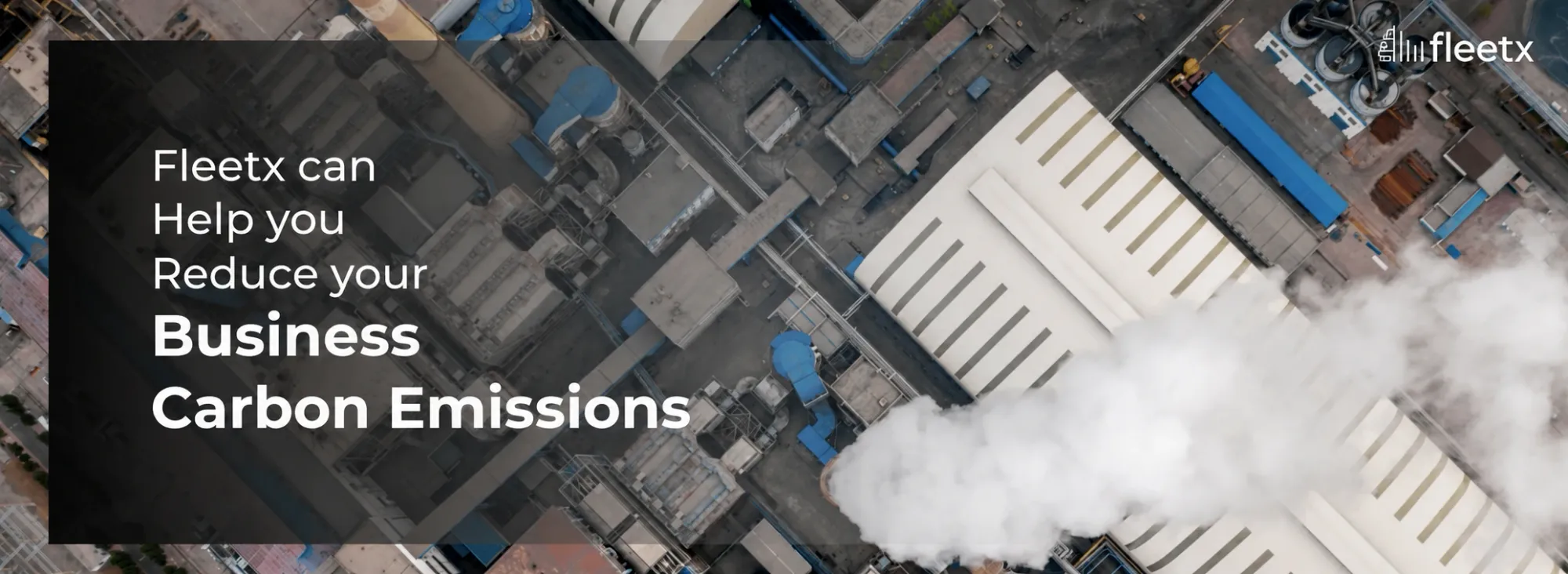
Climate Change is the hot topic right now, and rightly so. Industries across the world are taking into consideration their impact on the planet and moving towards more sustainable operations to reduce their carbon emissions. To backtrack a little, carbon emissions refer to the carbon dioxide that is released into the atmosphere due to various activities, both human and natural. Since the industrial period, global carbon emissions have increased by 25% over the 200-year period. They were relatively stable over the previous 1000-year period, but have grown exponentially since the 1800s because of increased human activity. Furthermore, we are using resources at a much faster rate without really thinking about what the future generations will be left with.
India’s trucking industry relies on heavy-freight trucks for 65% of its activities. They are the most efficient way to transport cargo, but they are responsible for over 35% of the transport related carbon emissions in the country! Given the seriousness of the issue, businesses are now considering ways to reduce their carbon footprint while maintaining operations. Technology is offering several solutions to this challenge, and Fleetx’s range of services will help you in that regard.
Why Carbon Emissions Matter for Modern Logistics Businesses
Reducing carbon emissions is no longer just an environmental responsibility—it is becoming a critical business requirement. Governments worldwide are introducing stricter sustainability regulations, investors increasingly evaluate companies based on Environmental, Social, and Governance (ESG) criteria, and customers prefer organizations that demonstrate measurable commitments to sustainability.
For logistics companies, transportation activities account for a significant portion of operational emissions. Every kilometer driven, every unnecessary stop, every instance of excessive idling, and every inefficient route contributes to increased fuel consumption and higher greenhouse gas emissions.
Businesses that actively measure and reduce emissions can benefit from:
- Lower fuel costs
- Improved fleet productivity
- Better ESG reporting
- Stronger brand reputation
- Reduced maintenance expenses
- Improved compliance readiness
- Better customer perception
- Greater operational resilience
The transition toward sustainable logistics is therefore both an environmental necessity and a strategic business opportunity.
Understanding Scope 1, Scope 2, and Scope 3 Emissions in Logistics
Organizations often struggle to understand where emissions originate. Carbon accounting generally categorizes emissions into three groups.
| Emission Category | Definition | Logistics Example |
|---|---|---|
| Scope 1 | Direct emissions from owned assets | Truck fuel consumption |
| Scope 2 | Indirect emissions from purchased energy | Electricity used in warehouses |
| Scope 3 | Indirect emissions across supply chain activities | Third-party transportation, vendors, suppliers |
For most transportation and logistics organizations, Scope 1 emissions represent the largest and most immediate opportunity for reduction.
Fleet management platforms help organizations gain visibility into Scope 1 emissions by tracking:
- Fuel consumption
- Route efficiency
- Driver behavior
- Vehicle utilization
- Maintenance schedules
- Idle time
This visibility forms the foundation for meaningful sustainability improvements.
The Relationship Between Fuel Consumption and Carbon Emissions
Every liter of fuel burned produces greenhouse gases. For diesel-powered commercial fleets, fuel consumption and carbon emissions are directly connected. Even small improvements in efficiency can generate substantial environmental benefits when multiplied across hundreds or thousands of vehicles.
For example:
- Reducing fuel consumption by 5% across a fleet of 500 trucks can result in significant annual emission reductions.
- Lower fuel consumption also reduces operating costs.
- Reduced fuel usage decreases dependency on volatile fuel prices.
This is why fuel management remains one of the most effective sustainability strategies available to fleet operators.
Carbon Reduction Strategies for Different Types of Fleets
Every fleet operates under unique conditions, which means there is no one-size-fits-all approach to reducing carbon emissions. Factors such as route length, vehicle type, cargo requirements, operating environments, and delivery schedules all influence fuel consumption and environmental impact. By understanding the specific challenges associated with different fleet types, businesses can implement targeted sustainability strategies that deliver meaningful reductions in fuel usage, operating costs, and greenhouse gas emissions.
Long-Haul Transportation Fleets
Long-haul transportation fleets cover hundreds or even thousands of kilometers every week, making fuel consumption one of their largest operational expenses. Because vehicles spend extended periods on highways and intercity routes, even small efficiency improvements can generate substantial fuel savings and carbon reductions.
Route optimization helps identify the most efficient transportation corridors, reducing unnecessary detours and minimizing time spent in traffic congestion. By selecting optimal routes based on real-time road conditions, fleet operators can lower both fuel consumption and delivery times.
Driver coaching and behavior monitoring also play a critical role. Practices such as excessive speeding, harsh braking, rapid acceleration, and prolonged idling significantly increase fuel usage. Providing drivers with performance feedback encourages safer and more fuel-efficient driving habits.
Fuel theft prevention systems help organizations monitor fuel usage more accurately and identify unusual consumption patterns. Preventing fuel losses not only reduces costs but also improves the accuracy of sustainability reporting.
Predictive maintenance programs ensure that engines, tires, brakes, and other critical vehicle components operate efficiently. Well-maintained vehicles consume less fuel and generate fewer emissions over their operational lifespan.
Additionally, load optimization ensures that available vehicle capacity is utilized effectively. Maximizing cargo loads reduces the number of trips required, lowering total fuel consumption and carbon emissions across the transportation network.
Last-Mile Delivery Fleets
Last-mile delivery fleets face a unique set of sustainability challenges. Unlike long-haul fleets, these vehicles operate primarily in urban environments where traffic congestion, frequent stops, and shorter delivery routes can significantly affect fuel efficiency.
One of the biggest challenges is traffic congestion, which increases idle time and fuel consumption. Vehicles often spend considerable time waiting at intersections, traffic signals, and crowded delivery zones, resulting in unnecessary emissions.
Dynamic route planning helps address this issue by continuously analyzing traffic conditions and identifying the most efficient delivery routes throughout the day. Real-time adjustments enable drivers to avoid congested roads and reduce delivery delays.
Geofencing technology provides greater visibility into vehicle movements and delivery performance. Fleet managers can monitor route adherence, identify inefficiencies, and improve operational planning based on location-specific insights.
Driver performance monitoring helps reduce behaviors that contribute to excessive fuel consumption, such as rapid acceleration, harsh braking, and unnecessary idling. These improvements are particularly valuable in dense urban environments where driving conditions frequently change.
Another effective strategy is delivery clustering, which groups deliveries within nearby locations to minimize travel distances. By reducing the number of kilometers traveled per delivery, businesses can significantly lower fuel consumption while maintaining service levels.
As e-commerce continues to expand, implementing these strategies will become increasingly important for creating sustainable and cost-effective last-mile logistics operations.
Construction and Heavy Equipment Fleets
Construction fleets face sustainability challenges that differ significantly from traditional transportation operations. Heavy machinery, construction vehicles, and specialized equipment often spend long periods operating at job sites rather than traveling on public roads.
One of the largest contributors to emissions in construction fleets is excessive engine idling. Equipment frequently remains powered on during breaks, waiting periods, or inactive work cycles, consuming fuel without performing productive work. Monitoring and reducing unnecessary idling can generate substantial fuel savings.
Equipment underutilization is another common challenge. Many organizations own or lease machinery that is not used consistently across projects. Idle assets continue to incur costs while contributing little operational value. Fleet analytics can help identify underused equipment and improve asset allocation across multiple projects.
Construction companies also face issues related to maintenance delays. Heavy equipment operating under harsh conditions experiences significant wear and tear, which can reduce fuel efficiency and increase emissions if not addressed promptly. Predictive maintenance systems help identify mechanical issues before they impact performance.
Advanced fleet management solutions provide detailed insights into equipment usage, engine hours, fuel consumption, and operating efficiency. This data enables organizations to optimize asset utilization, reduce unnecessary fuel consumption, and lower the environmental impact of construction operations without compromising productivity.
Cold Chain Logistics Fleets
Cold chain logistics fleets transport temperature-sensitive products such as food, pharmaceuticals, dairy products, and medical supplies. These fleets face unique sustainability challenges because refrigeration systems require additional energy beyond normal vehicle operation.
Refrigeration units often run continuously throughout a journey, increasing overall fuel consumption and carbon emissions. Even when vehicles are stationary during loading or unloading, cooling systems may continue operating to maintain product quality and regulatory compliance.
Real-time refrigeration monitoring helps fleet operators ensure that cooling systems function efficiently while maintaining required temperature ranges. Early detection of performance issues prevents excessive energy consumption and reduces the risk of product spoilage.
Fuel efficiency monitoring allows businesses to understand how refrigeration systems affect overall vehicle fuel consumption. By analyzing operational data, organizations can identify opportunities to improve both transportation and cooling efficiency.
Route optimization is particularly valuable for cold chain operations because shorter travel times reduce the duration for which refrigeration units must remain active. Efficient route planning helps lower fuel usage while preserving product integrity.
Additionally, delivery delay reduction contributes directly to sustainability goals. Delays can increase refrigeration runtime, fuel consumption, and operational costs. By improving scheduling accuracy and route planning, businesses can minimize delays and reduce the environmental impact of cold chain transportation.
As demand for temperature-controlled logistics continues to grow, leveraging technology-driven optimization strategies will be essential for balancing operational efficiency with sustainability objectives.
Choosing the Right Sustainability Strategy
While the challenges vary across fleet types, the underlying objective remains the same: reducing fuel consumption, improving operational efficiency, and minimizing environmental impact. Organizations that leverage data-driven technologies such as telematics, route optimization, predictive maintenance, fuel monitoring, and driver behavior analytics can develop tailored carbon reduction strategies that align with their specific operational requirements. By taking a fleet-specific approach to sustainability, businesses can achieve measurable reductions in emissions while improving productivity and long-term profitability.
Here are some of the ways fleet management software can help your business reduce its carbon emissions and adopt more sustainable methods:

1.Optimize your routes
Taking the shortest route between point A and point B not only saves time, but also reduces fuel consumption and carbon emissions. With real time data at your fingertips, our route planning software will help you maximise the efficiency of your fleet vehicles, improve your productivity and reduce the need to add more vehicles to your fleet during periods of higher demand.
You will also be able to reduce your fuel consumption with the help of the real-time data available, as well as data collected from past trips. This will help your drivers avoid long detours, and spending unnecessary time in traffic.

2. Improve driver behaviour
Your drivers have an important role to play in minimizing fuel usage and reducing your business’ carbon footprint. Aggressive driving, harsh braking, speeding and excessive idling waste fuel and produce higher emissions. For instance, studies have shown that aggressive driving style can result in an increase in emissions by 40%. Fitting your vehicles with a telematics system will give you an insight into driver behavior and indicate which drivers could benefit from additional training and instruction.
Not only does the adoption of eco-driving techniques help cut fuel consumption, but it also leads to safer drivers, which is great for the reputation and stability of your business. This has the added benefits of reducing the risk of accidents, accompanying costs and increasing ROI on your drivers.
3. Reduce engine idling
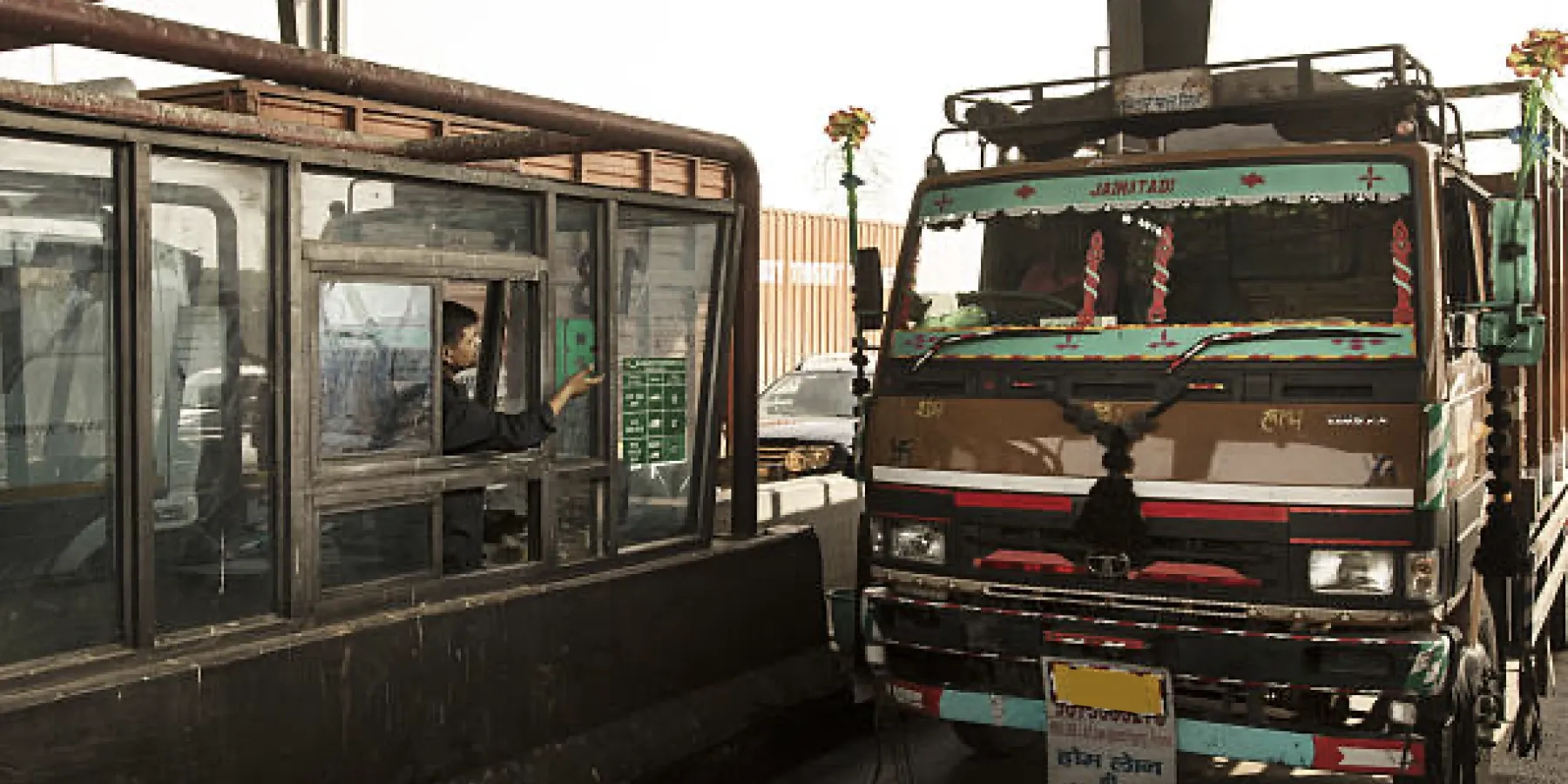
Idling engines are one of the reasons for fuel wastage. In busy urban areas, increased road congestion can lead to your drivers sitting in their vehicles for long periods of time, leaving the ignition on while they’re stuck in traffic. Unfortunately traffic congestion in India is a big challenge, with 4 Indian cities in the top 10 list of most congested cities globally.
While you can’t do anything about the nightmare of peak hour in our cities, Fleetx’s tracking software provides alerts and reports to identify and reduce avoidable instances of idling. It will also help you to plan routes that avoid heavily congested roads and peak hours. This means you can cut both fuel costs and CO2 output. Engine idling is also a performance metric that fleet tracking systems incorporate into driver behaviour reports, allowing managers to stay updated.
4. Reduce overall fuel consumption
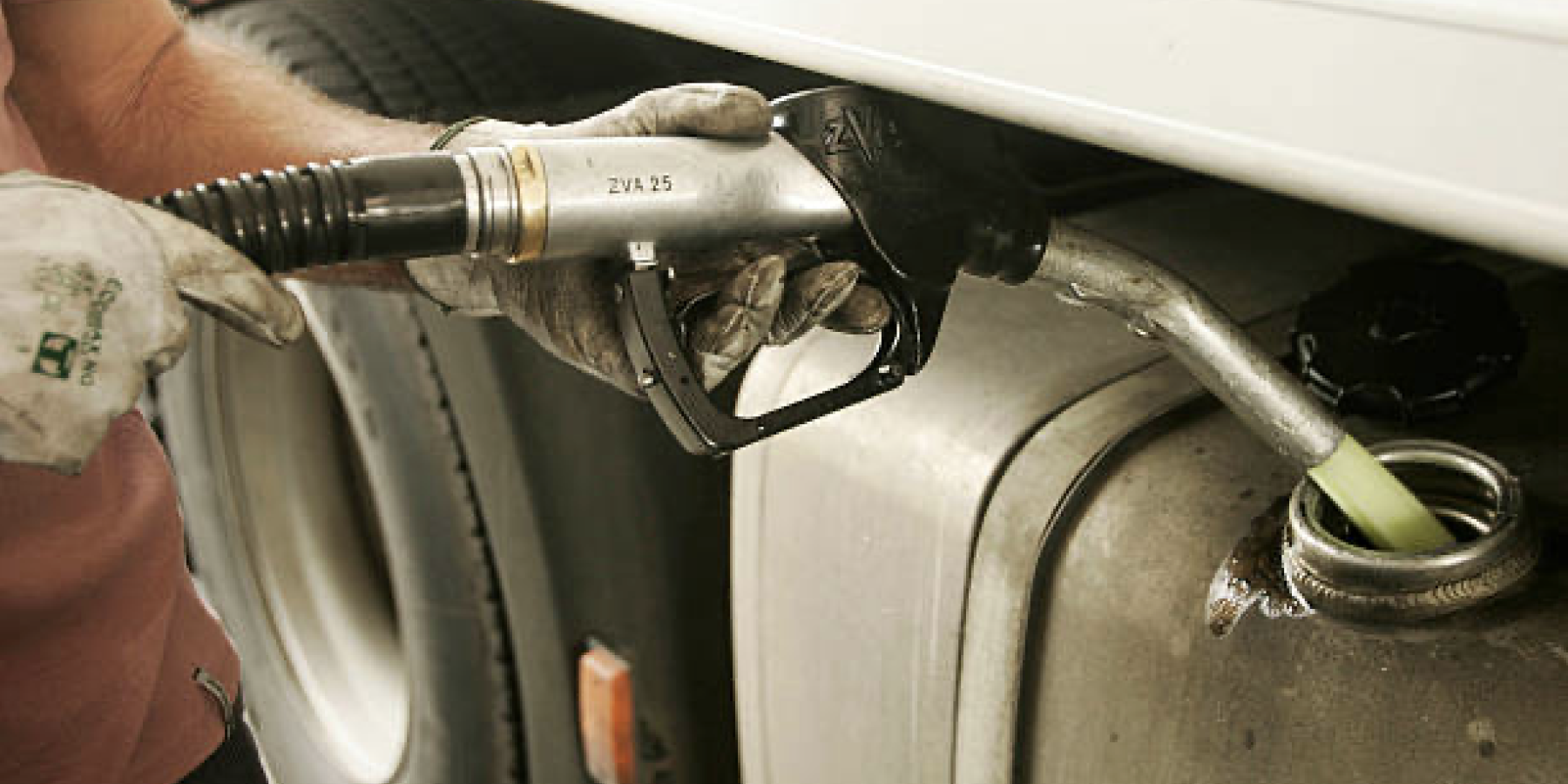
By keeping a close watch on your fuel consumption in your business, you will be able to intervene where necessary. Our analytics feature will give you a detailed report on how your fuel is being consumed. Mandatory greenhouse gas (GHG) reporting for businesses has been implemented in 40 countries worldwide, to help reduce carbon emissions. In India this is currently run on a voluntary basis to explore the possibility of implementing a mandatory reporting scheme in the future. But given the urgency to reduce emissions, it is likely to be made mandatory soon.
It would certainly help your business to implement these measures sooner rather than later so that you are prepared when the legislation is passed. It is everyone’s responsibility to ensure that we take care of our planet, so please do your part!
5. Keep your vehicles in good condition
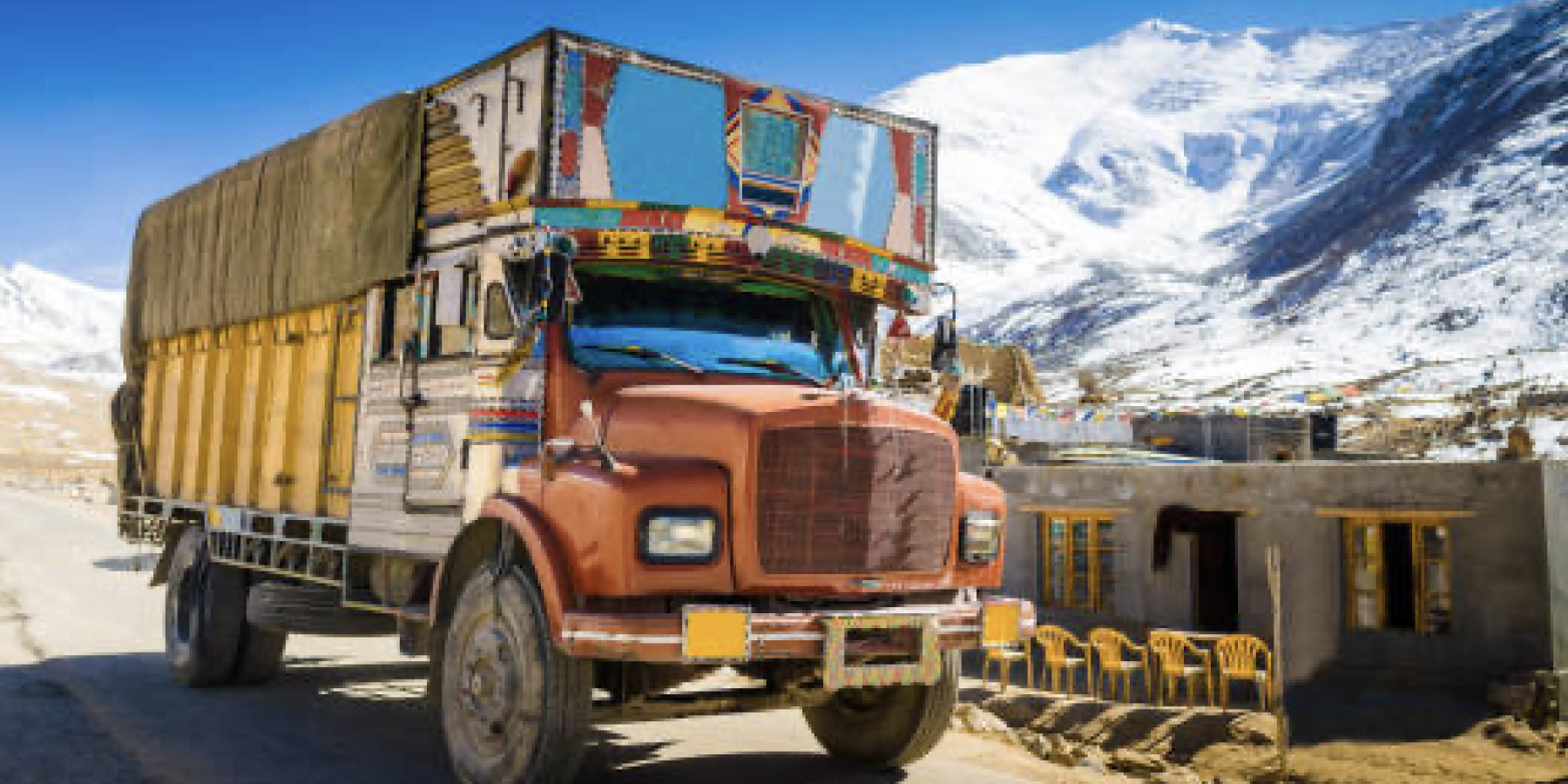
Vehicle maintenance is one of the key preventative measures you can take to reduce your emissions. Scheduling regular maintenance for your business vehicles will ensure clean and efficient running of engines. Even performing basic checks such as maintaining proper tyre pressure can improve your fuel economy. A 2013 study by the Energy Saving Trust claims that driving with tyres under-inflated by 25% will increase fuel consumption by approximately 2%. Incorrect tyre pressure also increases the wear and tear, meaning replacement tyres are required more frequently.
Replacing oil and fuel filters, and worn spark plugs, and using top quality fuel in your engines will also help make vehicles more fuel efficient and help reduce harmful emissions. By conducting regular inspections and maintenance, studies have shown that your business could potentially reduce the CO2 emissions of its vehicles by 35%!
6. Cut out unwanted journeys
Route optimization software can help you cut out those short and unnecessary journeys. By optimising your route, you can reduce the number of vehicles on the road and still make the same number of deliveries. Not only will you be able to operate your fleet more efficiently, you can also cut down on the maintenance costs involved, and save your business (a lot of) money! Less vehicles = fewer emissions.
Managing climate change and it effects will take tremendous change and effort on everyone’s part, and Fleetx is ready to do our bit to help businesses transform their operations. If you want to be a part of this change, reach out to us and let us know how we can help you reduce your carbon emissions while scaling your business to new heights.
Sustainable Logistics Trends Shaping the Future
The logistics and transportation industry is undergoing a significant transformation as businesses strive to balance operational efficiency with environmental responsibility. Increasing fuel costs, stricter environmental regulations, rising customer expectations, and corporate sustainability goals are driving the adoption of innovative technologies across the supply chain. Organizations that proactively embrace these trends can reduce emissions, improve profitability, strengthen compliance readiness, and gain a competitive advantage in an increasingly sustainability-focused market.
Electrification of Fleets
The transition toward electric vehicles (EVs) is gaining momentum across the logistics sector. Many businesses are incorporating electric trucks, vans, and last-mile delivery vehicles into their operations to reduce dependence on fossil fuels and lower greenhouse gas emissions. Government incentives, improving battery technology, and expanding charging infrastructure are making EV adoption more viable than ever before. While full fleet electrification may take time, many organizations are already implementing hybrid fleet strategies that combine conventional and electric vehicles to achieve measurable sustainability improvements.
AI-Powered Route Optimization
Artificial intelligence is revolutionizing fleet operations by enabling highly efficient route planning. Modern AI-driven systems analyze real-time traffic conditions, weather patterns, delivery schedules, vehicle capacity, road restrictions, and historical trip data to determine the most efficient routes. This helps reduce unnecessary mileage, fuel consumption, and vehicle idle time while improving delivery performance. As AI algorithms continue to evolve, logistics companies will be able to achieve even greater efficiency gains and carbon emission reductions across their transportation networks.
Carbon Accounting and Sustainability Reporting
Businesses are facing increasing pressure from investors, customers, regulators, and stakeholders to measure and report their environmental impact. Carbon accounting platforms help organizations calculate emissions generated across their transportation and logistics operations, providing visibility into their carbon footprint. These systems support sustainability initiatives by identifying emission hotspots, tracking progress toward reduction targets, and simplifying ESG (Environmental, Social, and Governance) reporting requirements. Companies that establish robust carbon reporting practices today will be better prepared for future regulatory frameworks and sustainability mandates.
Smart Warehousing and Energy-Efficient Operations
Sustainability efforts extend beyond transportation and into warehousing and distribution facilities. Smart warehouses leverage automation, IoT sensors, energy-efficient lighting, intelligent HVAC systems, and optimized inventory management to reduce energy consumption and operational waste. Advanced warehouse technologies can also improve inventory accuracy and minimize unnecessary product movements, contributing to lower overall supply chain emissions. As organizations seek end-to-end sustainability, smart warehousing is becoming a critical component of green logistics strategies.
Telematics and Connected Vehicle Ecosystems
Telematics technology continues to play a central role in sustainable fleet management. Connected vehicle systems provide real-time visibility into vehicle location, fuel usage, engine performance, driver behavior, idle time, maintenance requirements, and route efficiency. This data enables fleet managers to identify opportunities for operational improvements and implement targeted sustainability initiatives. By transforming raw operational data into actionable insights, telematics helps organizations make informed decisions that reduce costs, improve asset utilization, and lower carbon emissions.
Predictive Maintenance and Asset Optimization
Future fleet operations will increasingly rely on predictive maintenance technologies powered by AI and IoT sensors. Rather than waiting for breakdowns to occur, businesses can monitor vehicle health continuously and identify potential issues before they become serious problems. Well-maintained vehicles consume less fuel, produce fewer emissions, and operate more efficiently throughout their lifecycle. Predictive maintenance also reduces downtime, extends asset life, and supports long-term sustainability objectives.
Data-Driven Sustainability Decision Making
One of the most important trends shaping the future of logistics is the growing use of data analytics for sustainability management. Organizations now have access to vast amounts of operational data that can be used to measure environmental performance and guide strategic decisions. By combining telematics, fuel analytics, route optimization, maintenance data, and emissions reporting, businesses can build comprehensive sustainability programs that deliver measurable environmental and financial benefits.
As environmental regulations continue to evolve and sustainability becomes a core business priority, organizations that invest in these technologies today will be better positioned to reduce emissions, improve operational resilience, meet stakeholder expectations, and create a more sustainable logistics ecosystem for the future.
Frequently Asked Questions About Reducing Carbon Emissions in Logistics
What is carbon emission reduction in logistics? ▼
Carbon emission reduction in logistics refers to the process of lowering greenhouse gases generated during transportation, warehousing, fleet operations, and supply chain activities. Most logistics emissions come from fuel-powered trucks, delivery vehicles, and inefficient transportation practices. Every unnecessary kilometer traveled, excessive engine idling event, traffic delay, or poorly maintained vehicle contributes to higher carbon emissions.
Modern logistics companies are increasingly adopting technologies such as fleet management software, route optimization systems, fuel management platforms, GPS tracking, and predictive maintenance tools to reduce their environmental impact. These solutions help organizations improve operational efficiency while lowering fuel consumption.
For businesses operating in India, particularly in Delhi NCR, Gurgaon, Mumbai, Bengaluru, and Pune, carbon reduction is becoming a strategic priority. Rising fuel prices, growing ESG expectations, sustainability commitments, and future regulatory requirements are encouraging companies to monitor and reduce their carbon footprint.
Reducing emissions not only supports environmental goals but also delivers measurable business benefits. Companies often experience lower fuel expenses, reduced maintenance costs, improved fleet productivity, stronger customer trust, and enhanced sustainability reporting capabilities. As supply chains become increasingly data-driven, organizations that proactively manage emissions are better positioned to remain competitive while contributing to a more sustainable logistics ecosystem.
Why is reducing fleet emissions important for businesses in India? ▼
Reducing fleet emissions is important because transportation remains one of the largest contributors to operational carbon emissions across India. Commercial vehicles transport goods between manufacturing facilities, warehouses, distribution centers, retailers, and customers every day. As freight movement continues to grow, so does the environmental impact of logistics operations.
Businesses in Delhi, Mumbai, Gurgaon, Bengaluru, Pune, and other major economic hubs face increasing pressure from customers, investors, regulators, and stakeholders to demonstrate sustainability initiatives. Many companies now include Environmental, Social, and Governance (ESG) metrics within their long-term business strategies.
Lower fleet emissions often translate directly into lower fuel consumption. Since fuel represents one of the largest transportation expenses, reducing emissions frequently results in significant operational savings. Organizations can achieve these reductions through route optimization, driver behavior monitoring, predictive maintenance, and fuel management programs.
Emission reduction also strengthens brand reputation. Customers increasingly prefer suppliers and logistics partners that demonstrate environmental responsibility. Companies that adopt sustainable transportation practices often gain competitive advantages in procurement processes and long-term partnerships.
As India continues investing in sustainable infrastructure and environmental initiatives, businesses that start reducing emissions today will be better prepared for future regulations while simultaneously improving profitability and operational efficiency.
What is the best fleet management software for reducing carbon emissions? ▼
The best fleet management software for reducing carbon emissions combines GPS tracking, route optimization, fuel monitoring, driver behavior analytics, maintenance management, and operational reporting within a single platform. These capabilities provide visibility into activities that directly influence fuel consumption and greenhouse gas emissions.
Businesses should look for software that identifies inefficient routes, excessive idling, fuel theft, vehicle underutilization, harsh braking, rapid acceleration, and maintenance issues. Addressing these inefficiencies can significantly reduce fuel consumption and improve fleet performance.
For logistics companies operating across India, particularly in Delhi NCR, Gurgaon, Mumbai, Bengaluru, and Pune, advanced fleet management platforms provide real-time decision-making capabilities that help managers optimize transportation operations continuously.
Important features include route planning, fuel analytics, geofencing, predictive maintenance, driver scorecards, emissions reporting, vehicle utilization tracking, and mobile accessibility. Enterprise organizations often prioritize scalability and AI-powered analytics, while small and medium-sized businesses may focus on affordability and ease of deployment.
The ideal solution is one that aligns with operational goals, sustainability objectives, fleet size, and budget requirements. When implemented effectively, fleet management software can reduce fuel costs, improve productivity, support ESG initiatives, and deliver measurable carbon emission reductions across transportation operations.
How does route optimization help reduce carbon emissions? ▼
Route optimization is one of the most effective strategies for reducing carbon emissions in logistics. It uses real-time traffic information, delivery schedules, historical travel data, road conditions, and vehicle capacity information to identify the most efficient routes for transportation operations.
Without route optimization, drivers often travel unnecessary distances, encounter avoidable congestion, and spend more time idling in traffic. These inefficiencies increase fuel consumption and produce additional greenhouse gas emissions.
For businesses operating in congested regions such as Delhi NCR, Mumbai, Bengaluru, and Pune, route optimization can significantly improve delivery efficiency. By reducing travel distance and minimizing traffic delays, companies can lower fuel usage while maintaining service quality.
Modern route planning solutions continuously adapt to changing conditions. If an accident, road closure, or traffic bottleneck occurs, the system can recommend alternative routes that reduce delays and fuel waste.
Beyond sustainability benefits, route optimization also improves customer satisfaction through faster deliveries, enhances vehicle utilization, lowers maintenance costs, and increases driver productivity. For many logistics companies, route optimization delivers one of the fastest returns on investment while supporting long-term environmental goals.
How much does fleet management software cost in India? ▼
The cost of fleet management software in India varies depending on fleet size, features, implementation requirements, hardware needs, and vendor capabilities. Small businesses typically spend between ₹300 and ₹1,500 per vehicle per month for basic GPS tracking and fleet monitoring solutions.
Mid-sized logistics companies often invest between ₹1,000 and ₹3,500 per vehicle monthly for advanced capabilities such as route optimization, fuel monitoring, driver behavior analytics, maintenance scheduling, and operational reporting.
Enterprise organizations with large fleets may choose customized solutions that include transportation management systems, AI-powered analytics, predictive maintenance, fuel management, video telematics, and ESG reporting. Pricing for enterprise deployments can vary significantly depending on complexity and scale.
Businesses in Delhi, Gurgaon, Mumbai, Bengaluru, and Pune should evaluate total ownership costs rather than focusing solely on subscription pricing. Factors such as implementation support, training, integration, hardware installation, maintenance, and customer support also influence overall investment.
While costs vary, many organizations achieve positive returns through lower fuel expenses, reduced maintenance costs, improved utilization, decreased idle time, and better route planning. These operational savings often offset software investments while supporting sustainability and carbon reduction objectives.
What are the top carbon reduction strategies for transportation fleets? ▼
The most effective carbon reduction strategies focus on improving operational efficiency and reducing fuel consumption across transportation networks. Since fuel usage directly impacts emissions, even small efficiency improvements can produce significant environmental benefits.
Route optimization remains one of the highest-impact strategies because it reduces unnecessary mileage and idle time. Driver behavior improvement programs also deliver measurable results by addressing speeding, harsh braking, rapid acceleration, and excessive idling.
Predictive maintenance helps vehicles operate more efficiently by identifying mechanical issues before they increase fuel consumption. Proper tire pressure management, engine maintenance, and routine inspections further support fuel efficiency.
Fuel monitoring systems help organizations identify unusual consumption patterns and prevent fuel theft. Many businesses also improve sustainability through load optimization, ensuring vehicles operate near their intended capacity and reducing the number of trips required.
Companies in India increasingly leverage telematics, AI-powered analytics, GPS tracking, and transportation management systems to support these initiatives. Organizations that combine multiple strategies often achieve the greatest reductions in emissions while simultaneously lowering operating costs and improving customer service performance.
How can businesses in Delhi NCR reduce logistics-related carbon emissions? ▼
Businesses operating in Delhi NCR face unique logistics challenges due to traffic congestion, urban density, delivery complexity, and rapidly growing transportation demand. These conditions often increase idle time, fuel consumption, and vehicle emissions.
One of the most effective solutions is implementing route optimization technology that helps drivers avoid congested roads and peak traffic periods. Real-time navigation systems can significantly improve transportation efficiency across Delhi, Noida, Ghaziabad, Faridabad, and Gurgaon.
Fleet managers should also monitor driver behavior and vehicle utilization. Excessive idling, harsh acceleration, and poor route planning frequently contribute to unnecessary fuel waste. Telematics systems provide visibility into these behaviors and support corrective actions.
Regular maintenance programs ensure engines, brakes, tires, and fuel systems operate efficiently. Poorly maintained vehicles consume more fuel and generate higher emissions, making preventive maintenance a critical sustainability strategy.
Organizations that leverage fleet management software, fuel analytics, predictive maintenance, and operational reporting can substantially reduce carbon emissions while improving delivery performance. These initiatives support both environmental objectives and long-term cost reduction across Delhi NCR transportation networks.
How can logistics companies in Gurgaon improve sustainability performance? ▼
Gurgaon has emerged as one of India's leading logistics, technology, and supply chain hubs. With increasing freight movement and urban expansion, sustainability has become an important focus for logistics companies operating in the region.
Organizations can improve sustainability by implementing fleet management software that provides visibility into vehicle performance, fuel consumption, route efficiency, maintenance requirements, and driver behavior. Access to accurate operational data enables better decision-making and faster identification of inefficiencies.
Route optimization is particularly valuable because it minimizes unnecessary travel and reduces time spent in congested traffic corridors. Companies can also improve sustainability by monitoring idle time, reducing fuel waste, and maximizing vehicle utilization.
Many businesses are investing in ESG reporting capabilities to track and communicate environmental progress. Carbon accounting systems help identify major emission sources and measure the impact of sustainability initiatives over time.
By combining telematics, predictive maintenance, route planning, fuel monitoring, and operational analytics, Gurgaon-based logistics companies can improve environmental performance while simultaneously lowering costs, increasing productivity, and strengthening customer trust.
What are the best ways for Mumbai fleets to reduce fuel consumption? ▼
Mumbai's dense urban environment creates significant transportation challenges that can increase fuel consumption and carbon emissions. Heavy traffic congestion, frequent stops, limited road capacity, and complex delivery schedules make fuel efficiency a major concern for fleet operators.
Route optimization technology can help drivers avoid congestion hotspots and identify more efficient travel paths. Even small reductions in travel time can generate meaningful fuel savings when applied across large fleets.
Driver behavior management is another effective strategy. Monitoring speeding, harsh braking, excessive acceleration, and unnecessary idling helps businesses reduce fuel waste and improve vehicle performance.
Fleet managers should also focus on preventive maintenance. Well-maintained engines, properly inflated tires, and optimized vehicle systems consume less fuel and generate fewer emissions. Maintenance analytics can identify vehicles that require attention before efficiency declines significantly.
Organizations operating in Mumbai can further improve sustainability through load optimization, delivery clustering, telematics monitoring, and fuel management systems. Combined, these initiatives help reduce operating costs, improve fleet productivity, and support long-term environmental objectives.
How does predictive maintenance reduce carbon emissions? ▼
Predictive maintenance uses data, sensors, telematics, and analytics to identify potential vehicle issues before they become serious mechanical problems. This approach improves fleet reliability while supporting sustainability initiatives.
Vehicles with poorly maintained engines, worn components, clogged filters, or tire pressure issues often consume significantly more fuel than properly maintained vehicles. Increased fuel consumption directly contributes to higher carbon emissions.
Predictive maintenance systems continuously monitor vehicle health and alert fleet managers when maintenance is required. Addressing issues early prevents performance degradation and helps vehicles operate at peak efficiency.
For logistics companies managing large fleets across India, predictive maintenance reduces unplanned breakdowns, extends asset life, lowers repair costs, and improves operational consistency. These benefits create both financial and environmental value.
Organizations that integrate predictive maintenance with fleet management software, fuel analytics, and telematics platforms gain a comprehensive view of fleet performance. This visibility enables proactive decision-making that reduces emissions while improving productivity, reliability, and long-term operational sustainability.
What is carbon reporting and ESG reporting in logistics? ▼
Carbon reporting refers to the measurement, tracking, and disclosure of greenhouse gas emissions generated by business operations. ESG reporting expands this concept by evaluating environmental, social, and governance performance across the organization.
For logistics companies, carbon reporting often focuses on fuel consumption, vehicle emissions, transportation activities, warehouse energy usage, and supply chain operations. Businesses use this information to understand their environmental impact and identify improvement opportunities.
Investors, customers, regulators, and stakeholders increasingly expect organizations to provide transparency regarding sustainability performance. Companies that establish reliable reporting processes are often better positioned to meet future compliance requirements and sustainability commitments.
Modern fleet management systems support carbon reporting by collecting data on fuel usage, mileage, idle time, route efficiency, maintenance performance, and driver behavior. This information can be used to estimate emissions and track progress toward reduction targets.
As sustainability becomes a core business priority across India, ESG and carbon reporting are expected to play a larger role in procurement decisions, investor evaluations, and long-term corporate strategy.
How can Fleetx help businesses achieve sustainability and carbon reduction goals? ▼
Fleetx helps organizations reduce carbon emissions by improving visibility, efficiency, and control across transportation operations. Through technologies such as GPS tracking, route optimization, fuel management, predictive maintenance, driver behavior monitoring, and fleet analytics, businesses can identify inefficiencies that contribute to excessive fuel consumption.
Route optimization capabilities help reduce unnecessary mileage and idle time, while fuel monitoring provides insights into consumption patterns and potential losses. Driver behavior analytics encourage safer and more fuel-efficient driving practices that support sustainability goals.
Predictive maintenance features ensure vehicles remain in optimal operating condition, helping reduce fuel waste and prevent costly breakdowns. Operational dashboards and analytics provide decision-makers with actionable insights for continuous improvement.
For organizations operating across India, including Delhi NCR, Gurgaon, Mumbai, Bengaluru, and Pune, these capabilities support both environmental and financial objectives. Businesses can reduce operating costs while improving fleet productivity and lowering emissions.
By leveraging data-driven fleet management, companies can build scalable sustainability programs, strengthen ESG performance, improve customer confidence, and create long-term operational advantages while contributing to a more sustainable logistics ecosystem.