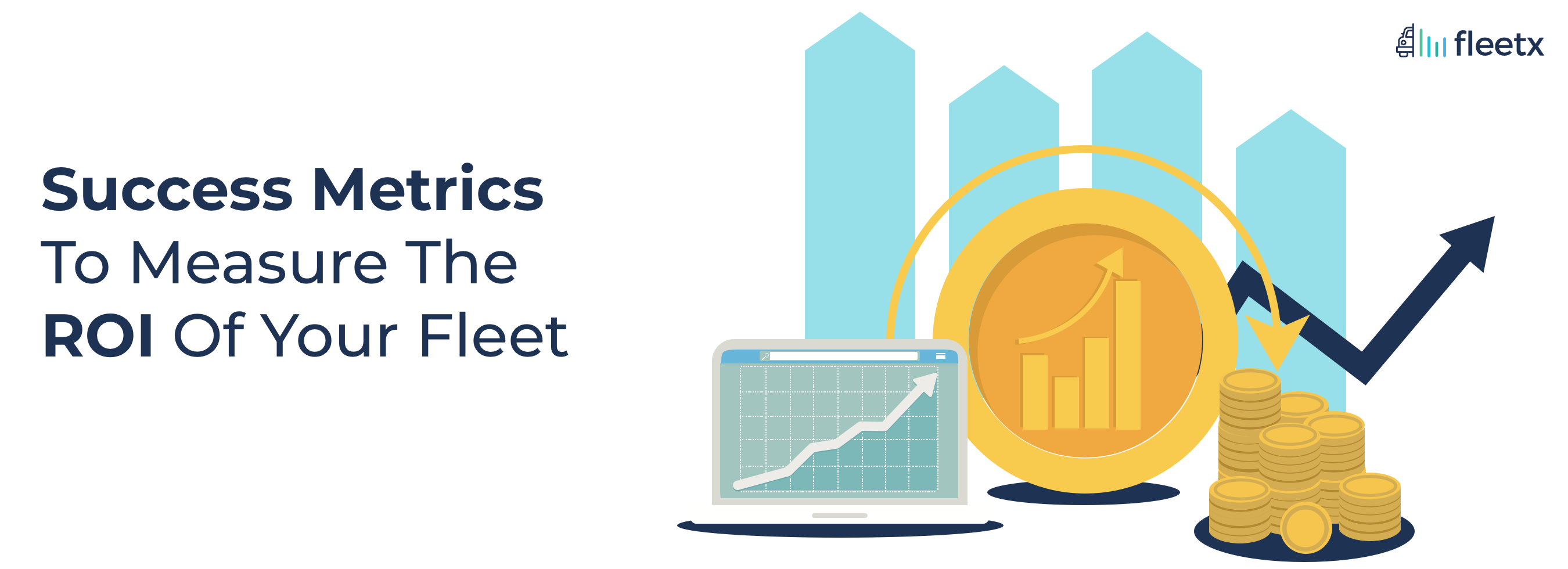
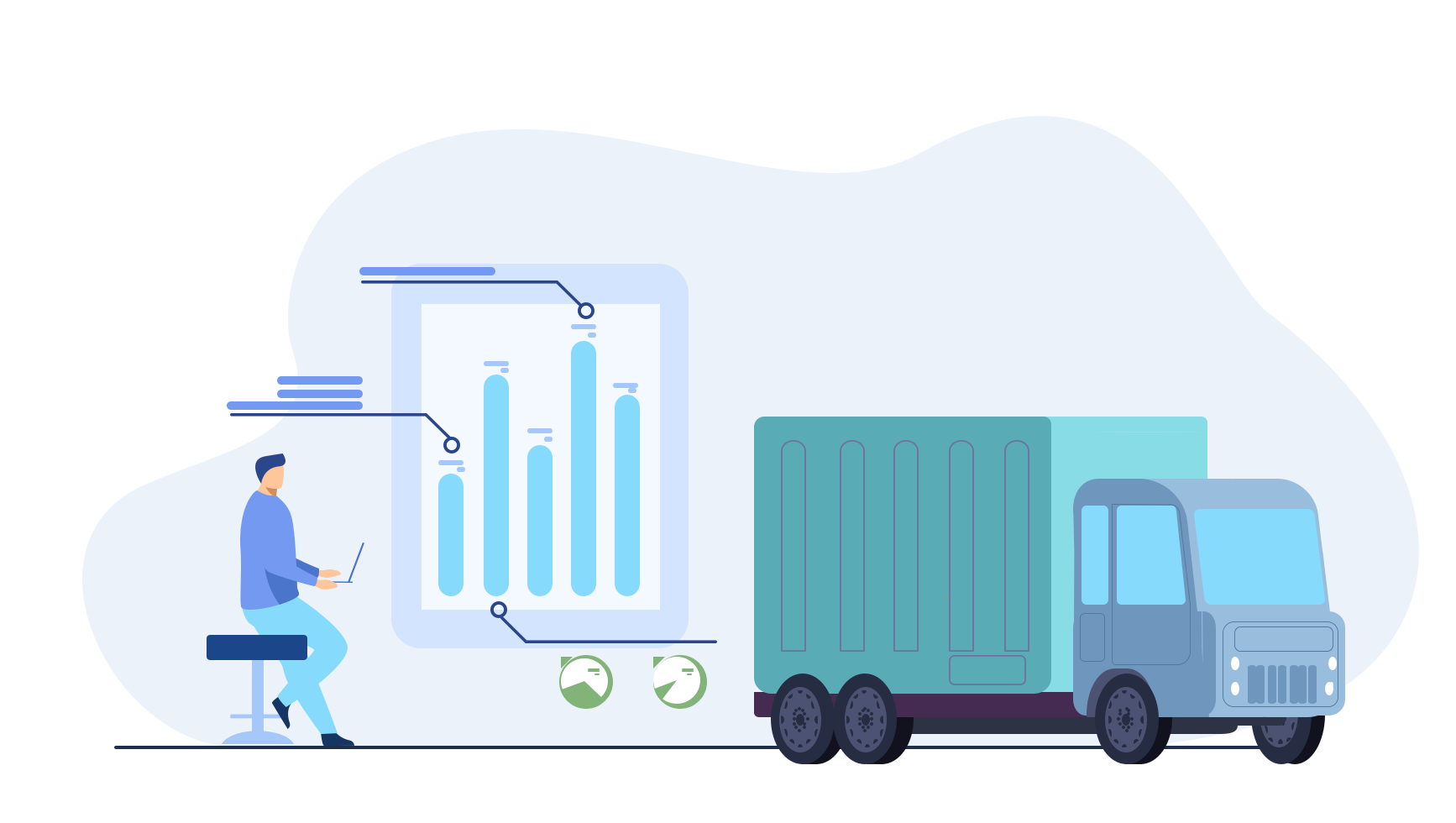
To stay afloat -and succeed- in the competitive world of fleet management today, it is essential for you to stay on top of analytics, innovate in the business and make good business decisions. And to us, good decisions start with an investment in fleet management software! With the help of the data that is collected from your fleet, you can track specific metrics to measure your growth. In the current scenario, companies that are able to use technology to their advantage will see greater returns on their investment.
From improving customer service, to increasing driver productivity and optimising routes, fleet management software plays an important role in enhancing your business operations, and connects you to real-time information. It can also significantly contribute to measurable ROI, both in terms of the technology investment itself, and in generating cost savings across a number of core business areas.
Measuring Success:
In a competitive business environment, it’s important to set organizational benchmarks that measure your growth and success. Establishing fleet success metrics that try to measure performance in areas such as fleet productivity, revenue, operational costs, and fuel efficiency (among others) helps fleet managers meet their targets, and understand where they can improve their efforts.
Fleet success metrics give business leaders the opportunity to define what success looks like. Keeping an eye on these metrics will help businesses leaders meet their organisational goals on a daily, weekly, monthly and yearly basis.
How Fleet Management Solutions Can Help You Grow
A good ROI is one in which the benefits of a solution or an investment compare well to the cost of a said solution. To measure this, you will have to identify your Key Performance Indicators (KPIs).
KPIs will vary from organisation to organisation, and might depend on the size of your fleet. To help you get started on measuring your road to success, we’ve got a list of indicators that you can keep an eye on to measure the ROI of your fleet.
1) Fuel Usage:
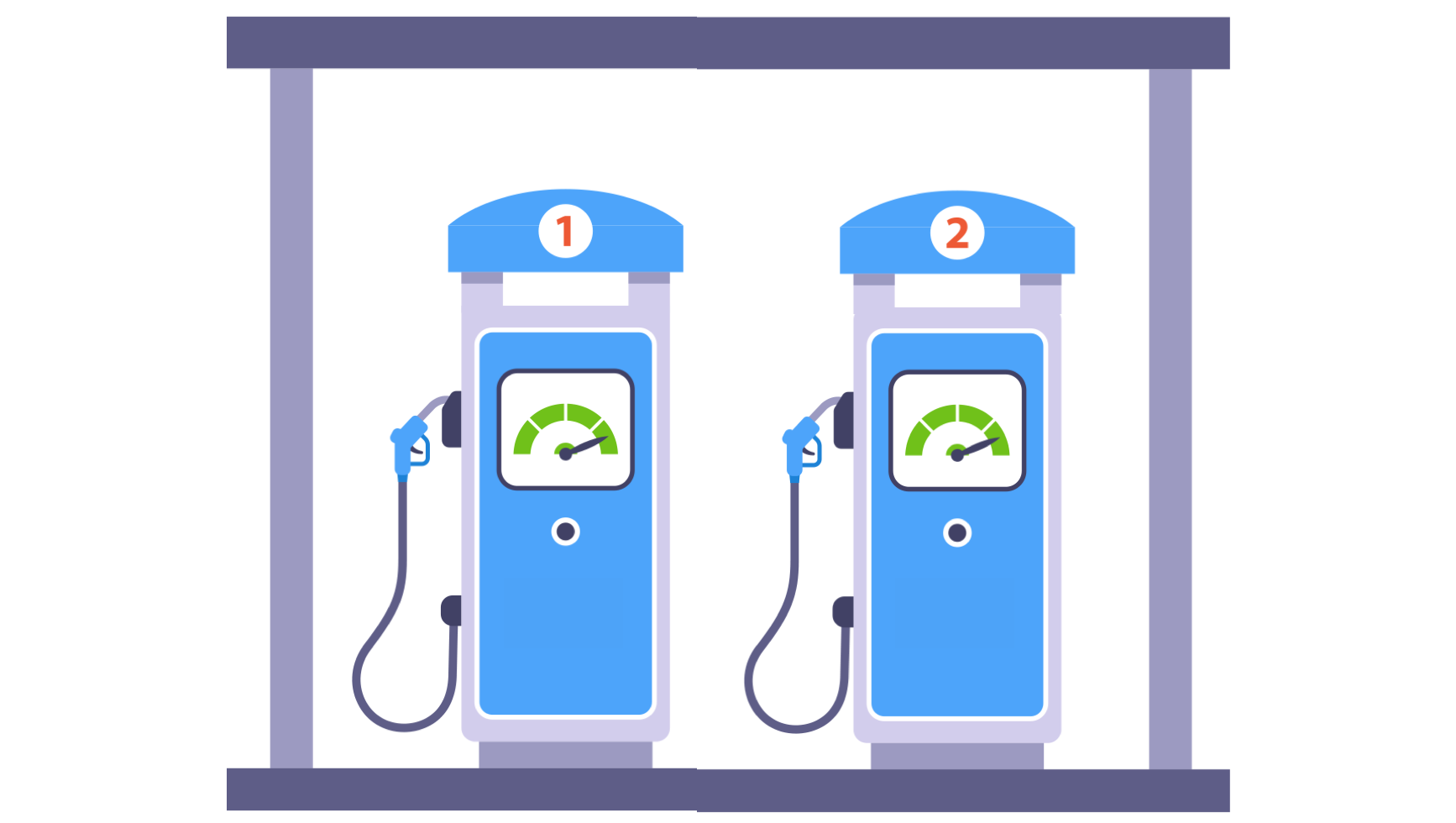
Having a system to monitor and calculate fuel costs and consumption in real-time will improve your fuel-saving capacity over time and optimize your budgeting process.
Fleet management software helps you gain a comprehensive understanding of your fuel economy by providing you with the metrics of its usage. You will be able to track cost-per-mile and predict future scenarios. A look at historical data can help you identify patterns of wastage, giving you the chance to plug those holes.
Manually tracking fuel consumption is a poor use of time, and receipts can either be forged or lost by the drivers. With fleet management software and telematics devices, drivers can easily log fuel entries into a mobile app, and fleet managers can rest easy knowing that all fuel costs are accounted for.
Metrics to track: mileage, fuel consumed per hour, fuel spent while idling, fuel spent on empty load journeys, etc.
2) Maintenance:
No matter the size of your fleet, surprise maintenance costs will cut into the revenue generated. The most effective method of controlling this is to actively engage in preventative maintenance (PM). It will help you lengthen the lifespan of your fleet and avoid costly repairs.
Fleet management software like Fleetx will not only help you implement a PM routine, it will track and analyze all routine maintenance for you! The software can give you information about the health of the entire fleet, as well as individual vehicle metrics so that you never have to miss out on maintenance appointments.
Monitoring health metrics can help you plan maintenance for your vehicles, as well as alert you to vehicles with recurring issues to determine replacement strategies. Establishing a good maintenance schedule is key to achieving a good ROI.
Metrics to track: per vehicle cost, monthly spending on repairs, no. of accidents, replacement time, tyre rotation, etc.
3) Operations
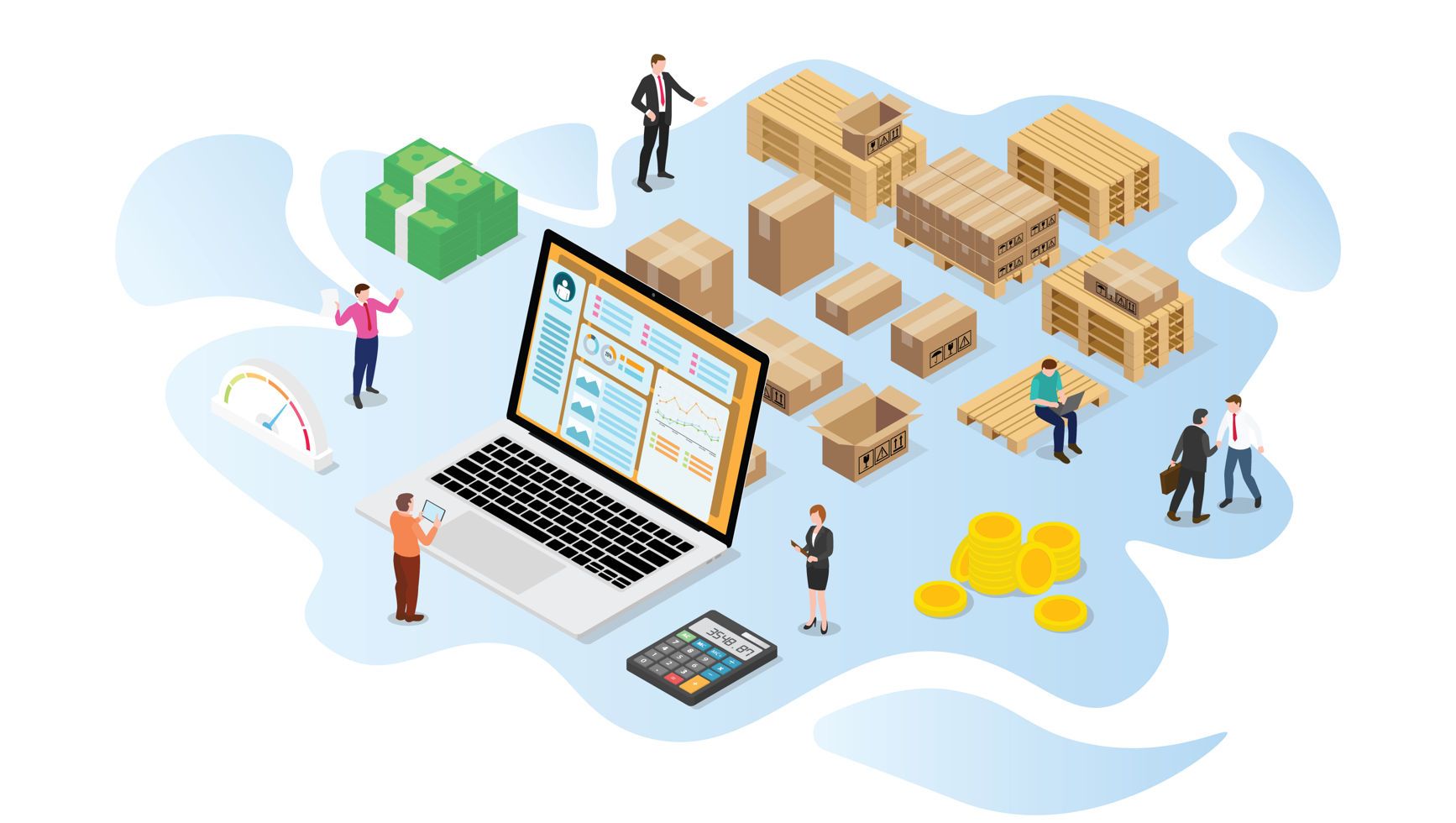
There are a lot of costs that one incurs while running a fleet, and manually keeping track of all the expenses is a difficult task. Fleet management software gives you the opportunity to input your operational expenses all in one place, and connect multiple people to the program so that all data collected is stored centrally.
These metrics will give you an idea of where you are spending your money, and an opportunity to optimise these costs so that they add value to your business. You can track fleet productivity patterns with the software, and analyse data to get more bang for your buck. You will have access to driver performance data, utilization of vehicles, employees salary, etc.
Telematics, combined with fleet management software provides fleet managers highly specific data to establish better productivity success metrics. These metrics will go a long way in realising a high ROI.
Metrics to track: utility of vehicles, no.of working hours, employee salary, driver performance, tolls, etc.
4) Asset Utilization:
A fleet is a big investment, so making the most out of them is essential to achieving a high ROI. Monitoring your assets will help maximize their lifespan. Tracking average hours of use or distance travelled per day not only keeps you on time with preventive maintenance (PM) scheduling as discussed above; it also helps you maintain a sustainable fleet size.
And what do we mean by sustainable fleet size? After using route optimisation software, you may discover that you don’t need so many vehicles to cover your delivery routes. These under-utilized vehicles in your fleet that can instead be better used, or sold for a profit. You may also discover your current fleet size can’t meet demand, and you will have the data that you need to make this investment.
Proper asset utilization levels will vary according to fleet size and organisational goals, but finding your fleet’s optimal utilization levels will help you turn higher profits and avoid unnecessary costs.
Metrics to track: distance travelled with and without load, avg. amount of time vehicles are utilised, number of vehicles in downtime, revenue generated, etc.
5) Deliveries:
Last-mile delivery is often the most expensive part of the logistics chain, so improving delivery metrics is an important step on the road to success. Optimising your loading and unloading times will ensure that your vehicles are not occupied for too long, because in this business... time is money!
Telematic devices will give you loading and unloading times for each vehicle so that you know how long your vehicles are occupied. You can even take steps to automate the process and reduce the amount of time that your vehicle is off the road.
Customer satisfaction is also an important metric for companies to consider, as a larger (and satisfied) customer base is likely to increase your ROI. Customer feedback on deliveries can be tracked through the fleet management program and necessary steps can be taken to provide them with better service.
Metrics to track: loading and unloading time, distance travelled with and without load, driver behaviour, customer satisfaction, turn around time, etc.
The bottom line:
Establishing fleet success metrics is an important step in meeting organisational goals in an industry where competition is high. Fleet managers can leverage telematics and fleet management software to give them an edge, and help the company innovate for the future. Fleetx can help you track the metrics that will push you over the line. Request a free demo today!
Frequently Asked Questions
What are fleet ROI metrics and why are they important for businesses?
Fleet ROI (Return on Investment) metrics are measurable indicators that help businesses understand whether their fleet operations are generating value compared to the money invested in vehicles, fuel, drivers, maintenance, telematics, and fleet management software. Instead of looking only at profits, ROI metrics evaluate operational efficiency through parameters such as fuel consumption, maintenance costs, vehicle utilization, driver productivity, idle time, delivery turnaround time, and customer satisfaction.
For companies operating across India, especially in logistics hubs such as Delhi NCR, Gurgaon, Mumbai, Bengaluru, and Pune, monitoring these metrics helps reduce operating expenses while improving service quality. Businesses handling long-distance transportation often discover that reducing idle time or optimizing routes provides greater savings than simply cutting fuel costs.
Fleet ROI metrics also support better decision-making by helping managers identify underperforming vehicles, inefficient routes, and recurring maintenance issues before they become expensive problems. Modern fleet management platforms combine GPS tracking, telematics, AI-based analytics, and predictive maintenance to provide real-time dashboards that simplify ROI measurement.
Whether managing 20 trucks or 2,000 commercial vehicles, consistently tracking fleet ROI metrics enables companies to improve profitability, increase asset utilization, enhance customer satisfaction, and make data-driven investment decisions that support long-term business growth.
How can fleet management software improve fleet ROI in India?
Fleet management software improves ROI by giving businesses complete visibility into vehicle operations, driver behaviour, fuel consumption, maintenance schedules, and delivery performance from one centralized dashboard. Rather than relying on manual records, companies receive real-time operational data that helps reduce unnecessary expenses and increase productivity.
Indian logistics businesses operating across Delhi, Gurgaon, Mumbai, Pune, Bengaluru, and other high-volume freight corridors often experience challenges such as traffic congestion, fuel theft, route deviations, vehicle downtime, and delayed deliveries. Modern fleet software addresses these challenges through GPS tracking, route optimization, fuel monitoring, predictive maintenance, driver scorecards, geofencing, and automated reporting.
Businesses can identify inefficient routes, reduce idle time, improve driver safety, schedule preventive maintenance before breakdowns occur, and maximize vehicle utilization. These improvements directly reduce operational costs while increasing fleet productivity.
Additionally, automated reports allow managers to measure KPIs such as cost per kilometer, fuel efficiency, trip completion rates, maintenance expenses, and asset utilization. Instead of making decisions based on assumptions, managers rely on accurate operational data.
For organizations looking to scale transportation operations while maintaining profitability, fleet management software becomes a strategic investment that consistently improves operational efficiency, customer satisfaction, and long-term return on investment.
Which fleet KPIs should companies monitor to measure fleet performance effectively?
The most valuable fleet KPIs depend on business goals, but several metrics consistently help organizations evaluate operational performance and profitability. Fuel efficiency remains one of the most critical indicators because fuel often represents the largest operating expense for commercial fleets.
Vehicle utilization measures how effectively assets are being used, helping companies determine whether vehicles are underutilized or overloaded. Maintenance cost per vehicle highlights recurring repair expenses and supports predictive maintenance planning. Driver behaviour metrics such as harsh braking, overspeeding, excessive idling, and rapid acceleration help improve safety while reducing maintenance and fuel costs.
Delivery-related KPIs include on-time delivery percentage, turnaround time, route adherence, loading and unloading duration, and customer satisfaction scores. Financial indicators such as cost per kilometer, operating cost per trip, revenue per vehicle, and overall fleet profitability provide a comprehensive picture of ROI.
Businesses operating throughout India, especially across Delhi NCR, Mumbai, Bengaluru, Pune, and Gurgaon, should also monitor compliance metrics, document expiry alerts, and trip-level profitability due to varying transportation regulations and operating conditions.
Tracking these KPIs consistently enables fleet managers to identify inefficiencies quickly, improve operational planning, reduce expenses, and maximize returns from every vehicle in the fleet.
What is the average cost of implementing fleet management software in India?
The cost of implementing fleet management software in India depends on the size of your fleet, the features required, hardware requirements, and the level of automation needed. Businesses with smaller fleets generally spend between ₹800 and ₹2,500 per vehicle per month for cloud-based fleet management platforms, while enterprise logistics companies operating hundreds or thousands of vehicles may receive customized pricing based on deployment scale.
Implementation costs may include GPS tracking devices, telematics hardware, driver mobile applications, software licensing, onboarding, API integrations, staff training, and ongoing support. Companies operating across Delhi NCR, Gurgaon, Mumbai, Bengaluru, and Pune often choose scalable SaaS platforms because they reduce upfront infrastructure investment while allowing businesses to add vehicles as operations grow.
When evaluating pricing, businesses should consider the long-term return on investment rather than simply selecting the lowest-cost solution. Features such as predictive maintenance, AI-powered route optimization, automated fuel monitoring, digital trip management, preventive maintenance scheduling, and driver behaviour analytics often generate significant savings by reducing fuel expenses, minimizing breakdowns, and improving vehicle utilization.
The best fleet management software providers typically offer flexible subscription plans, implementation assistance, product demonstrations, and custom enterprise packages. Before making a purchase decision, companies should compare feature sets, customer support quality, integration capabilities, reporting features, scalability, and expected ROI instead of focusing solely on software cost.
Which is the best fleet management software for improving fleet ROI?
The best fleet management software depends on your industry, fleet size, operational complexity, and business objectives. Organizations looking to improve fleet ROI should prioritize platforms that combine GPS tracking, AI-powered analytics, telematics, fuel monitoring, preventive maintenance, driver safety monitoring, route optimization, digital trip management, and advanced reporting within a single solution.
Businesses operating in Delhi, Gurgaon, Mumbai, Bengaluru, Pune, and across India often evaluate software based on scalability, ease of deployment, customer support, integration with ERP systems, and measurable operational improvements. A good solution should provide real-time visibility into every vehicle while helping managers monitor fuel consumption, vehicle health, maintenance schedules, delivery performance, and driver productivity.
Modern fleet management software also supports predictive maintenance, automated alerts, electronic proof of delivery, digital documentation, compliance tracking, and customizable dashboards. These features help reduce manual work while improving operational efficiency and customer service.
Rather than selecting software based only on brand recognition, businesses should compare implementation timelines, onboarding support, reporting capabilities, API integrations, mobile accessibility, and expected return on investment. Requesting a live demonstration and conducting a pilot deployment with a portion of the fleet often provides valuable insights before rolling out the platform across the entire organization.
How do logistics companies in Delhi NCR and Gurgaon improve fleet profitability?
Logistics companies operating in Delhi NCR and Gurgaon face challenges including heavy traffic congestion, frequent delivery schedules, multiple warehouse locations, urban restrictions, rising fuel costs, and increasing customer expectations for faster deliveries. Improving fleet profitability requires a combination of operational efficiency, technology adoption, and continuous performance monitoring.
Fleet management software helps businesses optimize delivery routes using live traffic information, reduce unnecessary idling, improve vehicle utilization, automate dispatch planning, and monitor driver performance in real time. Companies can identify inefficient trips, minimize route deviations, schedule preventive maintenance, and reduce vehicle downtime through predictive analytics.
Businesses also improve profitability by monitoring important KPIs such as cost per trip, fuel consumption, on-time delivery rate, turnaround time, vehicle utilization, maintenance expenditure, and driver behaviour. Automated reporting allows managers to make faster operational decisions while reducing administrative effort.
Many transportation companies serving Delhi NCR and Gurgaon also integrate warehouse management systems, transport management software, GPS tracking, electronic proof of delivery, and AI-driven analytics to streamline end-to-end logistics operations. These technologies collectively reduce operational costs, improve customer satisfaction, increase asset utilization, and generate stronger long-term return on investment across commercial fleet operations.
How can logistics companies in Mumbai improve fleet efficiency and maximize ROI?
Mumbai's logistics ecosystem presents unique operational challenges due to dense traffic, congested delivery routes, port connectivity, unpredictable travel times, and high operating costs. Businesses transporting goods across the city need efficient fleet management strategies to maintain profitability while meeting customer expectations. Measuring fleet ROI through key performance indicators such as fuel consumption, turnaround time, vehicle utilization, maintenance costs, driver productivity, and on-time deliveries helps companies identify areas for continuous improvement.
Fleet management software enables logistics businesses to monitor vehicles in real time, optimize delivery routes, reduce idle time, automate preventive maintenance, and improve dispatch planning. AI-powered route optimization can help drivers avoid traffic bottlenecks, while predictive maintenance minimizes unexpected vehicle breakdowns that disrupt deliveries. Businesses also benefit from digital trip records, automated reporting, and fuel monitoring that reduce manual work and improve operational visibility.
Companies serving Mumbai's retail, manufacturing, FMCG, and e-commerce sectors increasingly use telematics and fleet analytics to improve customer service while lowering operating expenses. When combined with regular KPI reviews and data-driven decision-making, these technologies help maximize fleet utilization, improve driver performance, and deliver a stronger return on investment. Businesses that continuously measure and optimize these operational metrics are better positioned for long-term growth in highly competitive logistics markets.
What are the top strategies for increasing fleet ROI while reducing operating costs?
Improving fleet ROI requires businesses to reduce unnecessary costs while increasing productivity across every stage of fleet operations. One of the most effective strategies is implementing fleet management software that provides real-time visibility into vehicles, drivers, fuel consumption, maintenance schedules, and delivery performance. This enables fleet managers to identify inefficiencies quickly and take corrective action before costs escalate.
Other important strategies include optimizing delivery routes, reducing excessive idling, monitoring driver behaviour, scheduling preventive maintenance, improving vehicle utilization, minimizing empty return trips, and using predictive analytics to prevent costly breakdowns. Businesses should also monitor key performance indicators regularly, including cost per kilometre, maintenance expenses, turnaround time, fuel efficiency, asset utilization, customer satisfaction, and revenue generated per vehicle.
Organizations operating across India, including Delhi, Gurgaon, Mumbai, Bengaluru, and Pune, often benefit from integrating GPS tracking, telematics, transport management systems, electronic proof of delivery, and automated reporting into a single operational platform. This improves decision-making while reducing paperwork and manual errors.
Ultimately, the best long-term ROI comes from continuous performance measurement rather than one-time improvements. Companies that consistently analyze operational data, invest in employee training, and leverage modern fleet technologies are better equipped to reduce operating costs, improve service quality, and achieve sustainable business growth.