
As a key part of your organisation, your drivers need to be skilled and competent at their job. They represent your company and are the ones that deal with customers on a daily basis. They will determine how your company is perceived, and can make or break your business. Risky driver behaviour can cost your organisation a lot of money, time and resources if this is a recurring problem. Some of Fleetx’s products are geared towards improving driver performance through technological solutions, but making them undergo training for their personal skills will benefit both your organisation, as well as your drivers.
Driver training should include a period at the time of their onboarding, followed by regular training and development programs during their time at your organisation. Training is essential for teaching safety skills to new drivers and should be part of an ongoing strategy. Maintaining a safe fleet requires regular effort, and there is no one solution for improving drivers' skills and behaviour.
For safety training to be effective, it should ideally be supported by other actions related to fleet management. These include:
- Management and motivation of drivers through supervision, coaching and leadership
- Effective organisation and allocation of work
- Vehicles should be well-maintained, and safety checks should be carried out regularly because good drivers don’t belong in badly maintained vehicles!
Designing an effective training program
To start things off, you will need to build a fleet safety program that specifically addresses your organisation’s needs. To do this, you need to have a good understanding of the current risks associated with your drivers, vehicles and daily operations. Using fleet analysis tools to analyse historical data relating to accidents, theft, and poor behaviour will help you conduct your risk assessment.
Developing a full profile of your drivers’ behaviour and their individual skill level will allow you to be more effective and proactive in your training efforts. For example, analysing information on speeding or harsh braking will help you understand what kind of interventions are needed to reduce accidents, and identify the drivers that require this training.
After identifying the problems, establishing performance indicators or benchmarks will help you understand your current situation better, and visualise the way forward.
Fleet management software is a great support tool for training programs because it allows you to store all driver-related information in one place and track their progress through regular reports. This information can be used to generate risk profiles and highlight potential training needs in the future.
Choosing an effective training approach is the next important step. There are a variety of training methods to choose from, and each of them have their advantages as well as disadvantages. To help you make this decision, we’ve compiled them into a list.
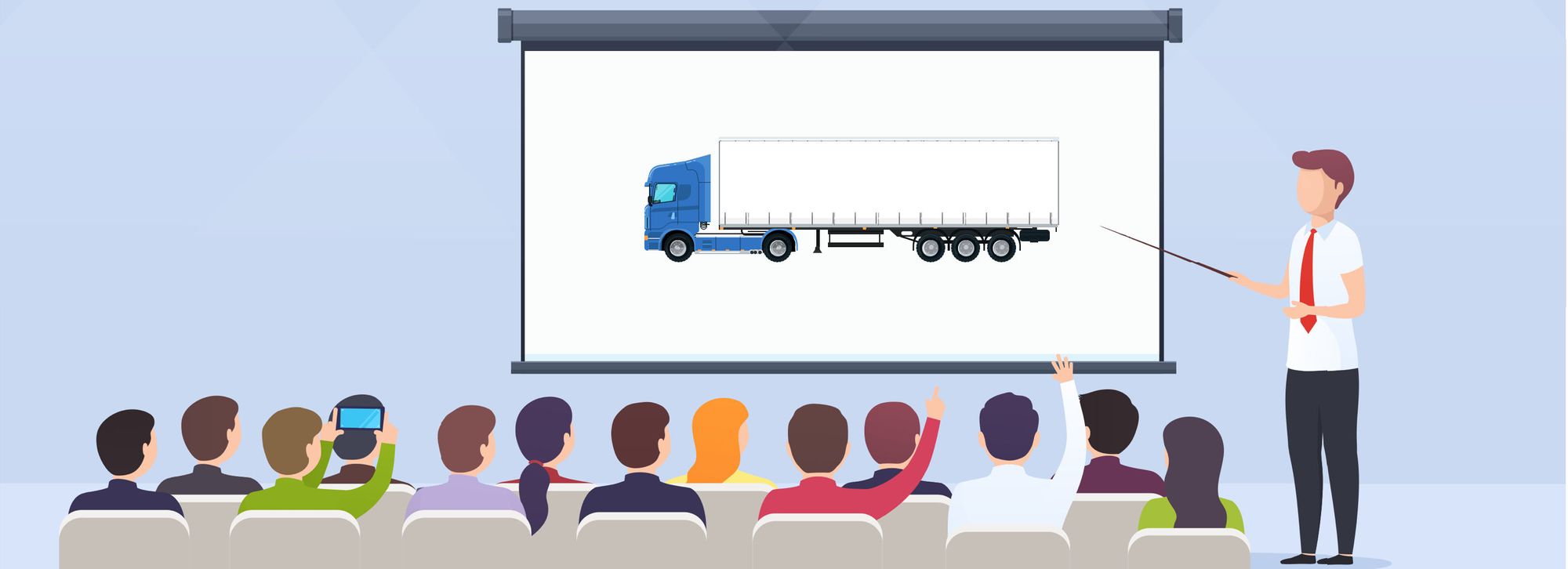
- Group sessions and training workshops: A cost-effective method that allows you to train a lot of people at the same time. This method can be used to address common challenges like first-aid training or understanding road regulations. This method is not suitable for individual driver specific challenges, they are ideally suited to onboarding training.

- Online training programs: This is also a comparatively inexpensive solution and can be created to address individual concerns. Scheduling becomes easy, and these sessions can be divided into modules that can be completed over a period of time. They are useful for ongoing training, or remedial training in the event of an accident. However, your drivers need to be able to access the internet and feel comfortable attending these online sessions. If not executed properly, they will not make an impact.
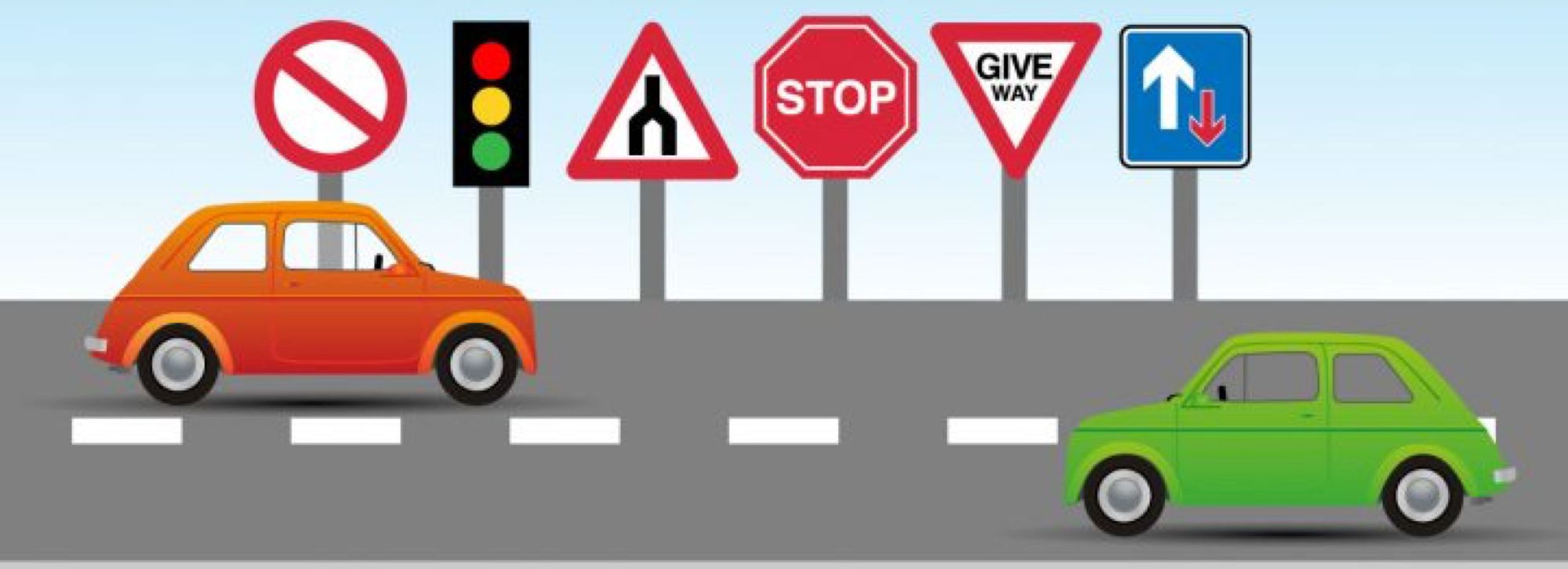
- On-road training: This method is especially effective for sessions on vehicle handling and road safety. It is also useful for training drivers on specialised vehicles and equipment. During these sessions, the instructor can work with the driver one-on-one to effectively convey the required knowledge. The disadvantage of this method is that it can be time consuming and expensive, especially if you have a large fleet.

- Driver coaching: This method of training can be used for post-incident reviews, and can be supplemented by data collected through the telematics systems. It can help you and your driver reflect on the cause of the event, identify the events leading up to it and lead to a better understanding of why it happened. This will help in improving decision making skills for the future. However, this is also a time consuming and expensive process.
Onboarding training
While processing new recruits, driving-related training should be an integral part of the onboarding process. This can include sessions on the driver's handbook, road safety regulations, getting familiar with their future vehicles, vehicle controls and safety features. Drivers can also be briefed on relevant organisational challenges like theft, security procedures, etc.
This initial training, if carried out well, can address essential aspects of their role and the risks involved. These can cover:
- Defensive driving
- Tiredness and fatigue management
- Self-awareness on-road
- First aid training
- HIV/AIDS awareness camps (in high risk environments)
Ongoing training
These follow-up training sessions should be informed by regular driver assessments and company requirements. Monitoring your drivers performance with the help of fleet management software will allow you to create and adjust your training programs according to the need of the hour. This additional training can build on the training received during onboarding, and can help your drivers practice these skills. It is recommended to carry out refresher courses after a fixed period. These can include:
- Economic driving practices
- Defensive driving skills
- Fatigue and tiredness management
- New vehicle and equipment handling
Driver development
Invest in your drivers’ development! You can create a program that allows drivers to graduate through several steps, which correspond to higher skill levels and responsibilities in the organisation. This could be in the format of a graduated progression from bronze to silver to gold standard driver for example. Gold standard drivers can be expected to have a higher level of technical knowledge than employees that drive for daily work purposes.
Promotions from one level to another can be awarded on the basis of (for example) an accident free record, or passing specific training courses. A system like this will also incentivise your drivers to develop their skills and rise to higher positions within your organisation.
Benefits of driver safety training programs
Implementing driver safety programs can bring significant improvements to your business. Working with an established fleet management company like Fleetx can provide your business with support in setting up your driver safety program, and can ensure that you benefit from these training courses. Here are a few of these benefits to get you started:

- Reduce risk of accidents and injuries: The cost of a single accident can set your business back by quite a large amount. Medical expenses, legal fees, property damage and increases in health and disability insurance premiums account for a large percentage of these expenses. Driver safety programs are an investment in the safety of your own employees, as well as that of the people who share the road with your drivers.

- Higher productivity: Fewer accidents and injuries on the road means decreased downtime and improved productivity throughout your organization. Through driver training programs, you can significantly reduce the number of accidents that take your drivers and vehicles off the road.

- Establish clear organisational guidelines: Making your drivers undergo training will ensure that they are aware of their responsibilities and expectations while they are on the road. These can include guidelines on vehicle health, prohibition of alcohol or drugs while driving, safety regulations, etc.
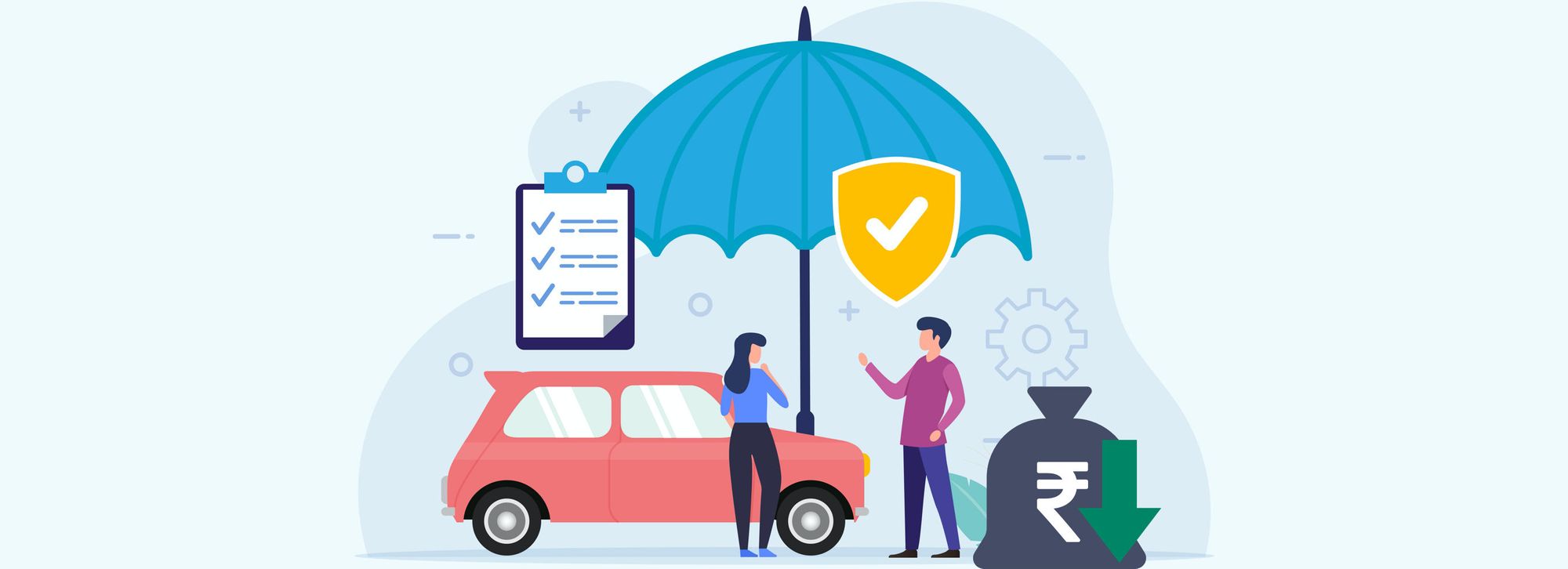
- Lower insurance costs: Some insurance companies offer discounted rates for organisations that implement driver safety training and monitoring systems for their vehicles. Whether you have a small or large fleet, the savings will be substantial over time.

- Job satisfaction: The knowledge and skills acquired during driver safety training courses can be applied by your drivers both on and off the job. By investing in these advanced training opportunities, your company indicates its commitment to its employees and their safety. This can boost morale throughout your organisation, and ensure that your drivers feel valued for their work.
The bottom line:
If you want to understand how fleet management software like Fleetx can help keep your drivers and vehicles safe, please reach out to our team for a chat! We can discuss your organisational goals, identify gaps and find the solutions that will help you fill them.
Safe travels!
Frequently Asked Questions
What is fleet driver training and why is it important for commercial fleets?
Fleet driver training is a structured program designed to improve the driving skills, safety awareness, compliance knowledge, and operational efficiency of commercial vehicle drivers. It typically begins during driver onboarding and continues through refresher courses, defensive driving sessions, vehicle-specific training, fatigue management, accident prevention, and coaching based on real driving behaviour. Modern fleet driver training also incorporates telematics data, AI-powered driver scorecards, dashcam footage, and GPS analytics to identify risky driving patterns and provide personalized coaching.
For logistics companies, transporters, manufacturers, FMCG distributors, e-commerce businesses, and construction fleets, driver training directly impacts operational performance. Well-trained drivers are more likely to reduce harsh braking, speeding, unnecessary idling, fuel wastage, and accidents while improving customer service and delivery reliability. Businesses also experience lower vehicle maintenance costs because disciplined driving reduces wear on brakes, tyres, engines, and transmissions.
Across India, especially in logistics hubs such as Delhi NCR, Gurgaon, Mumbai, Bengaluru, and Pune, fleet operators are increasingly investing in continuous driver development rather than one-time induction programs. With rising compliance requirements, insurance expectations, and customer service standards, driver training has become an important component of fleet management strategies instead of merely a regulatory exercise.
When integrated with fleet management software, driver training becomes measurable. Managers can monitor driving behaviour, identify high-risk drivers, schedule targeted coaching sessions, and continuously improve fleet safety while lowering overall operating costs and enhancing business reputation.
How does fleet driver training improve road safety, fuel efficiency, and business performance?
Driver behaviour has a direct influence on nearly every operational cost associated with commercial transportation. Professional fleet driver training helps drivers adopt safer driving habits that reduce accident frequency, improve fuel efficiency, minimize vehicle downtime, and increase delivery reliability. Training programs generally cover defensive driving, speed management, anticipation techniques, distraction avoidance, fatigue awareness, emergency handling, vehicle inspections, and customer interaction.
Businesses that combine driver training with GPS tracking, video telematics, and AI-powered driver analytics gain even greater benefits. Fleet managers can identify unsafe behaviours such as harsh acceleration, aggressive cornering, rapid braking, excessive idling, seat belt violations, or mobile phone usage. These insights allow organizations to conduct targeted coaching instead of generic training sessions, making every intervention more effective.
For companies operating across Delhi, Gurgaon, Mumbai, Pune, Bengaluru, and other high-traffic Indian cities, even small improvements in driver behaviour can produce substantial savings over time. Reduced accident claims, lower insurance premiums, improved vehicle availability, fewer maintenance issues, and higher customer satisfaction all contribute to measurable business outcomes.
Beyond financial benefits, driver training strengthens regulatory compliance and workplace safety culture. Drivers feel more confident, managers gain better visibility into fleet performance, and customers receive safer, more reliable deliveries. As logistics networks become increasingly technology-driven, continuous driver development remains one of the highest-return investments for fleet operators seeking sustainable operational excellence.
What are the best practices for building an effective fleet driver training program?
An effective fleet driver training program starts with understanding the specific risks associated with your fleet instead of applying the same curriculum to every driver. Businesses should first analyse accident records, telematics reports, maintenance history, speeding incidents, harsh braking events, fuel consumption, and driver performance trends. This information helps identify training priorities that directly affect operational efficiency.
A comprehensive program generally includes onboarding training, defensive driving, vehicle familiarisation, fatigue management, cargo safety, first-aid awareness, compliance education, customer service, eco-driving practices, and regular refresher courses. Practical on-road coaching should complement classroom or online learning to ensure drivers can apply new skills in real operating conditions.
Modern organizations increasingly use fleet management software to automate driver scorecards, monitor KPIs, and schedule coaching sessions. AI-driven analytics help managers identify high-risk drivers early while tracking improvements after training. This data-driven approach ensures continuous improvement instead of one-time compliance training.
Companies operating across India—including Delhi NCR, Gurgaon, Mumbai, Bengaluru, and Pune—often manage diverse fleets consisting of trucks, tankers, buses, trailers, construction vehicles, and delivery vans. Training programs should therefore be customized according to vehicle type, cargo requirements, routes, customer expectations, and regulatory obligations.
The most successful organizations also create driver recognition programs where safe driving achievements, accident-free milestones, fuel-efficient performance, and compliance records are rewarded. Combining technology, structured coaching, performance measurement, and positive reinforcement creates a long-term safety culture that benefits both drivers and the business.
How much does fleet driver training cost in India, and what factors influence the pricing?
The cost of fleet driver training in India varies depending on the fleet size, training format, vehicle type, trainer expertise, technology used, and the level of customization required. For smaller fleets, basic classroom or online driver safety programs may cost approximately ₹1,500–₹5,000 per driver. Practical on-road coaching, defensive driving certification, or specialized heavy commercial vehicle training generally ranges between ₹5,000–₹15,000 per driver. Large enterprises often negotiate annual training contracts or integrate driver coaching with fleet management software, video telematics, and AI-based driver monitoring platforms.
Implementation costs may also include telematics devices, dashcams, learning management systems, trainer fees, travel expenses, reporting dashboards, and recurring refresher programs. While these investments increase the initial budget, they frequently generate measurable returns through reduced accident rates, lower insurance claims, decreased vehicle downtime, better fuel economy, and improved driver retention.
Fleet operators in Delhi, Delhi NCR, Gurgaon, Mumbai, Bengaluru, and Pune often prefer bundled solutions where driver behaviour monitoring, GPS tracking, maintenance alerts, and training analytics are managed through a single fleet management platform. This simplifies reporting while ensuring continuous coaching based on real driving behaviour instead of periodic classroom sessions alone.
Rather than selecting the lowest-cost training provider, businesses should evaluate expected return on investment, quality of instruction, reporting capabilities, scalability, post-training support, and compatibility with existing fleet technologies. A comprehensive training program often delivers significantly greater long-term savings than its upfront implementation cost.
What is the best fleet management software for improving driver training and driver safety?
The best fleet management software is one that combines driver behaviour monitoring, GPS tracking, AI-powered analytics, maintenance management, video telematics, reporting, and coaching tools within a single platform. Instead of relying solely on classroom instruction, modern software continuously evaluates driving performance using real-time operational data, enabling businesses to deliver personalized coaching that addresses each driver's specific risks.
Important capabilities to consider include driver scorecards, harsh braking detection, speeding alerts, fatigue indicators, route optimization, geofencing, fuel monitoring, maintenance scheduling, dashcam integration, compliance reporting, mobile applications for drivers, and customizable management dashboards. Organizations should also look for software that integrates with transportation management systems and enterprise resource planning platforms to streamline logistics operations.
For businesses operating across India—including Delhi NCR, Gurgaon, Mumbai, Bengaluru, and Pune—cloud-based fleet management solutions provide centralized visibility over geographically distributed fleets while supporting regional compliance requirements and multilingual operations. Companies with expanding logistics networks benefit from scalable platforms that can accommodate additional vehicles, drivers, and operational locations without significant infrastructure changes.
Rather than selecting software based solely on price, organizations should evaluate ease of implementation, customer support, reporting quality, AI capabilities, integration options, mobile accessibility, cybersecurity standards, and long-term scalability. The most effective platforms not only monitor fleet performance but also help organizations continuously improve driver safety, operational efficiency, customer satisfaction, and overall transportation costs.
How can logistics companies in Delhi, Gurgaon, and Delhi NCR improve fleet safety through driver training?
Fleet operators across Delhi, Gurgaon, and the wider Delhi NCR region face unique transportation challenges that make structured driver training particularly valuable. Heavy traffic congestion, frequent stop-and-go driving, urban delivery schedules, highway freight movement, construction activity, pollution, and rapidly changing road conditions all increase operational risks. Without continuous coaching, these conditions often contribute to higher accident rates, fuel consumption, vehicle wear, and delivery delays.
An effective regional driver training program should include defensive driving techniques, urban traffic management, fuel-efficient driving practices, fatigue management, vehicle inspection procedures, emergency response protocols, customer service standards, and compliance with commercial transport regulations. Businesses should supplement classroom learning with telematics-based coaching that identifies speeding, harsh braking, excessive idling, route deviations, and other risky behaviours.
Many logistics companies in Delhi NCR also integrate AI-powered fleet management software with video telematics to monitor driver performance in real time. Managers can automatically identify coaching opportunities, measure post-training improvements, and maintain detailed compliance records for insurance and operational reporting.
As same-day deliveries, e-commerce logistics, FMCG distribution, manufacturing transportation, and construction projects continue expanding across Gurgaon and Delhi NCR, investing in continuous driver development helps businesses improve safety, reduce operating costs, increase customer satisfaction, and strengthen their overall competitive advantage in one of India's busiest logistics markets.
How can fleet operators in Mumbai, Bengaluru, and Pune reduce accidents through continuous driver training?
Fleet operators in Mumbai, Bengaluru, and Pune face different operational challenges, but all three cities experience heavy traffic, growing commercial transportation demand, and increasing pressure to improve delivery efficiency while maintaining road safety. Continuous driver training enables businesses to proactively reduce accident risks by improving driver awareness, defensive driving techniques, fatigue management, route discipline, and compliance with company safety policies.
Modern driver development programs extend far beyond onboarding. Fleet managers can use GPS tracking, AI-powered driver scorecards, video telematics, and dashcams to identify unsafe driving behaviours such as speeding, harsh acceleration, distracted driving, excessive idling, and sudden braking. These insights allow businesses to provide targeted coaching based on actual driving performance instead of generic classroom sessions.
Companies operating urban delivery fleets, long-haul trucking operations, manufacturing logistics, cold chain transportation, and construction fleets can significantly reduce vehicle downtime, maintenance costs, insurance claims, and fuel consumption through continuous coaching. Regular refresher courses also help drivers adapt to changing regulations, vehicle technologies, and operational requirements.
For organizations expanding across multiple Indian cities, standardized driver training supported by fleet management software creates consistent safety standards throughout the business. This results in improved customer service, higher driver confidence, better compliance, stronger brand reputation, and measurable long-term improvements in fleet productivity and operational efficiency.
What features should businesses look for in top fleet management software to support driver training?
Top fleet management software should do more than simply track vehicle locations. It should provide actionable insights that help businesses improve driver behaviour, fleet safety, operational efficiency, and regulatory compliance. An ideal solution combines GPS vehicle tracking, AI-powered analytics, driver scorecards, maintenance scheduling, fuel management, route optimization, geofencing, mobile applications, video telematics, and automated reporting within a single platform.
Businesses should prioritize software that allows managers to identify high-risk driving events, assign corrective training, monitor coaching progress, and measure improvements over time. Integration with dashcams, transportation management systems (TMS), ERP software, and maintenance platforms can further streamline fleet operations while reducing manual administrative work.
Cloud-based solutions are particularly beneficial for companies operating across India, including Delhi NCR, Gurgaon, Mumbai, Bengaluru, and Pune, because they provide centralized visibility over distributed fleets without requiring significant IT infrastructure. Custom dashboards, multilingual support, mobile accessibility, and automated compliance reporting are additional features that improve day-to-day fleet management.
When evaluating software vendors, businesses should compare implementation support, customer service, data security, scalability, reporting capabilities, AI functionality, pricing transparency, and long-term return on investment. Selecting a platform that continuously supports driver development alongside operational management enables organizations to build safer, more productive, and more cost-efficient transportation networks.
Why should businesses combine fleet driver training with fleet management software instead of relying only on manual supervision?
Manual supervision alone often makes it difficult to consistently evaluate driver performance across large fleets. Managers may only become aware of unsafe behaviour after an accident, customer complaint, or vehicle breakdown. By combining structured driver training with fleet management software, businesses can continuously monitor driving behaviour, identify risks early, and provide timely coaching based on objective operational data.
Modern fleet platforms collect information such as speeding events, harsh braking, rapid acceleration, excessive idling, route deviations, fuel consumption, maintenance history, and driver working hours. AI-powered analytics transform this information into driver scorecards and coaching recommendations, allowing managers to prioritize interventions for drivers who present the greatest operational risk.
This technology-driven approach is particularly valuable for logistics companies operating across India, including Delhi, Delhi NCR, Gurgaon, Mumbai, Bengaluru, and Pune, where fleets often cover long distances, complex urban routes, and multiple customer locations. Continuous monitoring ensures that training remains relevant as driving conditions, regulations, and business requirements evolve.
Businesses also benefit from improved compliance, lower insurance costs, fewer accidents, reduced maintenance expenses, better fuel efficiency, higher customer satisfaction, and stronger operational visibility. Instead of treating driver training as a one-time activity, integrating it with fleet management software creates an ongoing improvement cycle that enhances driver safety, protects valuable fleet assets, and supports sustainable business growth.