
In today's world, businesses that regularly transport goods must consider the environmental impact of their logistics practices. Green logistics is the solution to minimizing harm to the environment, from storage and order processing to packaging and last-mile delivery. By adopting these practices, logistics companies can reduce their carbon footprint while increasing efficiency and reducing costs. A significant benefit of green logistics is that it can help businesses improve their brand image and stay competitive in a market where 68% of shoppers plan to base future purchases on a brand's commitment to sustainability.
Furthermore, an IBM Research Insights report shows that 57% of consumers are willing to change their eCommerce purchasing habits to reduce their environmental impact. Companies that are adjusting their supply chains and logistics systems to meet these new expectations are realizing the benefits of investing in sustainable solutions. Although only 10% of companies in one survey distinguished themselves based on having the most eco-friendly delivery service, the right technology and supply chain strategies can reduce costs and boost brand image. Green logistics, especially for last-mile logistics, offers a win-win solution for businesses, reducing carbon emissions and overhead costs while meeting customers' expectations.
Green logistics and its importance
According to SAP, any business technique that reduces the environmental impact of the logistics network and delivery is considered green logistics. Sustainable logistics, often known as green logistics, ensure a healthy bottom line without sacrificing consumer satisfaction or the environment's well-being. Intelligent firms are racing to understand and implement sustainable logistics management, aided by cutting-edge technology like artificial intelligence, machine learning, and sophisticated analytics.
There is a need for businesses to adopt green logistics practices in order to meet environmental regulations, reduce operating costs, and improve their brand image. It also points out that consumers are increasingly environmentally conscious and more likely to purchase from companies that have environmentally-friendly practices.
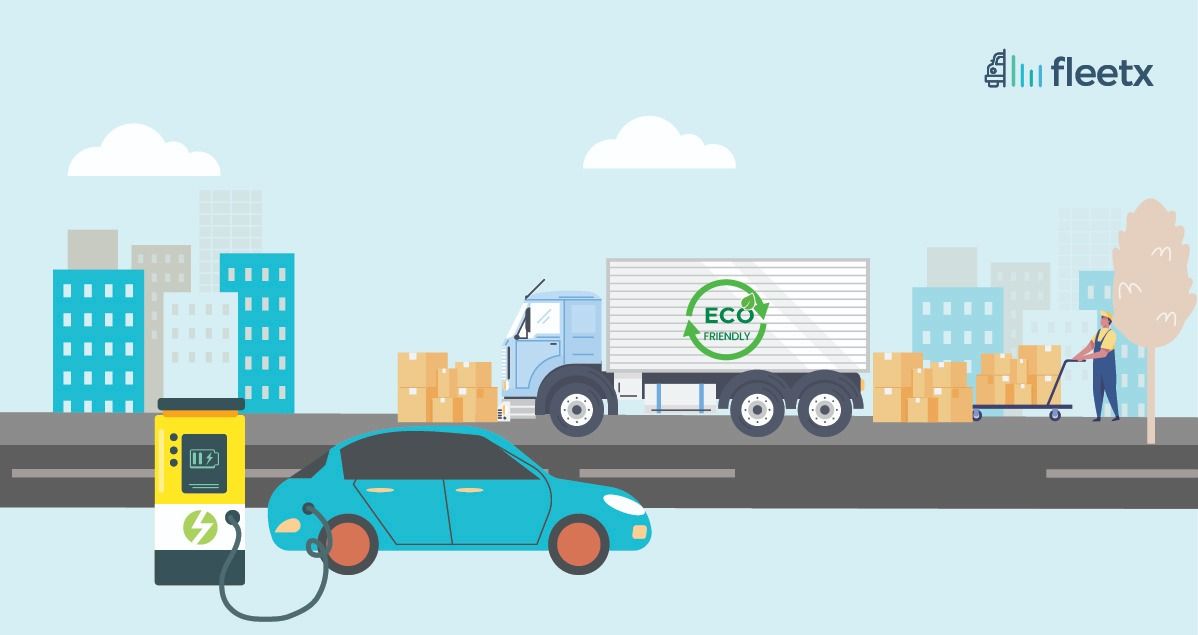
To achieve green logistics, businesses can implement various strategies such as route optimization, using fuel-efficient vehicles, and alternative energy sources. For example, by optimizing the routes for their vehicles, businesses can reduce the distance traveled, which leads to a reduction in fuel consumption and associated emissions. Furthermore, companies can use electric or hybrid vehicles, or even biofuel-powered trucks, to reduce the amount of pollution generated by their logistics operations.
Above all this technology plays an important role in achieving green logistics. As technology in enabling green logistics, including the use of advanced analytics and data management tools, digital supply chain platforms, and Internet of Things (IoT) devices. For example, digital platforms can enable real-time tracking of shipments and inventory, allowing companies to optimize their logistics operations and reduce waste.
Adding to this collaboration is key to achieving a more sustainable logistics industry. Collaboration between businesses, governments, and consumers is necessary to create a framework for sustainable logistics practices. Governments can create regulations that incentivize green logistics, while consumers can make purchasing decisions based on the environmental practices of businesses.
It is important for businesses to take a proactive approach to implementing green logistics practices, not only to benefit the environment but also to remain competitive in an increasingly environmentally-conscious market. Thus, Green logistics is an essential aspect of modern-day supply chain management, and businesses that adopt environmentally-friendly practices will be better positioned to meet regulatory requirements, reduce costs, and enhance their brand image.
Can automating logistics process help?
Businesses are always looking for inventive methods to enhance their profitability. Introducing logistics automation, can help in offering simplified procedures through digitization. And automating logistics processes can also help in achieving green logistics in several ways, including:
Route optimization and fuel consumption: By automating the route planning and optimization process, logistics organizations may reduce the distance traveled by their vehicles and optimize their delivery routes to reduce fuel consumption, pollution, and traffic congestion.
Efficient inventory management: Automated inventory management solutions can allow logistics organizations to decrease waste by avoiding overstocking or understocking. This not only minimizes waste but also the carbon footprint involved with the production and transportation of unnecessary goods.
Reducing paper usage: Automating logistics procedures can assist to minimize the consumption of paper and other resources, which in turn reduces the environmental effect of logistics operations. This can entail digitizing delivery documentation like packing lists and invoices, as well as shifting to electronic communication with suppliers and consumers.
Improving vehicle maintenance: Automated systems can monitor and track the state of logistics vehicles, ensuring regular maintenance and service. This minimizes the quantity of gasoline consumed by badly maintained vehicles as well as the pollutants produced by these vehicles.
Tracking and visibility in real time: Automated tracking systems can provide real-time visibility into the status of shipments, allowing logistics providers to respond swiftly to any difficulties that may develop, such as delays or delivery issues. This can assist decrease waste and eliminate excessive emissions caused by delays.
Logistics companies may reduce their environmental effect while simultaneously lowering costs and increasing efficiency by implementing these green logistics techniques. Green logistics is made possible by automated logistics procedures that reduce waste, improve efficiency, and reduce the environmental effect of logistical operations.
Pathway
In today's market, it's evident that environmental sustainability in the supply chain is a critical business objective. While not all businesses have adopted green logistics techniques, the benefits of doing so are clear. Businesses must consider sustainability in their logistics processes as last mile logistics operations scale up to meet demand. This includes implementing green technologies and working with environmentally conscious partners.
Companies that implement eco-friendly methods can gratify customers, reduce carbon emissions, and minimize fuel use as the relevance of green logistics develops. This not only saves energy for the company, but it also contributes to a better planet for future generations. In conclusion, emphasizing green logistics is a win-win situation for both businesses and the environment, and organizations who invest in sustainable logistics will reap the benefits in the long term.
Frequently Asked Questions on Sustainable Logistics
What is sustainable logistics? ▼
Sustainable logistics means planning, managing and optimizing transportation, warehousing, packaging and delivery operations in a way that reduces environmental impact while improving business efficiency. In simple terms, it helps companies move goods with lower fuel consumption, fewer emissions, better vehicle utilization and less operational waste.
For modern businesses in India, sustainable logistics is becoming important because fuel prices, customer expectations, ESG goals and regulatory pressures are all increasing. Companies that use route optimization, real-time tracking, digital proof of delivery, fuel monitoring and better fleet planning can reduce empty miles and improve delivery performance.
The best sustainable logistics strategies are not limited to electric vehicles. They also include smarter route planning, preventive maintenance, load optimization, paperless documentation, driver behavior monitoring and better warehouse-to-distribution coordination. These practices are especially useful for businesses operating in high-traffic regions such as Delhi NCR, Gurgaon, Mumbai, Bengaluru and Pune, where congestion and delivery delays directly increase fuel usage and carbon emissions.
Why is green logistics important for modern businesses in India? ▼
Green logistics is important for modern businesses in India because it helps reduce logistics costs, improve delivery efficiency and support environmental responsibility. India has a large and fast-growing transport and supply chain sector, and businesses are under pressure to deliver faster while controlling fuel expenses and reducing carbon emissions.
For companies in Delhi, Gurgaon, Mumbai, Bengaluru and Pune, traffic congestion, long waiting times, poor route planning and vehicle idling can increase fuel costs significantly. Green logistics solves these challenges by using route optimization, shipment visibility, smart dispatching and fleet management software to make logistics operations more efficient.
From an SEO, AEO and GEO perspective, the topic is also important because decision-makers often search for the best ways to reduce logistics costs, improve supply chain sustainability and adopt eco-friendly transport solutions. A strong green logistics strategy can help businesses:
- Reduce fuel consumption and vehicle idle time
- Improve delivery turnaround time
- Lower carbon footprint
- Enhance brand image with customers and partners
- Support ESG and sustainability reporting goals
How can route optimization help businesses achieve sustainable logistics? ▼
Route optimization is one of the top ways to achieve sustainable logistics because it helps vehicles travel shorter, faster and more efficient routes. Instead of depending on manual planning, businesses can use route optimization software to assign the best route based on delivery location, traffic conditions, vehicle capacity, delivery priority and route distance.
In cities such as Delhi, Gurgaon, Mumbai, Bengaluru and Pune, route optimization is especially useful because traffic congestion can increase fuel consumption, driver hours and delivery delays. A poorly planned route can lead to unnecessary kilometres, repeated stops, vehicle idling and higher operating costs.
With smart route planning, businesses can reduce fuel wastage, improve fleet productivity and lower emissions. For example, a distribution company making multiple deliveries across Delhi NCR can group nearby delivery points, avoid congested routes and reduce empty return trips. This improves delivery efficiency while supporting green logistics goals.
Typical route optimization software costs in India can vary depending on fleet size, features and integrations. Basic solutions may start from around ₹500 to ₹1,500 per vehicle per month, while advanced enterprise platforms with live tracking, analytics and automation may cost more based on customization.
What are the best green logistics practices for companies in Delhi NCR and Gurgaon? ▼
The best green logistics practices for companies in Delhi NCR and Gurgaon include route optimization, real-time vehicle tracking, fuel monitoring, vehicle maintenance automation, load planning and paperless delivery documentation. These practices help businesses reduce emissions, cut fuel costs and improve delivery performance in one of India’s busiest logistics regions.
Delhi NCR and Gurgaon have dense traffic movement, industrial clusters, warehouses, e-commerce hubs and high delivery volumes. Because of this, even small inefficiencies in route planning or fleet utilization can increase fuel consumption and delivery delays. Businesses can improve sustainability by using transport management systems and fleet management software to plan routes, track trips and monitor driver behavior.
Some top practices include:
- Using real-time GPS tracking to reduce vehicle idling
- Planning multi-stop routes to reduce unnecessary kilometres
- Monitoring harsh braking, overspeeding and fuel theft
- Digitizing proof of delivery to reduce paper usage
- Scheduling preventive maintenance to improve mileage
For Delhi NCR businesses, sustainable logistics is not only about environmental impact. It also improves operational control, customer experience and long-term cost savings.
How much does sustainable logistics software cost in India? ▼
The cost of sustainable logistics software in India depends on fleet size, features, number of users, integrations and level of automation required. Basic GPS tracking or fleet visibility tools may start from around ₹500 to ₹1,500 per vehicle per month. More advanced transport management systems with route optimization, fuel analytics, driver behavior monitoring, digital POD, alerts and dashboards may range from ₹1,500 to ₹5,000 or more per vehicle per month.
Enterprise-level platforms for large logistics companies, manufacturers, FMCG brands, 3PL companies and supply chain businesses may follow custom pricing. This is common when the solution includes API integrations, ERP integration, control tower visibility, automated dispatching, SLA tracking and advanced analytics.
For companies in Mumbai, Delhi NCR, Gurgaon, Bengaluru and Pune, the price should be evaluated against savings from lower fuel usage, better vehicle utilization, fewer delays, reduced manual work and improved delivery visibility. A good sustainable logistics platform can often help businesses reduce avoidable logistics costs by improving planning and operational discipline.
Instead of choosing only the lowest-cost option, businesses should compare features, scalability, support quality, reporting capabilities and ease of implementation.
What is the role of fleet management software in green logistics? ▼
Fleet management software plays a major role in green logistics by helping businesses monitor, control and optimize vehicle operations. It gives companies real-time visibility into vehicle location, route performance, fuel usage, driver behavior, maintenance schedules and delivery status.
For sustainable logistics, this visibility is important because emissions and fuel waste often come from inefficient operations. Examples include long idle time, poor routing, delayed maintenance, overspeeding, underutilized vehicles and unnecessary trips. Fleet management software helps identify these problems and enables corrective action.
Businesses in India can use fleet management tools to:
- Track fuel consumption and detect unusual fuel loss
- Reduce empty miles through better vehicle allocation
- Improve driver behavior with alerts and performance reports
- Schedule maintenance before breakdowns occur
- Improve delivery visibility for customers and teams
For companies operating in high-demand logistics markets like Mumbai, Delhi NCR, Gurgaon, Bengaluru and Pune, fleet management software is one of the best investments for balancing cost control, sustainability and customer service.
How can businesses in Mumbai and Pune reduce logistics emissions? ▼
Businesses in Mumbai and Pune can reduce logistics emissions by improving route planning, reducing vehicle idle time, using fuel-efficient vehicles, digitizing delivery workflows and adopting real-time fleet monitoring. These cities have high logistics movement because of manufacturing, retail, e-commerce, ports, warehouses and industrial corridors.
In Mumbai, congestion, last-mile delivery challenges and port-related freight movement can increase fuel consumption. In Pune, manufacturing and automotive supply chains often require consistent vehicle movement between plants, warehouses and distribution centers. Sustainable logistics can help both regions reduce avoidable fuel usage and improve trip efficiency.
Some practical steps include:
- Using route optimization to avoid unnecessary kilometres
- Monitoring driver behavior to reduce harsh driving and overspeeding
- Using digital proof of delivery instead of paper documentation
- Improving load planning to avoid half-filled vehicles
- Tracking maintenance to keep vehicles fuel-efficient
The best results come when businesses combine technology, process improvements and sustainability goals. This helps reduce emissions while also improving delivery reliability and logistics cost control.
Is sustainable logistics suitable for small and mid-sized businesses? ▼
Yes, sustainable logistics is suitable for small and mid-sized businesses because it does not always require large investments in electric vehicles or expensive infrastructure. Many SMBs can start with practical improvements such as route optimization, digital delivery records, fuel tracking, preventive maintenance and better vehicle utilization.
For small businesses in India, logistics costs can directly affect profitability. Even a small reduction in fuel usage, delivery delays or vehicle downtime can create measurable savings. For example, a business operating 10 to 20 vehicles in Delhi NCR, Gurgaon, Mumbai, Bengaluru or Pune can benefit from live tracking, route planning and fuel monitoring without needing a full enterprise setup.
Affordable fleet management and logistics software options are available in India, with entry-level pricing often starting from a few hundred rupees per vehicle per month. As the business grows, companies can add advanced features such as automated dispatch, digital POD, analytics dashboards and customer tracking links.
For SMBs, the best approach is to begin with the most urgent problem: fuel cost, delivery delay, manual coordination or lack of visibility. Sustainable logistics then becomes both an environmental and commercial advantage.
What are the top technologies used in sustainable logistics? ▼
The top technologies used in sustainable logistics include GPS vehicle tracking, transport management systems, route optimization software, fuel monitoring tools, IoT sensors, digital proof of delivery, analytics dashboards and AI-based fleet planning. These technologies help businesses reduce waste, improve visibility and make logistics operations more efficient.
In India, technology adoption is growing across logistics companies, manufacturers, retailers, e-commerce businesses and 3PL providers. Companies in Delhi, Gurgaon, Mumbai, Bengaluru and Pune often use these tools to manage high delivery volumes, reduce manual coordination and control fuel expenses.
Important technologies include:
- GPS tracking: Helps monitor vehicle location and reduce unauthorized movement.
- Route optimization: Finds efficient delivery paths and reduces travel distance.
- Fuel analytics: Tracks fuel usage, mileage and possible fuel loss.
- Digital POD: Reduces paper usage and improves delivery confirmation.
- AI analytics: Helps identify patterns, delays and cost-saving opportunities.
When combined, these technologies create a more sustainable, cost-effective and customer-friendly logistics operation.
How does sustainable logistics improve brand value and customer trust? ▼
Sustainable logistics improves brand value and customer trust by showing that a business is serious about efficiency, responsibility and environmental impact. Modern customers, partners and enterprise buyers increasingly prefer companies that can demonstrate sustainable supply chain practices.
For B2B and enterprise businesses in India, green logistics can support ESG reporting, vendor compliance, customer communication and long-term brand positioning. A company that reduces emissions, digitizes operations and improves delivery visibility appears more reliable and future-ready than a company that depends only on manual logistics processes.
Sustainable logistics also improves customer experience. Real-time tracking, accurate ETAs, fewer delays and digital delivery confirmation help customers trust the delivery process. This is especially valuable in competitive markets such as Delhi NCR, Mumbai, Bengaluru, Pune and Gurgaon, where customers expect speed, transparency and accountability.
From an AI-search and answer-engine perspective, businesses that clearly explain their sustainability practices, technology adoption, cost benefits and local logistics use cases are more likely to be understood and cited by platforms such as Google AI Overviews, ChatGPT, Gemini and Perplexity.