
Traditionally, manual processing of freight settlements has been prone to errors and delays, causing inefficiencies in supply chains. Freight settlements consist of several key activities, including verifying and validating delivery records, reconciling payments, and managing payment cycles. These processes often lead to disputes, miscommunication, and financial inconsistencies that strain relationships between stakeholders.
Technology solutions such as Electronic Proof of Delivery (ePOD) and integrated logistics platforms, offer significant potential to improve freight settlement efficiency and build more trustworthy, transparent relationships between transporters and enterprises.
Key Takeaways
- Digital freight settlement replaces fragmented manual processes with connected workflows for delivery verification, freight reconciliation, invoice approval, and payment processing.
- Electronic Proof of Delivery (ePOD) creates a reliable digital record of delivery, helping enterprises and transporters verify shipment completion, document exceptions, and resolve disputes with clearer evidence.
- Automated freight verification can identify billing discrepancies earlier by comparing completed transportation activities with agreed freight rates and supporting documents.
- Digital reconciliation improves payment accuracy by helping detect duplicate invoices, missing records, and inconsistencies before invoices move to final approval.
- ERP integration connects logistics and finance workflows, allowing verified freight invoices to move more efficiently toward payment while improving settlement-status visibility.
- Centralised digital records improve transparency between enterprises and transporters, reducing dependence on spreadsheets, paper documents, emails, and repeated payment follow-ups.
- For large logistics operations in India, scalable freight settlement automation can support growing transaction volumes across major logistics markets such as Delhi NCR, Gurgaon, Mumbai, Bengaluru, and Pune.
The Traditional Challenges of Freight Settlement
Manual freight settlement processes are problematic due to their time-consuming nature and susceptibility to human error. Steps such as delivery verification and reconciliation are often inefficient when managed manually, causing delays and even financial losses for both parties. Here are some common issues:
1. Verification Inefficiencies: Traditional freight settlement requires manual verification, which is not only time-intensive but also prone to errors. Manual verification leaves ample room for disputes over delivery timelines, product condition, and whether the delivery was completed in full. Each discrepancy requires communication between parties, often leading to delays in payment and settlement.
2. Reconciliation Challenges: In manual reconciliation, pending dues must be reviewed thoroughly to avoid errors such as duplicate invoicing. Duplicate entries are common in manual systems, potentially leading to overpayment, which can harm business relationships.
3. Transparency Concerns: The lack of transparency in traditional freight settlement cycles opens the door to misunderstandings and delays, particularly in cases where the final amount differs from the initially agreed-upon rate.
These issues reveal the pressing need for digitized solutions to streamline freight settlement, ensuring that transactions are completed accurately, transparently, and promptly.
ePOD: A Solution for Reliable Freight Tracking and Accountability
Electronic Proof of Delivery (ePOD) is a very helpful tool. Unlike traditional, paper-based proofs of delivery, ePOD enables stakeholders to monitor, verify, and validate deliveries digitally, and in real-time. For example, Fleetx’s ePOD functionality streamlines the logistics process through digitized documentation, providing information that can be used to track goods, verify their condition, and confirm delivery times.
Key Benefits of ePOD
1. Enhanced OTIF Compliance: ePOD allows for better monitoring of On Time, In Full (OTIF) metrics, ensuring that goods are delivered punctually and in the agreed-upon condition. This compliance tracking is a critical performance indicator, enabling businesses to hold transporters accountable.
2. Digital Lorry Receipts (LR): ePOD replaces paper Lorry Receipts (LRs) with digital versions that are automatically updated in the system. This digitalization reduces the risk of data loss and allows all relevant stakeholders to access the information in real-time, ensuring accountability throughout the delivery process.
3. Comprehensive Data Capture: ePOD can record critical delivery details, including incidents of damaged, wrong, or missing items, as well as excessive deliveries. This level of tracking enables both enterprises and transporters to respond to inaccuracies quickly, minimizing the impact of any errors on the overall supply chain.
Practical Use Cases of ePOD
With ePOD, enterprises and transporters have a structured way to communicate about delivery issues, allowing for negotiation and resolution in real-time. For instance, if goods are found to be damaged upon delivery, the ePOD system enables both the consignee and the transporter to document the issue on the spot. The feedback loop created by the ePOD system thus allows both parties to address issues promptly, maintaining trust in the business relationship.
Additionally, ePOD can protect transporters from undue blame. For example, in cases of wrong delivery, if the transporter can provide proof through the system that they followed the correct instructions, they can avoid liability, promoting a fairer and more transparent settlement process.
Streamlining Freight Settlement through Digital Verification and Reconciliation
Integrated logistics platforms like Fleetx further tackle freight settlement challenges by integrating digital verification and reconciliation processes. These streamlined systems mitigate many of the inefficiencies seen in traditional settlement methods. Let us take a look as to how:
Verification Process
With digital verification, Fleetx enables automated checks throughout the settlement process to ensure both parties adhere to the agreed terms. For example:
Fixed Rates: Rates are entered and fixed in the system, ensuring they cannot be altered arbitrarily, which removes the chance of unexpected rate changes causing disputes.
Automated Records: Each step in the freight settlement process is recorded digitally, reducing the chances of lost or misplaced documents and eliminating repetitive verification tasks that often delay payment.
Reconciliation Process
The reconciliation functionality offers a clear overview of pending dues and automatically checks for duplicate invoices. By handling reconciliation digitally, errors due to manual data entry are minimized. This level of automation makes it nearly impossible for duplicate invoices to slip through, creating an efficient and reliable system that prevents payment disputes from arising.
ERP Integration for Automated Payments
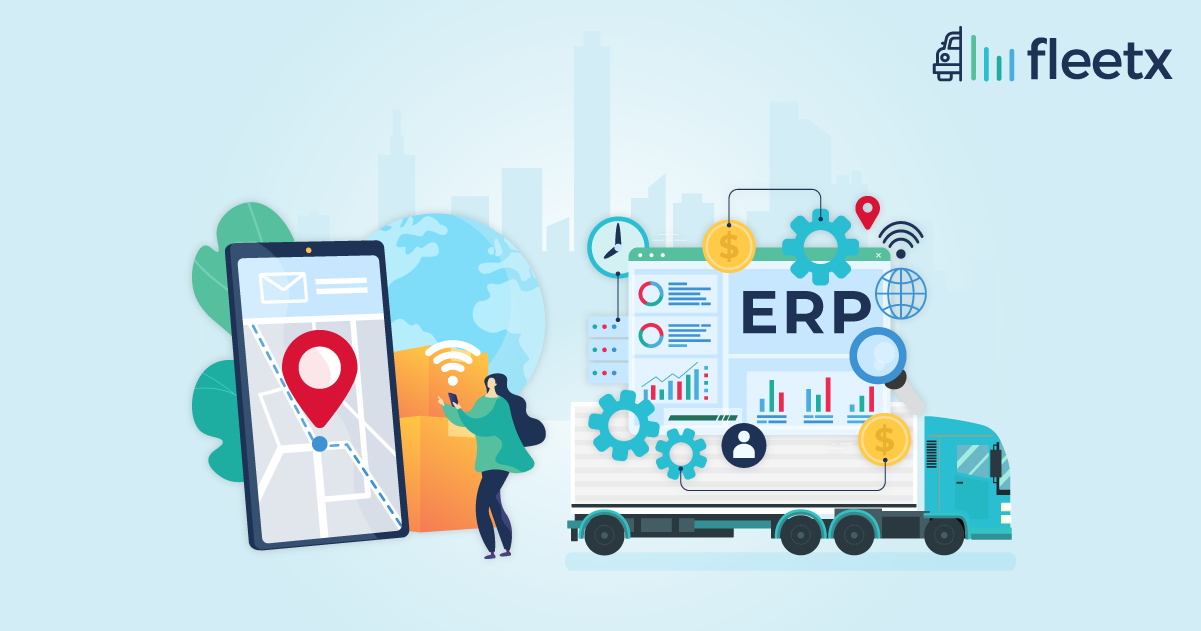
For enterprises managing large numbers of transactions, Fleetx offers ERP integration that enables a seamless transition from verified delivery to payment. Once an invoice is accepted, the system pushes it to the client’s ERP, which then processes the payment. Post-payment, confirmation updates are relayed back to the Fleetx platform, providing visibility across the entire payment journey.
This automation not only saves time but also reduces the need for frequent follow-ups on payment status, as all data is updated in real-time and accessible through the platform.
The Future of Freight Settlement in India’s Logistics Landscape
By addressing these freight settlement challenges, organisations can transform the enterprise-transporter relationship. Digital solutions like ePOD, automated verification, and ERP integration simplify and accelerate freight settlements, making them more accurate and transparent.
India’s logistics landscape is gradually shifting towards a system that values speed, transparency, and accountability. For enterprises and transporters alike, the adoption of digital freight solutions represents a substantial opportunity to enhance efficiency, reduce costs, and build stronger, trust-based relationships within the logistics ecosystem.
Manual Freight Settlement vs Digital Freight Settlement
The difference between manual and digital freight settlement extends beyond replacing paperwork with software. A digital freight settlement process creates a connected information flow between shipment execution, delivery confirmation, freight verification, reconciliation, and payment. This can make it easier for enterprises and transporters to identify discrepancies, track pending settlements, and maintain consistent transaction records.
The following comparison highlights the key operational differences:
| Parameter | Manual Freight Settlement | Digital Freight Settlement |
|---|---|---|
| Delivery verification | Delivery records are checked manually, often using physical documents. | Digital shipment and ePOD records can support faster verification. |
| Proof of delivery | Relies heavily on paper PODs and physical lorry receipts. | Uses ePOD and digitally accessible delivery documentation. |
| Freight-rate verification | Teams manually compare invoices against rate contracts or spreadsheets. | Configured freight rates can be used to support automated validation. |
| Invoice reconciliation | Requires manual comparison of invoices, trips, and supporting records. | Digital workflows can match relevant shipment and invoice information. |
| Duplicate invoice detection | Duplicate entries may be difficult to identify across large datasets. | Automated checks can flag potential duplicate invoices before payment. |
| Exception management | Disputes are often handled through calls, emails, and disconnected records. | Exceptions can be documented and routed through structured workflows. |
| Payment visibility | Transporters may depend on repeated follow-ups for payment updates. | Centralised systems can provide clearer visibility into settlement status. |
| ERP integration | Approved information may need to be manually entered into financial systems. | Verified settlement data can be transferred to integrated ERP workflows. |
| Auditability | Historical records may be distributed across files, emails, and physical documents. | Digital records create a more accessible transaction and approval trail. |
| Scalability | Administrative workload generally increases as transaction volumes grow. | Automated workflows are better suited to managing higher settlement volumes. |
Why Digital Freight Settlement Matters for Growing Logistics Networks
For enterprises handling large transportation networks, the value of digitisation becomes more significant as shipment and invoice volumes increase. A process that works for a limited number of monthly transactions may become difficult to manage when an organisation works with multiple plants, warehouses, transporters, and regional teams.
Digital freight settlement can help organisations build a more scalable operating model by:
- Creating a single source of settlement information for logistics, procurement, finance, and transporter teams.
- Standardising freight verification workflows across different locations and business units.
- Reducing repetitive manual checks for transactions that meet predefined settlement conditions.
- Prioritising genuine exceptions so teams can spend more time resolving discrepancies instead of reviewing every transaction manually.
- Improving transporter communication by making invoice status, deductions, and approval stages easier to track.
- Supporting data-driven decision-making through structured information on settlement delays, disputes, exceptions, and payment cycles.
For businesses operating across India, including logistics-intensive markets such as Delhi NCR, Gurgaon, Mumbai, Bengaluru, and Pune, this scalability can become increasingly important. The objective of freight settlement automation is not simply to process invoices faster. It is to create a more transparent connection between the transportation service performed, the evidence of delivery, the amount payable, and the final payment decision.
When Should a Business Move from Manual to Digital Freight Settlement?
An enterprise should consider moving toward digital freight settlement when manual processes begin creating measurable operational bottlenecks. Common indicators include frequent invoice disputes, delayed proof-of-delivery collection, duplicate billing concerns, long reconciliation cycles, limited visibility into pending payments, and excessive dependence on spreadsheets or email-based approvals.
The strongest approach is to evaluate the complete settlement workflow rather than digitising one isolated activity. Connecting ePOD, freight-rate validation, invoice reconciliation, exception management, and ERP integration creates a more comprehensive digital process and provides both enterprises and transporters with greater visibility from completed delivery to final payment.
Frequently Asked Questions About Digital Freight Settlement
What is digital freight settlement and how does it work? ▼
Digital freight settlement is the technology-enabled process of verifying freight movements, validating delivery records, calculating payable transportation charges, reconciling invoices and completing payments between enterprises and transporters. Unlike traditional freight settlement, which often relies on paper lorry receipts, spreadsheets, emails and manual approvals, a digital freight settlement system connects shipment information with supporting documents and agreed commercial terms.
The process typically begins when a shipment is dispatched. Transportation data, contracted freight rates and delivery milestones are recorded on a logistics or transport management platform. Once the shipment reaches its destination, an Electronic Proof of Delivery, or ePOD, can capture details such as delivery time, consignee acknowledgement, shortages, damages and other exceptions. The system can then compare the completed trip with the agreed rate contract and supporting documents before an invoice is approved.
A typical digital freight settlement workflow includes:
- Capturing shipment, transporter and freight-rate information digitally.
- Recording delivery confirmation through ePOD or digital documentation.
- Verifying charges against contracted rates and completed services.
- Identifying duplicate invoices and settlement discrepancies.
- Managing approvals and deductions through defined workflows.
- Integrating approved invoices with ERP or accounting systems for payment.
For logistics operations in India, digital freight settlement can be particularly useful for enterprises managing multiple transporters, routes and high monthly shipment volumes. By creating one digital record of each transaction, businesses can improve freight-payment accuracy, reduce repetitive administrative work and provide transporters with greater visibility into invoice and payment status.
What is ePOD and why is it important for automated freight settlement? ▼
Electronic Proof of Delivery, commonly called ePOD, is a digital record confirming that a shipment has reached its destination and documenting what happened during delivery. It can capture information such as delivery date and time, recipient acknowledgement, shipment condition, shortages, damages, rejected materials and other exceptions that may affect freight settlement.
ePOD is important because proof of delivery is often one of the primary documents required before a transporter invoice can be verified and approved. In a manual process, businesses may need to collect physical lorry receipts or signed delivery documents from drivers and transporters. Missing paperwork can delay verification, while unclear information may create disagreements between the enterprise, transporter and consignee.
An integrated ePOD system can support freight settlement by:
- Providing digital confirmation that a shipment was delivered.
- Creating time-stamped records for greater accountability.
- Capturing shortages, damages or delivery exceptions immediately.
- Helping verify On Time, In Full or OTIF performance.
- Reducing dependence on physical documents and manual document collection.
- Providing evidence that can support faster dispute resolution.
For enterprises operating across logistics hubs such as Delhi NCR, Gurgaon, Mumbai, Bengaluru and Pune, digital proof of delivery can be especially valuable because shipments may involve multiple warehouses, consignees and transport partners. When ePOD information is connected to freight audit and payment workflows, the enterprise can verify whether agreed transportation services were completed before releasing payment. This creates a more transparent settlement process while helping transporters receive clearer information about deductions, exceptions and payment approvals.
How does automated freight settlement reduce payment disputes between enterprises and transporters? ▼
Automated freight settlement reduces payment disputes by creating a consistent digital record of the shipment, agreed freight rate, delivery performance, supporting documents, applicable deductions and final payable amount. Many freight disputes begin when stakeholders rely on different documents or manually maintained records. A transporter may calculate charges according to one rate, while the enterprise may use another contract version or identify delivery exceptions that have not been communicated clearly.
A digital settlement platform helps establish a common source of information. Contracted rates can be configured within the system and applied according to predefined rules. Delivery records from ePOD, shipment milestones and other logistics data can then be used to verify whether the invoice matches the actual transportation service provided.
Automation can reduce common disputes involving:
- Incorrect or outdated freight rates.
- Duplicate invoices submitted for the same trip.
- Missing proof-of-delivery documents.
- Unexplained deductions from transporter payments.
- Disagreements over delayed, damaged or incomplete deliveries.
- Manual calculation and data-entry errors.
The technology does not eliminate every commercial disagreement, because some exceptions still require human review. However, it makes the underlying evidence easier to access. Enterprises can identify why an invoice was held or adjusted, while transporters gain clearer visibility into the settlement status.
For large Indian supply chains managing hundreds or thousands of monthly freight transactions, this transparency can strengthen enterprise-transporter relationships. Faster verification and structured exception management reduce repeated phone calls and email follow-ups, allowing both parties to focus on resolving genuine discrepancies rather than searching for missing records or reconciling conflicting spreadsheets.
What are the best freight settlement solutions for large logistics operations in India? ▼
The best freight settlement solution for a large logistics operation in India is generally one that connects shipment execution, proof of delivery, freight-rate verification, invoice reconciliation and ERP-based payment workflows instead of treating each activity as an isolated process. The appropriate platform depends on shipment volume, transporter network size, existing technology infrastructure and the complexity of freight contracts.
Enterprises evaluating top digital freight settlement platforms should look for capabilities such as:
- Digital freight-rate and contract management.
- Electronic Proof of Delivery integration.
- Automated invoice verification and duplicate detection.
- Configurable approval and exception-management workflows.
- Transporter communication and settlement-status visibility.
- ERP, TMS and accounting-system integration.
- Audit trails for invoice changes, approvals and deductions.
- Analytics for payment cycles, disputes and transporter performance.
Indian enterprises should also evaluate whether the solution can handle regional and operational complexity. A business operating plants, distribution centres and warehouses across Delhi NCR, Gurgaon, Mumbai, Bengaluru and Pune may work with different transporters and commercial agreements in each market. A scalable platform should therefore support multiple locations, users, workflows and freight-rate structures.
Pricing varies significantly. Smaller implementations may begin at several lakh rupees annually, while enterprise deployments with extensive integrations, customised workflows and large transaction volumes can cost substantially more. These figures should be treated as indicative rather than fixed market prices because most enterprise platforms are priced after evaluating business requirements.
The best approach is to compare solutions based on measurable outcomes, including settlement turnaround time, invoice accuracy, administrative workload, dispute reduction and integration capability, rather than selecting software only on the basis of the lowest subscription price.
How much does freight settlement automation software cost in India? ▼
The cost of freight settlement automation software in India varies according to shipment volume, number of transporters, users, required modules, ERP integrations and the complexity of freight contracts. There is therefore no single standard price that applies to every enterprise. Most providers evaluate the organisation's operating requirements before offering a commercial proposal.
As a broad planning estimate, businesses may encounter annual software investments ranging from a few lakh rupees for relatively focused digital freight workflows to significantly higher budgets for large enterprise deployments involving multiple plants, warehouses, transporters and systems. Complex projects requiring extensive customisation, implementation support, data migration and ERP integration can increase the total cost.
Businesses should consider the following cost components:
- Software subscription or platform licensing.
- Initial implementation and workflow configuration.
- ERP, TMS or accounting-software integrations.
- User training and change-management support.
- Custom reports or specialised settlement rules.
- Ongoing technical support and platform upgrades.
A manufacturer in Gurgaon or Pune with a limited transporter network may have different requirements from a nationwide enterprise managing high shipment volumes across Delhi, Mumbai, Bengaluru and other logistics markets. For this reason, cost comparisons should be based on equivalent functionality and transaction volumes.
Enterprises should also evaluate the total cost of continuing with manual settlement. Delayed invoices, duplicate payments, employee time spent on reconciliation and unresolved disputes can create hidden operational costs. A useful business case compares technology investment against potential improvements in settlement turnaround time, invoice accuracy and staff productivity. Before purchasing a solution, organisations should request a requirement-based quotation and clarify whether implementation, integrations, training and support are included in the quoted price.
How can companies in Delhi NCR and Gurgaon improve freight settlement efficiency? ▼
Companies operating in Delhi NCR and Gurgaon can improve freight settlement efficiency by connecting shipment execution, proof of delivery, rate verification and invoice processing within a structured digital workflow. The region has a dense concentration of corporate offices, manufacturing operations, warehouses, distribution centres and logistics providers, which can result in large volumes of transporter invoices and supporting documentation.
The first step is to identify where settlement delays occur. Common bottlenecks include waiting for physical proof-of-delivery documents, manually checking freight rates, searching for missing shipment records and sending invoices through multiple approval levels. Digitising only the invoice while leaving these supporting processes manual may deliver limited improvement.
A stronger approach includes:
- Using ePOD to capture delivery confirmation digitally.
- Maintaining approved freight rates in a central system.
- Automatically matching invoices with completed trips.
- Creating structured workflows for shortages, damages and other exceptions.
- Providing transporters with visibility into invoice status.
- Connecting approved settlements with the organisation's ERP.
For a Gurgaon-based enterprise serving customers across Delhi NCR and other states, centralised digital records can be particularly useful when transportation activities are managed by different teams or locations. Instead of relying on individual spreadsheets and email chains, stakeholders can access consistent shipment and settlement information.
When evaluating the best freight settlement platform for Delhi NCR operations, businesses should prioritise integration capability, scalability, configurable approval workflows and transporter adoption. Local implementation requirements and pricing will vary, but organisations should assess value based on reduced manual effort, fewer billing discrepancies and improved payment-cycle visibility rather than software cost alone. A phased rollout can also help large enterprises test workflows before expanding automation across additional facilities.
What should Mumbai businesses look for in a top automated freight audit and payment system? ▼
Mumbai businesses evaluating a top automated freight audit and payment system should focus on the platform's ability to manage complex transportation transactions accurately and at scale. Organisations operating from Mumbai may coordinate freight across manufacturing locations, distribution centres, ports, warehouses and interstate routes, creating a high volume of shipment documentation and transporter invoices.
A strong freight audit and payment system should verify whether the amount invoiced by a transporter matches the agreed commercial terms and actual transportation service. The platform should also provide a structured process for handling exceptions rather than simply rejecting invoices that do not match automatically.
Important capabilities include:
- Freight-rate and contract digitisation.
- Automated invoice and shipment matching.
- Duplicate invoice identification.
- ePOD and delivery-document integration.
- Configurable deduction and approval workflows.
- Real-time visibility into pending and approved settlements.
- ERP integration for payment processing.
- Detailed audit trails and management reports.
Mumbai enterprises should also consider how well the platform handles multiple freight modes, locations and transporter agreements where relevant to their operations. For organisations managing nationwide distribution, scalability is particularly important because settlement volumes can grow quickly as the network expands.
Cost should be considered alongside implementation complexity and expected operational benefits. Basic digital workflows may require a relatively modest technology investment compared with highly customised enterprise systems, while sophisticated deployments can involve significant integration costs. Companies should ask vendors for a detailed commercial proposal based on transaction volume and required integrations.
The best solution is ultimately the one that improves invoice accuracy, reduces manual reconciliation, shortens settlement cycles and gives both the enterprise and its transport partners clearer visibility into payment decisions.
How can freight settlement automation benefit logistics operations in Bengaluru and Pune? ▼
Freight settlement automation can help businesses in Bengaluru and Pune manage growing transportation networks by reducing manual administrative work and creating a more traceable process from delivery confirmation to transporter payment. Both cities support significant manufacturing, technology, automotive, distribution and supply-chain activity, making scalable digital logistics processes increasingly important for enterprises operating across multiple locations.
In a traditional workflow, logistics and finance teams may exchange spreadsheets, scanned lorry receipts, emails and invoices before a payment can be approved. When shipment volumes increase, these manual processes can make it difficult to identify which invoices are pending, why a payment has been delayed or whether a transporter has submitted a duplicate claim.
Freight settlement automation can support Bengaluru and Pune operations by:
- Digitising proof-of-delivery and shipment records.
- Automatically checking invoices against agreed freight rates.
- Reducing repetitive data entry across logistics and finance teams.
- Identifying missing documents before invoices reach final approval.
- Creating digital records of deductions and settlement decisions.
- Providing management with visibility into outstanding liabilities.
For a Pune manufacturer managing automotive suppliers or a Bengaluru enterprise coordinating regional and interstate distribution, ERP integration can further streamline the process. Once freight charges have been verified, approved payment information can move into the financial system without repeatedly recreating the same data.
Businesses evaluating automation should first map their existing settlement process and identify measurable bottlenecks. Important performance indicators may include average invoice approval time, number of disputed invoices, duplicate-payment incidents and manual hours spent on reconciliation. This makes it easier to determine whether the selected technology is delivering genuine operational improvements after implementation.
How does ERP integration improve freight settlement and transporter payments? ▼
ERP integration improves freight settlement by connecting logistics verification with the organisation's financial and accounting processes. Without integration, logistics teams may approve a transporter invoice in one system and then manually send or re-enter the same information into an ERP platform. This duplication creates additional administrative work and increases the possibility of incorrect amounts, missing records or delayed payment updates.
In an integrated workflow, shipment and delivery information can first be validated within the logistics or freight settlement platform. The system checks relevant commercial information such as contracted rates, completed trips and required delivery documents. Once the invoice passes the necessary checks and approvals, verified settlement information can be transferred to the ERP for payment processing.
ERP integration can provide several advantages:
- Reduced manual entry of approved invoice data.
- More consistent information across logistics and finance systems.
- Faster movement of verified invoices into payment workflows.
- Improved visibility into invoice and payment status.
- Stronger audit trails across operational and financial processes.
- Lower risk of processing the same invoice multiple times.
The effectiveness of the integration depends on how clearly responsibilities and data flows are designed. Businesses should define which system is responsible for freight-rate validation, invoice approval, accounting entries and final payment confirmation.
For large enterprises in India operating across cities such as Delhi, Gurgaon, Mumbai, Bengaluru and Pune, ERP integration can become particularly valuable when hundreds or thousands of freight transactions must be processed consistently. The objective is not merely to connect two software platforms but to create an end-to-end workflow in which verified logistics activity can progress into financial settlement with fewer manual handoffs and clearer status visibility.
How should an enterprise choose the best digital freight settlement platform? ▼
An enterprise should choose the best digital freight settlement platform by evaluating how well the technology fits its actual transportation and payment workflows rather than comparing software only through feature lists. The selected system should address the organisation's main settlement problems, whether those involve delayed proof of delivery, incorrect freight calculations, duplicate invoices, complex approval processes or limited transporter payment visibility.
A structured evaluation should consider:
- Process coverage: Can the platform manage the journey from delivery verification to invoice approval and payment integration?
- Rate management: Can it handle the organisation's existing freight contracts and charging rules?
- ePOD capability: Can digital delivery information be used during invoice verification?
- Exception management: Are discrepancies routed to the correct stakeholders for review?
- Integration: Can the platform connect with existing ERP, TMS and accounting systems?
- Scalability: Can it support additional locations, transporters and transaction volumes?
- Analytics: Does it provide useful insights into pending payments, disputes and settlement performance?
Enterprises should also assess implementation support and transporter adoption. A technically powerful system may fail to deliver value if users continue managing important settlement activities outside the platform.
For businesses with operations across India, including Delhi NCR, Gurgaon, Mumbai, Bengaluru and Pune, a pilot implementation can help validate the workflow before a larger rollout. Companies should establish baseline metrics such as average settlement time, invoice-error rate and manual reconciliation effort before implementation. The top platform should demonstrate measurable improvement in these metrics while providing reliable integration and transparent records for both internal teams and transportation partners.