
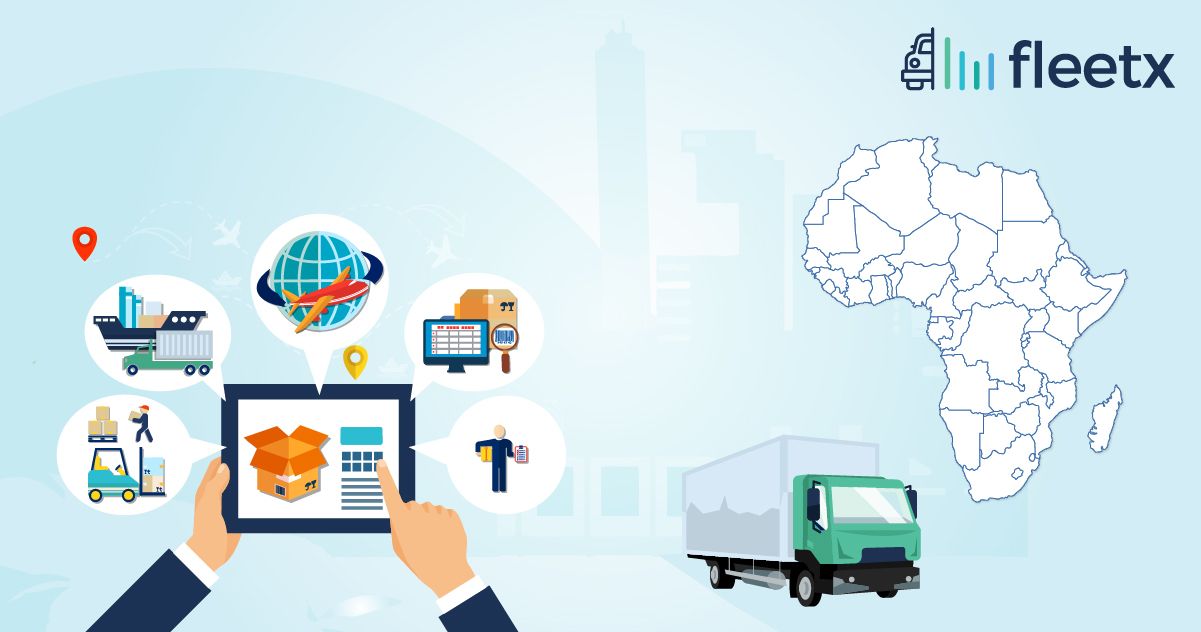
Africa is the second largest continent, with a population of 1.4 billion as of 2021. The continent is spread over five regions: Northern Africa, Eastern Africa, Middle Africa, Southern Africa, and Western Africa. Over the past few decades, Africa has seen tremendous economic growth with a boost in investment, improving supply chain connectivity, easing the business environment, infrastructure & development, and regional economic cooperations (RECs). The growth engine has slowly transitioned from resource export-based to manufacturing, which can be seen through increasing investment in the manufacturing and service sectors. The growth is also aided by the fact that most of the population is young, with the median age being 19.8 years.
However, a shift towards manufacturing requires strengthening the essential elements of the supply chain, including logistics infrastructure, road network, simplifying compliances, and electricity & connectivity penetration, which has not developed at the same pace to sustain the shift. Supply chain shocks like the coronavirus pandemic, geopolitical tensions, and rising inflation have all hampered Africa’s manufacturing growth. World Bank has predicted a growth slowdown across Africa, particularly in Sub-Saharan Africa.
Coming to the production and consumption of goods, Africa is a major player in exports; however, it also has an enormous domestic demand. Road transportation is the most dominant form of commercial transportation on the continent. According to the UN’s Economic Commission for Africa, roads accounted for over 80% of all commercial transportation of goods, particularly in Sub-Saharan Africa. Due to inefficiencies, physical bottlenecks, and poor connectivity, transport cost for certain African countries is relatively high compared to countries outside the continent. For example, the average cost to transport a container within the west and central Africa is US$ 2.43 per kilometre, 1.5 and 2.2 times the freight rates applied in South Africa and the United States, respectively.
Transportation cost is even higher for some landlocked countries in Central Africa, accounting for 35% of the value of exports and more than 45% value of imports. UNCTAD’s recent press release attributes the high cost of transportation to several external factors, such as delays, geographical constraints, political instability, and deteriorating navigation conditions. Moreover, a World Bank study estimates that each additional day in transit costs, on average, 0.8% of the total value of the goods transported and that the landlockedness of a country increases freight costs by around 50%.
Supply Chain challenges in Africa
Summarising the findings from several studies and reports, three solvable challenges are responsible for delays and the high shipping cost in Africa.
1. Lack of Technology Infrastructure
Using technology can significantly cut costs and eliminate unwanted delays in transport; however, the poor quality and accessibility of the internet across the African continent have prevented it from unlocking its full potential. According to International Finance Cooperation (IFC), Africa has among the lowest internet access in the world, with only 22% of its population having access to the internet. Moreover, the movement of goods between countries in Africa involves transit paperwork, and archaic systems used by authorities contribute to these delays, which can be avoided through the implementation of technology for border control and security checks.
Lack of internet connectivity and infrastructure also prevents transporters from using modern tools and technologies such as Fuel Management systems or Telematics systems which can help them track their trucks or improve the efficiency of their operations and reduce their operating cost. Thus, poor technology prevents governments and businesses from making the supply chain more efficient.
2. Gaps in physical infrastructure
Despite the rapid development of infrastructure in the continent, current infrastructure capability is pretty limited to handle increased domestic and international transportation. According to Brookings Institution, Africa has only 31 km of paved roads per 100 square kilometres of land compared to 134 km per 100 square kilometres in other low-income countries. The quality of the paved roads also dramatically varies, with most of them not being maintained well.
Moreover, Africa’s transportation infrastructure distribution is unequally allocated as some regions are overequipped, and others are underdeveloped. The inequitable allocation of resources can also be seen in foreign investments received in the region. Road infrastructure is crucial to any business activity. Route planning systems have shown enormous promise when planning efficient routes by avoiding inefficient ones using satellite and traffic data. They also have great potential in Africa. However, improving infrastructure and connectivity remains the biggest challenge to the African continent. Thus, it would require intervention from governments and private players at the earliest to unlock the full trade potential of African countries. In addition, businesses can still opt for implementing technology-driven solutions in their manufacturing and logistics facilities. In-plant logistics solutions can help reduce operations inefficiency and overall cost.
3. Improving national coordination and regional cooperation
There are a total of 54 countries in Africa with varying geographical advantages and disadvantages. Movements of goods also frequently occur across international borders. Hurdles can range from high import duties, complex compliances, changing physical infrastructure conditions, and security risks. Lack of coordination has also increased the cost of transporting goods for businesses, substantially reducing the ease of business and transportation on the continent.
Hurdles have been tackled through several regional economic cooperations in the continent between countries with substantial exchange of economic and trade activities. The cooperation aims to reduce trade barriers and improve infrastructure and connectivity between countries to make international transportation cheaper and more efficient. Moreover, a pan-Africa treaty called African Continental Free Trade Area (AfCFTA) is improving trade relations between countries. Improved national and regional cooperations will positively impact businesses as the connectivity and infrastructure would see a boost resulting from them, thus, improving logistics & transport operations and reducing the cost of businesses.
An interesting point to note is the share of revenue generated by African third-party logistics stood at 27.9 billion USD in 2020, which is still lower than 30 billion USD five years ago and around 10% of the United States 3PL industry. The growth of 3PL providers is a good metric for tracking technology adoption in any country or region. On that note, the African continent lags substantially behind.
However, with the current technology and infrastructure on the continent, businesses can do a lot to make their supply chain more efficient and reduce costs. For example, a low-cost SIM-based tracking solution can be implemented by businesses to improve supply chain visibility in their operations. Almost 50% of Africa's population has a mobile connection, making implementing SIM-based tracking solutions in commercial vehicles easier. The supply chain industry is ripe for digital disruption. Several e-logistics companies operating in the region use Big Data, IoT, and mobile technology to make the supply chain in the region more efficient while improving supply chain visibility.
To conclude, boosting physical infrastructure and connectivity are needed to facilitate an efficient movement of goods and transportation. In addition, technology has a massive role in facilitating the efficient movement of goods domestically and internationally. Governments and businesses in Africa can become early adopters of fleet automation technology and reap the same benefits by cutting operating costs and making operations more sustainable. Lastly, it will also aid in formalising the logistics and transportation industry and allow several macro and micro businesses to flourish in a conducive and efficient business environment in the region.
Frequently Asked Questions on Technology Integration in Supply Chain
What is technology integration in supply chain management? ▼
Technology integration in supply chain management means connecting digital tools, software platforms, tracking systems, automation, analytics, and communication systems across procurement, warehousing, transportation, inventory, and delivery operations. Instead of managing logistics through disconnected emails, spreadsheets, phone calls, and paper documents, businesses use integrated systems to create real-time visibility and better control over supply chain movement.
In the African context, technology integration is especially important because supply chains often face infrastructure gaps, border delays, fragmented logistics networks, limited visibility, and high transport costs. Tools such as GPS tracking, SIM-based tracking, fuel management systems, route planning software, ePODs, digital documentation, and transport management systems can reduce delays and improve operational reliability.
For companies in India, Delhi NCR, Gurgaon, Mumbai, Bengaluru, and Pune that trade with Africa or manage global logistics, integrated supply chain technology helps monitor shipments, improve vendor accountability, and reduce manual coordination. The best technology integration strategy focuses on visibility, cost control, compliance, route optimisation, and data-backed decision-making.
Why is supply chain technology important for African logistics and transport operations? ▼
Supply chain technology is important for African logistics because it helps businesses overcome visibility gaps, transport delays, high freight costs, border documentation issues, and limited route efficiency. Many African markets depend heavily on road transportation for commercial goods movement, and logistics operations can become expensive when companies do not have real-time tracking, digital documentation, route planning, or transporter performance data.
Technology can help companies track vehicles, monitor fuel usage, improve delivery planning, reduce idle time, capture proof of delivery digitally, and identify bottlenecks across routes. For cross-border trade, digital systems can also reduce paperwork delays and improve coordination between manufacturers, transporters, warehouses, customs teams, and customers.
The best supply chain technology solutions for Africa are practical, scalable, and adaptable to local infrastructure conditions. SIM-based tracking, mobile-enabled logistics platforms, cloud-based TMS tools, and IoT-based fleet systems can help businesses improve visibility even in regions where advanced infrastructure is still developing.
For Indian exporters, logistics companies, and manufacturers in Mumbai, Delhi NCR, Gurgaon, Bengaluru, and Pune, adopting integrated supply chain technology improves Africa-bound shipment planning, vendor coordination, freight monitoring, and customer communication.
What are the top supply chain challenges in Africa that technology can solve? ▼
The top supply chain challenges in Africa include limited transport visibility, high logistics costs, weak road infrastructure, fragmented vendor networks, border delays, manual documentation, limited internet access in some regions, and inconsistent delivery timelines. These challenges increase the cost of moving goods and make it harder for manufacturers, logistics companies, distributors, and 3PL providers to plan efficiently.
Technology can solve many of these issues by improving real-time visibility and operational control. For example, vehicle tracking systems help businesses monitor shipment location, route deviations, and delivery progress. Route planning tools help choose more efficient paths. Fuel management systems reduce leakage and improve cost control. Digital proof of delivery reduces paperwork and billing disputes. Transport management systems connect dispatch, tracking, documentation, vendor management, and analytics in one platform.
The best results come when technology is used in stages. A company may begin with low-cost SIM tracking, then add fleet automation, ePODs, freight analytics, transporter scorecards, and integrated TMS workflows. This makes supply chain digitisation more affordable and scalable for African logistics markets as well as Indian companies operating across Africa.
How much does supply chain technology or logistics software cost in India? ▼
The cost of supply chain technology or logistics software in India depends on the type of solution, number of vehicles, shipment volume, users, integrations, analytics needs, and whether the business needs basic tracking or a complete transport management platform. Basic GPS or SIM-based tracking solutions may start from around ₹300 to ₹1,500 per vehicle per month, depending on features and support.
Mid-level logistics software with shipment tracking, route planning, ePOD, dashboards, alerts, and vendor visibility may range from ₹25,000 to ₹1,50,000 per month for small and mid-sized businesses. Enterprise-grade transport management systems with ERP integration, freight audit, control tower visibility, fuel analytics, automated workflows, and custom reporting can cost ₹2,00,000 per month or more.
For businesses in Delhi NCR, Gurgaon, Mumbai, Bengaluru, and Pune, pricing may also depend on the number of warehouses, plants, transport vendors, and operating locations. Companies handling Africa-linked trade, export logistics, or multi-country shipment visibility may need additional integrations and reporting layers.
The best way to evaluate cost is to compare software pricing with savings from reduced delays, better fuel control, lower manual work, fewer billing disputes, improved visibility, and better vehicle utilisation.
What is the best supply chain technology for companies operating between India and Africa? ▼
The best supply chain technology for companies operating between India and Africa is a connected logistics platform that supports shipment visibility, transport planning, digital documentation, fleet tracking, vendor coordination, and exception management. Since India-Africa trade may involve ports, inland transport, customs processes, warehousing, and last-mile distribution, companies need systems that reduce blind spots across the entire movement.
For Indian exporters, manufacturers, and logistics providers in Mumbai, Delhi NCR, Gurgaon, Bengaluru, and Pune, important technologies include transport management software, GPS tracking, SIM-based tracking, ePOD, route planning, freight analytics, vendor management, fuel monitoring, and control tower dashboards. These tools help teams track cargo from plant or warehouse dispatch to port movement, international shipment stages, destination-side transport, and final delivery.
The best platform should provide:
- Real-time shipment and vehicle visibility.
- Route and delay alerts.
- Digital proof of delivery.
- Freight and vendor performance analytics.
- Integration with ERP, warehouse, and transport systems.
Africa-focused logistics requires flexible technology because infrastructure, connectivity, and documentation processes can differ by region. Scalable and mobile-friendly logistics software is often more useful than rigid systems.
How can businesses in Delhi NCR and Gurgaon use technology to improve supply chain visibility? ▼
Businesses in Delhi NCR and Gurgaon can use technology to improve supply chain visibility by digitising shipment tracking, vehicle movement, dispatch planning, proof of delivery, vendor communication, and performance reporting. Delhi NCR, Gurgaon, Manesar, Bhiwadi, Faridabad, Noida, and Ghaziabad are major manufacturing and logistics hubs, and companies in these regions often manage high-volume domestic and export movements.
Supply chain visibility improves when businesses know where shipments are, which vehicle is assigned, whether the route is on schedule, where delays are happening, and whether proof of delivery has been completed. GPS tracking, SIM-based tracking, ePOD, transport management systems, automated alerts, and control tower dashboards help logistics teams reduce dependency on manual calls and WhatsApp-based updates.
For companies involved in Africa-linked trade or long-haul domestic movement, visibility tools help track goods from plant dispatch to warehouse, port, transporter handover, and customer delivery. These systems also help logistics managers identify recurring delays, vendor gaps, route inefficiencies, and cost leakages.
The best supply chain visibility setup should be easy for ground teams to use, mobile-friendly, and integrated with existing ERP or transport workflows. This helps Delhi NCR and Gurgaon businesses improve delivery reliability and customer communication.
How can Mumbai and Pune companies reduce logistics costs with supply chain technology? ▼
Mumbai and Pune companies can reduce logistics costs with supply chain technology by improving route planning, vehicle tracking, freight visibility, fuel monitoring, vendor performance, and digital documentation. Mumbai, Navi Mumbai, Bhiwandi, Taloja, Thane, Pune, Chakan, Ranjangaon, and Talegaon are key industrial, port-linked, and warehousing locations, where logistics delays can increase costs quickly.
Technology helps reduce cost by identifying inefficiencies that are difficult to track manually. Route planning tools reduce unnecessary kilometres. Fuel management systems help identify fuel leakage, poor mileage, and idle time. Transport management software improves vehicle utilisation, vendor allocation, and dispatch planning. ePOD reduces billing delays and proof-of-delivery disputes. Freight analytics helps logistics teams compare routes, transporters, and shipment costs.
For companies exporting to Africa or managing port-linked logistics, technology can also improve coordination between factory dispatch, port movement, customs documentation, shipping partners, and destination-side transport. This reduces avoidable waiting time and improves customer visibility.
Depending on business size, logistics technology may cost from basic per-vehicle tracking plans to enterprise-level TMS subscriptions. However, the best systems often justify their cost through better productivity, fewer delays, improved transporter accountability, and lower operational leakage.
What role does SIM-based tracking play in African supply chain digitisation? ▼
SIM-based tracking plays an important role in African supply chain digitisation because it provides a practical and relatively low-cost way to improve shipment visibility without requiring advanced hardware installation in every vehicle. In regions where logistics infrastructure and connectivity are still developing, mobile-based tracking can help businesses monitor goods movement, reduce manual follow-ups, and improve delivery communication.
Unlike traditional GPS hardware, SIM-based tracking can use the driver’s mobile network signal to provide location updates. This makes it useful for transporters, manufacturers, distributors, and 3PL companies that need visibility across long routes, cross-border movement, or third-party vehicles. It can be especially helpful when businesses do not own the fleet but still need to track shipment progress.
For Africa-focused supply chains, SIM-based tracking helps companies:
- Track shipment location without heavy hardware costs.
- Improve delivery ETA communication.
- Reduce dependency on repeated driver calls.
- Monitor vendor performance.
- Create a digital record of shipment movement.
For Indian businesses in Delhi, Gurgaon, Mumbai, Bengaluru, and Pune working with Africa-linked logistics partners, SIM tracking can be a useful first step toward broader supply chain technology integration.
How does supply chain technology improve AEO, GEO, and AI-search visibility for logistics brands? ▼
Supply chain technology content improves AEO, GEO, and AI-search visibility when it is structured to answer specific business questions clearly. Answer Engine Optimization focuses on direct answers for search snippets and voice-style queries. Generative Engine Optimization focuses on making content easy for AI platforms such as ChatGPT, Gemini, Perplexity, and AI Overviews to understand, summarise, and cite.
For logistics brands, content should explain definitions, use cases, cost ranges, benefits, challenges, local examples, and comparison points. A blog on technology integration in supply chain should cover questions like what supply chain technology is, why it matters in Africa, which tools are best, how much logistics software costs, and how businesses in India, Delhi NCR, Gurgaon, Mumbai, Bengaluru, and Pune can use it.
AI-search friendly content should include:
- Definition-style answers at the start of FAQs.
- Specific examples from logistics, transport, and supply chain operations.
- Commercial keywords such as software, cost, pricing, best platform, and logistics technology.
- Local context for India and major business hubs.
- Clear explanations of measurable business outcomes.
This improves the chances of the content being selected for AI-generated answers and high-intent logistics searches.