
In this article, we talk about some of the best practices businesses and industries can adopt to optimise their cost of operations by improving their fleet fuel efficiency, as fuel costs make up about 40-60% of India's total cost of transportation.
The recent fuel price hike in India has us back on our toes again. Since March 22, there have been nine fuel price hikes, leading to the price of diesel crossing the Rs 100 mark for the first time in India. Although Russia-Ukraine has led to the sharp rise, fuel prices were also rising due to the recovery in demand as countries emerged from the coronavirus pandemic.
What is fleet fuel efficiency?
In simple words, fuel efficiency can be understood as a measure of the distance it can cover with a specific fuel volume. The Indian context is the mileage a vehicle offers, represented by kilometres per litre of fuel.
Why does fleet fuel efficiency matter?
On average, trucks in India offer a fuel efficiency of between 1-6 km per litre of fuel. Several factors, such as road condition, vehicle maintenance, truckload, driving condition, etc., are responsible for the varying fuel efficiency of Indian trucks. Fuel costs make up anywhere between 40-60% of the total cost of operation for businesses and transporters. Therefore, Fleet fuel efficiency is crucial for business since even a marginal improvement or deterioration can make a big difference in the cost of operation, particularly for large truck fleet operators.
Key causes & metrics to track fleet fuel efficiency
Before we talk about improving fleet fuel efficiency, we first need to know the right metrics that affect fuel efficiency. Some of the critical metrics for fleet fuel efficiency are as follows:
1. Vehicle Maintenance
Maintenance is one of the most overlooked factors affecting a vehicle's performance, affecting fuel consumption. Transportation in India leads to commercial trucks being subjected to immense wear and tear. As a result, the engine and other parts like the tyres wear down and reduce the vehicle's performance. Expand that for the entire fleet, and we have a whole fleet of trucks with higher than usual fleet consumption. Thus, maintaining the fleet plays a crucial role in fleet fuel efficiency.
2. Route Planning & Navigation
Route planning is crucial in transportation before a truck loaded with goods starts its trip. Fleet managers aim to choose the shortest and most efficient route for the truck to follow; however, that might not always be the best as traffic and road construction can create obstructions that lead to rerouting. In addition, the lack of GPS tracking systems or navigation systems in most transporters can lead to trucks taking longer routes, thus resulting in poor fleet fuel efficiency.
3. Overloading cargo
The need to maximise vehicle utilisation leads to trucks being overloaded by businesses and transporters as the cost of transportation is mainly calculated on a per kilometre basis. Trucks carrying cargo more than their Full-Truck Load capacity cause higher fuel consumption and lead to poor fuel efficiency and make the truck prone to accidents.
4. Driver Behaviour
Another critical factor that affects fuel efficiency is the driver behind the wheels. Engine idling, rash driving, hard accelerating, or braking can cause the truck to guzzle more fuel than usual. However, due to a lack of driver behaviour monitoring tools, these cases often go unnoticed by fleet managers until it results in either vehicle breakdown, accidents, or lead to other unfortunate circumstances.
5. Fuel theft
Fuel theft is one of the most unfortunate and common problems in India's logistics & transport industry. For example, trucks fall prey to fuel thefts during their trips when trucks are parked during stops. In addition, unwanted stops made by drivers and syphoning fuel by them is also a recurring problem that leads to a decrease in fleet fuel efficiency of trucks if not addressed.
Practices to adopt to improve fleet fuel efficiency
The previous section discussed the most common causes and metrics for fleet fuel efficiency. This section looks at each of the causes mentioned earlier and talks about how businesses and transporters tackle them and improve fleet fuel efficiency.
1. Ensure timely vehicle maintenance with a fleet maintenance system
For your fleet to function efficiently, vehicles need their health monitoring and go through timely maintenance. In particular, for large fleets considering their fleet size, which runs in 100s, it becomes difficult to schedule or keep track of each vehicle's maintenance. Businesses can opt for a Fleet maintenance system that can help them with scheduling, setting up reminders employing usage-based maintenance reducing downtime, accessing vehicle diagnostics, and much more, reducing the risk of expensive vehicle breakdowns and saving costs. Additionally, Trucks can be integrated with Fuel Management Systems, which will allow businesses to manage and track fuel consumption and detect performance-related problems early. Ergo, improving fleet fuel efficiency for your business.
2. Integrating smart route planning & GPS tracking software with the fleet operations
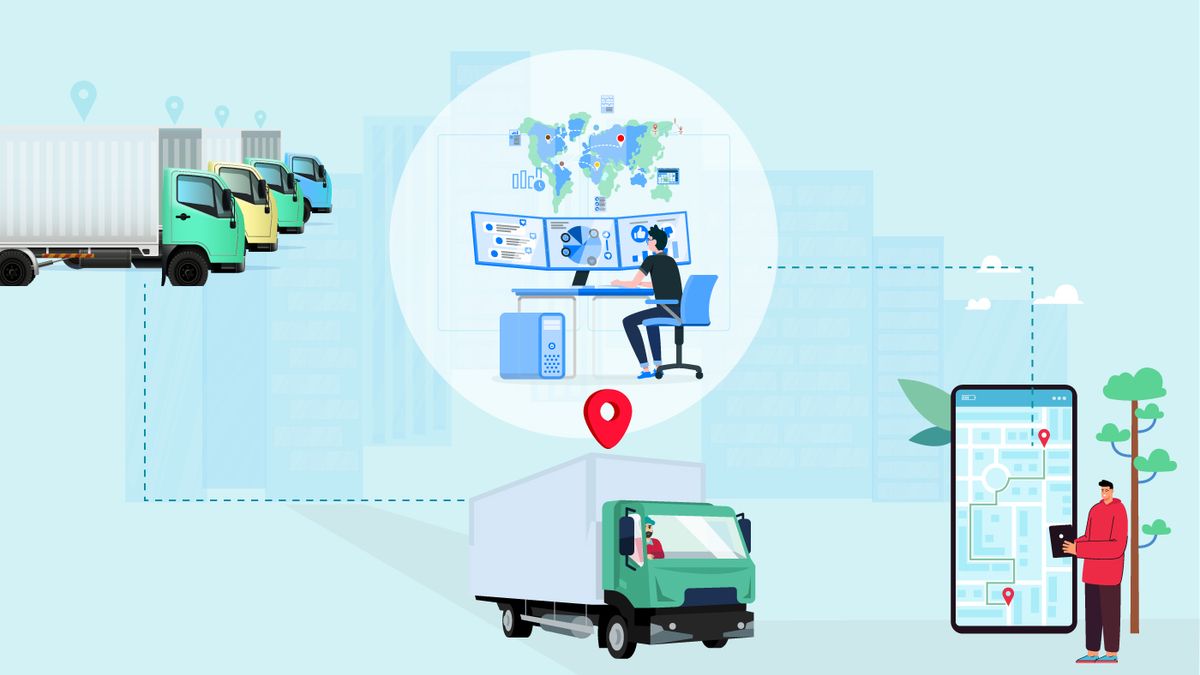
Route planning software for transport operations can significantly help businesses cut travel time by scheduling the most efficient route for every trip your business requires. It also uses stored trip data to provide insights to help fleet managers plan routes better. Moreover, the addition of a GPS tracking system can further improve real-time navigation and rerouting to save time and fuel costs. It also offers live ETAs functions and vehicle tracking, among others that can help businesses reduce costs and improve the overall fleet fuel efficiency by always planning & navigating through the most efficient route.
3. Avoiding the practice of overloading
Businesses should avoid overloading trucks at all costs. Overloading is done to maximise the utility of a truck or trip. It eventually depreciates fleet fuel efficiency as it puts more strain on the engine, which reduces the mileage the truck offers. In addition to that, overloading also increases the wear and tear of the vehicle, making it more prone to accidents and negatively impacting safety. It is penalised under the traffic laws in the country as well!
4. Monitoring driver performance and training
Using software that offers Driving Behaviour & Safety analytics can alert fleet managers to the issues of rash driving, track behaviour & performance of drivers, incentivising safe & efficient driving, and optimise driving training & coaching, among others. As a result, more efficient and safe driving will reduce the risk of accidents and maximise fleet fuel efficiency at the same time.
5. Fuel Management system to maximise fuel efficiency and curb fuel theft
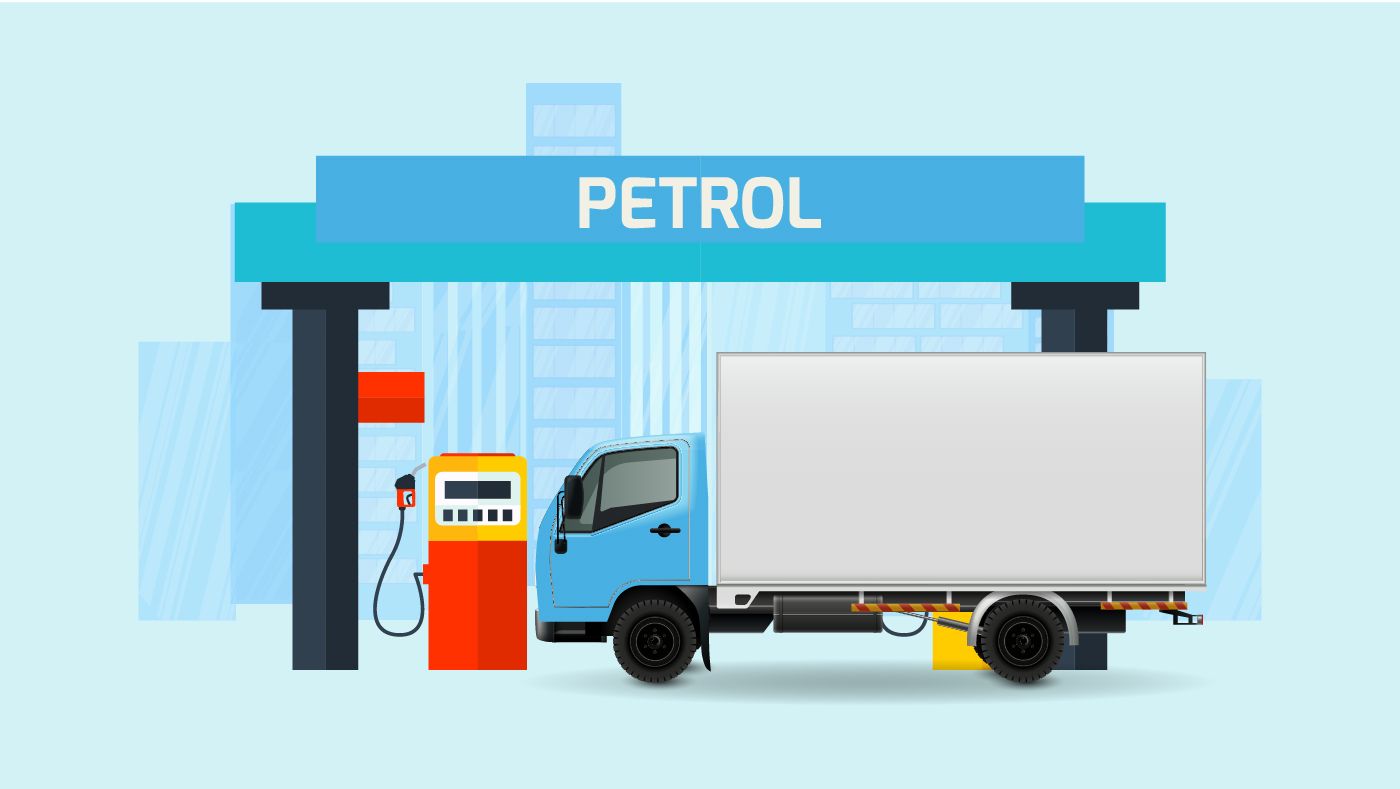
Businesses can integrate a Fuel Management System with their fleet to improve fuel management and get alerted in case of rapid fuel drain or higher than usual fuel consumption. Thus, fleet managers are alerted to rapid fuel drain in case of fuel theft and detect early maintenance issues, leading to higher than usual fuel consumption.
Conclusion
To conclude, it is now crucial for businesses to integrate technology with their transport operations to improve efficiency and transparency in their operations. Businesses and transporters can follow this guide to implement systematic changes in their operations to maximise their fleet fuel efficiency and reduce the cost of operations. Even marginal improvement in fleet performance will negatively impact fleet fuel efficiency and make operations better
Frequently Asked Questions
What is fleet fuel efficiency, and why is it important for logistics businesses in India? ▼
Fleet fuel efficiency refers to the distance that commercial vehicles can travel while consuming the least possible amount of fuel. It is one of the most important performance indicators for fleet operators because fuel generally contributes around 40%–60% of total transportation costs in India. Even a small improvement in fuel efficiency can significantly reduce operational expenses for transport companies, logistics providers, manufacturers, distributors, and eCommerce businesses.
For companies operating across Delhi, Delhi NCR, Gurgaon, Mumbai, Bengaluru, Pune and other high-density freight corridors, fuel efficiency directly affects profitability. Traffic congestion, long idling times, poor route planning, overloaded vehicles, aggressive driving, and delayed maintenance all increase diesel consumption. Rising fuel prices make these issues even more critical for fleet owners managing dozens or hundreds of commercial vehicles.
Modern fleet management technology helps businesses improve fuel efficiency through GPS vehicle tracking, route optimisation, predictive maintenance, driver behaviour monitoring, and fuel management systems. These tools provide visibility into unnecessary idling, harsh acceleration, fuel theft, excessive speeding, and inefficient routes, enabling fleet managers to make informed decisions that reduce costs while improving vehicle utilisation.
Whether managing local deliveries within Delhi NCR or long-haul transportation between Mumbai, Pune, Bengaluru and northern India, improving fleet fuel efficiency results in lower operating costs, better on-time deliveries, higher vehicle lifespan, and reduced carbon emissions. This is why fleet fuel efficiency has become one of the primary goals for modern logistics companies looking to remain competitive in today's transportation industry.
What are the biggest factors that reduce fleet fuel efficiency? ▼
Fleet fuel efficiency depends on several operational factors rather than just vehicle quality. Poor maintenance is one of the biggest reasons commercial vehicles consume excessive fuel. Dirty air filters, worn tyres, improper wheel alignment, engine issues, and delayed servicing all increase fuel consumption over time.
Route planning also plays a major role. Trucks travelling through heavy traffic in cities such as Delhi, Mumbai, Bengaluru or Gurgaon often spend significant time idling, resulting in unnecessary diesel consumption. Without intelligent route optimisation and live GPS navigation, drivers may also travel longer routes than necessary.
Driver behaviour is another important factor. Frequent harsh acceleration, sudden braking, speeding, excessive idling, and improper gear shifting reduce mileage considerably. Fleet operators increasingly use driver behaviour analytics to identify unsafe driving patterns and improve fuel efficiency through coaching and performance monitoring.
Vehicle overloading remains another common issue across India's logistics sector. Carrying loads beyond the recommended capacity increases engine stress, tyre wear, and overall fuel consumption while also creating safety risks.
Finally, fuel theft and inaccurate fuel monitoring continue to affect many transport businesses. Modern fuel management systems help detect abnormal fuel drops, identify suspicious activity, and provide accurate consumption reports. When combined with preventive maintenance, GPS tracking, telematics, and fleet analytics, businesses can significantly improve operational efficiency while reducing transportation costs across both regional and long-distance logistics networks.
How can fleet management software improve fuel efficiency and reduce transportation costs? ▼
The best fleet management software combines multiple technologies to improve fuel efficiency across the entire transportation operation rather than solving only one problem. Modern platforms integrate GPS tracking, AI-powered route optimisation, driver behaviour analytics, preventive maintenance scheduling, fuel monitoring, vehicle diagnostics, and trip analytics into one dashboard.
For logistics companies operating in Delhi NCR, Gurgaon, Mumbai, Bengaluru, Pune and across India, this unified approach provides complete visibility over fleet performance. Fleet managers can monitor idling time, harsh braking, speeding, route deviations, unauthorised stops, fuel consumption, maintenance schedules, and driver performance in real time. Instead of relying on manual reporting, businesses receive automated alerts that help prevent unnecessary fuel wastage.
Advanced fleet management software also improves dispatch planning by selecting shorter and less congested routes. AI-powered recommendations help reduce empty miles and increase vehicle utilisation while ensuring deliveries remain on schedule. Predictive maintenance features minimise vehicle breakdowns that could otherwise lead to higher fuel consumption and expensive repairs.
Implementation costs vary depending on fleet size, required modules, and hardware. Small businesses may spend a few thousand rupees per vehicle each month, while enterprise logistics companies managing hundreds of trucks usually adopt customised solutions with advanced telematics and analytics capabilities. Although implementation requires investment, many businesses recover their costs through lower fuel expenses, improved driver productivity, reduced maintenance costs, and higher fleet utilisation over the long term.
What is the best software to improve fleet fuel efficiency in India? ▼
The best fleet fuel efficiency software is one that combines GPS vehicle tracking, route optimisation, fuel monitoring, driver behaviour analytics, preventive maintenance, trip management, and AI-powered reporting within a single platform. Rather than relying on standalone GPS devices or spreadsheets, modern logistics businesses benefit from an integrated fleet management solution that provides complete visibility over vehicle performance and fuel consumption.
Businesses operating across Delhi, Delhi NCR, Gurgaon, Mumbai, Bengaluru, Pune, Chennai, Hyderabad, and other major logistics hubs require software capable of handling diverse transportation challenges. These include city deliveries, interstate transportation, FMCG distribution, manufacturing logistics, cold chain operations, mining, construction, and long-haul trucking. A comprehensive fleet management platform enables fleet managers to identify fuel wastage caused by idling, route deviations, harsh driving, over-speeding, unnecessary stoppages, poor maintenance, and fuel theft.
When evaluating the best fleet fuel management software, businesses should look for features such as real-time GPS tracking, predictive maintenance scheduling, digital fuel logs, vehicle health monitoring, AI-powered route optimisation, automated reports, driver scorecards, maintenance reminders, geofencing, and ERP integration. These capabilities help reduce operating costs while improving fleet productivity and customer service.
Instead of selecting software solely based on price, businesses should evaluate overall return on investment. A reliable solution can significantly lower fuel costs, reduce breakdowns, improve delivery performance, extend vehicle life, and generate long-term operational savings. This makes modern fleet management software an essential investment for transport companies seeking sustainable growth and higher profitability.
How much does fleet fuel management software cost in India? ▼
The cost of fleet fuel management software in India depends on several factors, including fleet size, required features, hardware requirements, implementation complexity, and integration with existing business systems. Small transport businesses operating 10–20 vehicles typically choose standard subscription-based plans, whereas enterprises managing hundreds of commercial vehicles often require customised deployments with advanced telematics and AI analytics.
For most businesses, implementation costs generally include GPS devices, installation, software licensing, onboarding, training, cloud hosting, and ongoing technical support. Companies requiring fuel sensors, dashcams, CAN bus integration, RFID systems, or predictive maintenance modules should expect additional implementation costs depending on operational requirements.
Businesses in Delhi, Gurgaon, Mumbai, Bengaluru, Pune, and other logistics-intensive cities increasingly adopt cloud-based fleet management solutions because they eliminate the need for expensive on-premise infrastructure while allowing managers to monitor operations remotely. Although pricing varies between vendors, organisations should evaluate total ownership cost rather than focusing only on subscription fees.
The real value comes from operational savings. Businesses often recover implementation expenses by reducing fuel theft, lowering idle time, improving preventive maintenance, increasing vehicle utilisation, optimising routes, and reducing accident-related costs. Before selecting a solution, companies should request demonstrations, compare available features, understand implementation timelines, and estimate expected fuel savings. Choosing software based on long-term business value rather than initial pricing generally produces much better financial outcomes for fleet operators.
How can logistics companies in Delhi, Gurgaon and Delhi NCR improve fleet fuel efficiency? ▼
Fleet operators across Delhi, Delhi NCR, Gurgaon, Noida, Faridabad and Ghaziabad face unique transportation challenges that directly affect fuel efficiency. Heavy traffic congestion, construction activities, frequent stop-and-go driving, delivery restrictions, long idling periods, and unpredictable travel times often increase diesel consumption even for well-maintained commercial vehicles.
Improving fuel efficiency begins with better operational planning rather than simply replacing vehicles. Fleet managers should adopt GPS-based route optimisation that considers live traffic conditions, delivery priorities, and road restrictions. This helps reduce unnecessary travel distances while minimising idle time during peak traffic hours. Driver behaviour monitoring also plays an important role by identifying harsh acceleration, speeding, excessive idling, and unsafe driving practices that contribute to higher fuel consumption.
Regular preventive maintenance is equally essential. Proper tyre pressure, engine servicing, wheel alignment, brake inspections, and timely oil changes help vehicles maintain optimal mileage throughout their operating life. Businesses should also monitor vehicle utilisation and avoid overloading, which increases engine strain and fuel consumption while reducing safety.
Many logistics companies in Delhi NCR are also investing in integrated fleet management software that combines GPS tracking, maintenance scheduling, fuel monitoring, digital trip management, and performance analytics into a single dashboard. These technologies enable fleet managers to make faster operational decisions, reduce transportation costs, improve delivery reliability, and maximise fleet productivity despite the demanding operating conditions commonly experienced throughout the National Capital Region.
How can logistics companies in Mumbai, Bengaluru and Pune reduce fleet fuel consumption? ▼
Fleet operators in Mumbai, Bengaluru and Pune face operational challenges that differ from those in northern India. Mumbai experiences dense urban traffic, port-related transportation delays and long idling hours, while Bengaluru's traffic congestion and Pune's rapidly expanding industrial corridors often increase trip durations and fuel consumption. Without proper fleet visibility, these factors can significantly increase transportation costs and reduce overall profitability.
Improving fleet fuel efficiency begins with data-driven operations. Businesses should implement GPS vehicle tracking, AI-powered route optimisation, fuel management systems and driver behaviour monitoring to identify unnecessary fuel usage. Fleet managers can analyse idle time, route deviations, harsh acceleration, excessive speeding and prolonged stoppages to identify opportunities for improvement. Predictive maintenance also plays a major role by ensuring tyres, engines, braking systems and other vehicle components operate efficiently.
Transport companies serving manufacturing clusters, eCommerce warehouses, FMCG distribution centres and retail supply chains across Mumbai, Bengaluru and Pune can further reduce fuel costs by improving load planning, reducing empty return trips and scheduling deliveries during lower traffic periods where possible. Integrating transportation management software with ERP and warehouse systems also improves planning accuracy and vehicle utilisation.
Businesses adopting a complete fleet management ecosystem generally experience better operational visibility, lower fuel expenses, improved delivery performance and reduced maintenance costs. Rather than relying on manual tracking methods, technology-driven fleet management enables logistics companies to continuously optimise operations while maintaining higher service levels for customers across India's busiest commercial cities.
What are the best practices for improving fleet fuel efficiency? ▼
Improving fleet fuel efficiency requires a combination of technology, preventive maintenance and disciplined operational processes. Businesses should first establish baseline metrics such as average fuel consumption, vehicle mileage, idle time, driver performance and maintenance history before introducing improvement initiatives. Measuring these key performance indicators allows fleet managers to track progress accurately over time.
One of the most effective practices is preventive vehicle maintenance. Regular servicing, proper tyre inflation, wheel alignment, engine diagnostics and timely replacement of worn components help vehicles operate at peak efficiency. Businesses should also avoid vehicle overloading because excessive cargo places additional strain on engines and significantly increases fuel consumption.
Driver training is equally important. Educating drivers about smooth acceleration, controlled braking, reduced idling, speed management and fuel-efficient driving habits can generate measurable fuel savings across an entire fleet. Modern fleet management software further enhances these efforts by providing driver scorecards and behavioural analytics.
Route optimisation software should also be used to minimise unnecessary travel distances and avoid traffic congestion whenever possible. Businesses operating throughout Delhi NCR, Mumbai, Bengaluru, Pune and other logistics hubs increasingly rely on AI-powered route planning to improve delivery efficiency while reducing diesel consumption.
Finally, companies should implement fuel monitoring systems that detect abnormal fuel usage, identify theft, generate consumption reports and provide real-time alerts. Together, these best practices create a continuous improvement strategy that reduces transportation costs, increases fleet productivity and supports long-term operational sustainability.
What is fuel efficiency? ▼
Fuel efficiency is the capacity of an engine, especially that of a vehicle, to obtain energy from fuel. In practical fleet management terms, it refers to how far a commercial vehicle can travel while consuming the least amount of fuel. In India, fuel efficiency is commonly expressed in kilometres per litre (km/l), making it one of the most important performance indicators for logistics companies, transporters and fleet owners.
Higher fuel efficiency helps businesses lower operating costs, improve vehicle utilisation and reduce carbon emissions. Since fuel accounts for a significant share of transportation expenses, monitoring and improving fuel efficiency has become a key priority for organisations managing commercial fleets across the country.
How is fuel efficiency measured? ▼
The fuel efficiency of a vehicle is commonly measured by the distance travelled using a specific quantity of fuel. In India, commercial vehicles generally measure fuel efficiency in kilometres per litre (km/l), while some international markets use miles per gallon (mpg) or litres per 100 kilometres.
Fleet managers calculate fuel efficiency by comparing fuel consumed against the total distance travelled over a defined period. Modern fleet management software automates this process by integrating GPS tracking, telematics and fuel monitoring systems to generate highly accurate reports. Businesses can also compare fuel efficiency across vehicles, drivers, routes and operating conditions to identify improvement opportunities.
Regular monitoring allows logistics companies to detect maintenance issues, identify inefficient driving behaviour, reduce fuel wastage and improve overall transportation performance. As a result, fuel efficiency becomes a valuable operational metric for controlling costs and maximising profitability across commercial fleet operations.