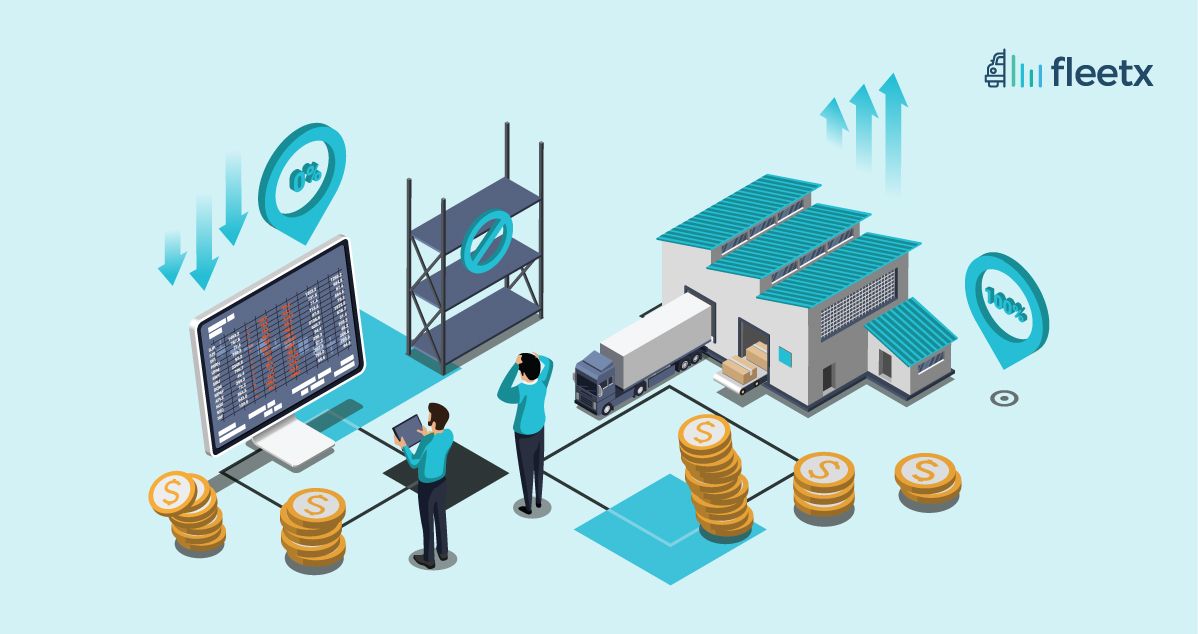

When 10% of your fleet isn't going where it should, the real cost isn't just fuel. It's trust, governance, and revenue.
The Problem with "We'll Check Tomorrow"
In high-value industrial logistics, tomorrow is too late.
For a steel enterprise managing outbound shipments of expensive raw materials and finished products across multiple locations, every trip carries significant financial and compliance weight. Strict dispatch timelines, third-party transporter dependency, mine-based vehicle management, and loading and unloading operations at both ends — steel logistics leaves almost no room for error.
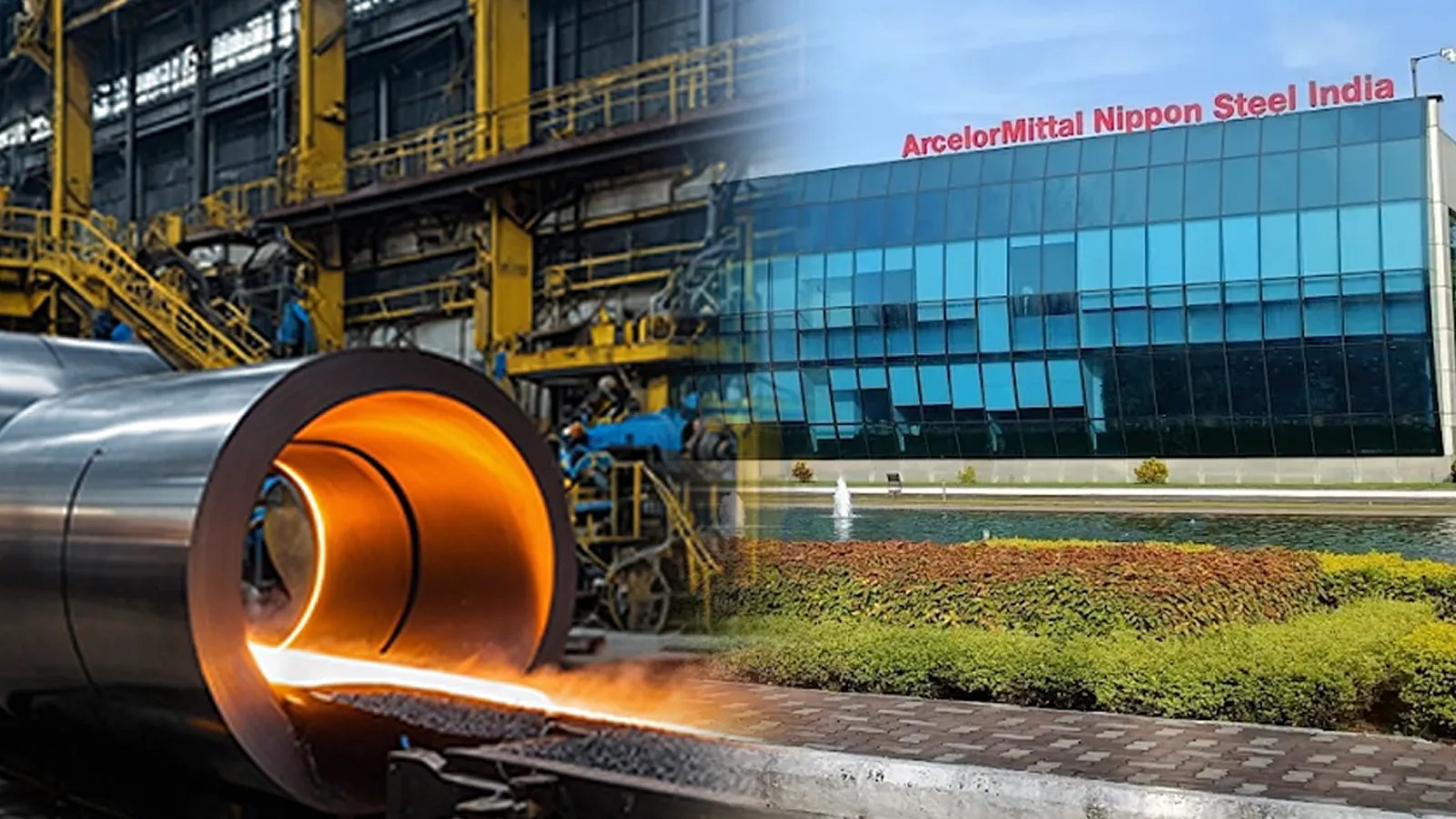
Yet, for ArcelorMittal Nippon Steel India (AM/NS India), nearly 10% of trips were experiencing route deviations. Vehicles were straying from pre-approved routes, and operations teams had no way to detect it in real-time. By the time a deviation was flagged, the damage — whether to delivery timelines, material security, or audit records — was already done.
This is what reactive fleet management costs. Not just operationally. Strategically.
Four Problems Hiding Inside One Number
A 10% route deviation rate is not a single problem. It is four problems compounding each other simultaneously.
Visibility
AM/NS India's operations teams were relying on manual transporter updates and phone-based coordination. There was no centralized control tower. Fleet movement across geographies was, in effect, invisible.
Material Security
Unmonitored stoppages and unauthorized detours created direct exposure to pilferage, unauthorized unloading, and unaccounted stoppage time — risks that are unacceptable when the cargo is high-value steel.
Transporter Accountability
Without real-time data, there was no objective mechanism to hold third-party transporters accountable for route compliance. Disputes became word-against-word conversations with no data to anchor them.
Governance & Compliance
For an enterprise of AM/NS India's scale, audit readiness is non-negotiable. The absence of structured movement records and route compliance data was creating growing liability — internally and with clients.
One metric. Four failure points. Each one quietly erodes operational integrity.
The Selection Criteria: What Intelligence-Led Monitoring Actually Looks Like
Fleetx deployed its vehicle tracking system with route intelligence capabilities designed specifically for the complexity of industrial logistics. The approach was structured, systematic, and built around one core principle: don't just track movement — understand it.
Every vehicle in AM/NS India's outbound fleet was integrated into a centralized Fleetx dashboard, giving operations teams live GPS visibility into location, stoppages, and trip progress across the entire network. Pre-approved routes were digitally mapped into the system, with automated deviation alerts triggered the moment a vehicle exceeded defined thresholds — and GPS disconnection alarms activated as an additional layer of security.
Strategic geofences were placed around plant exits, high-risk transit zones, delivery yards, and border checkpoints. Any unauthorized halt or route shift triggered an immediate alert. Operations teams moved from receiving information hours later to acting on it in real time.
The platform also generated structured, audit-ready compliance reports — deviation logs, route compliance scores, historical movement records — giving management and audit teams full, defensible transparency into fleet operations.
This is the difference between a tracking tool and an intelligence layer. One tells you where your vehicles are. The other tells you when something is wrong, why it matters, and what to do about it.
The Results: Measurable, Immediate, Strategic
Within the first phase of implementation, the numbers moved decisively.
Route deviations dropped from 10% to under 2% — an over 80% reduction. The operational impact was immediate: reduced risk exposure, higher delivery discipline, and significantly stronger transporter accountability across the network.
But the more meaningful shift was behavioral. Operations teams stopped firefighting. With real-time monitoring and automated alerts in place, the posture of the entire logistics function moved from reactive to proactive. Drivers and transporters became more compliant, knowing that every kilometre was being intelligently monitored.
On the governance side, AM/NS India now holds audit-ready movement logs and deviation records that can be shared with internal stakeholders, management, and external auditors at any time. The compliance liability that once existed has been replaced by a structured, data-driven control framework.
Strategically, the outcomes extended further — reduced revenue leakage risk, stronger trust with end customers, greater predictability in logistics performance, and enhanced data-driven decision-making across the supply chain.
Why This Matters Beyond Steel
The AM/NS India deployment is a proof point — but it is not an isolated one.
Across cement, construction, pharmaceuticals, FMCG, and 3PL logistics, the same four failure points exist: limited visibility, material security risk, transporter accountability gaps, and compliance exposure. The industries differ. The operational reality is the same.
What changes the equation is not more people monitoring more phones. It is intelligent, real-time infrastructure that converts raw fleet data into actionable decisions — automatically, at scale, before problems escalate.
Fleetx processes over 20 billion sensory data points every day across more than 350,000 vehicles. Every data point is an opportunity to prevent a deviation, flag a risk, or surface a decision that a human would otherwise make too late.
The future of industrial logistics is not faster trucks. It is smarter oversight.
Frequently Asked Questions
What is route deviation monitoring in industrial logistics?
Route deviation monitoring is the process of tracking whether a commercial vehicle follows its pre-approved route throughout a trip. Modern GPS-based vehicle tracking systems compare a vehicle's live location against planned routes and instantly alert fleet managers whenever a truck takes an unauthorized detour, remains stationary for too long, or exits predefined geofenced areas. This capability is especially important for industries transporting high-value cargo such as steel, mining materials, cement, pharmaceuticals, chemicals, and FMCG products.
Unlike traditional fleet tracking that only displays vehicle locations, intelligent route deviation monitoring continuously analyzes movement patterns, driver behaviour, stoppages, and compliance. Businesses receive real-time notifications instead of discovering issues hours after deliveries are completed. This allows logistics teams to prevent theft, reduce fuel wastage, improve transporter accountability, and maintain complete audit records.
Across India, manufacturers operating in Delhi NCR, Gurgaon, Mumbai, Pune, Bengaluru, and other industrial hubs increasingly rely on route intelligence to strengthen supply chain visibility. Large enterprises managing third-party transporters particularly benefit because every trip is digitally recorded, making disputes easier to resolve with factual GPS evidence.
As demonstrated by ArcelorMittal Nippon Steel India, implementing intelligent route monitoring can dramatically reduce route deviations while improving governance, compliance, customer confidence, and operational efficiency.
Why is route deviation tracking important for steel and manufacturing companies?
Steel manufacturers and other heavy industries manage thousands of vehicle movements involving expensive raw materials, finished products, and time-sensitive deliveries. Every unauthorized diversion increases operational risk because it can result in delayed deliveries, fuel losses, cargo theft, compliance issues, and customer dissatisfaction. Route deviation tracking helps organizations identify these problems immediately instead of discovering them after deliveries are completed.
Real-time GPS visibility allows operations teams to monitor transporter compliance, verify dispatch schedules, and investigate unusual stoppages before they become costly incidents. Geofencing further improves control by generating alerts whenever vehicles leave approved industrial zones, warehouses, plants, or customer locations. Companies also maintain detailed historical movement records, simplifying audits and strengthening internal governance.
Large manufacturing clusters in Delhi NCR, Gurgaon, Mumbai, Pune, and Bengaluru frequently depend on multiple transport partners operating across interstate corridors. Without centralized monitoring, maintaining consistent service quality becomes difficult. Intelligent fleet management platforms provide a unified dashboard where logistics managers can monitor every shipment regardless of transporter or vehicle type.
The result is greater operational transparency, stronger transporter accountability, improved customer confidence, reduced revenue leakage, and better utilization of logistics resources across the supply chain.
Which is the best route deviation monitoring software in India?
The best route deviation monitoring software combines GPS vehicle tracking, geofencing, automated alerts, route planning, transporter management, compliance reporting, and analytics into one integrated platform. Rather than simply displaying vehicle locations, advanced logistics software continuously evaluates whether trips follow planned routes and immediately alerts operations teams when deviations occur.
For enterprises operating across India, important evaluation criteria include scalability, real-time visibility, ease of implementation, AI-powered alerts, historical trip analysis, audit-ready reports, API integrations, and support for multiple transporters. Organizations handling steel, mining, cement, construction, pharmaceuticals, and FMCG logistics generally require enterprise-grade solutions capable of managing thousands of vehicles simultaneously.
Companies headquartered in Delhi, Gurgaon, Mumbai, Pune, and Bengaluru often prioritize cloud-based transportation management systems because they provide centralized visibility across multiple plants and warehouses. Decision-makers should also evaluate vendor support, onboarding assistance, uptime guarantees, mobile accessibility, reporting capabilities, and integration with ERP or warehouse management systems.
The best software is ultimately the one that aligns with operational complexity, business scale, compliance requirements, and future expansion plans while helping reduce route deviations, improve fleet productivity, and strengthen logistics governance.
How much does route deviation monitoring software cost in India?
The cost of route deviation monitoring software in India depends on several factors, including fleet size, hardware requirements, GPS devices, software modules, cloud infrastructure, integrations, reporting features, and implementation complexity. Small businesses with a limited fleet typically pay on a per-vehicle monthly subscription basis, while medium and large enterprises often choose customized pricing based on operational requirements.
As a general estimate, cloud-based vehicle tracking software starts from approximately ₹300–₹1,000 per vehicle per month depending on features. Enterprise transportation management platforms with AI-powered alerts, geofencing, analytics, compliance dashboards, ERP integration, and dedicated support may involve implementation costs ranging from a few lakhs to significantly larger investments for nationwide deployments. Organizations should evaluate the total return on investment rather than software cost alone.
Businesses operating in Delhi, Gurgaon, Mumbai, Pune, Bengaluru, and other logistics hubs often recover implementation costs through lower fuel consumption, reduced route deviations, improved transporter accountability, fewer compliance penalties, and better asset utilization. Many software providers also offer scalable pricing models that allow companies to expand deployments as their fleet grows.
Before selecting a solution, businesses should compare implementation services, customer support, uptime guarantees, reporting capabilities, mobile applications, training, and future scalability in addition to subscription pricing.
How long does it take to implement a route monitoring solution for industrial logistics?
The implementation timeline for route monitoring software depends on fleet size, operational complexity, existing technology infrastructure, and integration requirements. Small businesses can often complete deployment within a few days, while medium and enterprise organizations may require several weeks to onboard thousands of vehicles, configure geofences, integrate ERP systems, and train operational teams.
A typical implementation begins with installing GPS tracking devices or integrating existing telematics hardware. The software provider then configures user accounts, creates dashboards, maps approved routes, establishes geofences, defines deviation thresholds, and enables automated alerts. Additional phases may include ERP integration, transporter onboarding, compliance reporting, mobile application deployment, and user training.
Manufacturing organizations in Delhi NCR, Gurgaon, Mumbai, Pune, and Bengaluru generally prefer phased implementations that minimize operational disruption while allowing individual plants or transport partners to go live gradually. This approach reduces risk and ensures users become comfortable with the platform before company-wide deployment.
Businesses should also look beyond implementation speed. A successful deployment includes continuous technical support, software updates, analytics optimization, and regular performance reviews to ensure measurable improvements in route compliance, fleet visibility, and logistics efficiency.
How do companies in Delhi NCR and Gurgaon improve transporter accountability using route intelligence?
Manufacturers and distributors across Delhi NCR and Gurgaon manage complex transportation networks involving multiple warehouses, industrial parks, vendors, and third-party logistics providers. Maintaining transporter accountability becomes increasingly difficult when vehicle movements are monitored manually through phone calls or periodic status updates. Route intelligence solves this challenge by providing continuous GPS visibility throughout every trip.
Modern fleet management platforms automatically compare actual vehicle movement against approved routes and generate alerts whenever unauthorized deviations, excessive stoppages, or geofence violations occur. Every trip is digitally recorded, creating objective evidence that can be reviewed during transporter evaluations, customer disputes, compliance audits, or service-level agreement assessments.
Industrial sectors such as steel, construction, FMCG, pharmaceuticals, chemicals, and manufacturing particularly benefit because expensive cargo requires greater operational control. Route intelligence also enables logistics managers to identify recurring issues involving specific transporters, optimize dispatch planning, reduce idle time, and improve delivery reliability.
For businesses operating throughout Delhi NCR and Gurgaon, centralized dashboards eliminate fragmented communication while improving governance, reducing operational risks, strengthening vendor relationships, and creating a more transparent logistics ecosystem that supports long-term supply chain growth.
Why are manufacturers in Mumbai, Pune, and Bengaluru investing in intelligent fleet monitoring solutions?
Mumbai, Pune, and Bengaluru are among India's largest manufacturing, logistics, automotive, pharmaceutical, and technology hubs. Businesses operating in these cities manage extensive transportation networks involving factories, warehouses, ports, distributors, and third-party logistics providers. As shipment volumes increase, traditional fleet monitoring methods become less effective, making intelligent route monitoring an essential investment.
Modern fleet management software provides real-time GPS tracking, route deviation alerts, geofencing, trip analytics, driver monitoring, and centralized dashboards. Instead of relying on transporter phone calls or manual reporting, logistics managers receive instant notifications whenever vehicles leave approved routes, remain idle for extended periods, or encounter unexpected delays. This allows teams to respond immediately before operational issues escalate.
Manufacturers moving high-value cargo particularly benefit because digital trip records improve audit readiness, compliance, transporter accountability, and customer communication. Businesses can also analyze recurring operational bottlenecks to improve route planning, optimize fleet utilization, and reduce unnecessary transportation expenses.
As supply chains become increasingly digital, organizations across Mumbai, Pune, and Bengaluru are investing in intelligent logistics platforms that deliver measurable improvements in visibility, operational efficiency, customer satisfaction, and long-term business scalability.
Can route deviation monitoring reduce logistics costs and improve ROI?
Yes. Route deviation monitoring delivers measurable financial benefits by preventing unauthorized detours, reducing fuel wastage, improving vehicle utilization, and minimizing delivery delays. Although businesses often evaluate fleet management software based on subscription costs, the long-term return on investment usually comes from operational improvements rather than software savings alone.
Real-time visibility enables fleet managers to identify inefficient routes, excessive idle time, unauthorized stoppages, and driver behaviour that increases transportation costs. Automated alerts also reduce manual monitoring efforts while improving transporter accountability and reducing revenue leakage associated with delayed deliveries or cargo misuse.
Organizations transporting valuable materials such as steel, cement, pharmaceuticals, chemicals, and construction products often achieve additional savings through stronger compliance, improved audit readiness, fewer customer disputes, and better inventory planning. Businesses can also make more accurate logistics decisions using historical movement data and performance analytics.
Whether operating in Delhi, Gurgaon, Mumbai, Bengaluru, Pune, or across multiple Indian states, companies implementing intelligent fleet monitoring frequently experience improvements in operational efficiency, service quality, customer trust, and overall logistics profitability while creating a more resilient supply chain.
What features should businesses look for in top fleet monitoring and route intelligence software?
When evaluating top fleet monitoring software, businesses should focus on capabilities that improve operational visibility, transporter accountability, compliance, and long-term scalability. Basic GPS tracking is no longer sufficient for enterprise logistics operations where real-time decision-making is essential.
Important features include live vehicle tracking, intelligent route deviation alerts, geofencing, automated notifications, trip history, compliance reports, driver behaviour analysis, fuel monitoring, dashboard analytics, transporter performance tracking, mobile accessibility, API integrations, and compatibility with ERP or warehouse management systems. AI-powered analytics and predictive insights further help organizations detect risks before they affect deliveries.
For enterprises operating across India, the software should support multi-location operations covering manufacturing plants, warehouses, ports, and distribution centres in cities such as Delhi, Gurgaon, Mumbai, Pune, Bengaluru, Chennai, and Hyderabad. Strong customer support, implementation assistance, regular software updates, cybersecurity, and cloud scalability are equally important selection criteria.
The best fleet monitoring solution is one that aligns with business objectives, supports future expansion, improves route compliance, enhances customer service, and enables data-driven logistics decisions across the entire transportation network.