
India's intercity bus network moves hundreds of millions of passengers every year. Yet for much of the industry, safety has been managed reactively — incidents flagged after the fact, driver behaviour evaluated in hindsight, and operational gaps discovered only once something has already gone wrong.
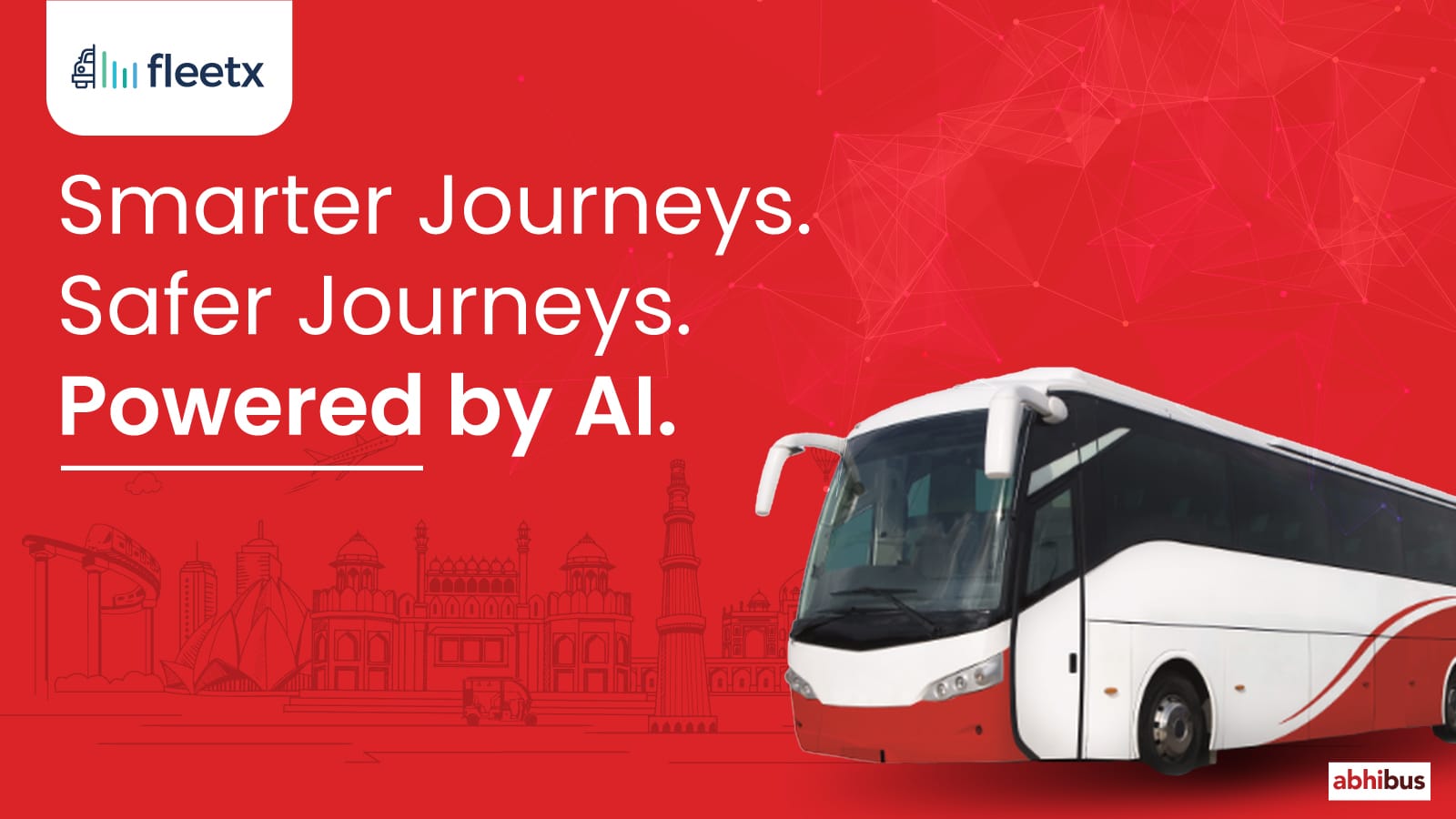
Today, that changes. AbhiBus — ixigo's bus ticketing business and one of India's largest online bus platforms — has partnered with Fleetx, an AI-powered fleet intelligence platform, to bring real-time video telematics and proactive driver safety solutions to bus operators across the country.
It's a partnership built on a shared conviction: that passenger safety is not an operational checkbox — it's a promise, and technology should help you keep it.
The Problem: Safety Gaps That the Industry Has Normalised
Bus operators in India manage complex, high-volume fleets — often with limited real-time visibility into what's happening on the road. The traditional model looks something like this:
• A driver shows signs of fatigue — but no one knows until there's an incident.
• A bus makes an unauthorized stop — but fleet managers find out the next day.
• A passenger complaint about aggressive driving comes in — but there's no footage to verify.
• Maintenance issues escalate — because there was no continuous monitoring to catch early warning signs.
These aren't edge cases. They're structural gaps baked into how fleet safety has historically been managed — and they affect operator performance, passenger trust, and driver accountability simultaneously.
The Solution: AI-Powered Intelligence at Every Layer
The AbhiBus–Fleetx integration is designed to close these gaps — not incrementally, but systematically. Here's what it brings to AbhiBus's operator network:
1. Multi-Camera Monitoring & 24x7 Live Streaming
Every bus on the network gets continuous, multi-angle visibility — inside the cabin, on the road, and even when stationary. Live streaming means that unusual situations can be reviewed in real time, not hours later.
2. AI-Powered Driver Safety Alerts
Fleetx's AI models detect early signs of driver fatigue, distraction, mobile phone use, smoking, and unsafe driving behaviour — and trigger immediate alerts, allowing timely intervention before risks escalate. This is the shift from reactive to proactive safety management.
3. AI Control Tower
A centralised command layer that aggregates real-time signals across the fleet — surfacing alerts, enabling faster issue resolution, and giving operations teams the situational awareness they need to act decisively. Think of it as mission control for fleet safety.
4. Driver Behaviour Analytics & Historical Insights
Beyond real-time monitoring, the platform continuously builds a behavioural profile for each driver — enabling targeted coaching, performance benchmarking, and measurable improvement over time. Operators can use this data to reward safe drivers and proactively address risk patterns.
What the Leaders Are Saying
"Passenger safety has always been central to what we do at AbhiBus, but real-time visibility and driver accountability have remained persistent gaps across the industry. With Fleetx's AI-powered video telematics, we now have the intelligence to move from reactive to proactive — detecting risks before they escalate, and ensuring every bus on our network meets the highest safety standards."
— Rohit Sharma, COO, AbhiBus
"Fleet operations have often relied on fragmented systems and reactive safety measures. Our AI-powered video telematics enables real-time monitoring and proactive driver interventions. Together with AbhiBus and ixigo, we aim to set new benchmarks for safer and more transparent fleet operations at scale."
— Vineet Sharma, Co-founder & CEO, Fleetx
Why This Partnership Matters at Scale
AbhiBus isn't a small operator. With over 6,200 bus operators on its platform, more than 6.5 lakh routes across India, and 54 crore annual active users across ixigo's platforms, any safety improvement here has compounding impact.
For Fleetx, this partnership is a validation of its mission: deploying AI-powered safety infrastructure at national scale. With over 10,000 AI-powered video dashcams already deployed across commercial fleets, 500,000+ vehicles served, and 20 billion sensory data points processed every day, Fleetx brings the depth of experience needed to operate reliably across AbhiBus's network.
Together, the two companies are not just upgrading one platform — they're establishing a new standard for what responsible, technology-driven bus operations look like in India.
Part of a Larger Safety Ecosystem
The Fleetx integration is the latest layer in AbhiBus's growing safety ecosystem. AbhiBus has already built passenger-facing tools that empower travellers to make informed decisions:
• Bus Insights — detailed ratings and reviews for bus operators
• 360-Degree Bus View — visual previews of the bus before booking
• Pink Seat — dedicated safe seating options for women travellers
• Real-time tracking — live bus location before and during the journey
With Fleetx's AI safety layer now woven into the operator network, these user-facing features are backed by real operational intelligence — creating a closed loop between passenger experience and fleet accountability.
How AI-Powered Video Telematics Is Creating a Safer and More Efficient Bus Ecosystem
While AI-powered video telematics is often associated with accident prevention, its long-term value extends far beyond safety alerts. For bus operators, technology now plays a critical role in improving operational efficiency, reducing costs, strengthening regulatory compliance, and delivering a better passenger experience. Instead of responding to incidents after they occur, operators can use real-time intelligence to predict risks, monitor fleet performance continuously, and make informed decisions based on actionable data.
As India's passenger transportation sector continues to digitize, proactive fleet intelligence is becoming an operational necessity rather than a competitive advantage.
How Video Telematics Benefits Every Stakeholder
Every stakeholder within the transportation ecosystem gains measurable value from AI-powered monitoring and analytics.
Bus Operators
Operators benefit from improved visibility across their entire fleet by being able to:
- Detect unsafe driving behaviour before it leads to accidents.
- Monitor route adherence and reduce unauthorized stoppages.
- Improve fleet utilization through centralized monitoring.
- Lower insurance claims and accident-related operational costs.
- Build a culture of accountability using objective driving data.
Fleet Managers
For day-to-day operations, fleet managers gain access to real-time insights that simplify decision-making.
Key operational advantages include:
- Live vehicle tracking with event-based alerts.
- Centralized dashboard for monitoring multiple buses simultaneously.
- Faster incident investigation using recorded video evidence.
- Historical driver performance reports for coaching and evaluation.
- Reduced manual supervision through AI-generated alerts.
Drivers
Rather than acting purely as a surveillance tool, AI-powered telematics also supports drivers by encouraging safer driving habits.
Some of the benefits include:
- Fair evaluation based on driving behaviour instead of assumptions.
- Personalized coaching using behavioural analytics.
- Recognition and rewards for consistently safe driving.
- Reduced stress through proactive maintenance and operational planning.
Passengers
Passengers ultimately experience the biggest impact through:
- Increased confidence in operator safety standards.
- Better journey reliability with fewer operational disruptions.
- Faster emergency response during unexpected incidents.
- Greater transparency through monitored fleet operations.
Traditional Fleet Safety vs AI-Powered Fleet Intelligence
| Traditional Fleet Safety | AI-Powered Video Telematics |
|---|---|
| Reviews incidents after they occur | Detects risks in real time before escalation |
| Manual driver supervision | Continuous AI-assisted monitoring |
| Limited operational visibility | Live multi-camera fleet visibility |
| Reactive maintenance decisions | Predictive insights based on operational data |
| Passenger complaints investigated later | Video evidence available immediately |
| Static reports | Live dashboards with actionable alerts |
| Difficult driver performance evaluation | Behaviour-based scoring and analytics |
| Slower incident response | Instant notifications and centralized control |
Why Predictive Fleet Intelligence Will Define the Future of Passenger Transport
The next generation of fleet management is moving from data collection to intelligent decision-making. Modern AI platforms combine video telematics, GPS tracking, behavioural analytics, IoT sensors, and predictive algorithms into a unified operational ecosystem that continuously evaluates fleet health and safety.
As this technology matures, operators will increasingly be able to:
- Predict high-risk driving behaviour before accidents occur.
- Identify recurring operational inefficiencies across routes.
- Optimize driver scheduling using fatigue and performance trends.
- Improve compliance with evolving transport safety regulations.
- Make data-driven investment decisions using fleet-wide performance analytics.
For large passenger transport networks handling thousands of daily trips, these capabilities create measurable improvements in safety, operational efficiency, customer satisfaction, and long-term profitability. Rather than relying solely on reactive interventions, transport operators can build resilient, intelligent fleet operations where every journey is continuously monitored, analysed, and optimized.
This shift toward predictive fleet intelligence represents the future of commercial passenger transportation, helping operators deliver safer journeys while improving operational performance at scale.
Miles to Go
The road to truly safe fleet operations is a long one — and it requires the right data, the right tools, and the right partnerships. The AbhiBus–Fleetx collaboration is a step in that direction: technology-led, proactive, and built to scale.
As AI-powered fleet intelligence becomes table stakes for responsible operators, we believe partnerships like this will define the next chapter of mobility in India — one where every passenger can board a bus knowing that safety is being actively watched over, not just hoped for.
Frequently Asked Questions
What is AI-powered video telematics for buses and how does it improve passenger safety?
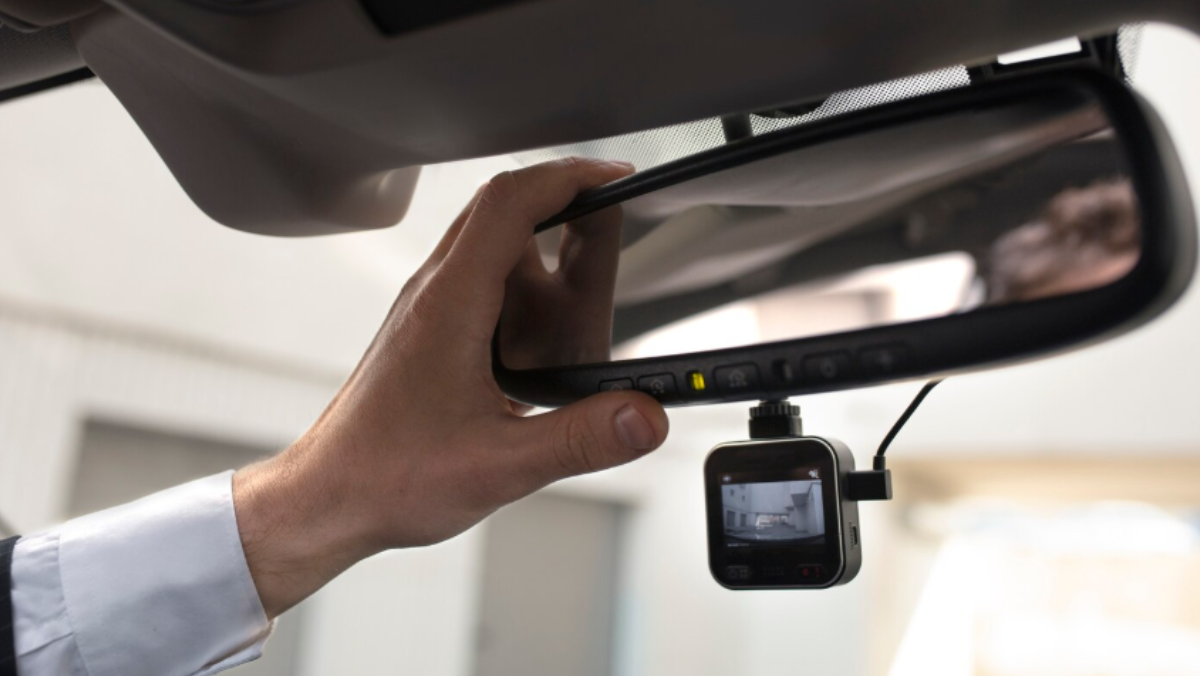
AI-powered video telematics is an advanced fleet safety technology that combines AI dash cameras, GPS tracking, vehicle telematics, and real-time analytics to monitor buses while they are operating. Unlike traditional CCTV systems that simply record footage, modern video telematics continuously analyses driver behaviour and road conditions to detect potential risks before they become accidents.
The technology identifies unsafe driving events such as fatigue, mobile phone usage, distracted driving, harsh braking, overspeeding, lane departures, and tailgating. Instant alerts allow fleet managers to intervene immediately instead of discovering issues after an incident has already occurred.
- Live multi-camera monitoring inside and outside the bus.
- Real-time AI alerts for risky driving behaviour.
- Recorded evidence for incident investigation.
- Driver coaching using behavioural analytics.
- Improved compliance with safety regulations.
- Enhanced passenger confidence through proactive monitoring.
As India's intercity and city bus networks continue expanding, AI-powered video telematics is becoming an essential investment for operators looking to reduce accidents, improve operational efficiency, and deliver safer journeys. It is increasingly adopted by private fleet operators, corporate transport providers, school buses, and public transportation fleets across Delhi NCR, Mumbai, Bengaluru, Pune, and other major Indian cities.
Why are bus operators in India moving from reactive fleet safety to proactive AI-based monitoring?
Traditional fleet safety relies heavily on manual supervision and reviewing incidents after they occur. This reactive approach often results in delayed corrective actions, higher accident costs, and inconsistent driver performance management.
AI-powered monitoring shifts the focus toward preventing incidents before they happen. Intelligent algorithms continuously monitor driving patterns and automatically notify operations teams whenever unsafe behaviour is detected.
- Earlier identification of fatigue and distraction.
- Reduced accident frequency through timely intervention.
- Lower insurance and repair costs.
- Better driver accountability using objective data.
- Centralized visibility across large fleets.
- Improved customer trust and passenger satisfaction.
Large transport companies operating thousands of daily trips across India increasingly view AI-driven fleet intelligence as an operational necessity rather than an optional technology upgrade. This proactive approach also supports better route compliance, improved vehicle utilization, and data-driven decision-making for fleet managers.
Which is the best AI-powered video telematics solution for bus operators in India?
The best video telematics platform depends on fleet size, operational complexity, integration requirements, and long-term business goals. Operators should evaluate solutions that combine AI dashcams, GPS tracking, live video streaming, fleet analytics, driver scoring, and centralized fleet management rather than purchasing standalone hardware.
When comparing top fleet safety platforms, consider:
- AI-powered driver fatigue and distraction detection.
- Live video streaming and event recording.
- Fleet-wide operational dashboard.
- Vehicle tracking and route monitoring.
- Driver behaviour analytics.
- Cloud-based reporting.
- Integration with transportation management systems.
- Scalability for growing fleets.
For bus operators managing fleets across Delhi NCR, Mumbai, Bengaluru, Gurgaon, Chennai, Hyderabad, and Pune, choosing an integrated platform often provides better long-term value than deploying multiple disconnected safety systems. Businesses should also evaluate vendor support, implementation expertise, analytics capabilities, and future AI enhancements before making a purchasing decision.
How much does AI-powered video telematics cost for bus fleets in India?
The implementation cost varies depending on fleet size, number of cameras per vehicle, cloud storage requirements, AI capabilities, and software integrations. There is no single standard price because every fleet has different operational requirements.
Typical pricing considerations include:
- AI dash camera hardware.
- Installation charges.
- Monthly software subscription.
- Cloud video storage.
- AI analytics features.
- Fleet management dashboard access.
- Maintenance and support services.
For many commercial bus operators in India, implementation may range from approximately ₹12,000 to ₹45,000 per vehicle initially, while software subscriptions typically range between ₹700 and ₹3,000 per vehicle per month depending on functionality. Enterprise deployments for large fleets operating across Delhi, Mumbai, Bengaluru, Pune, or Gurgaon usually receive customized pricing based on fleet volume and integration requirements. Businesses should request a detailed demonstration and ROI assessment before selecting a platform.
How can bus operators in Delhi NCR and Gurgaon benefit from AI-powered video telematics?
Delhi NCR and Gurgaon experience dense traffic, long operating hours, frequent congestion, and high passenger volumes. These conditions make continuous fleet visibility extremely valuable for private operators, employee transportation providers, airport shuttle services, and intercity bus companies.
- Monitor aggressive driving in congested urban traffic.
- Reduce unauthorized route deviations.
- Improve compliance with company safety policies.
- Strengthen driver coaching using AI insights.
- Improve passenger confidence through safer operations.
- Generate digital evidence for disputes or incidents.
Corporate transport providers serving IT parks, manufacturing facilities, educational institutions, and business hubs across Gurgaon and Delhi increasingly use AI-driven fleet intelligence to improve operational consistency while reducing accident risks. Real-time monitoring also enables faster incident response and supports regulatory compliance in busy metropolitan environments.
Why is AI video telematics becoming important for bus fleets in Mumbai, Bengaluru and Pune?
Major metropolitan cities like Mumbai, Bengaluru, and Pune have unique transportation challenges including heavy traffic congestion, unpredictable weather, high passenger demand, and complex road networks. AI-powered video telematics provides operators with continuous operational intelligence that helps maintain both safety and efficiency.
- Improve fleet visibility across multiple routes.
- Monitor driver behaviour consistently.
- Reduce accident-related downtime.
- Support predictive maintenance planning.
- Improve operational efficiency.
- Deliver safer passenger experiences.
Whether operating employee transport, intercity buses, tourist coaches, or public transport fleets, companies in these cities benefit from centralized fleet management that combines video monitoring, GPS tracking, and AI analytics into a single operational platform. As transportation networks continue growing, predictive fleet intelligence is becoming increasingly valuable for maintaining service quality.
What should fleet operators evaluate before implementing AI-powered bus safety technology?
Successful implementation requires more than selecting hardware. Operators should evaluate the complete technology ecosystem along with business objectives, scalability, and vendor capabilities.
- AI detection accuracy.
- Camera quality and coverage.
- Cloud platform reliability.
- Integration with existing fleet software.
- Driver privacy and compliance policies.
- Customer support and training.
- Reporting and analytics capabilities.
- Total cost of ownership over several years.
Organizations should also establish clear driver coaching programs, define measurable safety KPIs, and regularly review fleet analytics to maximize return on investment. When implemented strategically, AI-powered video telematics supports continuous operational improvement instead of functioning only as an incident recording tool.
What is the future of AI-powered bus safety and fleet intelligence in India?
The future of commercial passenger transportation is increasingly driven by connected, data-driven fleet operations. AI-powered video telematics is expected to become a standard component of intelligent transportation systems as operators prioritize safety, efficiency, and customer satisfaction.
Future innovations are expected to include:
- More accurate predictive driver risk analysis.
- AI-assisted route optimization.
- Deeper integration with transportation management systems.
- Predictive maintenance using connected vehicle sensors.
- Automated compliance reporting.
- Advanced operational dashboards powered by machine learning.
As India's transportation ecosystem modernizes, operators investing in intelligent fleet management today will be better positioned to reduce operational risks, improve passenger trust, and achieve sustainable long-term growth. AI-powered fleet intelligence is expected to play a central role in shaping safer and more efficient commercial transportation across the country.