
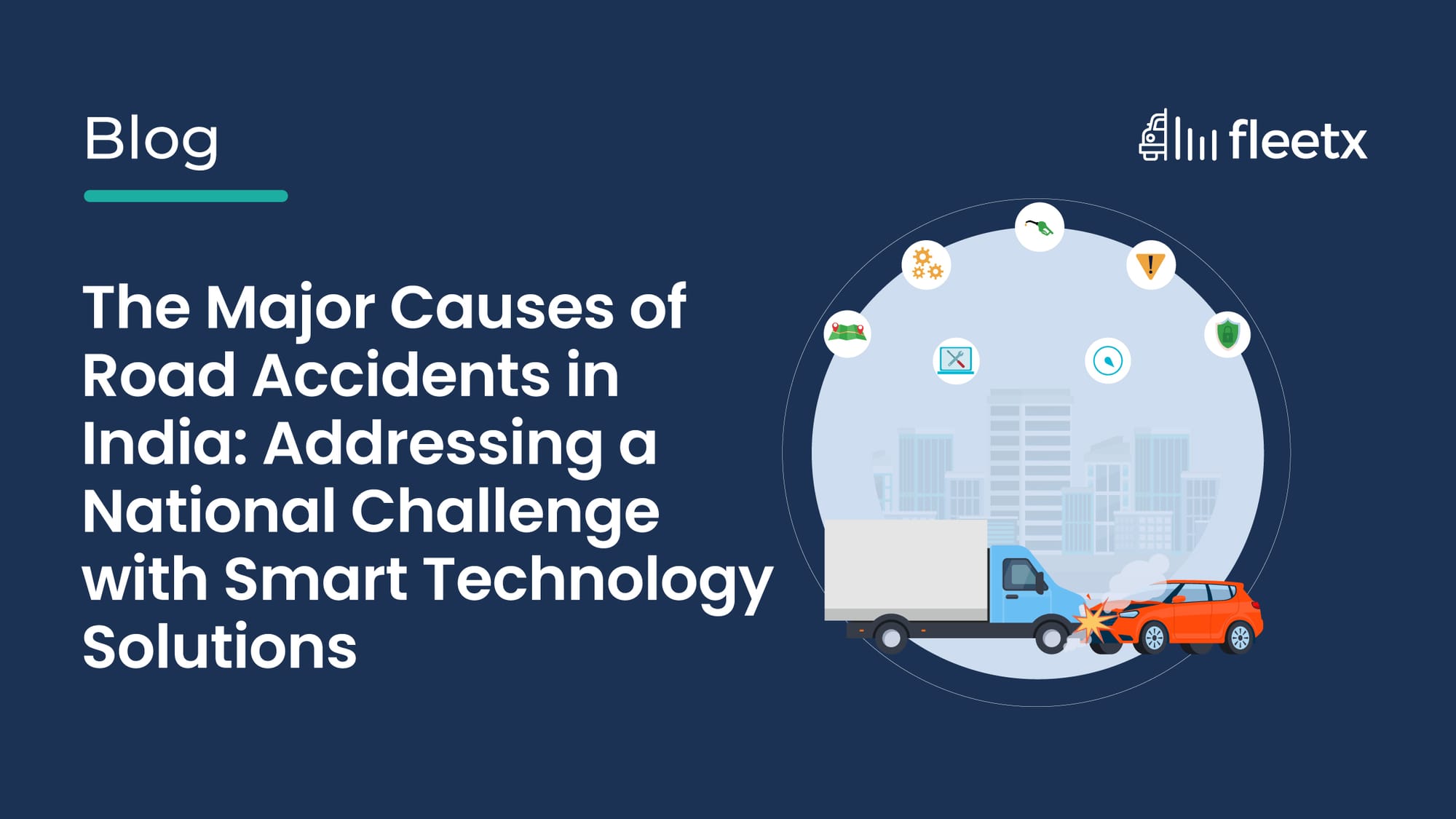
India's roadways function as the arteries of the country's economy, driving commerce, trade, and mobility. However, with over 4.6 lakh road accidents and nearly 1.7 lakh fatalities reported in 2022 alone, India's road safety record presents a challenge to the logistics and transportation sectors as they are particularly vulnerable to the many consequences of road accidents.
Delayed deliveries, damaged goods, and higher insurance premiums are just the tip of the iceberg. Every road accident that involves a commercial vehicle has a cascading effect, disrupting supply chains, increasing operational costs, and damaging the reputation of logistics companies.
In fact, a 2022 report by the Ministry of Road Transport and Highways indicates that road accidents cost the Indian economy 3.14% of GDP annually. This staggering figure highlights the urgent need for the logistics industry to adopt smart technology solutions that can reduce accidents and improve operational efficiency.
Human Error: The Leading Cause of Road Accidents
One of the most preventable causes of road accidents in India is human error. The above mentioned study reported human errors responsible for nearly 84% of all road accidents in 2022. Among these, overspeeding stands out as a significant factor, responsible for 71.2% of fatalities. Drivers, particularly those operating commercial vehicles, often succumb to the pressure of meeting delivery deadlines, which leads to risky driving behaviors such as speeding.
Overspeeding not only compromises the safety of the driver and the vehicle, but also endangers pedestrians, motorcyclists, and other vehicles. Driving on the wrong side of the road is another recurring issue, causing 5.4% of road deaths in 2022. These behaviors point to the urgent need for driver behavior monitoring systems, which are increasingly being implemented by companies who want to proactively address this problem.
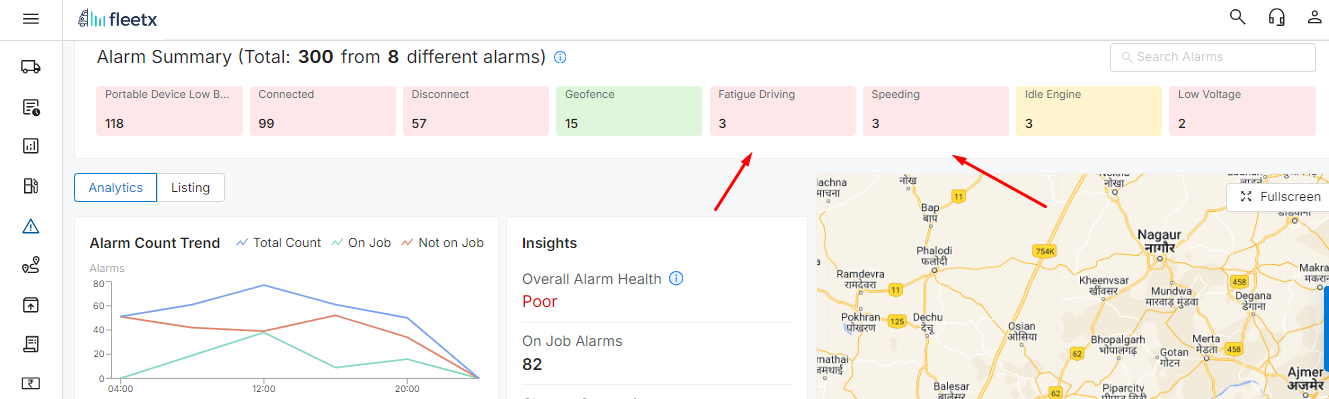
Our Solution: Fleetx’s AI-driven solutions offer fleet operators real-time insights into driver behavior. These technologies can detect overspeeding, harsh braking, and unauthorized driving patterns, helping fleet managers intervene before accidents occur. By monitoring drivers and alerting them to risky behaviors, logistics companies can significantly reduce the number of accidents attributed to human error.
Road Infrastructure: Managing Uncertainty
While human error plays a significant role, road infrastructure is another important factor. Poorly maintained roads with potholes, uneven surfaces, and inadequate signage can lead to vehicle damage, reduced speed control, and loss of traction, increasing the likelihood of accidents. Narrow and congested roads further complicate the problem, especially for large commercial vehicles.
Surprisingly, 67% of road accidents occur on straight roads. This statistic might seem strange, but it highlights a key issue: drivers often become complacent on well-maintained, straight roads, leading to overspeeding and reduced reaction times.
Our solution: Fleetx’s video telematics software can assist in reducing road accidents by improving visibility. This is made possible by the use of cameras to provide real-time footage of both the cabin as well as the road ahead. The in-cabin camera can detect if the driver is experiencing fatigue, distracted or using the phone and immediately alert the fleet manager. The software also uses AI to analyse the video data on parameters like driving performance, allowing the company to take a proactive approach to fleet safety.
Vehicular Condition: An Often-Ignored Cause
Poorly maintained vehicles, especially in the logistics and transport sectors, contribute significantly to accidents on India's highways. Mechanical failures such as faulty brakes, worn-out tyres, and engine breakdowns can lead to loss of control, especially on highways or during long-haul trips. Unfortunately, regular maintenance is often overlooked due to cost or time constraints. It is clear, however, that neglecting vehicle upkeep increases the risk of accidents, particularly in high-pressure logistics environments.
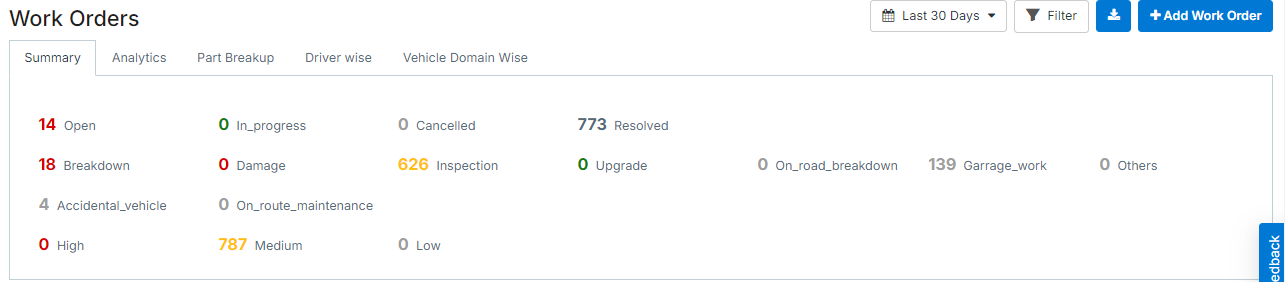
Our Solution: Fleetx offers predictive maintenance solutions, which ensure that fleet vehicles are always in top operational condition. Using real-time data analytics, fleet operators can identify potential mechanical issues before they become critical, scheduling maintenance checks and preventing breakdowns or accidents caused by vehicle failure. This proactive approach not only enhances the safety of drivers but also improves fleet efficiency by reducing downtime.
The Role of Weather Conditions
While not the most frequent cause of accidents, poor weather conditions are a factor that can increase the risk of road accidents. In 2022, nearly 8.4% of road accidents were attributed to poor weather conditions such as heavy rainfall, fog, and dust storms. These conditions reduce visibility and affect road traction, making driving significantly more dangerous.
Our solution: Fleetx’s smart tracking systems provide real-time weather updates, helping drivers and fleet operators make informed decisions about routes and travel schedules. By using data-driven insights, fleet managers can reroute vehicles to safer paths, delay departures, or communicate real-time warnings to drivers, all of which contribute to preventing accidents in unfavorable weather.
Conclusion: A Safer Future for India’s Logistics Industry
Road accidents in India are not just a public safety concern; they pose a significant threat to the logistics industry’s growth and efficiency. As we’ve seen in this article, the causes of these accidents are complex, ranging from human error to poor road infrastructure and vehicle conditions. However, with the rise of smart technology solutions like those offered by Fleetx, the logistics sector has a powerful tool to combat these challenges.
By leveraging AI-driven insights, predictive maintenance, and real-time tracking, Fleetx empowers businesses to enhance safety, reduce operational costs, and ultimately contribute to a safer, more efficient logistics landscape in India. For logistics companies seeking to stay ahead of the curve, the path to success lies in adopting the right technologies. With Fleetx’s comprehensive suite of solutions, the future of India’s logistics industry looks brighter, safer, and more efficient.
Frequently Asked Questions
What are road accidents, and what are the major causes of road accidents in India? ▼
Road accidents are unexpected incidents involving one or more vehicles, pedestrians, cyclists, or roadside infrastructure that result in injuries, fatalities, property damage, or traffic disruption. In India, road accidents continue to be one of the biggest public safety and logistics challenges because of increasing vehicle density, urban expansion, and heavy commercial transportation. The most common causes include overspeeding, distracted driving, driver fatigue, poor vehicle maintenance, adverse weather, overloaded vehicles, inadequate road infrastructure, and failure to follow traffic rules. For commercial fleets operating across Delhi, Delhi NCR, Gurgaon, Mumbai, Bengaluru, Pune, and other rapidly growing logistics hubs, these risks become even greater because vehicles often travel long distances under strict delivery schedules. Congested urban roads, highways, construction zones, and unpredictable traffic patterns increase accident exposure. Modern fleet operators are increasingly using AI-powered video telematics, GPS tracking, driver behaviour monitoring, predictive maintenance, and real-time alerts to reduce these risks. These technologies identify harsh braking, overspeeding, mobile phone usage, lane violations, fatigue, and unsafe driving habits before they result in serious accidents. Instead of reacting after an incident occurs, businesses now adopt proactive fleet safety solutions that continuously monitor vehicles and drivers. This improves road safety, reduces insurance claims, minimizes vehicle downtime, protects cargo, and ensures better compliance with safety regulations. Combining responsible driving practices with intelligent fleet technology is widely regarded as one of the most effective approaches to reducing road accidents across India.
How does video telematics help reduce road accidents and improve fleet safety? ▼
Video telematics is an advanced fleet safety technology that combines AI-enabled cameras, GPS tracking, vehicle telematics, and cloud analytics to monitor driving behaviour and road conditions in real time. Unlike traditional GPS tracking, video telematics provides visual evidence alongside vehicle data, allowing fleet managers to understand exactly what happened before, during, and after an incident. For logistics companies operating in India, particularly in Delhi NCR, Gurgaon, Mumbai, Bengaluru, and Pune, video telematics helps reduce accidents by detecting risky driving behaviours such as overspeeding, harsh acceleration, harsh braking, tailgating, distracted driving, mobile phone usage, smoking while driving, fatigue, and lane departure. Instant alerts enable fleet managers to intervene quickly before unsafe behaviour results in an accident. Another major advantage is faster accident investigation. Recorded footage simplifies insurance claims, protects drivers from false allegations, and helps businesses identify operational improvements. Fleet managers can also use driver scorecards and coaching programmes based on real driving data rather than assumptions. Video telematics is especially valuable for logistics fleets, passenger transport, construction vehicles, mining fleets, cold chain transportation, and hazardous goods movement, where even a single accident can cause financial losses and delivery delays. By providing continuous visibility into driver behaviour and vehicle movement, businesses create safer driving cultures, improve compliance, lower maintenance costs, and reduce accident frequency while maintaining higher operational efficiency across India's diverse road network.
Which is the best road safety and fleet safety software for logistics companies in India? ▼
The best road safety software depends on fleet size, operational complexity, industry, and safety objectives. Most leading logistics companies now prefer integrated fleet management platforms that combine GPS tracking, AI-powered video telematics, driver behaviour monitoring, predictive maintenance, route optimisation, fuel monitoring, and real-time alerts instead of purchasing multiple standalone solutions. For businesses operating across India—including Delhi, Gurgaon, Mumbai, Bengaluru, Pune, Chennai, Hyderabad, and other logistics corridors—a comprehensive platform offers better visibility into fleet operations while improving safety and productivity simultaneously. Companies should evaluate software based on AI accuracy, scalability, dashboard usability, mobile access, reporting capabilities, cloud infrastructure, customer support, and integration with existing ERP or transportation management systems. The top fleet safety software also helps reduce accident rates through driver coaching, speeding alerts, fatigue detection, geofencing, maintenance reminders, incident recording, and automated compliance reports. These features enable fleet managers to identify unsafe driving patterns before they lead to costly accidents or operational disruptions. When selecting the best solution, businesses should request product demonstrations, review implementation support, assess analytics capabilities, and compare long-term return on investment rather than focusing solely on software pricing. A well-implemented fleet safety platform not only improves driver safety but also reduces insurance expenses, lowers maintenance costs, increases vehicle uptime, enhances customer satisfaction, and strengthens overall logistics performance in India's competitive transportation industry.
What is the cost of implementing fleet safety software or video telematics in India? ▼
The cost of implementing fleet safety software in India varies depending on fleet size, the features required, the number of vehicles, and whether businesses choose GPS tracking alone or a complete AI-powered video telematics solution. Small businesses with limited fleets generally spend less than large enterprises managing hundreds or thousands of commercial vehicles across multiple cities. Besides software licensing, companies should also consider hardware installation, AI dash cameras, implementation, training, integration with existing ERP or TMS platforms, and ongoing support. For many logistics businesses operating in Delhi, Delhi NCR, Gurgaon, Mumbai, Bengaluru, and Pune, the typical investment ranges from approximately ₹1,500–₹5,000 per vehicle per month for comprehensive fleet management and safety solutions, depending on features and deployment requirements. Enterprise implementations involving AI cameras, predictive maintenance, advanced analytics, and custom integrations may require additional one-time implementation charges. Although pricing is an important consideration, businesses should evaluate the overall return on investment rather than selecting software based solely on the lowest price. A reliable fleet safety platform can significantly reduce accident-related expenses, insurance premiums, vehicle downtime, fuel wastage, maintenance costs, cargo losses, and legal liabilities. Many organisations recover their investment within a relatively short period through improved operational efficiency and lower accident rates. Before selecting a solution, request a customised quotation based on your fleet size, operational routes, vehicle types, reporting requirements, and compliance needs to ensure you receive the most cost-effective implementation for your business.
How can logistics companies in Delhi and Delhi NCR reduce commercial vehicle accidents? ▼
Delhi and Delhi NCR experience some of India's highest commercial vehicle movement, making road safety a major operational concern for transporters, fleet owners, manufacturers, e-commerce companies, and third-party logistics providers. Heavy congestion, frequent stop-and-go traffic, construction activity, expressways, mixed traffic conditions, and strict regulatory compliance requirements increase accident risks for commercial fleets operating in the region. To reduce accidents, companies should adopt a combination of technology, preventive maintenance, and driver training. AI-powered video telematics helps detect distracted driving, fatigue, harsh braking, overspeeding, and mobile phone usage in real time. GPS tracking provides complete route visibility, while predictive maintenance identifies mechanical issues before they become safety hazards. Driver scorecards and coaching programmes also encourage safer driving behaviour and long-term compliance. Fleet managers should regularly analyse accident trends, optimise delivery schedules to minimise driver fatigue, monitor vehicle health, enforce speed limits, and ensure compliance with commercial transport regulations. Geofencing can also help monitor vehicle movement within restricted zones or high-risk locations across Delhi NCR. For businesses managing deliveries throughout Delhi, Noida, Gurugram, Ghaziabad, and Faridabad, investing in intelligent fleet safety technology improves not only road safety but also delivery reliability, customer satisfaction, and operational efficiency. As urban logistics continues to expand, proactive fleet management has become essential for reducing accidents and maintaining profitable transportation operations.
How can fleet safety technology benefit transport businesses in Gurgaon, Mumbai, Bengaluru, and Pune? ▼
Every major logistics hub faces different transportation challenges, making intelligent fleet safety technology increasingly valuable across India's commercial transport industry. Gurgaon serves as a major logistics and corporate hub with extensive warehousing, manufacturing, and last-mile delivery operations. Mumbai experiences extremely dense traffic, port connectivity, and heavy commercial freight movement. Bengaluru's technology sector relies on efficient transportation for employee mobility and supply chains, while Pune supports automotive manufacturing, industrial logistics, and intercity freight operations. Fleet safety technology helps businesses across these cities by providing real-time GPS tracking, AI-powered video telematics, predictive maintenance, route optimisation, geofencing, driver behaviour monitoring, and instant safety alerts. These capabilities reduce accidents caused by overspeeding, driver fatigue, distracted driving, harsh braking, and poor vehicle maintenance. Businesses also gain operational advantages through improved fuel efficiency, faster incident investigation, reduced insurance claims, lower vehicle downtime, higher driver accountability, and better customer communication. Fleet managers can monitor vehicles remotely, generate compliance reports, analyse driver performance, and optimise fleet utilisation from a single dashboard. Whether transporting goods within Mumbai's urban network, managing warehouses around Gurgaon, operating manufacturing fleets in Pune, or coordinating deliveries throughout Bengaluru, intelligent fleet safety solutions improve both safety and profitability. As logistics operations become increasingly data-driven, businesses adopting modern fleet management platforms are better positioned to reduce operational risks while maintaining consistent service quality across India's rapidly expanding transportation network.
What are the top technologies that help prevent road accidents in commercial fleets? ▼
Modern fleet safety relies on a combination of intelligent technologies rather than a single solution. The top technologies used by logistics companies today include AI-powered video telematics, GPS vehicle tracking, Advanced Driver Assistance Systems (ADAS), Driver Monitoring Systems (DMS), predictive maintenance, route optimisation, geofencing, fuel monitoring, tyre pressure monitoring, and cloud-based fleet management software. Together, these solutions help identify risks before they lead to accidents. For fleets operating across India—including Delhi, Delhi NCR, Gurgaon, Mumbai, Bengaluru, and Pune—these technologies provide continuous visibility into both vehicle health and driver behaviour. AI cameras can detect fatigue, distracted driving, mobile phone usage, smoking, seatbelt violations, and harsh driving events in real time. GPS tracking helps fleet managers monitor routes, prevent unauthorized vehicle usage, and improve dispatch efficiency, while predictive maintenance alerts ensure that issues such as worn tyres or brake failures are addressed before causing breakdowns or accidents. Many organisations also integrate weather intelligence and route optimisation to avoid hazardous road conditions, traffic congestion, or accident-prone routes. Driver performance dashboards enable continuous coaching using objective data instead of manual observations. The greatest benefit comes from combining these technologies into a single fleet management ecosystem. Instead of reacting after accidents occur, businesses can proactively reduce safety risks, lower insurance costs, improve fleet utilisation, minimise vehicle downtime, and build a stronger safety culture. As commercial transportation continues to expand across India, adopting these advanced technologies has become essential for sustainable fleet operations.
How can businesses choose the best fleet safety solution for their transportation operations? ▼
Selecting the best fleet safety solution requires evaluating operational requirements instead of simply comparing software prices. Businesses should first assess fleet size, vehicle types, delivery routes, safety challenges, compliance requirements, and existing technology infrastructure. A company operating hundreds of long-haul trucks across India will require different capabilities than a regional delivery fleet serving Delhi NCR or Mumbai. The ideal solution should combine AI-powered video telematics, GPS tracking, driver behaviour monitoring, predictive maintenance, real-time alerts, analytics dashboards, geofencing, route optimisation, mobile applications, and cloud-based reporting. Integration with existing ERP, Transport Management System (TMS), Warehouse Management System (WMS), or accounting software is another important consideration for improving operational efficiency. Businesses should also compare implementation timelines, training support, customer service quality, hardware reliability, data security, scalability, reporting capabilities, and software updates. Requesting a live demonstration or pilot deployment helps validate whether the platform meets operational expectations before full-scale implementation. Although pricing is important, organisations should prioritise measurable business outcomes such as lower accident rates, reduced insurance claims, improved driver accountability, higher vehicle uptime, better fuel efficiency, and stronger regulatory compliance. For logistics operators in Gurgaon, Delhi, Mumbai, Bengaluru, Pune, and other growing transport hubs, investing in a scalable and intelligent fleet safety platform delivers long-term value by improving both operational performance and road safety. Choosing the right technology partner ultimately creates a safer, more efficient, and more profitable transportation business.
Why is proactive fleet safety management becoming essential for logistics companies in India? ▼
Proactive fleet safety management focuses on preventing accidents before they occur rather than responding after an incident has already caused injuries, vehicle damage, cargo loss, or operational disruption. As India's logistics sector continues to expand through e-commerce, manufacturing, infrastructure development, and intercity freight movement, businesses face increasing pressure to improve safety while maintaining delivery efficiency. Companies operating across Delhi, Delhi NCR, Gurgaon, Mumbai, Bengaluru, Pune, and other major logistics corridors encounter diverse road conditions, heavy traffic, long driving hours, unpredictable weather, and growing compliance requirements. These challenges make manual fleet supervision increasingly difficult. Intelligent fleet management platforms solve this problem by continuously monitoring vehicles, drivers, and operational performance using AI, IoT, cloud analytics, and real-time telematics. A proactive safety strategy includes driver coaching, predictive vehicle maintenance, route optimisation, fatigue detection, AI-powered video monitoring, preventive maintenance scheduling, automated compliance reporting, and instant risk alerts. Instead of waiting for accidents to reveal operational weaknesses, businesses can identify unsafe driving behaviour, mechanical faults, and high-risk routes early enough to take corrective action. Beyond improving road safety, proactive fleet management delivers measurable business benefits such as lower insurance premiums, fewer breakdowns, reduced maintenance expenses, improved customer satisfaction, increased vehicle utilisation, and stronger regulatory compliance. As transportation becomes increasingly technology-driven, organisations that invest in proactive fleet safety are better positioned to build resilient, efficient, and future-ready logistics operations while protecting both drivers and business assets.