
The most important quality for a fleet manager is efficiency. Let’s look at how can fleet managers be more efficient
In this article, we try to understand the role of a fleet manager and how fleet managers working for specific companies or fleet management service providers can use automation to make their life easier and work much more efficiently.
Fleet Managers are responsible for the entire operation of supply-chain management for their fleet. The responsibility comes with a unique set of challenges as management and execution that consists of tens or even hundreds of vehicles and drivers on road 365 days a year delivering goods and services requires a lot of work. These challenges can range from minor rerouting, 24x7 availability on phone calls to major setbacks like delayed delivery, theft and, higher fuel expense which can disrupt the entire budget.
Fleet Managers are expected to deal with these everyday challenges as part of their role. However, with a few steps and changes they can even avoid these challenges or atleast get a much quicker resolution and increase their efficiency.
How to be a better Fleet Manager?
No two fleets are alike, as any fleet manager will fully accept; the requirements for each of them vary. Apart from shifting to a more tech-oriented system of operations, Fleet Managers in their capacity can do certain things to increase their fleet’s efficiency and improve their overall TATs. Let’s have a look at some of the best practices fleet managers can do which can help them manage the fleet more efficiently while cutting costs and increasing profits.
1.Use a Real-Time fleet tracking technology for more efficient and accurate tracking
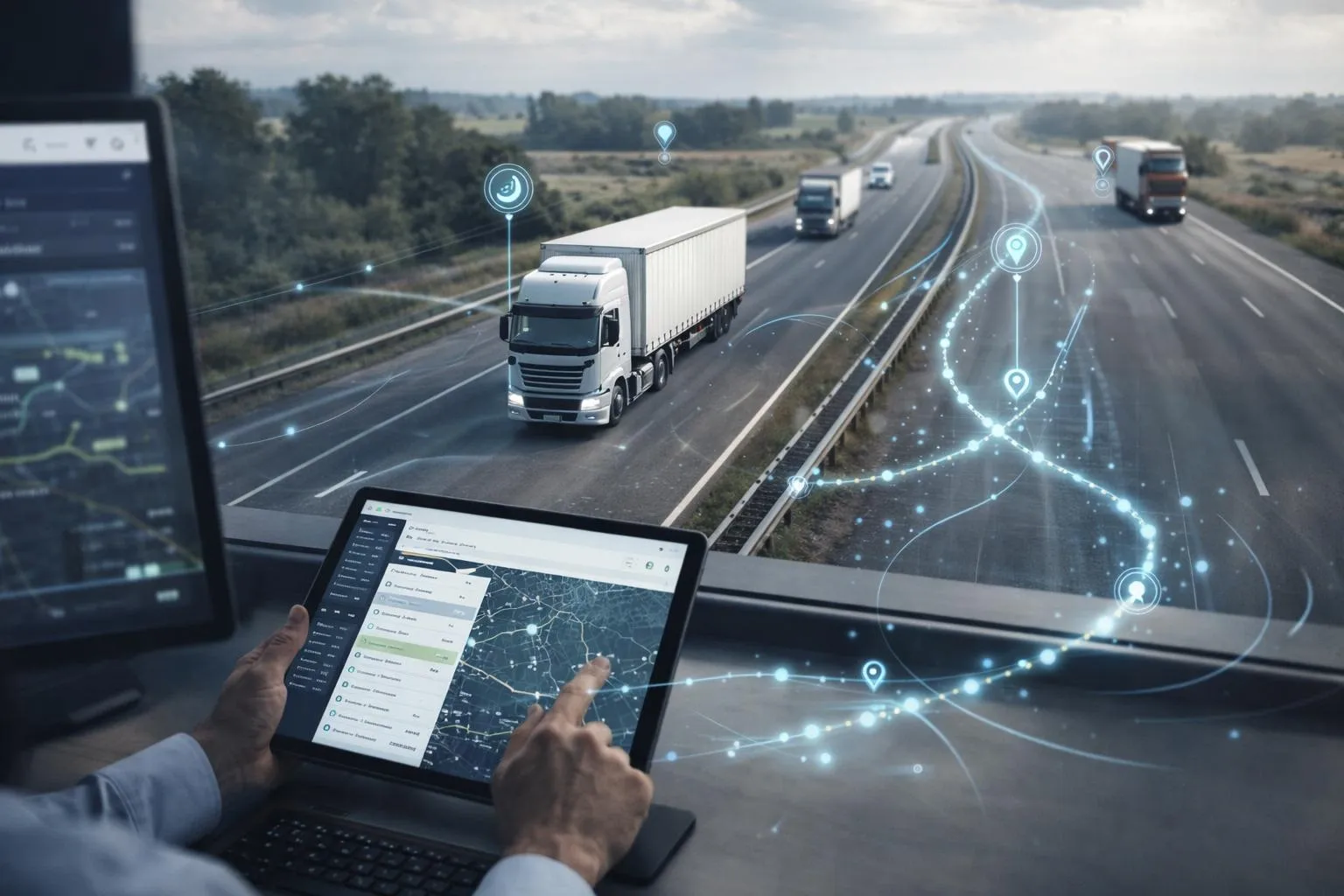
Automation helps reduce time while maintaining efficiency
Fleet management tech that helps in location analytics can greatly help fleet managers in running day to day operations, easily automating processes like Live Vehicle Tracking of their fleet and avoid 24x7 call follow-ups with each driver.
Real-Time route maps and previous Trip Insights can help fleet managers choose the most cost-friendly route for their trips, reducing Fuel Costs and Delivery Time for all the vehicles in their fleet. It helps drivers navigate correctly through the best route for their trips without depending on unclear directions, which could lead to delays and end up costing more than it should.
2.Adding an efficient Fuel Management system can bring the Fuel Wastage down by upto 20%
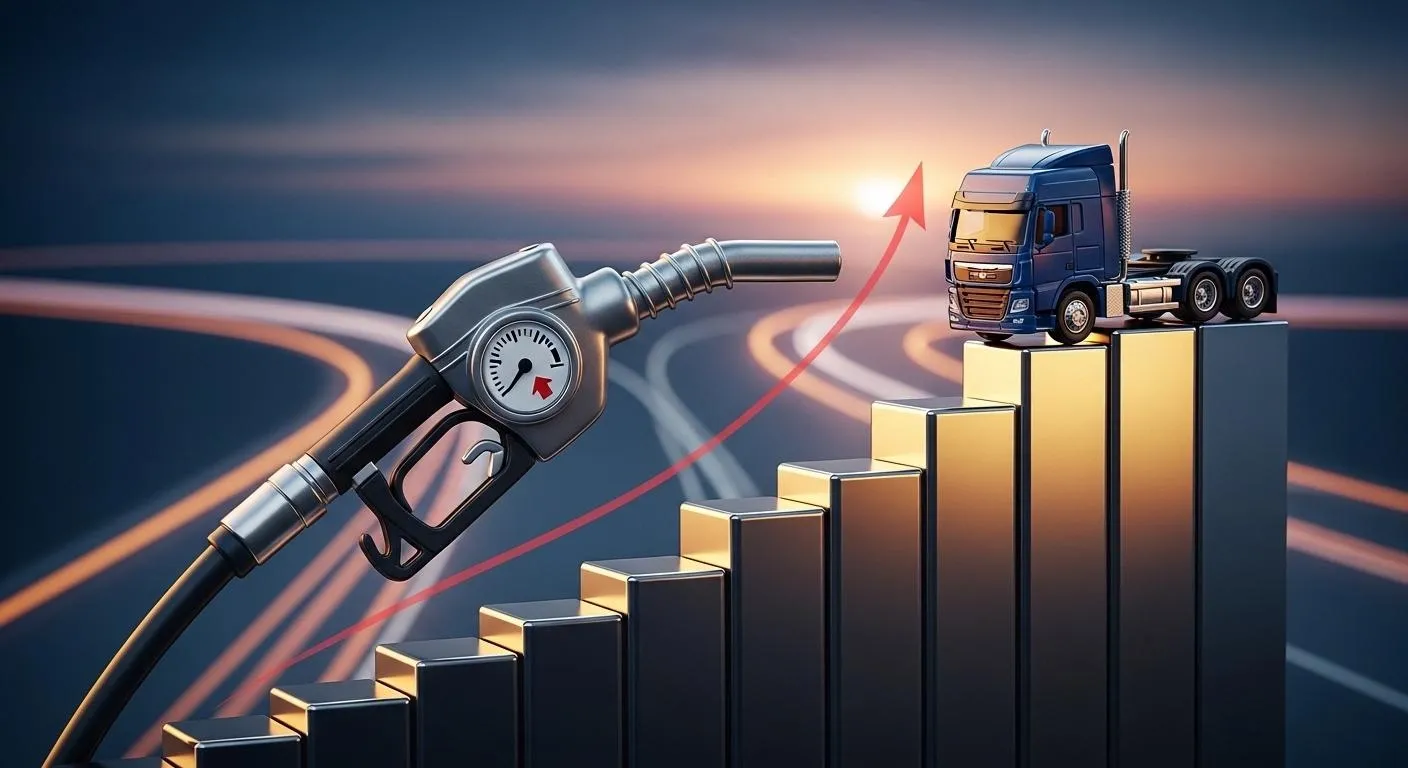
Fuel cost is one of the largest components of operational cost
Fuel is easily the largest component of Operational Cost for any fleet operating business. Thus, managing it efficiently can save you a lot of money. The leading causes of high fuel costs are fuel leakages, idle engines leading to unwanted consumption, rerouting due to poor navigation and fuel thefts which can completely disrupt your fuel accounting and management. Most of these issues are avoidable. Fleet managers can educate drivers about reducing idle engine usages, educate them about fuel thefts and plan their route with the latest set of data in advance. Alternatively, fleet managers can use Fuel Management Systems which can collect and present accurate data on fuel usage and consumption for each vehicle in real-time. It also alerts fleet managers regarding the sudden drop in fuel capacity which can detect fuel thefts early and prevent fuel drain on the route and reduce fuel usage by up to 20%.
3. Regular maintenance of your fleet result improves vehicle longevity and saves you high repair cost
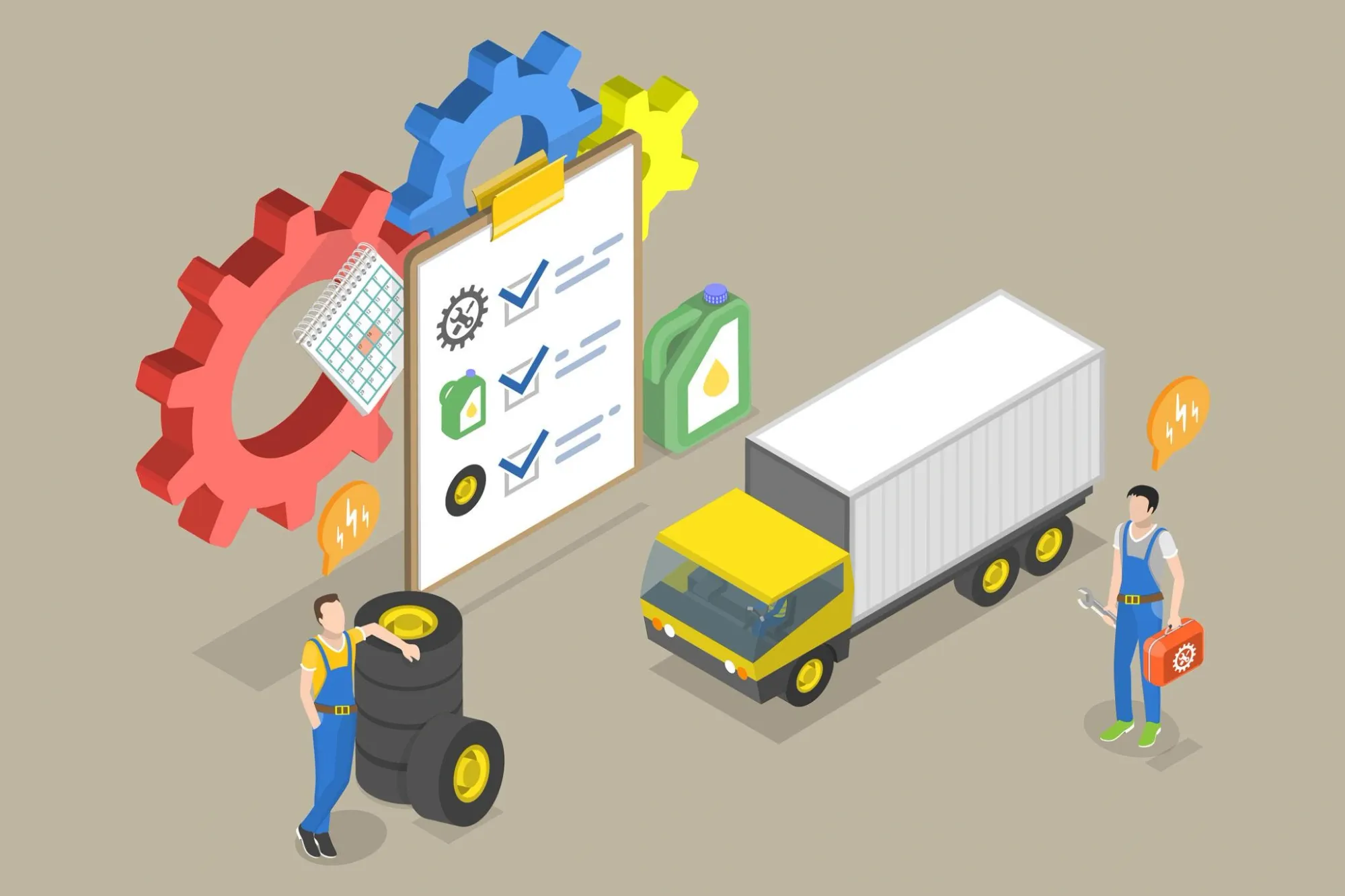
Scheduled maintenance improves a vehicle’s longevity and maintains the engine’s efficiency
When your vehicles do not receive timely maintenance and tune-up, it could cause a variety of problems like:
- High Wear and Tear of the vehicle reduces longevity
- Poor efficiency caused by more frequent breakdowns
- The added cost of purchase or lease of new vehicles
- The added cost of paying salaries to idle drivers
- The high cost of fuel due to poor engine efficiency
- And many more
When you manage a fleet of thousands of vehicles, it can be difficult to remember maintenance and servicing dates for each one. As a result, the lack of timely maintenance and tune-ups can result in large maintenance bills and, in the long run, cause poor engine performance, increasing the Cost Per Kilometer for your vehicle.
Fleet managers should maintain timely maintenance and checkup for all their vehicles to prevent all of these things from happening. They could employ Fleet Maintenance Systems that not only help fleet managers track and alert them regarding the maintenance of each vehicle in their fleet, but also provide reminders for service using real-time diagnostics based on usage. GPS enabled a quick response from nearby vehicle centres in case of breakdowns.
4. Taking charge of the situation and maintaining calm when resolving conflicts and disputes

A good fleet manager excels in the art of conflict resolution and takes charge
A good fleet manager has to constantly think on their feet and take on the spot decisions. Operating a large fleet comes with a large set of problems that could be encountered by drivers on the route. Issues related to compliance, challans, rerouting, theft, etc a fleet manager has to be prepared to deal with all kinds of conflicts and issues aptly.
Driver Management Systems can help you store driver and vehicle documents avoiding heavy challans by authorities. One-click call buttons, delivery points using location analytics, a system for managing and faster payouts for transactions cost incurred by a driver can help create a more open and dispute-free relationship between drivers and fleet managers, thus improving efficiency.
5. Always be punctual and manage your time better to be more efficient
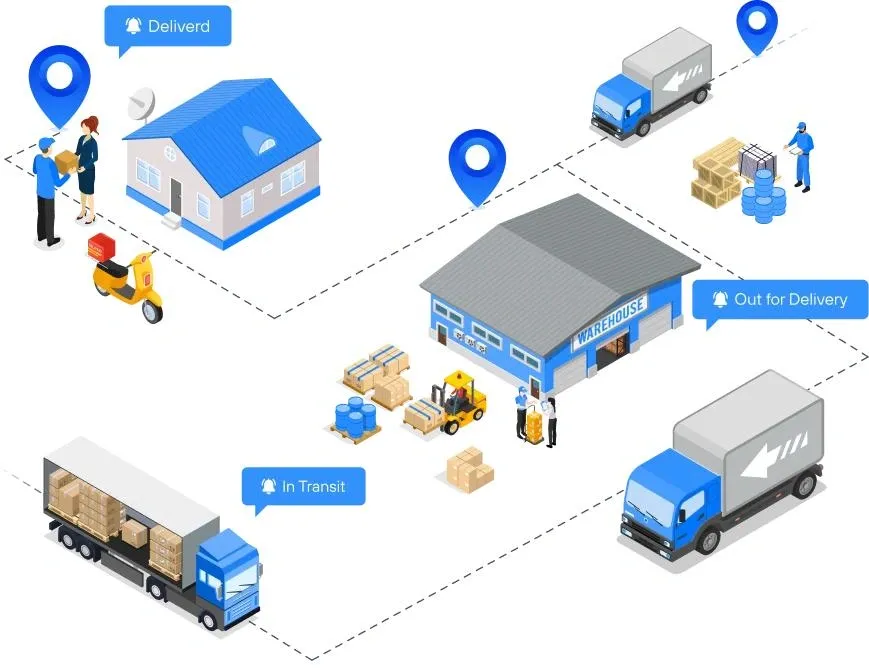
Improved TATs and timely shipments form the crux of the client-service relationship
Modern Business runs on efficient and timely delivery of shipments; thus, it has become even more important to maintain timely delivery to maintain good client-service relations. Every fleet manager should aim to increase efficiency when it comes to fleet performance. Poor and delayed delivery can sour relationships with clients and eventually lose out to the competition. In Cold-Chain Fleet Management delayed deliveries can result in damaging of goods resulting in losses worth crores!
Being able to prioritise between fleet operation and upper management, a fleet manager should always be schedule-oriented. Everything we talked about above about Fleet Management Services has one fixed goal, despite their objectives, that is, improving TAT and always delivering within the scheduled time. A Fleet Management System can help fleet managers efficiently manage their time and keep their clients happy.
Conclusion
Fleet management is no easy feat. It requires constant work and diligent and hardworking individuals who are willing to give their 100% day-in-day-out. Good Time Management and Conflict Resolution skills go a long way in improving the performance and efficiency of the fleet over a period of time. A fleet manager who embraces technology by utilizing the offering of next-gen Fleet Management Services can help fleet managers automate a lot of their tasks and help them improve their efficiency multi-fold. Technology-driven fleet management is the future and early adopters of it will reap the benefits of it with lower operating costs, higher profits and improved efficiency.
Frequently Asked Questions
What is fleet management and why is it important for modern businesses?
Fleet management is the process of planning, monitoring, maintaining, and optimizing commercial vehicles to improve operational efficiency, reduce costs, and ensure timely deliveries. It combines GPS tracking, driver management, preventive maintenance, fuel monitoring, route optimization, compliance tracking, and analytics into one centralized system. Modern fleet managers are expected to oversee hundreds or even thousands of vehicles while ensuring safety, customer satisfaction, and profitability. This makes technology-driven fleet management essential rather than optional.
For businesses across India, especially in Delhi, Delhi NCR, Gurgaon, Mumbai, Bengaluru, and Pune, fleet management has become increasingly important because of growing fuel prices, urban congestion, stricter compliance regulations, and higher customer expectations for real-time shipment visibility. Companies using automated fleet management software can reduce idle time, prevent unauthorized vehicle usage, optimize delivery routes, and improve turnaround time (TAT), all of which are highlighted throughout this guide.
A good fleet manager combines operational expertise with technology. Real-time vehicle tracking, scheduled maintenance reminders, fuel analytics, and driver performance monitoring help eliminate manual processes while improving decision-making. Businesses that invest in fleet management typically experience lower operational costs, better vehicle utilization, improved driver accountability, and higher customer satisfaction. Whether managing logistics, construction vehicles, FMCG distribution, cold chain transportation, or e-commerce deliveries, effective fleet management plays a critical role in long-term business growth and profitability.
How can someone become a better fleet manager?
Becoming a better fleet manager requires a combination of leadership skills, operational planning, and the effective use of technology. The most successful fleet managers focus on improving vehicle utilization, reducing fuel expenses, ensuring preventive maintenance, resolving driver issues quickly, and delivering shipments on time. Rather than reacting to problems, they use data to anticipate challenges before they affect operations.
The strategies discussed in this guide—real-time GPS tracking, efficient fuel management, scheduled vehicle maintenance, conflict resolution, and better time management—are considered among the most practical ways to improve fleet performance. Fleet managers should also regularly analyze vehicle reports, monitor driver behaviour, reduce unnecessary idling, and optimize routes using historical trip data.
In Indian logistics hubs such as Delhi NCR, Gurgaon, Mumbai, Bengaluru, and Pune, traffic congestion and delivery deadlines make technology even more valuable. Automated alerts, predictive maintenance, fuel theft detection, and centralized dashboards allow managers to focus on strategic decisions instead of manual coordination. Continuous driver training, clear communication, and measurable KPIs such as fuel efficiency, vehicle uptime, maintenance costs, and on-time delivery rates further improve operational performance. By combining operational discipline with digital fleet management solutions, businesses can significantly reduce costs while improving customer satisfaction and overall fleet efficiency.
Why is real-time GPS fleet tracking considered one of the best tools for fleet managers?
Real-time GPS fleet tracking is one of the most valuable technologies available to fleet managers because it provides complete visibility into vehicle movement, route progress, delivery status, and driver behaviour. Instead of depending on phone calls or manual updates, managers receive live information through a centralized dashboard, enabling faster and more accurate operational decisions.
For companies operating across Delhi, Mumbai, Bengaluru, Gurgaon, Pune, and other major logistics corridors in India, GPS tracking helps avoid traffic bottlenecks, reduce delays, improve route planning, and provide customers with accurate estimated arrival times. Historical trip reports also reveal recurring inefficiencies such as excessive idling, route deviations, unauthorized stoppages, or unnecessary mileage, allowing managers to implement corrective actions.
Advanced fleet tracking platforms often integrate with transport management systems, fuel monitoring solutions, electronic proof of delivery, maintenance scheduling, and driver scorecards. Together, these features improve productivity while reducing operational costs. Businesses also benefit from enhanced security because stolen vehicles can be tracked quickly, and geofencing alerts notify managers whenever vehicles enter or leave predefined locations. As logistics operations become increasingly data-driven, real-time fleet tracking remains one of the best investments for companies looking to improve fleet efficiency, customer service, and profitability.
How does fuel management help reduce fleet operating costs?
Fuel is typically the largest operating expense for commercial fleets, making effective fuel management one of the fastest ways to improve profitability. Fuel costs increase because of idling, route deviations, aggressive driving, unauthorized vehicle usage, fuel theft, poor maintenance, and inefficient trip planning. Modern fuel management systems continuously monitor fuel consumption and alert fleet managers whenever unusual fuel loss or abnormal usage patterns are detected.
Businesses operating across India, particularly in Delhi NCR, Mumbai, Bengaluru, Pune, and Gurgaon, can benefit from integrating fuel monitoring with GPS tracking and route optimization. By comparing expected fuel consumption with actual usage, fleet managers can quickly identify theft, leakage, inefficient driving habits, or mechanical issues affecting mileage. Driver coaching also contributes significantly to fuel savings by reducing harsh acceleration, speeding, and unnecessary engine idling.
Many companies implementing digital fuel management report measurable reductions in fuel wastage while gaining greater control over operating expenses. Automated reports simplify fuel accounting and budgeting, helping organizations make informed decisions regarding fleet expansion, vehicle replacement, and operational planning. For fleet managers focused on reducing total cost per kilometre, fuel management technology remains one of the highest-return investments available.
How much does fleet management software cost in India?
The cost of fleet management software in India depends on several factors, including fleet size, required features, hardware installation, integrations, and deployment complexity. Small businesses managing fewer than 20 vehicles typically spend a few hundred to a few thousand rupees per vehicle each month, while enterprise fleets operating hundreds of vehicles usually receive customized pricing based on scale and functionality.
Implementation costs may include GPS devices, sensors, installation, onboarding, user training, software configuration, and API integrations with ERP or transport management systems. Businesses in Delhi, Gurgaon, Mumbai, Bengaluru, and Pune often choose scalable cloud-based platforms because they reduce infrastructure costs while allowing organizations to add new vehicles as operations grow.
Although pricing varies, companies should evaluate total return on investment rather than subscription fees alone. Reduced fuel consumption, fewer breakdowns, better vehicle utilization, improved driver productivity, lower maintenance expenses, and faster deliveries frequently offset implementation costs within a relatively short period. When comparing vendors, businesses should assess reporting capabilities, customer support, AI-powered analytics, mobile accessibility, integration options, and future scalability instead of selecting software solely based on the lowest price. Investing in the right fleet management solution generally delivers substantial operational and financial benefits over the long term.
What is the best fleet management software for businesses in India?
The best fleet management software is one that aligns with your business size, industry, fleet complexity, and operational goals rather than simply offering the largest number of features. A modern solution should combine GPS vehicle tracking, route optimization, fuel management, preventive maintenance scheduling, driver behaviour monitoring, trip analytics, geofencing, compliance management, and real-time reporting within a single platform. Businesses should also look for AI-powered insights, mobile accessibility, cloud deployment, and seamless integration with ERP, TMS, accounting, and warehouse management systems.
Companies operating in India—especially in logistics hubs such as Delhi, Delhi NCR, Gurgaon, Mumbai, Bengaluru, and Pune—benefit from software capable of handling high vehicle volumes, traffic congestion, regional compliance requirements, and multi-location fleet operations. Businesses in sectors such as FMCG, construction, cold chain logistics, mining, manufacturing, e-commerce, and transportation often require advanced automation to reduce manual intervention while improving delivery performance.
When evaluating the best fleet management software, compare uptime, implementation support, customer service, reporting capabilities, AI-based recommendations, scalability, and security instead of focusing solely on subscription costs. Request live demonstrations, pilot deployments, and customer references before making a final decision. The right software should improve vehicle utilization, reduce fuel expenses, minimize downtime, increase on-time deliveries, and provide measurable return on investment over the long term while supporting future business growth.
Which are the top fleet management software solutions available for Indian businesses?
Several fleet management platforms serve the Indian logistics market, but the ideal solution depends on operational complexity rather than popularity alone. Top fleet management software generally offers integrated capabilities including live GPS tracking, AI-driven route optimization, predictive maintenance, fuel analytics, driver safety monitoring, electronic proof of delivery, compliance management, trip planning, and business intelligence dashboards.
Large enterprises operating across Delhi NCR, Mumbai, Bengaluru, Pune, Gurgaon, Chennai, Hyderabad, and other industrial corridors typically prioritize enterprise-grade platforms capable of managing thousands of vehicles simultaneously. Small and medium businesses often prefer scalable cloud-based solutions that allow them to start with essential tracking features before expanding into maintenance, fuel management, and analytics modules.
When comparing top fleet management software, organizations should evaluate implementation timelines, hardware compatibility, mobile applications, customer support quality, uptime guarantees, customization options, API integrations, cybersecurity standards, and reporting flexibility. Reading customer reviews, requesting demonstrations, and conducting pilot projects help validate vendor claims before long-term adoption. The best software should reduce operational costs, improve customer satisfaction, increase fleet visibility, enhance driver accountability, and support data-driven decision-making rather than simply digitizing existing manual processes.
Why do logistics companies in Delhi and Delhi NCR need advanced fleet management software?
Delhi and the wider Delhi NCR region represent one of India's busiest logistics ecosystems, handling large volumes of freight movement across highways, industrial zones, warehouses, manufacturing clusters, and distribution centres. High traffic density, delivery deadlines, pollution regulations, toll routes, and frequent congestion create operational challenges that manual fleet management cannot efficiently address. Advanced fleet management software provides the visibility needed to manage these complexities in real time.
Businesses operating across Delhi, Noida, Ghaziabad, Faridabad, Gurugram, and surrounding NCR locations benefit from GPS tracking, intelligent route planning, geofencing, fuel monitoring, preventive maintenance scheduling, driver scorecards, and automated reporting. These capabilities reduce idle time, improve turnaround times, prevent unauthorized vehicle usage, and enable dispatchers to respond quickly to changing traffic conditions or customer requirements.
Fleet operators serving industries such as retail distribution, FMCG, pharmaceuticals, construction, e-commerce, and manufacturing particularly benefit from centralized dashboards that improve planning and customer communication. By automating repetitive operational tasks, companies can increase vehicle utilization while reducing fuel costs and maintenance expenses. As delivery expectations continue to rise throughout Delhi NCR, investing in advanced fleet management software helps businesses remain competitive, improve service quality, and achieve sustainable operational growth.
How can fleet management software benefit transport companies in Gurgaon, Mumbai, Bengaluru, and Pune?
Each major logistics hub presents unique operational challenges, making fleet management software valuable across different regions of India. Gurgaon supports numerous manufacturing companies, third-party logistics providers, and corporate supply chains that require accurate dispatch planning and real-time shipment visibility. Mumbai's busy ports, dense traffic, and extensive distribution network demand efficient route optimization and timely deliveries. Bengaluru's technology-driven businesses often require integrated fleet analytics, while Pune's manufacturing and automotive industries depend heavily on preventive maintenance and vehicle uptime.
Modern fleet management software enables businesses across these cities to monitor vehicles in real time, optimize routes, reduce fuel wastage, automate maintenance reminders, improve driver safety, and generate detailed operational reports. Managers gain complete visibility over fleet performance regardless of vehicle location, allowing faster responses to delays, breakdowns, or unexpected operational disruptions.
Cloud-based deployment also enables companies with multiple branches across India to monitor their entire fleet through a single dashboard. Businesses expanding from one city to another can standardize operating procedures, reporting formats, compliance tracking, and customer communication without increasing administrative workload. These advantages help improve operational consistency, reduce costs, and deliver better customer experiences across multiple geographic locations.
How do businesses calculate the return on investment (ROI) of fleet management software?
The return on investment (ROI) from fleet management software is calculated by comparing implementation costs with measurable operational savings over time. Businesses typically evaluate improvements in fuel efficiency, vehicle utilization, maintenance expenses, breakdown frequency, driver productivity, administrative workload, insurance claims, customer satisfaction, and delivery performance. Instead of considering software subscription fees alone, organizations should measure the total financial impact across the entire fleet lifecycle.
Companies implementing GPS tracking, fuel monitoring, preventive maintenance, driver analytics, and route optimization frequently experience lower fuel consumption, fewer emergency repairs, improved asset utilization, and higher on-time delivery rates. These operational improvements often produce savings that exceed the software investment while creating long-term efficiencies across logistics operations.
For businesses operating across Delhi, Delhi NCR, Gurgaon, Mumbai, Bengaluru, Pune, and other logistics-intensive regions of India, ROI may also include reduced customer complaints, improved shipment visibility, faster dispute resolution, better compliance management, and stronger decision-making through real-time analytics. Before implementation, organizations should establish baseline metrics such as fuel cost per kilometre, vehicle downtime, average delivery time, maintenance expenditure, and driver productivity. Comparing these KPIs before and after deployment provides a reliable assessment of software performance and helps justify future investments in fleet technology.