
While managing logistics in a huge country like India is a great challenge, the advancements in e-commerce have given precedent to innovation and technological upgrades that cater to growing demands. The e-commerce landscape will keep changing, and thus, businesses must be flexible and agile to handle the enormous growth in direct-to-consumer services that have been taking place rapidly.
From fast-evolving marketplaces, a lack of infrastructure, and channel conflicts to growing consumer demands, the Indian e-commerce logistics industry faces several challenges as it attempts to deliver services. According to IMARC Group, the Indian e-commerce logistics market was valued at USD 19.54 billion in 2025 and is projected to reach USD 103.83 billion by 2034, growing at a robust CAGR of 20.39% during the forecast period. The industry is now also facing many pain points that need to be addressed and solved for e-commerce logistics in India to reach its full potential.
What is eCommerce Logistics?
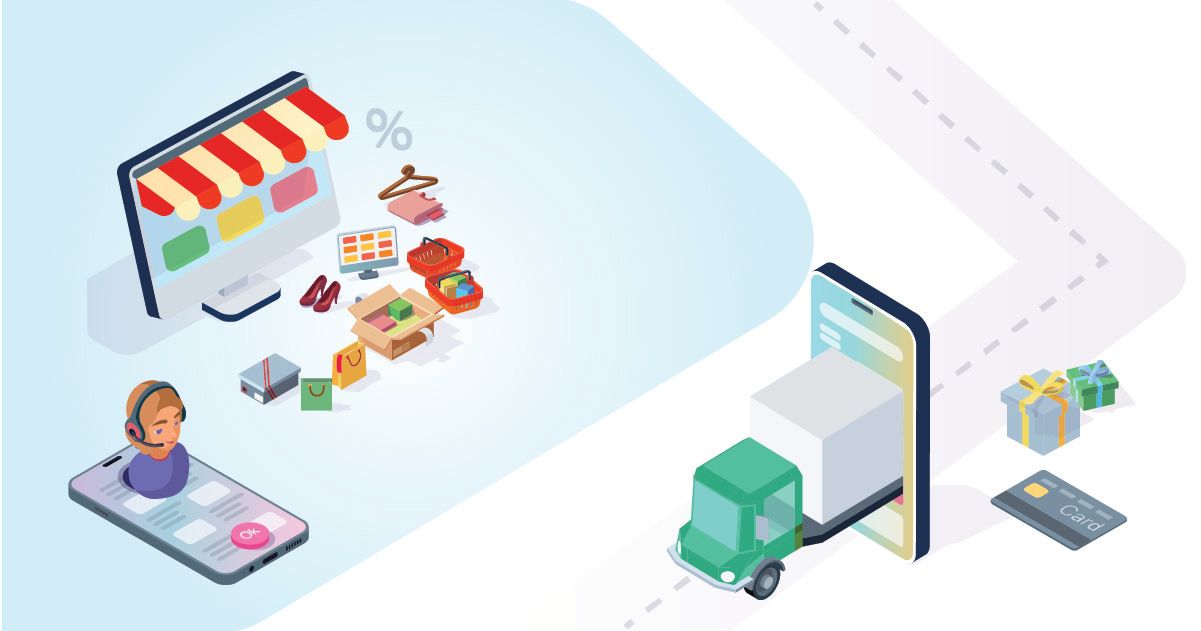
Also called e-logistics, e-commerce logistics comprises the activities that are involved in the fulfilment of internet sales orders. It is a congregation of various processes that work in tandem, such as shipping, warehousing, inventory management, billing, packaging, returns, and exchange. The principal purpose of such a sector is to make deliveries across the country faster and more accurately. Even though India is at the cusp of a great e-commerce boom, there is still a clear gap between the current state and the potential of e-logistics in the country. To achieve the potential required, there is a need for a faster and deeper infrastructure to make deliveries.
Challenges of same-day delivery
There are nearly 700 million Internet users in India, and at least half of them have at some point actively engaged in shopping online to order apparel, groceries, gadgets, cosmetics, and more. With the mentality to shop instantly, consumers also demand their products be delivered as quickly as possible, even within hours. There has been a fundamental shift in customer satisfaction, where e-shoppers want groceries delivered within ten minutes and not a day later, making same-day delivery the norm for online retailers. This extraordinary demand for instant deliveries has led to a shortage of transport capacity and is also stunted by a lack of delivery drivers and overall infrastructure.
Importance of ETA
The one main factor that eCommerce logistics revolves around is the Estimated Time of Arrival. Customers want to not just know the exact whereabouts of their order and track it as it travels across state lines or even from a few minutes away, but also require an accurate ETA. Most e-commerce logistics businesses have faced problems in keeping up with demanding delivery timelines due to a high volume of orders received. It isn’t easy to prioritise deliveries when juggling too much without enough time. Another challenge in sticking to such timelines is when the company has limited resources for transport and delivery. Indian festivals are a prime example of how the ETA system fails, leading to mass delays in deliveries.
Working in reverse
Returning products was so much easier when retailers only had physical stores. Due to there always being a possibility of incorrect shipments or damaged deliveries, reverse logistics has become essential. With the boost in eCommerce, reverse logistics too has become a recurring factor that leads to challenges for the industry. eCommerce retailers need to have the resources to handle products being returned as efficiently as they did with deliveries. It is the retailer’s responsibility to replace orders that are defective or incorrect from their end within a reasonable time to keep customers satisfied. When the cost of such a return is more than the value of the item, there must be processes put in place to avoid money loss.
How Technology Is Solving Modern eCommerce Logistics Challenges in India
The rapid growth of e-commerce in India has made technology one of the most important enablers of logistics efficiency. Traditional logistics operations that relied heavily on manual planning, paper-based documentation, and reactive decision-making are increasingly being replaced by data-driven systems capable of managing large-scale operations with greater speed and accuracy.
Modern eCommerce logistics companies operate across multiple fulfilment centres, warehouses, transportation hubs, and last-mile delivery networks. Managing such a vast ecosystem requires real-time visibility into shipments, vehicles, drivers, inventory, and customer expectations. This is where digital logistics platforms, transportation management systems (TMS), fleet management software, route optimization tools, logistics management systems (LMS), and artificial intelligence are becoming critical.
One of the biggest advantages of technology adoption is real-time shipment visibility. Customers today expect complete transparency regarding the location and status of their orders. Businesses that provide live tracking, automated notifications, and accurate delivery estimates experience higher customer satisfaction and fewer support inquiries. Real-time visibility also allows logistics managers to proactively address delays caused by traffic congestion, weather disruptions, vehicle breakdowns, or route deviations.
Artificial intelligence and machine learning are increasingly helping logistics companies forecast demand patterns. By analysing historical sales data, seasonal trends, regional buying behaviour, and promotional campaigns, AI systems can predict future order volumes with greater accuracy. This allows companies to allocate inventory strategically and avoid stock shortages or overstocking.
Route optimization technology has also transformed delivery operations. Rather than relying on static delivery routes, modern route planning solutions continuously analyze traffic conditions, road closures, weather patterns, fuel consumption, and delivery priorities. The result is shorter delivery times, reduced fuel expenses, improved driver productivity, and better customer experiences.
Another area experiencing rapid innovation is warehouse automation. Automated sorting systems, barcode scanning, RFID technology, automated storage systems, and robotic picking solutions help warehouses process thousands of orders efficiently while minimizing human errors. Faster warehouse operations directly contribute to quicker deliveries and improved order accuracy.
Predictive maintenance has emerged as a powerful tool for logistics fleets. Instead of waiting for vehicles to break down, predictive systems monitor engine performance, fuel efficiency, tyre conditions, and maintenance schedules to identify potential issues before they become major problems. This reduces downtime, prevents costly repairs, and improves fleet availability.
Cloud-based logistics platforms further improve coordination between manufacturers, sellers, warehouse operators, transporters, and customers. Stakeholders can access the same operational data in real time, enabling faster decision-making and reducing communication gaps.
As Indian e-commerce continues to expand into Tier-2, Tier-3, and rural markets, technology will become even more important. Companies that invest in intelligent logistics systems will be better positioned to manage rising order volumes, reduce operational costs, and meet increasingly demanding customer expectations.
Traditional Logistics vs Technology-Driven eCommerce Logistics
| Parameter | Traditional Logistics Operations | Technology-Driven eCommerce Logistics |
|---|---|---|
| Shipment Tracking | Limited visibility | Real-time tracking and monitoring |
| Delivery Planning | Manual route planning | AI-powered route optimization |
| ETA Accuracy | Often inaccurate | Dynamic and highly accurate ETAs |
| Inventory Management | Spreadsheet-based tracking | Automated inventory visibility |
| Customer Updates | Manual communication | Automated notifications and alerts |
| Reverse Logistics | Slow and inefficient | Structured return management workflows |
| Fleet Monitoring | Limited vehicle visibility | GPS-based fleet tracking |
| Warehouse Operations | Manual processes | Automated scanning and sorting |
| Data Analysis | Historical reporting | Real-time analytics and forecasting |
| Scalability | Difficult during peak seasons | Easily scalable through automation |
| Delivery Success Rate | Lower consistency | Higher first-attempt delivery rates |
| Operational Costs | Higher due to inefficiencies | Lower through optimization |
| Customer Experience | Reactive service model | Proactive service model |
| Demand Forecasting | Based on assumptions | AI-driven predictive forecasting |
| Decision Making | Delayed and manual | Data-driven and real-time |
The transition from traditional logistics models to technology-enabled operations is no longer optional for e-commerce businesses. As delivery expectations continue to rise, businesses that fail to digitize their logistics networks risk losing competitiveness in an increasingly customer-centric marketplace.
Future Trends Shaping the E-Commerce Logistics Industry in India
The future of e-commerce logistics in India will be defined by a combination of technological innovation, infrastructure development, sustainability initiatives, and changing consumer expectations. Industry experts expect the next decade to bring significant transformation across the logistics ecosystem.
One major trend is the expansion of hyperlocal fulfilment networks. Instead of shipping products from centralized warehouses located far from customers, businesses are increasingly establishing micro-fulfilment centres closer to demand clusters. These smaller distribution hubs allow companies to support same-day and even rapid-delivery models while reducing transportation costs.
Another emerging trend is the growing role of artificial intelligence in supply chain orchestration. AI systems are expected to make logistics networks more adaptive by automatically adjusting inventory placement, transportation plans, warehouse staffing requirements, and delivery routes based on real-time demand signals.
Sustainability is becoming another critical focus area. Consumers, investors, and regulators are increasingly expecting businesses to reduce their environmental impact. As a result, logistics companies are investing in electric delivery vehicles, alternative fuels, optimized route planning, and energy-efficient warehouse operations. Green logistics practices not only support sustainability goals but can also reduce long-term operational expenses.
Drone deliveries and autonomous delivery technologies are also being explored globally. While large-scale adoption in India may take time due to regulatory and infrastructure considerations, pilot projects indicate that these technologies could eventually improve accessibility in remote and underserved regions.
The rise of omnichannel commerce is another factor reshaping logistics operations. Modern consumers often interact with brands through multiple channels, including websites, mobile applications, social commerce platforms, and physical retail stores. Logistics networks must therefore support seamless inventory visibility and fulfilment across all customer touchpoints.
Data analytics is expected to become increasingly central to logistics decision-making. Organizations that can convert operational data into actionable insights will gain advantages in forecasting demand, reducing costs, improving customer satisfaction, and identifying growth opportunities. Advanced analytics platforms can uncover hidden inefficiencies that would otherwise remain unnoticed in traditional operations.
The continued growth of digital payments and online marketplaces is also expected to increase order volumes across India. As internet penetration expands and more consumers participate in online shopping, logistics providers will need stronger infrastructure and smarter systems to maintain service quality.
Tier-2 and Tier-3 cities are likely to become major growth drivers for the e-commerce industry. Rising disposable incomes, improved internet connectivity, and increasing smartphone adoption are enabling millions of new consumers to participate in online commerce. Logistics providers must therefore expand their networks beyond metropolitan areas and develop efficient delivery models for smaller cities and rural regions.
Businesses that proactively embrace these trends will be better equipped to navigate future challenges and capitalize on emerging opportunities. The combination of automation, AI, predictive analytics, sustainability, and customer-centric logistics strategies will define the next phase of growth for India's e-commerce logistics sector and create a more resilient, efficient, and scalable supply chain ecosystem.
Building a Resilient eCommerce Logistics Network for Peak Seasons and High-Demand Events
One of the most significant challenges faced by the e-commerce logistics industry in India is managing sudden spikes in demand during peak shopping seasons. Events such as Diwali, Dussehra, Independence Day sales, Republic Day promotions, end-of-season sales, and major marketplace campaigns like the Amazon Great Indian Festival and Flipkart Big Billion Days generate massive increases in order volumes within short periods. While these events create enormous revenue opportunities, they also expose weaknesses in logistics networks, fulfilment processes, and delivery infrastructure.
A resilient logistics network is essential for ensuring uninterrupted operations during such high-demand periods. Resilience refers to the ability of a logistics system to adapt, recover, and maintain service levels despite disruptions, unexpected demand fluctuations, or operational bottlenecks. Companies that successfully build resilient supply chains can maintain customer satisfaction even during periods of extreme demand.
One of the primary strategies for achieving resilience is demand forecasting. Historical sales trends, promotional calendars, customer purchasing behavior, market conditions, and regional demand patterns can be analyzed to estimate future order volumes. Accurate forecasting allows businesses to prepare inventory levels, transportation capacity, warehouse staffing, and delivery resources well in advance. Companies that underestimate demand often experience stockouts, delayed deliveries, and dissatisfied customers.
Inventory placement plays a crucial role in reducing logistics pressure during peak seasons. Instead of storing products in a single centralized warehouse, many e-commerce companies distribute inventory across multiple fulfilment centres strategically located near high-demand regions. This decentralized approach shortens delivery distances, reduces shipping costs, and improves order fulfillment speed. It also minimizes the risk associated with disruptions at any single warehouse location.
Scalable warehousing infrastructure is another critical component of resilient logistics operations. During major shopping events, warehouses may need to process several times their normal order volumes. Businesses increasingly rely on flexible warehousing models, temporary storage facilities, automated sorting systems, and additional workforce deployment to manage these demand surges efficiently. Automation technologies such as barcode scanning, conveyor systems, and inventory management software further help warehouses handle increased throughput without sacrificing accuracy.
Transportation capacity planning becomes equally important during peak demand periods. Logistics providers often face vehicle shortages, increased fuel consumption, and higher transportation costs when order volumes surge unexpectedly. To overcome these challenges, companies establish partnerships with multiple carriers, third-party logistics providers, and regional transport partners. A diversified transportation network reduces dependency on a single logistics provider and ensures operational continuity even when disruptions occur.
Last-mile delivery remains one of the most challenging aspects of peak-season logistics. Urban traffic congestion, delivery address complexities, and rising customer expectations can create significant operational pressure. To improve efficiency, businesses are increasingly adopting route optimization software, dynamic delivery scheduling, and delivery clustering techniques that enable drivers to complete more deliveries within shorter timeframes.
Customer communication also becomes increasingly important during periods of high demand. Transparent communication regarding order status, estimated delivery times, shipment delays, and return processes helps manage customer expectations and reduces frustration. Automated notifications, live tracking systems, and proactive delay alerts contribute significantly to customer satisfaction even when delivery timelines are extended.
Risk management is another essential element of logistics resilience. Weather disruptions, labor shortages, vehicle breakdowns, fuel price fluctuations, and supply chain interruptions can all impact operations during peak seasons. Organizations that maintain contingency plans, backup transportation arrangements, alternative warehouse facilities, and emergency response procedures are better equipped to handle unexpected events without major service disruptions.
The increasing use of predictive analytics is helping logistics companies move from reactive operations to proactive decision-making. Predictive models can identify potential bottlenecks before they occur, allowing businesses to take corrective action early. For example, anticipated delivery delays can trigger route adjustments, additional vehicle allocation, or temporary warehouse resource expansion before service levels are affected.
As India's e-commerce ecosystem continues to grow, resilience will become a defining competitive advantage. Companies that invest in scalable infrastructure, advanced analytics, transportation flexibility, inventory optimization, and customer-centric logistics processes will be better positioned to handle seasonal demand spikes while maintaining consistent service quality. Ultimately, resilient logistics networks not only reduce operational risks but also create a stronger foundation for sustainable long-term growth in the rapidly evolving e-commerce landscape.
Conclusion
As India’s e-commerce sector continues to expand, logistics will play a critical role in determining customer satisfaction, operational efficiency, and business growth. While challenges such as same-day delivery expectations, reverse logistics, infrastructure gaps, and peak-season demand surges remain significant, advancements in technologies like AI, predictive analytics, route optimization, warehouse automation, and real-time tracking are helping businesses overcome these obstacles. By building resilient, technology-driven logistics networks and fostering collaboration among manufacturers, retailers, and logistics partners, companies can improve visibility, scalability, and service quality. Organizations that embrace innovation and adapt to evolving consumer demands will be best positioned to capitalize on the immense growth potential of India’s e-commerce logistics industry in the years ahead.
Frequently Asked Questions
What is eCommerce logistics and why is it important in India?
eCommerce logistics covers inventory management, warehousing, transportation, shipment tracking, last‑mile delivery, returns management, and customer communication. In India, the sector has become a critical enabler of online retail growth as consumers increasingly expect fast, affordable, and transparent deliveries. Businesses operating across Delhi, Delhi NCR, Gurgaon, Mumbai, Bengaluru, and Pune face growing pressure to improve delivery speed while controlling costs. Modern logistics networks rely on route optimization, real‑time visibility, transportation management systems, predictive analytics, and automated warehousing to handle rising order volumes. Companies that invest in logistics efficiency often see improvements in delivery performance, customer satisfaction, and operational scalability.
From an operational perspective, logistics challenges include traffic congestion, fluctuating demand, reverse logistics, infrastructure gaps, seasonal spikes, and the need for accurate ETAs. During festive periods, order volumes can increase dramatically, requiring businesses to scale fleets, warehouse capacity, and delivery operations. Advanced technologies help organizations improve planning and reduce delays. Depending on fleet size and business complexity, digital logistics initiatives may range from affordable software subscriptions to enterprise‑level implementations. As the Indian eCommerce market continues expanding, logistics excellence is becoming a major competitive advantage for retailers, marketplaces, and supply chain operators.
What are the biggest challenges facing the eCommerce logistics industry in India?
eCommerce logistics covers inventory management, warehousing, transportation, shipment tracking, last‑mile delivery, returns management, and customer communication. In India, the sector has become a critical enabler of online retail growth as consumers increasingly expect fast, affordable, and transparent deliveries. Businesses operating across Delhi, Delhi NCR, Gurgaon, Mumbai, Bengaluru, and Pune face growing pressure to improve delivery speed while controlling costs. Modern logistics networks rely on route optimization, real‑time visibility, transportation management systems, predictive analytics, and automated warehousing to handle rising order volumes. Companies that invest in logistics efficiency often see improvements in delivery performance, customer satisfaction, and operational scalability.
From an operational perspective, logistics challenges include traffic congestion, fluctuating demand, reverse logistics, infrastructure gaps, seasonal spikes, and the need for accurate ETAs. During festive periods, order volumes can increase dramatically, requiring businesses to scale fleets, warehouse capacity, and delivery operations. Advanced technologies help organizations improve planning and reduce delays. Depending on fleet size and business complexity, digital logistics initiatives may range from affordable software subscriptions to enterprise‑level implementations. As the Indian eCommerce market continues expanding, logistics excellence is becoming a major competitive advantage for retailers, marketplaces, and supply chain operators.
Why is same-day delivery difficult for many online retailers?
eCommerce logistics covers inventory management, warehousing, transportation, shipment tracking, last‑mile delivery, returns management, and customer communication. In India, the sector has become a critical enabler of online retail growth as consumers increasingly expect fast, affordable, and transparent deliveries. Businesses operating across Delhi, Delhi NCR, Gurgaon, Mumbai, Bengaluru, and Pune face growing pressure to improve delivery speed while controlling costs. Modern logistics networks rely on route optimization, real‑time visibility, transportation management systems, predictive analytics, and automated warehousing to handle rising order volumes. Companies that invest in logistics efficiency often see improvements in delivery performance, customer satisfaction, and operational scalability.
From an operational perspective, logistics challenges include traffic congestion, fluctuating demand, reverse logistics, infrastructure gaps, seasonal spikes, and the need for accurate ETAs. During festive periods, order volumes can increase dramatically, requiring businesses to scale fleets, warehouse capacity, and delivery operations. Advanced technologies help organizations improve planning and reduce delays. Depending on fleet size and business complexity, digital logistics initiatives may range from affordable software subscriptions to enterprise‑level implementations. As the Indian eCommerce market continues expanding, logistics excellence is becoming a major competitive advantage for retailers, marketplaces, and supply chain operators.
How does ETA accuracy impact customer satisfaction in eCommerce logistics?
eCommerce logistics covers inventory management, warehousing, transportation, shipment tracking, last‑mile delivery, returns management, and customer communication. In India, the sector has become a critical enabler of online retail growth as consumers increasingly expect fast, affordable, and transparent deliveries. Businesses operating across Delhi, Delhi NCR, Gurgaon, Mumbai, Bengaluru, and Pune face growing pressure to improve delivery speed while controlling costs. Modern logistics networks rely on route optimization, real‑time visibility, transportation management systems, predictive analytics, and automated warehousing to handle rising order volumes. Companies that invest in logistics efficiency often see improvements in delivery performance, customer satisfaction, and operational scalability.
From an operational perspective, logistics challenges include traffic congestion, fluctuating demand, reverse logistics, infrastructure gaps, seasonal spikes, and the need for accurate ETAs. During festive periods, order volumes can increase dramatically, requiring businesses to scale fleets, warehouse capacity, and delivery operations. Advanced technologies help organizations improve planning and reduce delays. Depending on fleet size and business complexity, digital logistics initiatives may range from affordable software subscriptions to enterprise‑level implementations. As the Indian eCommerce market continues expanding, logistics excellence is becoming a major competitive advantage for retailers, marketplaces, and supply chain operators.
What role does technology play in solving eCommerce logistics challenges?
eCommerce logistics covers inventory management, warehousing, transportation, shipment tracking, last‑mile delivery, returns management, and customer communication. In India, the sector has become a critical enabler of online retail growth as consumers increasingly expect fast, affordable, and transparent deliveries. Businesses operating across Delhi, Delhi NCR, Gurgaon, Mumbai, Bengaluru, and Pune face growing pressure to improve delivery speed while controlling costs. Modern logistics networks rely on route optimization, real‑time visibility, transportation management systems, predictive analytics, and automated warehousing to handle rising order volumes. Companies that invest in logistics efficiency often see improvements in delivery performance, customer satisfaction, and operational scalability.
From an operational perspective, logistics challenges include traffic congestion, fluctuating demand, reverse logistics, infrastructure gaps, seasonal spikes, and the need for accurate ETAs. During festive periods, order volumes can increase dramatically, requiring businesses to scale fleets, warehouse capacity, and delivery operations. Advanced technologies help organizations improve planning and reduce delays. Depending on fleet size and business complexity, digital logistics initiatives may range from affordable software subscriptions to enterprise‑level implementations. As the Indian eCommerce market continues expanding, logistics excellence is becoming a major competitive advantage for retailers, marketplaces, and supply chain operators.
How much does it cost to digitize eCommerce logistics operations in India?
eCommerce logistics covers inventory management, warehousing, transportation, shipment tracking, last‑mile delivery, returns management, and customer communication. In India, the sector has become a critical enabler of online retail growth as consumers increasingly expect fast, affordable, and transparent deliveries. Businesses operating across Delhi, Delhi NCR, Gurgaon, Mumbai, Bengaluru, and Pune face growing pressure to improve delivery speed while controlling costs. Modern logistics networks rely on route optimization, real‑time visibility, transportation management systems, predictive analytics, and automated warehousing to handle rising order volumes. Companies that invest in logistics efficiency often see improvements in delivery performance, customer satisfaction, and operational scalability.
From an operational perspective, logistics challenges include traffic congestion, fluctuating demand, reverse logistics, infrastructure gaps, seasonal spikes, and the need for accurate ETAs. During festive periods, order volumes can increase dramatically, requiring businesses to scale fleets, warehouse capacity, and delivery operations. Advanced technologies help organizations improve planning and reduce delays. Depending on fleet size and business complexity, digital logistics initiatives may range from affordable software subscriptions to enterprise‑level implementations. As the Indian eCommerce market continues expanding, logistics excellence is becoming a major competitive advantage for retailers, marketplaces, and supply chain operators.
What are the best logistics technologies for growing eCommerce businesses?
eCommerce logistics covers inventory management, warehousing, transportation, shipment tracking, last‑mile delivery, returns management, and customer communication. In India, the sector has become a critical enabler of online retail growth as consumers increasingly expect fast, affordable, and transparent deliveries. Businesses operating across Delhi, Delhi NCR, Gurgaon, Mumbai, Bengaluru, and Pune face growing pressure to improve delivery speed while controlling costs. Modern logistics networks rely on route optimization, real‑time visibility, transportation management systems, predictive analytics, and automated warehousing to handle rising order volumes. Companies that invest in logistics efficiency often see improvements in delivery performance, customer satisfaction, and operational scalability.
From an operational perspective, logistics challenges include traffic congestion, fluctuating demand, reverse logistics, infrastructure gaps, seasonal spikes, and the need for accurate ETAs. During festive periods, order volumes can increase dramatically, requiring businesses to scale fleets, warehouse capacity, and delivery operations. Advanced technologies help organizations improve planning and reduce delays. Depending on fleet size and business complexity, digital logistics initiatives may range from affordable software subscriptions to enterprise‑level implementations. As the Indian eCommerce market continues expanding, logistics excellence is becoming a major competitive advantage for retailers, marketplaces, and supply chain operators.
How do Delhi and Delhi NCR businesses manage high delivery volumes?
eCommerce logistics covers inventory management, warehousing, transportation, shipment tracking, last‑mile delivery, returns management, and customer communication. In India, the sector has become a critical enabler of online retail growth as consumers increasingly expect fast, affordable, and transparent deliveries. Businesses operating across Delhi, Delhi NCR, Gurgaon, Mumbai, Bengaluru, and Pune face growing pressure to improve delivery speed while controlling costs. Modern logistics networks rely on route optimization, real‑time visibility, transportation management systems, predictive analytics, and automated warehousing to handle rising order volumes. Companies that invest in logistics efficiency often see improvements in delivery performance, customer satisfaction, and operational scalability.
From an operational perspective, logistics challenges include traffic congestion, fluctuating demand, reverse logistics, infrastructure gaps, seasonal spikes, and the need for accurate ETAs. During festive periods, order volumes can increase dramatically, requiring businesses to scale fleets, warehouse capacity, and delivery operations. Advanced technologies help organizations improve planning and reduce delays. Depending on fleet size and business complexity, digital logistics initiatives may range from affordable software subscriptions to enterprise‑level implementations. As the Indian eCommerce market continues expanding, logistics excellence is becoming a major competitive advantage for retailers, marketplaces, and supply chain operators.
Why is Gurgaon emerging as a major eCommerce logistics hub?
eCommerce logistics covers inventory management, warehousing, transportation, shipment tracking, last‑mile delivery, returns management, and customer communication. In India, the sector has become a critical enabler of online retail growth as consumers increasingly expect fast, affordable, and transparent deliveries. Businesses operating across Delhi, Delhi NCR, Gurgaon, Mumbai, Bengaluru, and Pune face growing pressure to improve delivery speed while controlling costs. Modern logistics networks rely on route optimization, real‑time visibility, transportation management systems, predictive analytics, and automated warehousing to handle rising order volumes. Companies that invest in logistics efficiency often see improvements in delivery performance, customer satisfaction, and operational scalability.
From an operational perspective, logistics challenges include traffic congestion, fluctuating demand, reverse logistics, infrastructure gaps, seasonal spikes, and the need for accurate ETAs. During festive periods, order volumes can increase dramatically, requiring businesses to scale fleets, warehouse capacity, and delivery operations. Advanced technologies help organizations improve planning and reduce delays. Depending on fleet size and business complexity, digital logistics initiatives may range from affordable software subscriptions to enterprise‑level implementations. As the Indian eCommerce market continues expanding, logistics excellence is becoming a major competitive advantage for retailers, marketplaces, and supply chain operators.
What logistics challenges are unique to Mumbai?
eCommerce logistics covers inventory management, warehousing, transportation, shipment tracking, last‑mile delivery, returns management, and customer communication. In India, the sector has become a critical enabler of online retail growth as consumers increasingly expect fast, affordable, and transparent deliveries. Businesses operating across Delhi, Delhi NCR, Gurgaon, Mumbai, Bengaluru, and Pune face growing pressure to improve delivery speed while controlling costs. Modern logistics networks rely on route optimization, real‑time visibility, transportation management systems, predictive analytics, and automated warehousing to handle rising order volumes. Companies that invest in logistics efficiency often see improvements in delivery performance, customer satisfaction, and operational scalability.
From an operational perspective, logistics challenges include traffic congestion, fluctuating demand, reverse logistics, infrastructure gaps, seasonal spikes, and the need for accurate ETAs. During festive periods, order volumes can increase dramatically, requiring businesses to scale fleets, warehouse capacity, and delivery operations. Advanced technologies help organizations improve planning and reduce delays. Depending on fleet size and business complexity, digital logistics initiatives may range from affordable software subscriptions to enterprise‑level implementations. As the Indian eCommerce market continues expanding, logistics excellence is becoming a major competitive advantage for retailers, marketplaces, and supply chain operators.
How are Bengaluru and Pune shaping the future of eCommerce logistics?
eCommerce logistics covers inventory management, warehousing, transportation, shipment tracking, last‑mile delivery, returns management, and customer communication. In India, the sector has become a critical enabler of online retail growth as consumers increasingly expect fast, affordable, and transparent deliveries. Businesses operating across Delhi, Delhi NCR, Gurgaon, Mumbai, Bengaluru, and Pune face growing pressure to improve delivery speed while controlling costs. Modern logistics networks rely on route optimization, real‑time visibility, transportation management systems, predictive analytics, and automated warehousing to handle rising order volumes. Companies that invest in logistics efficiency often see improvements in delivery performance, customer satisfaction, and operational scalability.
From an operational perspective, logistics challenges include traffic congestion, fluctuating demand, reverse logistics, infrastructure gaps, seasonal spikes, and the need for accurate ETAs. During festive periods, order volumes can increase dramatically, requiring businesses to scale fleets, warehouse capacity, and delivery operations. Advanced technologies help organizations improve planning and reduce delays. Depending on fleet size and business complexity, digital logistics initiatives may range from affordable software subscriptions to enterprise‑level implementations. As the Indian eCommerce market continues expanding, logistics excellence is becoming a major competitive advantage for retailers, marketplaces, and supply chain operators.
What are the 5 types of logistics?
eCommerce logistics covers inventory management, warehousing, transportation, shipment tracking, last‑mile delivery, returns management, and customer communication. In India, the sector has become a critical enabler of online retail growth as consumers increasingly expect fast, affordable, and transparent deliveries. Businesses operating across Delhi, Delhi NCR, Gurgaon, Mumbai, Bengaluru, and Pune face growing pressure to improve delivery speed while controlling costs. Modern logistics networks rely on route optimization, real‑time visibility, transportation management systems, predictive analytics, and automated warehousing to handle rising order volumes. Companies that invest in logistics efficiency often see improvements in delivery performance, customer satisfaction, and operational scalability.
From an operational perspective, logistics challenges include traffic congestion, fluctuating demand, reverse logistics, infrastructure gaps, seasonal spikes, and the need for accurate ETAs. During festive periods, order volumes can increase dramatically, requiring businesses to scale fleets, warehouse capacity, and delivery operations. Advanced technologies help organizations improve planning and reduce delays. Depending on fleet size and business complexity, digital logistics initiatives may range from affordable software subscriptions to enterprise‑level implementations. As the Indian eCommerce market continues expanding, logistics excellence is becoming a major competitive advantage for retailers, marketplaces, and supply chain operators.