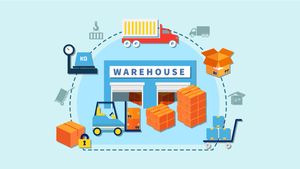

First-mile delivery is a key part of the logistics process - it refers to the initial stage of moving goods from the manufacturer or supplier to a distribution hub. In a complex supply chain ecosystem (like India!), ensuring efficient first-mile delivery is important for reducing costs, improving customer satisfaction, and enhancing the overall efficiency of logistics operations. However, this stage is filled with challenges that can disrupt the entire supply chain if not managed effectively.
In this article, we will explore the key challenges in first-mile delivery, as well as touch upon how smart technology and AI can help companies overcome these hurdles.
Lack of Visibility and Real-Time Tracking
One of the most significant challenges in first-mile delivery is the lack of visibility into the movement of goods. Unlike last-mile delivery, where customer-facing tracking systems are often employed, first-mile delivery frequently lacks real-time tracking mechanisms. This lack of visibility can lead to uncertainties, delays, and difficulties in managing inventory.
For instance, suppliers and manufacturers often struggle to know the exact location of their goods once they leave the facility. This uncertainty can result in bottlenecks at distribution centers, unanticipated delays, and increased costs due to poor coordination.
Visibility Solutions: To tackle this issue, use smart technology solutions like GPS tracking, IoT sensors, and advanced telematics. These technologies provide real-time tracking of goods from the point of origin. Furthermore, by implementing AI-powered analytics, companies can predict potential delays, optimize routes, and ensure timely delivery to distribution centers.
Enhanced visibility not only streamlines first-mile operations but also fosters better decision-making across the supply chain.
Inefficient Route Planning
Poorly planned routes can result in increased travel time, higher fuel consumption, and transportation costs. In a country like India, different terrains and traffic conditions further complicate route optimization strategies.
Route-Optimization Solutions: AI and machine learning algorithms can optimize route planning by analyzing real-time data, including traffic patterns, road conditions, and weather forecasts. Smart route optimization solutions enable businesses to select the most efficient routes for their fleets, reducing travel time and fuel costs.
Additionally, with AI-powered dynamic routing, companies can adapt to changing conditions in real-time, ensuring that goods are transported swiftly and efficiently from the source to the distribution hub.
Poor Communication and Coordination
Effective communication and coordination between manufacturers, suppliers, drivers, and logistics managers are essential for seamless first-mile delivery. However, important information is often communicated via manual processes and broken communication channels, which leads to key information being lost. Poor coordination can lead to delays, missed pickups, and increased operational costs.
Increased Collaboration Solutions: A unified platform to facilitate seamless communication and coordination among all stakeholders involved in first-mile delivery can eliminate most of the issues discussed above. By integrating all communication channels into a single interface, companies can enhance collaboration, provide real-time updates, and reduce the likelihood of errors.
In addition, AI-powered predictive analytics can also help to anticipate potential disruptions and alert relevant parties in advance, allowing for proactive problem-solving.
High Transportation Costs
Transportation costs in first-mile delivery can contribute to high overall logistics expenses. These costs can be influenced by factors such as fuel prices, vehicle maintenance, tolls, and driver wages. Additionally, inefficient loading and unloading processes, as well as underutilized fleet capacity, can further increase transportation costs.
Cost-Saving Solutions: Manage high transportation costs by utilizing AI-driven fleet management solutions that optimize vehicle usage, enhance fuel efficiency, and minimize maintenance expenses. Furthermore, smart load optimization algorithms ensure that vehicles are utilized to their maximum capacity, reducing the number of trips required and helping lowering costs.
Regulatory Compliance and Documentation
Navigating the complex regulatory landscape in first-mile delivery can be challenging, especially in countries like India, where regulations vary across states. Compliance with transportation laws, taxation policies, and documentation requirements can be time-consuming and prone to errors if handled manually.
Compliance Solutions: Digital documentation and compliance management tools simplify the process of following regulatory requirements. Fleetx’s Transport ERP product streamlines compliance by automating essential documentation like permits, invoices, and tax forms. It also ensures real-time updates on regulatory changes, helping businesses stay compliant and minimize manual errors.
Beyond Technology: Best Practices for Building a High-Performing First-Mile Delivery Network
While technology plays an important role in improving first-mile delivery, long-term success depends on establishing standardized operational practices that make logistics predictable, scalable, and resilient. Businesses that consistently achieve high delivery performance focus on process optimization alongside digital transformation. Instead of reacting to disruptions after they occur, they develop systems that prevent delays before shipments even leave the supplier's facility.
As supply chains continue to become larger and more interconnected across India, businesses need first-mile operations that can adapt to fluctuating demand, supplier variability, and changing transportation conditions without affecting downstream logistics.
Best Practices for Optimizing First-Mile Delivery
Businesses can significantly improve operational efficiency by adopting a structured first-mile delivery strategy built around the following best practices:
- Standardize supplier onboarding processes to ensure every supplier follows the same pickup schedules, documentation requirements, and loading procedures.
- Establish shipment readiness checkpoints before dispatch so vehicles arrive only when goods are packed, labelled, and ready for transportation.
- Use appointment-based pickup scheduling to reduce vehicle waiting time, loading congestion, and unnecessary detention charges.
- Create standardized operating procedures (SOPs) for transporters, warehouse teams, suppliers, and dispatch managers to minimize operational inconsistencies.
- Review transportation performance regularly using measurable KPIs instead of relying on assumptions or manual observations.
- Maintain contingency transportation plans for vehicle breakdowns, supplier delays, traffic disruptions, adverse weather, and unexpected demand spikes.
These operational improvements help create consistency across logistics operations while reducing avoidable delays and unnecessary transportation expenses.
Key Performance Indicators (KPIs) That Measure First-Mile Delivery Success
Monitoring the right metrics allows businesses to identify inefficiencies early and continuously improve logistics performance. Rather than measuring only delivery speed, organizations should evaluate the complete first-mile process using operational KPIs.
| KPI | Why It Matters |
|---|---|
| Pickup Compliance Rate | Measures whether pickups occur as scheduled. |
| Vehicle Turnaround Time | Indicates loading and unloading efficiency. |
| Average Supplier Waiting Time | Identifies bottlenecks at supplier locations. |
| Vehicle Utilization Rate | Shows how effectively transport capacity is being used. |
| Empty Return Percentage | Helps reduce unnecessary transportation costs. |
| Dispatch Accuracy | Measures successful shipment planning. |
| Documentation Accuracy | Reduces compliance risks and shipment delays. |
| Cost per Shipment | Tracks transportation efficiency over time. |
| On-Time Dispatch Rate | Evaluates operational reliability. |
| Lead Time Variability | Measures consistency across supplier pickups. |
Tracking these KPIs enables logistics managers to benchmark performance, improve planning accuracy, and make informed decisions that strengthen supply chain efficiency over time.
Common Mistakes That Slow Down First-Mile Delivery
Many logistics challenges are caused by operational gaps rather than transportation itself. Identifying these issues early helps businesses prevent recurring disruptions.
Common mistakes include:
- Scheduling pickups before inventory is fully prepared.
- Depending on manual phone calls or spreadsheets for supplier coordination.
- Not measuring transporter performance consistently.
- Poor communication between procurement, warehouse, and logistics teams.
- Ignoring vehicle utilization and running partially loaded trips.
- Delaying documentation until after dispatch.
- Failing to analyse recurring causes of shipment delays.
Addressing these issues often delivers measurable operational improvements without requiring significant infrastructure investments.
Industry-Specific First-Mile Delivery Priorities
Different industries face different operational challenges during the first mile, making a one-size-fits-all approach ineffective.
- Manufacturing: Prioritizes synchronized supplier pickups to avoid production delays and maintain uninterrupted operations.
- FMCG: Focuses on frequent replenishment cycles, rapid inventory movement, and strict delivery timelines.
- Pharmaceuticals: Requires regulatory compliance, product traceability, and controlled transportation conditions.
- Retail and E-commerce: Depends on accurate inventory availability, fast supplier coordination, and efficient warehouse replenishment.
- Construction and Infrastructure: Emphasizes scheduled movement of heavy materials, equipment coordination, and project-specific delivery planning.
Understanding these operational differences enables businesses to design first-mile delivery strategies that align with industry-specific requirements instead of applying generic logistics processes.
Why Continuous Improvement Matters
First-mile delivery should not be viewed as a one-time optimization project. As supplier networks expand, customer expectations increase, and transportation costs fluctuate, businesses must continuously evaluate and refine their logistics processes. Regular performance reviews, data-driven decision-making, standardized operating procedures, and ongoing process improvements help organizations maintain efficiency even as operations become more complex.
Businesses that continuously optimize first-mile delivery are better positioned to reduce transportation costs, improve supplier collaboration, increase operational agility, and build resilient supply chains capable of supporting sustainable long-term growth.
Conclusion
First-mile delivery is a critical component of the logistics chain that poses numerous challenges, from lack of visibility and inefficient route planning to high transportation costs and regulatory compliance. However, with the adoption of smart technology solutions and AI, these challenges can be effectively addressed, leading to a more streamlined and cost-efficient logistics process.
Fleetx is at the forefront of this transformation, offering innovative solutions that enhance first-mile delivery through real-time tracking, optimized route planning, seamless communication, and data-driven decision-making. By leveraging these technologies, businesses can overcome the obstacles of first-mile delivery, ensuring a more efficient and reliable supply chain that meets the demands of the modern market.
Frequently Asked Questions
What is first-mile delivery in logistics?
First-mile delivery is the initial stage of the supply chain where products move from manufacturers, factories, suppliers, farms, or production units to a warehouse, fulfillment center, or distribution hub. It serves as the foundation for the entire logistics process because delays or inefficiencies during the first mile affect transportation schedules, inventory availability, warehouse operations, and even final customer deliveries. Unlike last-mile delivery, which focuses on consumers, first-mile logistics primarily involves suppliers, manufacturers, transporters, and warehouse operators.
Businesses across India increasingly recognize that efficient first-mile delivery directly influences operational costs and customer satisfaction. Industries such as FMCG, manufacturing, pharmaceuticals, retail, automotive, construction, and e-commerce depend on accurate supplier pickups and timely transportation to maintain uninterrupted supply chains.
Modern first-mile operations rely on technologies such as GPS vehicle tracking, AI-powered route optimization, Transport Management Systems (TMS), IoT sensors, electronic proof of pickup, automated scheduling, and predictive analytics. These technologies improve shipment visibility, reduce delays, optimize fleet utilization, and simplify communication between stakeholders.
Since every logistics journey begins with the first mile, businesses investing in digital transportation management gain greater visibility, lower transportation costs, faster deliveries, and stronger overall supply chain performance.
Why is first-mile delivery important for supply chain efficiency?
First-mile delivery sets the pace for every stage of the logistics journey. When goods leave suppliers on time, vehicles are properly utilized, documentation is accurate, and pickup schedules are optimized, the entire supply chain becomes more predictable and cost-efficient. However, delays during the first mile often create inventory shortages, warehouse bottlenecks, missed delivery windows, and increased transportation expenses.
Companies managing multiple suppliers particularly benefit from efficient first-mile planning because they must coordinate numerous pickups across different locations every day. Digital logistics platforms help businesses centralize communication, automate dispatch planning, and monitor shipments in real time, allowing operations teams to respond quickly to disruptions.
For Indian businesses, where transportation conditions vary significantly across regions, first-mile visibility becomes even more critical. GPS tracking, AI-powered route planning, predictive analytics, and cloud-based Transport Management Systems help logistics managers reduce idle time, optimize routes, lower fuel consumption, and improve supplier coordination.
An efficient first-mile strategy ultimately improves inventory planning, reduces logistics costs, increases customer satisfaction, enhances delivery reliability, and builds a more resilient supply chain capable of supporting long-term business growth.
What are the biggest first-mile delivery challenges faced by businesses in India?
Businesses across India face several operational challenges while managing first-mile logistics. Common problems include limited shipment visibility, poor communication between suppliers and transporters, traffic congestion, inefficient route planning, fluctuating fuel prices, vehicle downtime, compliance requirements, documentation errors, and underutilized fleet capacity. These issues often lead to delayed dispatches, increased operational costs, and reduced customer satisfaction.
Organizations operating across Delhi, Mumbai, Bengaluru, Pune, Chennai, Hyderabad, and other industrial hubs typically work with multiple suppliers spread across different states. Coordinating pickups manually through spreadsheets, emails, and phone calls increases the risk of scheduling conflicts and human error. Weather disruptions and changing road conditions further complicate transportation planning.
To overcome these challenges, companies increasingly implement AI-powered Transport Management Systems, GPS fleet tracking, digital documentation, IoT-enabled vehicle monitoring, automated dispatch scheduling, and predictive analytics. These technologies improve visibility from supplier pickup to warehouse delivery while helping businesses optimize routes, improve fleet utilization, reduce fuel consumption, and make faster operational decisions.
By digitizing first-mile logistics, organizations can build more resilient, scalable, and cost-effective supply chains capable of meeting growing business demands.
What is the best software for improving first-mile delivery operations?
The best first-mile delivery software combines transportation management, fleet visibility, route optimization, supplier coordination, and real-time analytics into a single platform. Rather than using multiple disconnected tools, businesses benefit from a centralized Transport Management System (TMS) that automates planning and provides complete visibility from supplier pickup to warehouse delivery.
Top first-mile logistics software typically includes GPS vehicle tracking, AI-powered route optimization, automated dispatch planning, proof of pickup, driver management, electronic documentation, freight analytics, compliance management, mobile applications, and dashboard reporting. These capabilities help businesses reduce delays, improve vehicle utilization, lower fuel consumption, and increase operational efficiency.
For Indian businesses, it is equally important to choose software that supports GST workflows, regional transportation networks, multilingual operations, ERP integration, API connectivity, and scalable cloud deployment. Businesses operating across multiple cities should also evaluate implementation support, customer service, data security, reporting capabilities, and ease of adoption before making a decision.
The best solution ultimately depends on shipment volumes, fleet size, operational complexity, and business objectives. Companies should prioritize long-term operational value, automation capabilities, scalability, and return on investment rather than selecting software based solely on subscription pricing.
How much does first-mile delivery software cost in India?
The cost of first-mile delivery software in India varies depending on business size, number of vehicles, shipment volume, integrations, deployment model, and required functionality. Small businesses generally spend between ₹15,000 and ₹50,000 per month for cloud-based logistics software, while medium-sized enterprises often invest anywhere from ₹50,000 to ₹2 lakh per month depending on operational complexity and the number of users.
Large enterprises managing nationwide transportation networks, ERP integrations, AI-powered analytics, multiple warehouses, and thousands of shipments may require customized enterprise pricing that runs into several lakhs annually. Some vendors also charge one-time implementation fees covering onboarding, workflow customization, training, API integration, and historical data migration.
Although implementation represents an upfront investment, businesses often recover these costs through lower fuel consumption, better fleet utilization, fewer empty trips, improved route planning, reduced manual work, and higher delivery reliability. Companies also benefit from better compliance management and improved decision-making using real-time operational insights.
Before selecting a solution, businesses should request product demonstrations, compare subscription models, evaluate implementation timelines, and calculate expected ROI based on transportation savings rather than focusing only on software licensing costs.
How can businesses in Delhi NCR and Gurgaon improve first-mile delivery efficiency?
Businesses operating across Delhi, Gurgaon, Noida, Ghaziabad, Faridabad, Sonipat, and the wider Delhi NCR region face unique logistics challenges including heavy traffic congestion, multiple supplier locations, industrial corridors, tight delivery schedules, and increasing freight volumes. These factors make real-time shipment visibility and efficient transportation planning essential for successful first-mile delivery.
Many manufacturing companies, FMCG distributors, pharmaceutical businesses, retail organizations, and e-commerce warehouses improve operational efficiency by implementing Transport Management Systems with GPS tracking, AI-powered route optimization, automated supplier scheduling, and centralized communication platforms. These technologies allow logistics teams to monitor vehicle movements in real time, reduce waiting time at supplier locations, optimize dispatch planning, and respond quickly to unexpected delays.
Digital documentation also simplifies compliance while reducing paperwork and manual errors. Predictive analytics helps businesses anticipate traffic bottlenecks, improve fleet utilization, and allocate transportation resources more effectively across industrial clusters such as Manesar, Bhiwadi, Kundli, and Greater Noida.
By digitizing first-mile operations, businesses throughout Delhi NCR and Gurgaon can reduce logistics costs, improve pickup reliability, strengthen supplier collaboration, and build a faster, more resilient supply chain capable of supporting long-term growth.
How can businesses in Mumbai, Bengaluru, and Pune optimize first-mile logistics?
Mumbai, Bengaluru, and Pune are among India's fastest-growing logistics and manufacturing hubs, each presenting unique first-mile delivery challenges. Mumbai businesses often deal with port connectivity, dense traffic, and time-sensitive freight movement. Bengaluru companies must manage technology-driven supply chains alongside urban congestion, while Pune's automotive, manufacturing, engineering, and industrial sectors require highly coordinated supplier pickups and production schedules.
Businesses operating in these cities increasingly adopt Transport Management Systems (TMS), GPS fleet tracking, AI-powered route optimization, IoT-enabled vehicle monitoring, digital documentation, and predictive analytics to improve first-mile efficiency. These technologies provide complete shipment visibility, automate dispatch planning, optimize vehicle utilization, and reduce transportation delays.
Cloud-based logistics platforms also help organizations coordinate multiple suppliers simultaneously while generating real-time operational insights for faster decision-making. Automated alerts enable logistics teams to proactively address disruptions before they impact warehouse operations or downstream deliveries.
Whether managing imports through Mumbai, technology supply chains in Bengaluru, or manufacturing operations in Pune, investing in digital logistics solutions helps businesses reduce transportation costs, improve fleet productivity, increase supplier collaboration, and create a more resilient supply chain capable of supporting future growth.
How does AI improve first-mile delivery and transportation management?
Artificial Intelligence is transforming first-mile delivery by enabling businesses to make faster, data-driven logistics decisions. Traditional transportation planning often depends on manual scheduling, spreadsheets, and historical experience, whereas AI continuously analyzes real-time traffic, weather conditions, vehicle locations, supplier performance, shipment priorities, and historical transportation data to recommend the most efficient actions.
AI-powered Transportation Management Systems automatically optimize pickup schedules, recommend fuel-efficient routes, predict shipment delays, improve vehicle utilization, and identify operational bottlenecks before they become expensive problems. Machine learning algorithms also become more accurate over time by continuously learning from operational data.
When combined with GPS tracking, IoT sensors, cloud analytics, and predictive maintenance, AI provides end-to-end visibility throughout first-mile operations. Businesses gain better control over transportation costs, delivery timelines, fleet productivity, supplier coordination, and customer service while reducing manual intervention.
As India's logistics sector continues adopting digital transformation, AI has become an essential competitive advantage for businesses seeking to improve operational efficiency, reduce transportation expenses, increase supply chain resilience, and deliver consistently reliable logistics performance at scale.
What should businesses consider before implementing first-mile delivery software?
Before implementing first-mile delivery software, businesses should evaluate both their current operational challenges and future growth requirements. The right solution should not only solve existing logistics issues but also scale with increasing shipment volumes, supplier networks, warehouse locations, and transportation complexity.
Key evaluation factors include GPS fleet tracking, AI-powered route optimization, supplier management, automated dispatch planning, proof of pickup, compliance management, ERP integration, analytics dashboards, mobile accessibility, API support, cloud deployment, cybersecurity, and customer support. Businesses should also assess implementation timelines, onboarding assistance, employee training, and customization capabilities.
Organizations operating across India should ensure the platform supports GST documentation, regional transportation workflows, multilingual teams, and integrations with existing warehouse and enterprise systems. Conducting a pilot implementation before full deployment can help identify operational improvements and simplify user adoption.
Ultimately, businesses should select software based on measurable business outcomes such as lower transportation costs, improved shipment visibility, higher fleet utilization, faster supplier coordination, and long-term return on investment rather than focusing exclusively on licensing costs. A scalable, AI-enabled logistics platform creates lasting value by supporting operational efficiency and future business expansion.