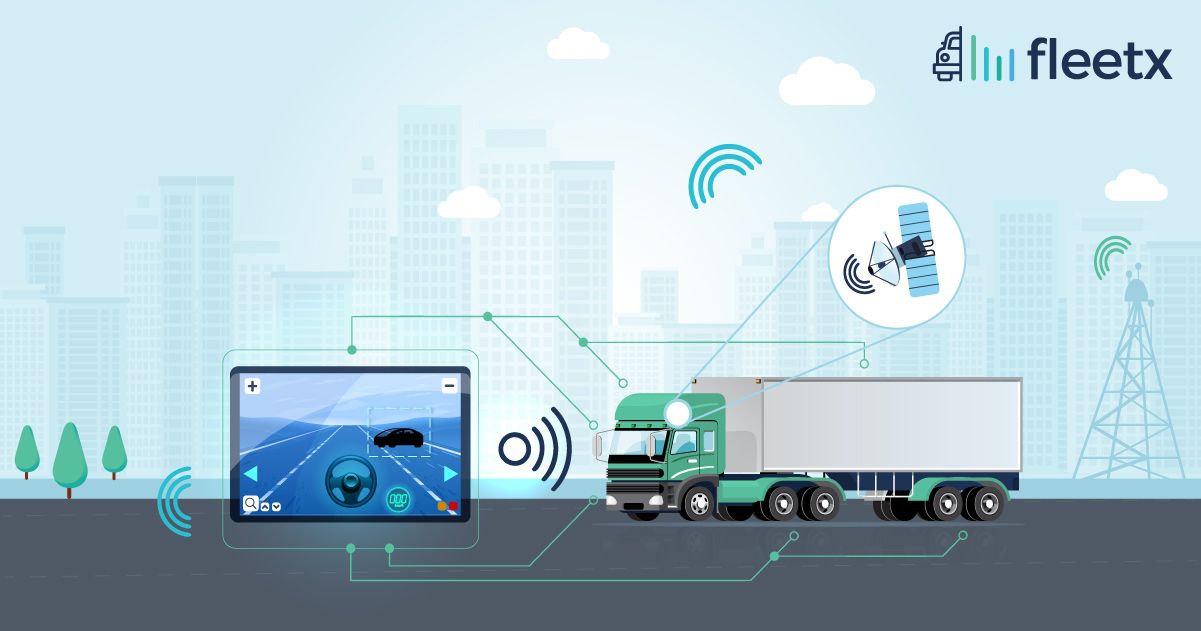

India is moving quickly toward digitalization since 2014, the current government had initiated a perfect solution for a hassle-free trip on national highways that is FASTag in 2014, and now they are all set to start a GPS Toll Collection medium. With this initiative, the nation's actual toll booths will soon be eliminated, and the state will instead collect tolls using a GPS-based system, according to Union Transport Minister Nitin Gadkari. All over India, many people have questions about what telematics and GPS toll collection are and how well it operates. Here in this article, we will talk about all the aspects related to the new GPS toll collection medium.
What is a FASTag?
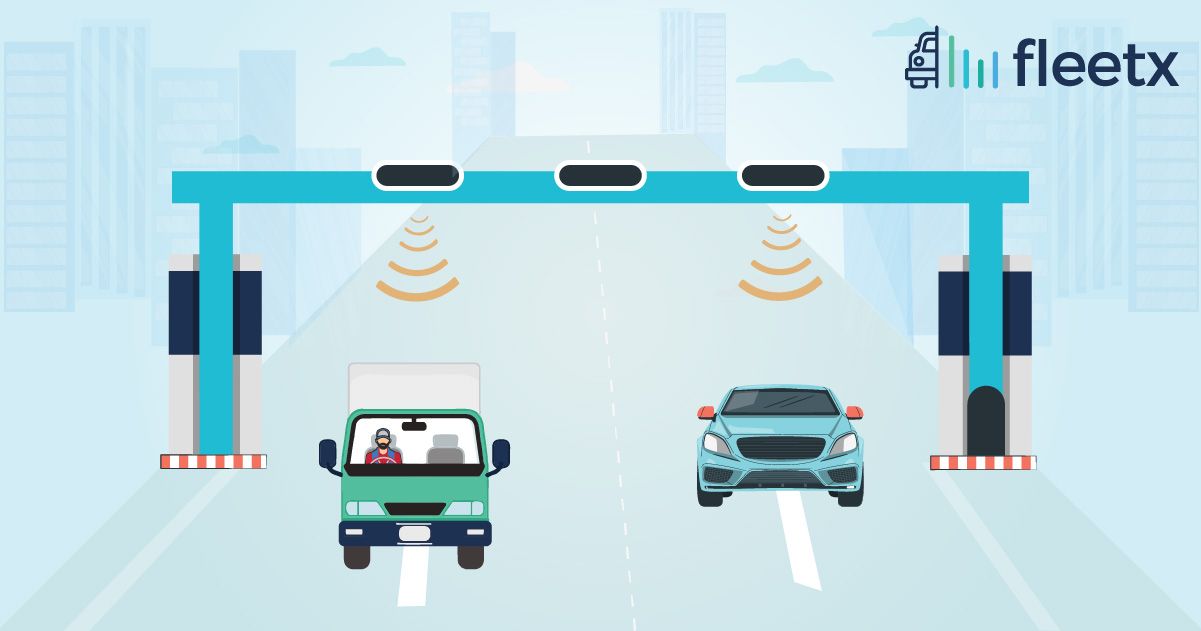
The National Highway Authority of India (NHAI) started the FASTag electronic toll collecting system, for making toll payments directly from the associated prepaid or savings account or from the toll owner, it uses Radio Frequency Identification (RFID) technology. The system was first established in 2014 on the section of the Golden Quadrilateral between Ahmedabad and Mumbai as a demonstration project. This enables one to travel past the toll plaza without stopping to pay the toll automatically. You may recharge your FASTag using your debit card, credit card, net banking, and UPI with the NHAI Prepaid Wallet, and you can set your own recharge amount in accordance with your own preferences.
What is a GPS tracking device with AIS 140 certification, and who needs one?
The Indian government has set up an Intelligent Transport System (ITS) in accordance with Automotive Industry Standard-140 to improve and guarantee the effectiveness of the transportation system (AIS 140). It has been demonstrated around the world that the ITS maximises the use of current transportation infrastructure to the fullest extent possible. This aids in enhancing the comfort, safety, efficiency, and quality of the transportation system. There is a need for government regulations that outline the emergency and safety requirements that must be included in all types of public transportation systems since there are more cars on the road every day.
The most reliable application and careful adherence to AIS-140 criteria can aid in reducing the environmental effect, reducing traffic congestion, and improving traffic management. Both the general population and the commercial users will gain from this. This has been made mandatory for bus, taxi, and institutional bus owners as they require this to make the vehicle safe and comfortable for the customers. The AIS- 140 device also provides GPS+ AGPS Tracking, IP66 Dust and Waterproof, 50000 pieces of data storage, SOS Emergency call option, door status detection, multiple alarms and alerts and multiple analogues with a minimal installation price of around Rs. 5000- Rs. 10,000.
The announcement made by the Road Transport and Highway Minister
India will completely use GPS-based toll collecting in place of toll booths. Nitin Gadkari claimed that while 93% of the cars use FASTag to pay their tolls, 7% of them still do not use it in spite of paying a double toll. According to media reports, he added,
"I want to assure the House that within one year all physical toll booths in the country will be removed. It means that toll collection will happen via GPS. The money will be collected based on GPS imaging (on vehicles)".
How will the new GPS-system work?
The GPS- the system will allow customers to pay the toll based on how far they travelled on the roadway. According to the new laws, tolls will run on a pro-rata basis. This implies that the toll you must pay will increase the more you utilise the roadways. The approach is already in use and has shown considerable success in a number of European nations. The Indian government intends to install a similar system on Indian roadways. By this initiative, as soon as the vehicle enters the toll road, the GPS-based toll collecting system begins to record the trip. When the automobile leaves, it stops. Depending on how many kilometres the user has travelled on the expressway, he must pay the toll.
What is Telematics Insurance?
Telematics insurance is a sort of auto insurance which makes use of gadgets including smartphone apps, GPS gadgets, onboard diagnostic gadgets and sensors. Black boxes, which are installed in client vehicles, are the most widely used telematics device because they offer exact data that is very difficult to manipulate. Numerous driving behaviours are tracked by telematics devices, which transmit the data to an Indian auto insurance provider so they can analyse the risk and set the appropriate insurance rate.
How GPS-Based Tolling Could Change Fleet Cost Management
For commercial fleet operators, the impact of digital tolling goes beyond replacing a payment method. Toll expenditure is a direct component of the total cost of a trip, alongside fuel, driver expenses, maintenance and vehicle utilisation. As highway payments become increasingly digital, fleet managers can use toll transaction data together with GPS and telematics information to understand the true economics of every route.
Moving from toll payment to toll intelligence
Traditionally, toll management has largely focused on ensuring that a vehicle has sufficient balance to complete its journey. A more data-driven approach connects toll transactions with individual vehicles, routes and completed trips.
This allows fleet operators to analyse questions such as:
- How much toll expenditure is associated with each route?
- Are drivers following the approved route or making costly deviations?
- Which vehicles consistently generate higher toll expenses?
- Does a toll road actually reduce the total cost of a journey?
- Are toll transactions consistent with GPS-recorded vehicle movement?
- Which routes provide the best balance between toll charges, fuel consumption and delivery time?
This distinction is important because the route with the lowest toll charge is not necessarily the most economical route. A toll highway that shortens a journey may reduce fuel consumption, driver hours and vehicle wear sufficiently to offset the additional toll expense.
Calculating the real cost of a toll route
Fleet managers can evaluate routes using a broader trip-cost framework:
Total Trip Cost = Fuel Cost + Toll Cost + Driver Cost + Maintenance Impact + Delay Cost
For example, suppose a non-toll route saves ₹500 in toll charges but adds 70 kilometres and two hours to a journey. The additional fuel consumption, driver time and vehicle utilisation could cost substantially more than the original ₹500 saving.
GPS and telematics data can support better decisions by providing evidence about:
- Actual kilometres travelled rather than planned distance.
- Time spent moving, idling and waiting.
- Repeated deviations from approved routes.
- Vehicle arrival and departure times.
- Route-specific fuel consumption.
- Toll expenditure associated with individual trips.
For logistics businesses operating high-frequency corridors between Delhi NCR, Mumbai, Pune, Bengaluru and other major commercial centres, even a small reduction in unnecessary distance or toll leakage can become significant when multiplied across hundreds or thousands of monthly trips.
Why toll reconciliation matters for large fleets
Manual toll reconciliation becomes increasingly difficult as fleet size grows. A business operating hundreds of commercial vehicles may generate thousands of toll transactions every month. Without connecting these transactions to actual trips, identifying incorrect, duplicate or unexplained expenses can require considerable administrative effort.
A connected fleet-management approach can help businesses compare toll records with:
- Vehicle registration numbers.
- GPS trip histories.
- Assigned routes.
- Dispatch records.
- Driver information.
- Customer or shipment references.
This creates a more complete audit trail and can help finance and operations teams understand where transportation budgets are being spent.
FASTag vs GPS-Based Tolling vs Manual Toll Collection
India's tolling ecosystem has evolved from cash-based transactions towards increasingly automated payment methods. Understanding the differences between the major approaches helps vehicle owners and fleet operators evaluate how future tolling technologies could affect highway travel.
| Factor | Manual Toll Collection | FASTag-Based Tolling | GPS/Distance-Based Tolling |
|---|---|---|---|
| Primary technology | Cash or card payment | RFID | Satellite positioning and digital systems |
| How vehicles are identified | Manual interaction | FASTag attached to vehicle | Digital vehicle and location identification |
| Basis of charging | Toll-plaza tariff | Toll-plaza tariff | Potentially actual chargeable distance travelled |
| Physical toll infrastructure | High dependence | Toll-point infrastructure required | Potentially reduced dependence on traditional plazas |
| Vehicle stopping | Usually required | Generally reduced | Designed to enable more seamless road usage |
| Distance-based charging | Limited | Generally plaza based | A core potential capability |
| Fleet expense visibility | Low without manual records | Digital transaction records available | Potential for detailed trip-linked cost information |
| Integration with telematics | Limited | Possible through separate transaction data | Potentially stronger location and trip correlation |
| Route-level cost analysis | Difficult | Possible with additional systems | Potentially easier when integrated with fleet data |
| Current relevance in India | Declining in importance | Widely established electronic toll mechanism | Evolving area of highway tolling technology |
What the comparison means for fleet operators
FASTag solved an important payment problem by digitising toll transactions and reducing the need for cash exchange. GPS-enabled and distance-based tolling could represent another stage in this evolution by connecting road charges more closely with actual highway usage.
For fleet businesses, however, the biggest operational advantage may come from the data generated around the transaction rather than from the payment method alone.
A digitally connected tolling environment can potentially enable operators to:
- Allocate toll expenses to individual trips and customers.
- Compare the cost of alternative highway routes.
- Detect inconsistencies between toll transactions and vehicle movement.
- Improve freight pricing by understanding actual route costs.
- Create more accurate cost-per-kilometre calculations.
- Automate parts of expense reconciliation.
The transition should not be viewed simply as FASTag versus GPS. Different technologies can serve different functions within a broader digital highway ecosystem. Vehicle identification, electronic payments, location technology and fleet telematics may increasingly work together to make road usage and transportation expenses more measurable.
Key Challenges That Will Shape GPS-Based Tolling in India
The potential advantages of distance-based tolling are significant, but implementing such a system across India's extensive highway network involves more than installing GPS technology in vehicles. A reliable system must accurately identify vehicles, determine chargeable road usage, process payments and resolve disputes at national scale.
1. Accuracy of location and trip data
Distance-based charging depends on accurately determining where a chargeable journey begins and ends. GPS signals can sometimes be affected by tunnels, dense urban environments, poor connectivity or device-related issues.
A reliable tolling architecture therefore needs mechanisms to prevent inaccurate charges and distinguish between vehicles travelling on a toll road and those using nearby roads.
2. Transparent toll calculations
Vehicle owners need to understand how a charge has been calculated. A transparent system should clearly identify relevant information such as:
- The road or highway used.
- The chargeable distance recorded.
- The applicable vehicle category.
- The toll rate applied.
- The date and time of the journey.
- The final amount deducted.
Easy access to transaction details would be particularly important for commercial fleets processing large volumes of toll expenses.
3. Managing incorrect charges and disputes
Any automated payment system needs a clear dispute-resolution mechanism. GPS errors, incorrect vehicle classifications or payment-processing issues could potentially result in disputed transactions.
Fleet operators would benefit from maintaining their own GPS trip records because independent telematics data could provide additional evidence when reviewing a questionable toll transaction.
4. Data privacy and cybersecurity
A location-based toll system can involve sensitive information about vehicle movement and financial transactions. Strong cybersecurity controls, clearly defined access permissions and appropriate data-retention practices are therefore essential.
For businesses using their own fleet telematics platforms, internal security is equally important. Access to detailed vehicle histories should be provided only to employees who genuinely require the information for operational purposes.
5. Integration with India's existing transport ecosystem
India already has a large digital tolling infrastructure built around FASTag. Any future technology will need to operate within a complex ecosystem involving vehicles, highway operators, financial institutions and transport authorities.
For commercial fleet owners, interoperability will be especially important. Businesses are unlikely to benefit if toll, GPS, fuel, trip and transportation data remain isolated in separate systems.
What fleet operators should prioritise
Rather than trying to predict exactly how India's future tolling model will develop, transport businesses can focus on becoming more data-ready. Practical priorities include:
- Maintaining accurate digital records for every vehicle.
- Using reliable GPS tracking for trip visibility.
- Monitoring toll expenses at vehicle and route level.
- Connecting route data with fuel and operating costs.
- Building processes for automated expense reconciliation.
- Choosing scalable systems that support integration with other logistics platforms.
- Regularly reviewing official highway and transport notifications.
The long-term shift toward digital transportation infrastructure means that toll management is increasingly becoming part of a larger fleet intelligence ecosystem. Companies that can connect vehicle movement, route decisions and transportation expenses will be better positioned to control costs and adapt to future changes in highway charging.
The takeaway
As India is growing more tech-savvy and automating everything. In order to have a clearer and more accurate understanding of vehicle data, now vehicles will be rated and studied through telematics data. The telematics data gathered may be used by technology to ease vehicle owners' risk. The future lies in toll-polling with GPS capabilities, in the next few years, it will be interesting to watch how telematics will affect the Indian transport and insurance market. It is now essential for businesses who manage fleets to track their toll charges, and insurance rates and manage their operational costs by utilising telematics software.
Frequently Asked Questions
What is a GPS-based toll collection system and how does it work? ▼
A GPS-based toll collection system is a technology-enabled method of calculating road tolls according to a vehicle's movement or the distance it travels on a designated toll road. Instead of depending entirely on physical toll plazas where vehicles slow down or stop, the system can use satellite positioning, vehicle-location technology and digital payment infrastructure to identify eligible road usage and calculate the applicable toll.
In a typical distance-based model, an authorised vehicle-location system records when a vehicle enters and leaves a chargeable road section. The toll is then calculated according to factors such as the distance travelled, the applicable road tariff and the vehicle category. Payment may subsequently be deducted through a linked digital account or another authorised toll-payment mechanism, depending on the framework adopted by the road authority.
For Indian vehicle owners and fleet operators, GPS-based tolling is especially relevant because it could support a more usage-based approach to highway charging. However, GPS tolling should not automatically be treated as identical to FASTag. FASTag primarily uses RFID technology at tolling points, while GPS-enabled tolling involves vehicle-location data.
The potential advantages include reduced congestion at toll plazas, better visibility of toll expenditure and more accurate distance-based charging. Successful implementation also depends on reliable vehicle identification, accurate location data, secure payment systems, privacy safeguards and clearly defined government regulations. Commercial fleets can additionally combine toll information with telematics data to monitor routes, trip costs and overall transportation expenses.
Does FASTag have GPS? ▼
No, FASTag does not now support GPS; instead, it uses RFID technology. It merely assists with electronic payment; it does not track the movement of the car.
What is the difference between GPS-based toll collection and FASTag in India? ▼
The main difference between GPS-based toll collection and FASTag is the technology used to identify road usage and calculate toll charges. FASTag is based on Radio Frequency Identification, or RFID. A FASTag sticker attached to a vehicle is detected by equipment installed at an authorised toll point, allowing the applicable toll amount to be deducted from the linked account.
GPS-based tolling, by comparison, is designed around vehicle-location or distance information. Instead of charging a fixed amount simply because a vehicle passes a particular toll plaza, a distance-based system can potentially calculate a toll according to the actual section of a chargeable highway used by the vehicle.
For example, a truck travelling only a portion of a toll road could theoretically be charged for that specific distance under a properly implemented satellite-based system. This is one of the reasons GPS tolling is often discussed as a possible future model for more flexible highway charging.
For transport businesses in India, the practical difference extends beyond payment. FASTag transaction data provides toll-payment records, while GPS and telematics systems can provide wider operational information such as route history, stoppages, vehicle location and trip distance.
The two technologies should therefore not be confused. FASTag does not automatically function as a complete GPS vehicle-tracking system. Fleet owners evaluating the best toll-management approach should monitor official implementation requirements and ensure that any GPS or AIS-140 equipment they purchase is suitable for their vehicle category and intended use. Until specific regulations apply, businesses should continue following the officially prescribed toll-payment process for their routes.
What are the main benefits of GPS-based tolling for vehicle owners and fleet operators in India? ▼
GPS-based tolling can potentially benefit Indian vehicle owners and fleet operators by making highway charging more closely connected to actual road usage. One of the most important potential advantages is distance-based charging. Under such a model, a vehicle may be charged according to the toll-road distance it travels rather than being limited to a conventional toll-plaza-based structure.
For large commercial fleets, GPS-enabled toll information can also become part of a wider transportation-cost management process. When toll data is combined with telematics and fleet-management software, operators can compare planned routes with actual routes, identify unnecessary diversions and understand how toll expenses affect the total cost of each trip.
Potential operational advantages include:
- Reduced dependence on stopping or slowing significantly at conventional toll collection points.
- Better visibility of route-wise and vehicle-wise toll expenditure.
- Improved reconciliation of toll expenses with completed trips.
- More accurate calculation of transportation cost per kilometre.
- Greater ability to compare toll roads with alternative routes.
This can be particularly useful for fleets operating between major logistics markets such as Delhi NCR, Gurgaon, Mumbai, Bengaluru and Pune, where vehicles may travel across multiple highways and toll corridors.
However, the benefits depend heavily on implementation quality. Accurate positioning, reliable network connectivity, transparent tariffs, payment reconciliation and strong data protection are essential. Fleet owners should therefore consider GPS-based tolling as part of a broader digital transport ecosystem rather than only a replacement for a physical toll booth.
How much can a GPS tracking or AIS-140 device cost for commercial vehicles in India? ▼
The cost of a GPS tracking or AIS-140-compatible vehicle tracking device in India can vary significantly according to the hardware, certification requirements, installation process, connectivity plan, software features and service provider. As a broad indicative range, basic commercial GPS tracking solutions may start from a few thousand rupees per vehicle, while more advanced AIS-140 solutions with installation, connectivity and platform access may involve higher upfront and recurring costs.
For planning purposes, businesses may encounter hardware and installation costs in the approximate range of ₹5,000 to ₹15,000 or more per vehicle for certain commercial-grade or AIS-140-oriented solutions. Annual SIM, platform, monitoring or subscription charges may be additional. Actual quotations should always be obtained from authorised providers because pricing changes according to features and regulatory requirements.
Fleet owners should compare the total cost of ownership rather than selecting the cheapest device. Important cost components can include:
- GPS or AIS-140 tracking hardware.
- Professional installation and wiring.
- SIM and data connectivity charges.
- Fleet-management software subscriptions.
- Device replacement and maintenance.
- API integration with ERP or transportation systems.
Businesses in Delhi, Gurgaon, Mumbai, Bengaluru and Pune may find a wide range of local installers, but the best option should be chosen according to device reliability, support coverage and relevant certification rather than location alone. Companies purchasing devices for regulatory compliance should verify the latest official requirements before installation. A lower-priced non-compliant tracker may not satisfy the purpose for which an approved device is required.
What is the best GPS-based toll and fleet tracking solution for businesses in Delhi NCR and Gurgaon? ▼
The best GPS-based toll and fleet tracking solution for a business in Delhi NCR or Gurgaon depends on fleet size, vehicle type, operating routes and the level of cost visibility required. A business that operates five local delivery vehicles has very different requirements from a transporter managing hundreds of trucks across national highways.
For fleets operating from Gurgaon, Delhi, Noida, Faridabad and other parts of Delhi NCR, a useful solution should ideally provide more than a live location marker. High-intent commercial buyers should evaluate systems that combine GPS tracking with route history, geofencing, trip management, toll-expense visibility, driver monitoring and automated operational reports.
Important features to compare include:
- Real-time vehicle tracking and accurate trip history.
- Route deviation and unauthorised stoppage alerts.
- Integration with FASTag or toll-expense records where supported.
- Vehicle-wise and trip-wise cost reporting.
- AIS-140 compatibility where required for the vehicle category.
- Reliable customer support and installation services.
Costs can range from relatively affordable GPS subscriptions for small fleets to customised enterprise contracts for large logistics operations. Businesses should therefore request a quotation based on vehicle count and required integrations rather than relying only on an advertised starting price.
For Delhi NCR fleets frequently using toll highways, the top solution will usually be one that connects toll expenses with actual vehicle movement. This provides a more useful operational view than managing tracking and toll transactions in separate systems. Companies should also verify current government requirements before purchasing devices specifically for future GPS-based tolling.
How can fleet operators in Mumbai and Pune reduce highway toll and transportation costs using telematics? ▼
Fleet operators in Mumbai and Pune can use telematics to reduce transportation costs by analysing where, when and why vehicles are spending money during each trip. Toll charges are only one component of total fleet expenditure, so the strongest savings usually come from connecting toll data with route efficiency, fuel consumption, driver behaviour and vehicle utilisation.
For vehicles travelling across Maharashtra and between major commercial centres such as Mumbai and Pune, operators can review historical trip data to determine whether drivers are following approved routes. An unexpected route deviation can increase toll expenditure, distance travelled, fuel consumption and delivery time simultaneously.
Telematics can help fleets identify:
- Repeated unnecessary diversions from planned routes.
- Excessive idling before or after toll-road journeys.
- Vehicles using expensive routes without a clear time advantage.
- Unauthorised trips and unexplained toll transactions.
- Differences between planned and actual trip kilometres.
The best cost-reduction strategy is not always to avoid toll roads. A toll route may save enough time and fuel to produce a lower overall trip cost than a free alternative. Fleet managers should therefore calculate total route economics instead of comparing toll charges in isolation.
For businesses evaluating telematics platforms in Mumbai or Pune, pricing may depend on vehicle count, hardware requirements and software modules. A small fleet may use a standard subscription model, while larger companies may require custom pricing and system integrations. The top platforms should make route, toll, fuel and vehicle-performance data easier to analyse together so that fleet managers can make evidence-based operational decisions.
How can businesses in Bengaluru choose the best GPS and telematics system for toll and fleet management? ▼
Businesses in Bengaluru should choose a GPS and telematics system according to operational requirements rather than simply selecting the provider with the lowest hardware price. For logistics companies, employee transport operators, commercial fleets and distribution businesses, the best system should provide accurate vehicle data that supports both daily fleet control and long-term cost analysis.
A useful evaluation process starts with identifying the problems the business wants to solve. Some fleets primarily need real-time tracking, while others need route optimisation, fuel monitoring, driver safety analytics, toll reconciliation or integration with a Transportation Management System.
When comparing the top GPS fleet-management solutions, businesses should evaluate:
- Tracking accuracy and frequency of location updates.
- Historical route and trip data retention.
- Geofencing and route deviation alerts.
- Compatibility with commercial vehicle requirements.
- Dashboards for analysing trip and operational costs.
- Integration capabilities with existing ERP or logistics software.
- Installation quality and after-sales support.
Price is also important, but buyers should compare the full contract. Hardware, installation, connectivity, annual software charges and premium analytics features may be billed separately. Depending on the system, commercial solutions can range from basic tracking packages to customised enterprise deployments.
For Bengaluru-based fleets operating interstate routes, scalability is particularly important. A system should continue working effectively as the number of vehicles, drivers and routes increases. Businesses evaluating technology specifically for GPS-based tolling should also distinguish between general fleet GPS trackers and any devices officially required under applicable tolling or transport regulations.
Will GPS-based toll collection replace FASTag and physical toll plazas across India? ▼
GPS-based and satellite-enabled tolling have been discussed as part of India's broader effort to modernise highway toll collection, but vehicle owners should avoid assuming that every physical toll plaza or FASTag requirement will disappear immediately. Large-scale changes to a national tolling system normally require technology deployment, regulatory frameworks, vehicle identification processes, payment infrastructure and a carefully managed transition.
FASTag has already created a digital payment layer for highway toll collection using RFID technology. A GPS-based or distance-based model could potentially take digital tolling further by calculating charges according to actual road usage. However, the exact relationship between existing FASTag infrastructure and future satellite-based systems depends on the implementation model adopted by authorities.
From a vehicle owner's perspective, the most practical approach is to continue following the toll-payment method officially required at the time of travel. Commercial fleet operators should also avoid purchasing a device solely on the assumption that any ordinary GPS tracker will automatically qualify for future toll collection.
A national transition could involve multiple technologies working together during different phases. Possible components may include vehicle identification, satellite positioning, digital accounts, automated number plate recognition and existing electronic toll-payment infrastructure.
For fleet businesses, the strategic opportunity is broader than the payment mechanism itself. As toll collection becomes more digital, companies can potentially gain better access to structured trip and expense data. Connecting this information with fleet telematics can improve route costing, toll reconciliation and transportation planning. Any implementation timelines or mandatory technical requirements should be checked against the latest official government and highway authority notifications.
Is GPS-based toll collection secure, and what happens to vehicle location data? ▼
The security of GPS-based toll collection depends on how the system is designed, regulated and operated. Because a location-enabled tolling system may process vehicle movement, identity and payment information, strong data protection is essential. Vehicle owners and fleet businesses should expect authorised systems to use appropriate controls for data transmission, access management and financial transactions.
From a technical perspective, a secure tolling ecosystem should limit data access to authorised purposes and protect information from unauthorised alteration or misuse. Businesses should also understand what information their own fleet-management provider collects and how long that information is retained.
Important questions for a commercial fleet operator to ask include:
- What vehicle and location information is being collected?
- Who can access historical trip data?
- How is information encrypted during transmission and storage?
- Can user access be controlled according to employee roles?
- How long are tracking and transaction records retained?
- Is there a documented privacy and security policy?
For businesses operating large fleets in India, location data is already commonly used for dispatching, theft prevention, driver safety and delivery monitoring. GPS-based tolling introduces another potential use of vehicle-location information, making transparent governance even more important.
Fleet managers should choose reputable technology providers and maintain secure internal access controls. Drivers should also be informed about legitimate tracking practices used for business vehicles. The exact privacy framework applicable to any official tolling programme will depend on the rules and technical architecture implemented by the responsible authorities, so businesses should rely on current official guidance rather than assumptions about how future GPS toll systems will handle data.
How should fleet owners prepare for the future of GPS-based and distance-based tolling in India? ▼
Fleet owners can prepare for the future of GPS-based and distance-based tolling by improving the quality of their vehicle, route and expense data today. Businesses do not necessarily need to replace their entire fleet technology stack immediately. Instead, they should build systems that can adapt to more automated and data-driven toll collection when official requirements become applicable.
The first priority is maintaining accurate vehicle records and ensuring that existing FASTag accounts, registration information and fleet databases are properly managed. Fleet operators should also evaluate whether their current GPS or telematics platform can provide reliable trip distance, route history and vehicle identification data.
A practical preparation checklist includes:
- Maintain accurate registration and fleet-master information.
- Regularly reconcile toll payments with completed vehicle trips.
- Use GPS data to identify unexplained route deviations.
- Calculate toll cost as part of total cost per trip.
- Review the compatibility and certification of installed tracking hardware.
- Follow official announcements regarding new tolling requirements.
- Choose technology platforms that support integrations and scalable data reporting.
For fleets operating across India, including Delhi NCR, Gurgaon, Mumbai, Bengaluru and Pune, centralised toll and trip visibility can already create operational value even before a nationwide GPS tolling model is fully adopted. Businesses can use this data to compare routes, identify cost leakage and improve planning.
The top strategy is therefore to prepare for interoperability rather than predicting one specific technology. A flexible fleet-management system that combines GPS tracking, trip management and expense analytics can help transport businesses adapt more easily as India's digital highway and tolling infrastructure continues to evolve.