
India has one of the fastest growing economies. With a $3 trillion economy, India is the sixth-largest economy in the world. The transportation sector, which accounts for 6.3% of the country's GDP, is mostly controlled by the road sector. And with the transportation industry growing quickly, hand in hand, telematics is making a positive appearance in the entire transportation sector.
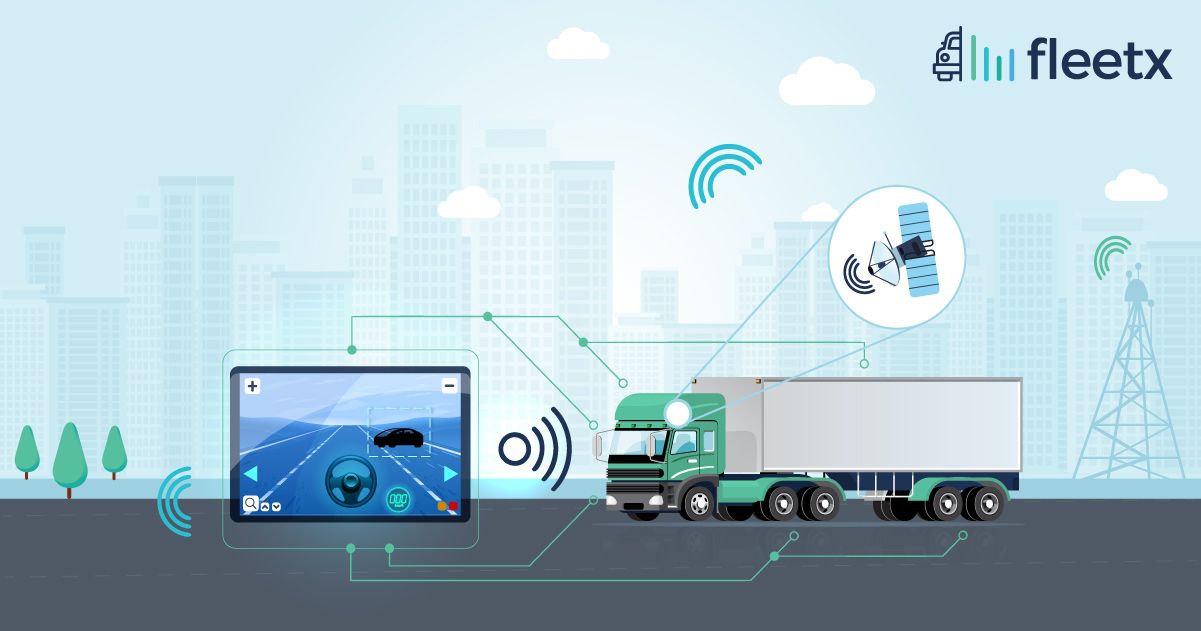
Constantly, the telematics sector develops and incorporates new technology. In reality, the development of advanced video technology has brought about a profound transformation in the field of video telematics. This makes it possible for fleet managers to understand and manage their fleets. Additionally, it provides fleet managers with 360° of transparency and makes fleets and their drivers safer than before.
The trucking industry needs video telematics technology more than ever, and it may eventually replace other hardware requirements for large commercial trucks. Technology may be a major factor in helping businesses save money and resources while also ensuring that their fleets adhere to industry norms and requirements.
By the end of 2019, it is anticipated that India's vehicle telematics market would have surpassed $500 million. In 2021, the commercial telematics market in India had a value of $1,005 million USD. The market is anticipated to grow at a CAGR of 21.52% from 2022 to 2027, reaching US$ 3,119 million.
A rising variety of safety features that are specifically created to improve the safety of drivers, passengers, and pedestrians are being implemented using video telematics. Every fleet manager that places a high priority on safety in their business will be interested in choosing a video telematics system.
Key Takeaways
- Video telematics combines AI, GPS tracking and smart dashcams to improve fleet safety.
- It helps reduce accidents by detecting harsh braking, overspeeding, distraction and driver fatigue in real time.
- Video evidence simplifies insurance claims and protects drivers against false allegations.
- Commercial fleets across India—including Delhi NCR, Gurgaon, Mumbai, Bengaluru and Pune—can improve operational efficiency through AI-powered fleet monitoring.
- Video telematics supports better driver coaching, compliance monitoring, fleet transparency and data-driven decision making.
- Compared with standalone GPS tracking, video telematics delivers richer operational insights and stronger accident evidence.
- Businesses adopting video telematics often experience lower operational costs, improved driver retention and enhanced customer confidence.
What are fleet managers' top priority?
The retention of their drivers is the main concern of all fleet managers. 36% of fleet managers place safety at the top of their priority list. According to FMCSA estimates, driver distraction causes 71% of large-truck collisions. Defending against false claims, rising insurance costs, and fleet damage are a few of the concerns. Sometimes, these issues make it more difficult for fleet owners to defend assets and drivers against false allegations. One of the main objectives for all fleet owners is still to increase the overall effectiveness of the fleet, which video telematics solutions can help to accomplish.
According to Paul Ripley, " Telematics is a groundbreaking flash of inspiration that could become a future game changer... a life saver by default. It is something that will bring a big change in the insurance and fleet operator sectors. It is something that is set to transform the way insurance companies set new parameters on the driver risk they cover and something that will grow exponentially over the next few years. "
Even with a market penetration of less than 15%, telematics is already having a significant impact on transportation. A recent Work Truck pulse survey revealed that video telematics still has a ways to go before being viewed as an essential safety tool for the sector. According to work truck reports, 64 percent of respondents claimed their fleet had not deployed video telematics, compared to 36 percent who said they had. The majority of those who have used video telematics reported that it has improved their fleet's safety (65%). Video telematics should be made a requirement by the Indian government after seeing such a significant improvement and potential changes in the sector. The transport sector in India will gain a lot from it.
In addition to this, the use of video telematics can provide a number of other advantages, including:
Boosting Driver Safety: The implementation of video telematics will aid in the development of fleet management solutions that involve drivers and advance safety. Driving incentives based on different metrics, such as the number of days without an accident and the number of kilometers traveled safely, will improve safety standards and encourage improved performance from drivers. The system for 360-degree monitoring will protect both drivers and vehicles.
Driver coaching and driver motivation: Telematics data on aggressive driving behaviors like hard braking and speeding is important for driver teaching and motivation. It can lower fuel usage and provide more effective routes. Giving drivers practical advice during coaching sessions can promote respect for one another, create a sense of trust, and assist them to retain drivers for a very long time. It will improve both drivers' and fleet managers' capacity to make the appropriate decisions. Driver training will assist drivers become more aware of their blind spots and improve their abilities on the roads by utilizing video telematics data.
Third-eye representation: Road accidents usually result in drawn-out claim negotiations. Video evidence acts as a trustworthy "third eye" that helps fleet insurance disputes get resolved more swiftly while shielding drivers from unwarranted blame for the incident. Fleet owners and insurance partners can analyze events more quickly by accessing video footage, which lowers total fleet expenses associated with crashes and lowers insurance costs. Video telematic systems are prepared to respond to all the crucial inquiries regarding the event since they have both an outside and an interior camera view. It will also offer comprehensive insights and give a more comprehensive and detailed picture of an accident and help identify its primary cause. Therefore, it will lead to preventing reputational harm and asset damage.
Saving time: While fleet businesses are aware of the value that video data can offer, they do not want to waste their time or money looking through pointless data. Fleet drivers are aware of continual observation. Video Telematics will simply keep track of crucial incidents involving dangerous driving habits to avoid problems. This allows fleet owners and their drivers to concentrate on the most crucial video.
Constant real-time improvement: Drivers may be coached and given the chance to improve their abilities using video as a potent teaching tool. Additionally, this will raise fleet managers' and drivers' awareness of their fleet's problems and enable them to address them immediately. Implementation of such functions will facilitate manager’s to proactively address problems and find solutions right away from their desk.
Reduces cost and enhances efficiency: Efficiency is increased while costs are decreased because video telematics gives drivers a safe driving environment, which reduces accidents, insurance costs, and asset damage. You may use it to get a variety of data and information about your fleets. This will assist businesses in problem-solving. In the long-term, this technology will encourage eco-driving.
In conclusion, video telematics directly benefit the fleet owners , insurance companies, and the drivers. It provides protection against claims, false claims, and cargo theft, improves fuel efficiency, helps drivers continually improve their driving skills, creates a safer working environment, offers risk insights, and makes the investigation process simple. It also increases driver retention and fuel efficiency.
How Video Telematics Supports Government Road Safety and Compliance Initiatives
As India continues to modernise its transportation ecosystem, road safety has become a national priority. Government initiatives focused on reducing road fatalities, improving commercial vehicle safety, and encouraging digital transformation are creating an environment where advanced technologies like video telematics can deliver measurable value. While GPS tracking provides location visibility, video telematics adds visual intelligence that enables fleets to make faster and more informed operational decisions.
For fleet operators managing commercial vehicles across India, adopting video telematics is no longer just about monitoring drivers—it is about building a proactive safety culture that aligns with evolving industry expectations.
Key ways video telematics contributes to safer fleet operations
- Supports preventive safety management by identifying risky driving patterns before they lead to accidents.
- Creates digital evidence that simplifies accident investigations and insurance claim processing.
- Improves driver accountability through objective, event-based recordings instead of assumptions.
- Enhances passenger and cargo safety with continuous monitoring during trips.
- Strengthens operational transparency for transport companies, logistics providers, and enterprise fleets.
- Enables AI-driven risk detection for fatigue, distraction, harsh braking, speeding, lane departure, and unsafe following distance.
- Assists fleet managers with remote supervision, reducing the need for manual inspections.
- Builds customer confidence by demonstrating higher safety and service standards.
Industries that benefit the most
Video telematics is valuable across multiple commercial sectors, including:
- Logistics and transportation
- FMCG distribution
- Cold-chain logistics
- Construction fleets
- Mining operations
- Employee transportation
- School and institutional buses
- Public transport operators
- Oil & gas logistics
- E-commerce delivery fleets
As regulatory expectations continue to evolve, fleets that adopt AI-enabled safety technologies today are better positioned to improve compliance, reduce operational risks, and create a safer driving ecosystem.
Video Telematics vs Traditional Fleet Monitoring
Many fleet operators still rely on conventional GPS tracking or manual supervision to manage vehicles. While these methods provide basic operational visibility, they often fail to explain why an incident occurred. Video telematics bridges this information gap by combining AI, cameras, GPS, and analytics into one intelligent safety platform.
| Feature | Traditional GPS Tracking | AI Video Telematics |
|---|---|---|
| Live vehicle location | ✔ | ✔ |
| Route history | ✔ | ✔ |
| Driver behaviour monitoring | Limited | AI-powered with video evidence |
| Driver fatigue detection | ✖ | ✔ |
| Mobile phone distraction alerts | ✖ | ✔ |
| Collision event recording | ✖ | ✔ |
| Accident investigation support | Limited | Complete visual evidence |
| Insurance claim assistance | Moderate | Strong evidence-based support |
| Driver coaching insights | Basic | Detailed event-based coaching |
| Fleet safety scorecards | Limited | Comprehensive analytics |
| False claim protection | Limited | High |
| Operational transparency | Moderate | High |
Why businesses are upgrading to video telematics
Compared to standalone tracking systems, AI-powered video telematics helps businesses:
- Reduce accident frequency through proactive driver coaching.
- Improve fleet-wide safety compliance.
- Lower operational losses caused by collisions.
- Generate evidence for legal and insurance purposes.
- Improve customer trust through safer transportation.
- Identify repeat driving risks using AI analytics.
- Build a long-term culture of safe driving.
For enterprises operating across Delhi NCR, Mumbai, Bengaluru, Pune, Gurgaon and other major logistics hubs, the additional visibility offered by video telematics often translates into measurable operational improvements.
Best Practices for Successfully Implementing Video Telematics Across a Fleet
Deploying video telematics is not simply about installing cameras. To maximise return on investment, organisations should combine technology with structured operational processes, driver engagement, and continuous performance monitoring.
A successful implementation roadmap
1. Define measurable safety objectives
Before deployment, establish clear KPIs such as:
- Accident reduction percentage
- Driver safety score improvements
- Reduction in harsh braking events
- Insurance claim frequency
- Driver retention improvements
- Fuel efficiency improvements
2. Educate drivers before implementation
Explain that video telematics is designed to:
- Improve driver safety
- Protect drivers from false allegations
- Provide objective accident evidence
- Support fair performance evaluations
- Enable constructive coaching rather than constant surveillance
Transparent communication helps improve acceptance and encourages responsible driving behaviour.
3. Use AI insights for continuous coaching
Rather than reviewing every video manually, fleet managers should focus on AI-generated safety events such as:
- Driver fatigue
- Distracted driving
- Harsh acceleration
- Harsh braking
- Overspeeding
- Unsafe following distance
- Seat belt violations
- Collision warnings
This targeted approach saves management time while improving coaching effectiveness.
4. Review performance regularly
Monthly fleet safety reviews can help organisations:
- Compare driver performance trends.
- Identify high-risk routes.
- Recognise top-performing drivers.
- Measure reductions in accident-related costs.
- Optimise training programmes using real operational data.
Long-term business outcomes
Organisations that integrate video telematics into everyday fleet operations often experience:
- Better fleet visibility
- Improved driver accountability
- Faster incident resolution
- Lower insurance-related expenses
- Reduced operational downtime
- Higher customer satisfaction
- Improved compliance readiness
- Stronger data-driven decision-making
By combining AI-powered video analytics with continuous driver development, fleet operators can move from reactive incident management to a proactive safety strategy that supports sustainable fleet growth and operational excellence.
Conclusion
Video Telematics has the potential to be the key factor for the growth of the fleet management industry. In addition to government regulations , upgrading video telematics in the transportation industry will optimize fleet operations, expenses and benefit the drivers and fleet owners by providing safety measures. It will not only impact the sector, but the prevention of road accidents will also safeguard pedestrians. The government’s progressive push for safety and efficiency in the transportation sector should consider mandating video telematics , as it is proving to be another significant technological upgrade.
Frequently Asked Questions on Video Telematics for Fleet Safety
What is video telematics in fleet management? ▼
Video telematics in fleet management is a technology that combines dashcams, vehicle tracking, driver behaviour data, AI alerts and cloud-based video evidence to help fleet owners monitor vehicles more safely and efficiently. Unlike a basic GPS tracking system, video telematics gives visual context to events such as harsh braking, overspeeding, lane distraction, sudden turns, tailgating, collision risk or driver fatigue.
For Indian fleet operators, video telematics is becoming important because road safety, cargo protection, insurance claims and driver accountability are major concerns. In cities such as Delhi, Gurgaon, Mumbai, Bengaluru and Pune, commercial vehicles often operate in dense traffic, high-risk corridors and time-sensitive delivery routes. Video-based fleet monitoring helps businesses understand not just where a vehicle is, but why a risky event happened.
A good video telematics solution generally includes road-facing cameras, driver-facing cameras, AI alerts, GPS integration, event-based recording, cloud storage and fleet manager dashboards. For businesses looking for the best fleet safety technology in India, video telematics can support accident prevention, faster claim resolution, driver coaching, theft protection and improved compliance.
Is video telematics worth having? ▼
Yes, video telematics is worth having because it benefits fleet managers, vehicles, cargo and drivers all together. It is the third-eye of the vehicle which protects cargo and vehicle from any mishap, protects drivers from false accidental claims, helps in reducing insurance claims and safeguards cargo from theft.
Above all, round-the-clock visual tracking helps in monitoring driver behavior and prevents accidents.
Why is video telematics important for fleet safety in India? ▼
Video telematics is important for fleet safety in India because it helps fleet operators reduce preventable accidents, monitor risky driving behaviour and protect drivers from false claims. Indian roads have mixed traffic conditions, long-haul transport routes, urban congestion and frequent driver fatigue issues. A video telematics system gives fleet managers clear evidence and real-time visibility into what happens before, during and after a road incident.
For logistics, passenger transport, FMCG, cold-chain, construction and e-commerce fleets, safety is directly linked to operating costs. Accidents can lead to vehicle downtime, cargo damage, legal disputes, insurance claims and reputational loss. Video telematics helps reduce these risks by identifying unsafe behaviour early and supporting structured driver coaching.
In high-traffic regions such as Delhi NCR, Gurgaon, Mumbai, Bengaluru and Pune, fleets face risks from sudden braking, congestion, night driving, unsafe overtaking and unpredictable road conditions. AI-enabled video telematics can alert managers to distraction, fatigue, mobile phone use, harsh driving and possible collision events. This makes it one of the top fleet safety solutions for Indian businesses that want better control, accountability and evidence-based decision-making.
How much does a video telematics system cost in India? ▼
The cost of a video telematics system in India can vary depending on the camera type, AI features, storage duration, number of vehicles, installation requirements and software subscription model. For a basic dashcam-based fleet setup, businesses may see hardware costs starting from around ₹5,000 to ₹12,000 per vehicle. More advanced AI video telematics systems with dual-facing cameras, driver monitoring, cloud video storage and real-time alerts may range from ₹15,000 to ₹35,000 or more per vehicle.
Many fleet technology providers also charge a monthly or annual software fee. This can range from approximately ₹500 to ₹2,500 per vehicle per month, depending on features such as live streaming, AI event detection, GPS integration, analytics dashboards, driver scorecards and video retention. Large enterprise fleets may receive customised pricing based on vehicle volume and operational needs.
For businesses in Delhi, Gurgaon, Mumbai, Bengaluru and Pune, the best approach is to calculate total cost of ownership rather than only hardware price. A higher-quality video telematics solution may reduce accident costs, insurance disputes, fuel wastage, vehicle misuse and downtime. For commercial fleets, the return on investment often comes from safer driving, faster incident investigation and improved fleet productivity.
Which fleets in Delhi NCR and Gurgaon need video telematics the most? ▼
Fleets in Delhi NCR and Gurgaon that operate in high-density traffic, long working hours or time-sensitive delivery routes need video telematics the most. This includes logistics fleets, employee transport vehicles, school buses, e-commerce delivery vehicles, cold-chain fleets, construction vehicles, corporate shuttle services and intercity transport operators. These fleets often deal with traffic congestion, driver fatigue, night movement, sudden braking, route deviations and high customer expectations.
Gurgaon and Delhi NCR are major business and logistics hubs with heavy commercial vehicle movement across warehouses, expressways, industrial areas and urban delivery zones. Video telematics helps fleet owners track unsafe driving behaviour, monitor driver distraction, provide evidence during accidents and improve compliance with internal safety policies.
For companies searching for the best video telematics solution in Gurgaon or Delhi NCR, important features include AI dashcams, driver-facing cameras, real-time alerts, cloud video access, panic alerts, GPS tracking, driver scorecards and integration with fleet management software. A well-implemented system can help reduce accident-related losses, protect drivers from false allegations and improve service reliability for enterprise transport and logistics operations.
Is video telematics useful for Mumbai, Bengaluru and Pune fleets? ▼
Yes, video telematics is highly useful for fleets operating in Mumbai, Bengaluru and Pune because these cities have complex urban mobility patterns, dense traffic, frequent route delays and high commercial vehicle usage. Fleet operators in these cities often manage delivery vehicles, employee transportation, cold-chain distribution, rental fleets, construction trucks and intercity logistics movement.
In Mumbai, video telematics can help fleets manage congestion, narrow roads, night deliveries and accident-prone routes. In Bengaluru, it supports driver behaviour monitoring across busy technology corridors, airport routes and urban distribution networks. In Pune, it is useful for manufacturing, automotive, logistics and industrial fleets that need safer movement between plants, warehouses and customer locations.
The top benefit of video telematics in these cities is that it gives fleet managers visual proof of road events. This helps with accident investigation, driver coaching, insurance claim support and customer dispute resolution. Cost-wise, businesses may choose entry-level camera systems or advanced AI-enabled solutions depending on fleet size and risk level. For high-value cargo, passenger transport or enterprise fleets, AI video telematics is often a better long-term investment than using only GPS tracking.
How does video telematics help reduce fleet insurance and accident costs? ▼
Video telematics helps reduce fleet insurance and accident costs by providing reliable video evidence, improving driver behaviour and lowering the chances of repeated unsafe driving incidents. When an accident occurs, fleet owners often face disputes about who was at fault. Video footage gives context that GPS data alone cannot provide, such as road conditions, driver actions, third-party behaviour and the exact sequence of events.
This evidence can help businesses respond faster to insurance claims, avoid false liability and protect drivers from incorrect blame. In some cases, documented safety practices and driver coaching programmes may also support better conversations with insurance partners, especially for large commercial fleets.
Video telematics also reduces costs by preventing incidents before they become serious. AI alerts can detect harsh braking, overspeeding, fatigue, distraction, smoking, mobile phone usage or unsafe following distance. Fleet managers can use these insights to coach drivers and identify repeat-risk patterns.
For Indian fleets operating in Delhi, Gurgaon, Mumbai, Bengaluru and Pune, accident-related losses can include repairs, downtime, cargo damage, legal claims and delayed deliveries. A strong video telematics system helps reduce these hidden costs and improves operational reliability.
What features should businesses look for in the best video telematics solution? ▼
Businesses should look for a video telematics solution that combines reliable camera hardware, AI-based safety alerts, GPS tracking, cloud video access and easy fleet management dashboards. The best solution should not only record video but also help fleet teams take action on risky driving patterns.
Key features to look for include:
- Road-facing and driver-facing camera options
- AI alerts for distraction, fatigue, overspeeding and harsh driving
- Event-based video recording and cloud upload
- Live vehicle location with trip history
- Driver scorecards and coaching insights
- Easy access to incident footage for claims and investigation
- Integration with fleet management, fuel and maintenance systems
- Data security, privacy controls and role-based access
For fleets in India, local support and installation capability are also important. A solution that works well in Delhi NCR, Gurgaon, Mumbai, Bengaluru and Pune should handle real traffic conditions, patchy connectivity, multi-vehicle operations and different fleet types. The top video telematics platforms help businesses improve safety, reduce risk, protect cargo and make fleet operations more transparent.
Can video telematics improve driver behaviour and driver retention? ▼
Video telematics can improve driver behaviour and driver retention when it is used as a coaching tool rather than only a monitoring tool. Drivers often face difficult road conditions, long routes, fatigue, aggressive traffic and pressure to complete deliveries on time. A video telematics system helps fleet managers understand these challenges with real evidence instead of assumptions.
By reviewing event-based footage, managers can identify unsafe habits such as harsh braking, sharp cornering, distraction, overspeeding or tailgating. They can then provide targeted coaching to drivers with specific examples. This is more effective than generic training because it focuses on real driving situations.
Video evidence can also protect good drivers from false accident claims or customer complaints. This builds trust between drivers and fleet managers. In competitive markets such as Delhi, Gurgaon, Mumbai, Bengaluru and Pune, retaining skilled drivers is a major challenge for transport companies. A fair, transparent and data-backed safety system can improve driver confidence.
For best results, businesses should combine video telematics with reward programmes, safe driving incentives and regular feedback sessions. This approach improves safety culture while supporting long-term driver retention.
Is video telematics better than only using GPS vehicle tracking? ▼
Video telematics is better than only using GPS vehicle tracking when a fleet needs deeper safety insights, incident evidence and driver behaviour monitoring. GPS tracking tells fleet managers where a vehicle is, where it travelled and whether there were route deviations or stoppages. Video telematics adds visual context by showing what actually happened during a risky event.
For example, GPS may show sudden braking, but video can reveal whether the driver was avoiding a pedestrian, reacting to another vehicle, distracted, or driving too close to traffic. This makes video telematics more useful for accident investigation, insurance claims, driver coaching and safety compliance.
However, GPS tracking and video telematics work best together. GPS supports route visibility, trip history and asset tracking, while video telematics supports safety, accountability and evidence. For Indian fleet operators handling commercial vehicles in Delhi NCR, Gurgaon, Mumbai, Bengaluru, Pune and other logistics hubs, combining both technologies gives better operational control.
Businesses that manage high-value cargo, passenger vehicles, long-haul trucks or enterprise transport should consider video telematics as a top upgrade over basic tracking. It improves fleet safety, reduces disputes and helps managers make decisions based on data and visual proof.
How can Indian businesses choose the best video telematics provider? ▼
Indian businesses can choose the best video telematics provider by evaluating safety features, hardware quality, software usability, AI accuracy, pricing transparency, support availability and integration options. The right provider should understand Indian fleet operations, including mixed traffic, long-haul logistics, urban deliveries, driver fatigue, cargo risk and compliance needs.
Before selecting a provider, businesses should compare:
- Camera quality during day, night and low-light driving
- AI detection for distraction, fatigue and unsafe driving
- Cloud video storage and retrieval options
- GPS and fleet management integration
- Installation support across cities such as Delhi, Gurgaon, Mumbai, Bengaluru and Pune
- Monthly subscription cost and total ownership cost
- Data security and user access controls
- Customer support, training and maintenance process
A low-cost camera may not be enough for commercial fleets if it lacks real-time alerts, event tagging or cloud access. For enterprise fleets, the top video telematics provider should offer actionable analytics, driver coaching reports and scalable deployment. The best choice is usually a solution that reduces accident risk, improves driver accountability and supports long-term fleet efficiency.