
Cold Chain logistics is an incredibly crucial form of transportation of goods in this day and age. As important as Cold Chain Fleet Management is, there are a lot of factors that make its execution a really difficult task. Shipments can get damaged during transportation and sometimes even before they reach their designated vehicle for moving. It is important to know issues beforehand, which can help you prevent losses worth billions of dollars, and here are the 7 biggest problems that you need to know.
1.LACK OF UNIFORM STRUCTURE
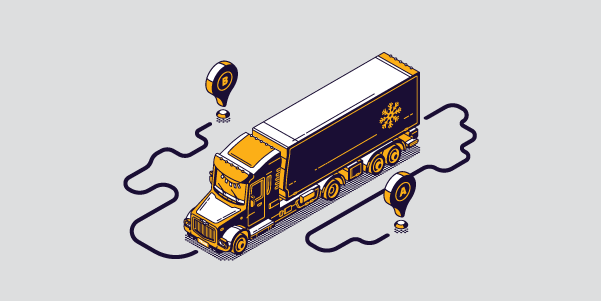
Though science has progressed leaps and bounds which has led to a great deal of stability in cold chain fleet management, we still are far from the optimum scientific stability and infrastructure required. For Example, even the most energy-efficient and advanced cooling system would not work without a power port to plug it in, that is if you have the right adapter and voltage, to begin with.
2. UNHYGIENIC MICROBIAL GROWTH
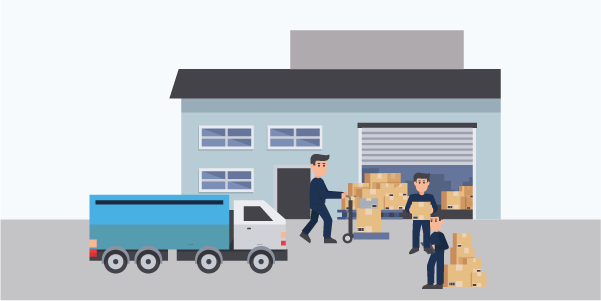
The growth of mold and mildew is yet another problem that plagues freezers. Mismanaged Temperatures or broken freezer doors can create .This issue, but can be managed easily by properly Monitoring your cold storage, the freezer walls themselves will minimize the microbial harborage and build up.
3. EXPOSURE DURING LOADING & UNLOADING
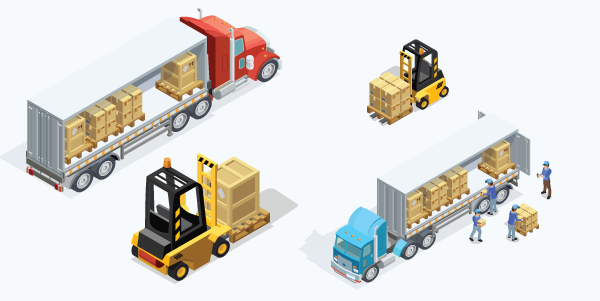
The handling of temperature-sensitive perishables can face problems before they even enter the cold storage. This is usually caused due to prolonged exposure to warm outside temperatures during loading and unloading, which severely degrade the perishables be it food, beverages or pharmaceuticals.
4. PACKAGING FAILURE

Maintained temperatures along with the proper packaging is important for perishable goods, and if the packaging Is not done correctly or is damaged, it can cause the goods to degrade. It is essential to keep a check on proper Packaging and if there is any damage to it.
5. VEHICLE BREAKDOWN
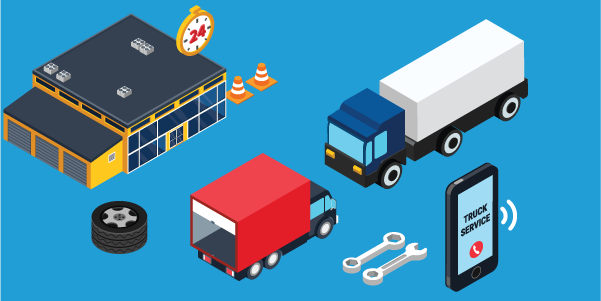
Vehicle breakdown can cause delayed shipments, and in the case of cold chain management, a delayed shipment can also be a destroyed shipment. This makes it really important to have constant tracking of your fleet so you can act quickly in such cases.
6. HARDWARE BREAKDOWN
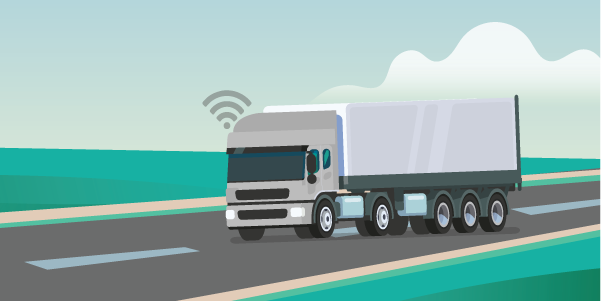
Hardware failures are common occurrences In cold chain fleet management, This could Include things like refrigeration equipment failing due to malfunctions, damaged Freezer doors, malfunctions of temperature sensors connected with GPS or simply loosing power supply.
7. TEMPERATURE FLUCTUATIONS
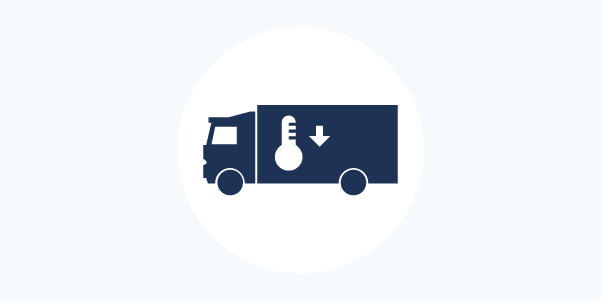
Temperature variances must be checked at all times, else the quality and safety of perishables can be severely impacted. Constantly opening the door exposes perishables to ambient temperatures, which may be much higher than the temperature inside.
Technologies Transforming Modern Cold Chain Logistics
Modern cold chain logistics has evolved from basic refrigerated transportation into a highly connected ecosystem powered by digital technologies. Today's cold chain operations combine intelligent software, connected devices, automation, and predictive analytics to maintain product quality while improving operational efficiency. Whether transporting pharmaceuticals, vaccines, dairy products, frozen foods, fresh produce, seafood, or specialty chemicals, businesses increasingly rely on advanced technologies to ensure products remain within the required temperature range throughout the supply chain.
Rather than simply reacting to problems after they occur, modern cold chain management enables businesses to predict risks, monitor shipments continuously, optimise delivery routes, and improve decision-making using real-time data. These technologies not only reduce spoilage and operational costs but also strengthen regulatory compliance and customer trust.
IoT-Based Temperature Monitoring
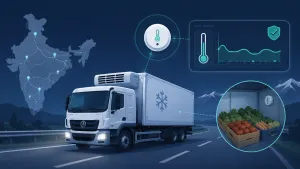
The Internet of Things (IoT) has become one of the most important technologies in modern cold chain logistics. IoT sensors are installed inside refrigerated trucks, cold storage warehouses, shipping containers, and distribution centres to continuously monitor environmental conditions such as temperature, humidity, vibration, door activity, and air circulation.
Unlike traditional manual temperature checks that are performed only at specific intervals, IoT devices transmit data continuously to cloud-based monitoring systems. This allows logistics managers to identify temperature deviations immediately rather than discovering product damage after delivery.
Continuous monitoring is especially valuable for transporting vaccines, biologics, frozen foods, seafood, dairy products, and pharmaceutical products where even small temperature fluctuations can compromise product quality. Businesses can also generate complete digital temperature histories for every shipment, making regulatory compliance significantly easier while reducing paperwork.
GPS Tracking and Real-Time Shipment Visibility
Real-time shipment visibility has become a standard expectation across modern supply chains. GPS tracking systems allow logistics managers to monitor the precise location of refrigerated vehicles throughout their journey while integrating location data with temperature monitoring systems.
Instead of simply knowing where a vehicle is travelling, businesses can simultaneously verify whether refrigeration equipment is operating correctly. If unexpected route deviations, traffic delays, or refrigeration failures occur, automated notifications allow dispatch teams to intervene immediately before product quality is affected.
Real-time visibility also improves customer service by providing accurate delivery updates and estimated arrival times, enabling better coordination between suppliers, distributors, retailers, and end customers.
Artificial Intelligence for Predictive Decision-Making
Artificial Intelligence (AI) is transforming cold chain logistics from reactive operations into predictive supply chain management. AI systems analyse historical transportation data, weather forecasts, traffic conditions, refrigeration performance, customer demand, and seasonal trends to recommend operational improvements.
Instead of waiting for transportation delays or equipment failures to occur, AI identifies potential risks before they become operational problems. For example, if weather forecasts indicate extreme temperatures or traffic congestion along a planned route, AI can recommend alternative delivery routes that minimise transportation time while protecting temperature-sensitive cargo.
AI also assists with demand forecasting, helping businesses optimise inventory levels, reduce unnecessary storage, and minimise food waste caused by inaccurate demand planning.
Predictive Maintenance for Refrigerated Fleets
Unexpected refrigeration failures represent one of the biggest risks in cold chain logistics. Modern predictive maintenance systems continuously monitor the health of refrigeration compressors, cooling units, engines, batteries, sensors, and electrical systems.
Using telematics and sensor data, predictive maintenance software identifies unusual operating patterns that may indicate potential equipment failure. Maintenance teams can schedule repairs before breakdowns occur, significantly reducing downtime and preventing costly shipment losses.
This proactive maintenance approach also extends vehicle lifespan, improves fuel efficiency, lowers maintenance costs, and increases fleet availability throughout the year.
Cloud-Based Fleet Management Platforms
Cloud computing has centralised cold chain operations into a single digital ecosystem. Fleet management platforms integrate vehicle tracking, driver performance, refrigeration monitoring, maintenance schedules, warehouse inventory, customer orders, and compliance reporting into one dashboard.
Centralised visibility allows logistics managers to monitor multiple shipments simultaneously while making faster operational decisions. Dispatch teams, warehouse operators, transport planners, and customer service teams can access the same real-time information, improving communication across the supply chain.
Cloud-based systems also simplify reporting by automatically storing shipment records, maintenance histories, delivery documentation, and compliance certificates in secure digital databases.
Digital Temperature Monitoring and Data Loggers
Temperature monitoring remains the foundation of every successful cold chain operation. Digital monitoring systems automatically record environmental conditions throughout transportation and storage, ensuring products remain within specified temperature limits.
In addition to real-time monitoring, data loggers create permanent historical records that can be reviewed after delivery. These records help businesses demonstrate compliance during audits, investigate customer complaints, identify recurring operational issues, and improve quality assurance programmes.
For pharmaceutical manufacturers, food processors, healthcare organisations, and export businesses, maintaining accurate temperature records is often a regulatory requirement as well as a best practice for quality management.
RFID and Smart Inventory Management
Radio Frequency Identification (RFID) technology improves inventory visibility throughout temperature-controlled supply chains. RFID tags automatically identify pallets, cartons, or individual products without requiring manual barcode scanning.
This technology significantly improves warehouse efficiency by reducing manual errors while enabling real-time inventory tracking. Warehouse operators can identify product locations instantly, improve stock accuracy, reduce handling time, and optimise inventory rotation for perishable goods.
When integrated with warehouse management systems, RFID also supports better First-Expire-First-Out (FEFO) inventory practices, reducing spoilage and unnecessary product waste.
Warehouse Automation and Robotics
Cold storage warehouses are increasingly adopting automation to improve operational efficiency while maintaining strict environmental control. Automated Storage and Retrieval Systems (AS/RS), robotic pallet movers, conveyor systems, and intelligent warehouse management software reduce manual handling while increasing inventory accuracy.
Automation also minimises the amount of time warehouse doors remain open, helping maintain stable internal temperatures and reducing energy consumption. Since many cold storage facilities operate at extremely low temperatures, robotics also improves worker safety by limiting prolonged human exposure to freezing environments.
As labour shortages continue affecting logistics operations globally, warehouse automation provides businesses with a scalable solution for managing growing shipment volumes.
Route Optimisation and Delivery Efficiency
Efficient transportation planning plays a critical role in maintaining cold chain integrity. Advanced route optimisation software analyses delivery schedules, customer locations, vehicle capacity, traffic patterns, weather forecasts, and road conditions to identify the most efficient transportation routes.
Shorter delivery times reduce refrigeration operating hours, minimise fuel consumption, lower transportation costs, and reduce the risk of product degradation during transit.
Dynamic route optimisation also allows dispatch teams to respond quickly to unexpected disruptions such as road closures, vehicle breakdowns, or severe weather without compromising product quality.
Machine Learning and Predictive Analytics
Machine learning algorithms continuously improve logistics operations by identifying hidden patterns within large operational datasets. These systems evaluate shipment histories, customer behaviour, seasonal demand, vehicle performance, maintenance records, and delivery outcomes to recommend improvements.
Predictive analytics enables businesses to anticipate future operational challenges rather than relying solely on historical performance. For example, organisations can forecast demand spikes during seasonal periods, identify routes with consistently higher delays, or recognise refrigeration units that require more frequent maintenance.
These insights support more informed strategic planning while improving operational efficiency across the supply chain.
Blockchain for Supply Chain Transparency
Blockchain technology is emerging as a valuable tool for improving traceability and transparency throughout temperature-controlled supply chains. Every shipment event—including temperature readings, inspections, storage conditions, transportation milestones, and product transfers—can be securely recorded in a tamper-resistant digital ledger.
This creates complete end-to-end visibility for manufacturers, logistics providers, distributors, retailers, regulators, and customers. Blockchain is particularly valuable for pharmaceutical products, seafood exports, premium food products, and international cold chain shipments where product authenticity and traceability are essential.
Edge Computing and Instant Decision-Making
While cloud platforms provide centralised monitoring, edge computing enables immediate processing of sensor data directly within refrigerated vehicles or storage facilities.
Instead of transmitting every data point to the cloud before generating alerts, edge computing allows refrigeration systems to respond instantly when abnormal conditions are detected. This reduces response times, improves operational reliability, and ensures continued monitoring even when internet connectivity is temporarily unavailable.
Edge computing is particularly useful for long-distance transportation through remote regions where network coverage may be inconsistent.
Digital Twins for Cold Chain Simulation
Digital twin technology creates virtual models of logistics operations that simulate real-world transportation networks, warehouse operations, inventory movement, refrigeration performance, and delivery schedules.
Businesses can evaluate operational changes within these virtual environments before implementing them in real-world operations. This reduces business risk while improving capacity planning, warehouse design, fleet utilisation, and supply chain resilience.
As digital twin technology continues to evolve, it is expected to become an important decision-support tool for large logistics organisations.
Cybersecurity in Connected Cold Chains
As cold chain logistics becomes increasingly digital, cybersecurity has become an operational necessity rather than an IT consideration. Connected sensors, cloud platforms, fleet management software, and warehouse automation systems generate enormous volumes of operational data that must be protected from cyber threats.
Businesses implement encrypted communications, secure cloud infrastructure, access controls, multi-factor authentication, and continuous network monitoring to safeguard operational systems. Strong cybersecurity protects sensitive business information while ensuring uninterrupted logistics operations.
Automated Exception Management
One of the most valuable capabilities of intelligent logistics platforms is automated exception management. Rather than requiring managers to monitor every shipment continuously, the software automatically identifies situations requiring immediate attention.
If refrigeration temperatures exceed acceptable limits, vehicles deviate from planned routes, delivery schedules become delayed, or equipment performance declines, automated systems immediately generate alerts and recommend corrective actions. This proactive approach significantly reduces response times while improving shipment reliability and reducing operational losses.
Why Digital Transformation is Becoming Essential
Cold chain logistics is becoming increasingly complex as businesses transport larger volumes of temperature-sensitive products across longer distances while meeting stricter regulatory requirements and rising customer expectations. Traditional manual processes can no longer provide the visibility, speed, and accuracy required to manage modern supply chains effectively.
Digital transformation enables organisations to improve product quality, reduce operational costs, strengthen regulatory compliance, enhance customer satisfaction, and build more resilient supply chains. Businesses that invest in intelligent technologies today are better positioned to adapt to future challenges while maintaining consistent product integrity across every stage of the cold chain.
Traditional Cold Chain vs Smart Cold Chain Logistics
| Parameter | Traditional Cold Chain | Smart Cold Chain |
|---|---|---|
| Temperature Monitoring | Manual checks | Continuous IoT monitoring |
| Shipment Visibility | Limited | Real-time tracking |
| Fleet Monitoring | Vehicle location only | Vehicle + refrigeration monitoring |
| Maintenance | Reactive repairs | Predictive maintenance |
| Documentation | Paper records | Digital cloud records |
| Compliance | Manual reporting | Automated compliance reports |
| Alerts | After delivery | Instant notifications |
| Route Planning | Static routes | AI-powered dynamic optimisation |
| Inventory Tracking | Barcode scanning | RFID-enabled automation |
| Decision Making | Experience-based | Data-driven and predictive |
The integration of these technologies has transformed cold chain logistics from a reactive transportation process into a proactive, intelligent, and highly connected supply chain ecosystem. Businesses adopting digital cold chain technologies benefit from improved product quality, lower operational costs, stronger regulatory compliance, enhanced customer satisfaction, and greater resilience against disruptions. As consumer expectations continue to rise and supply chains become increasingly complex, technology will remain the foundation of efficient, reliable, and sustainable cold chain logistics.
Best Practices for Building a Reliable Cold Chain Logistics Network
A reliable cold chain logistics network is built on more than refrigerated trucks and cold storage facilities. It requires careful planning, consistent operational standards, trained personnel, technology-driven decision-making, and continuous monitoring at every stage of the supply chain. Since temperature-sensitive products often have a limited shelf life and strict quality requirements, businesses must focus on preventing disruptions rather than responding to them after they occur.
The following best practices help organisations strengthen cold chain operations, minimise product loss, improve regulatory compliance, and enhance customer satisfaction.
Develop a Comprehensive Cold Chain Strategy
Every successful cold chain begins with a well-defined logistics strategy. Businesses should map the complete product journey—from manufacturing or harvesting to storage, transportation, distribution centres, retailers, healthcare facilities, or end customers.
A strategic plan should identify every transfer point where products may be exposed to temperature fluctuations or handling delays. Businesses should also establish standard operating procedures (SOPs) for packaging, loading, transportation, storage, emergency response, and quality control. Clearly documented processes improve coordination between suppliers, logistics providers, warehouse operators, and customers while reducing operational inconsistencies.
Maintain Continuous Temperature Control
Temperature consistency is the foundation of an effective cold chain. Products should remain within their recommended temperature range throughout storage, transportation, loading, unloading, and final delivery.
Before loading begins, refrigerated vehicles should be pre-cooled to the required temperature to minimise thermal shock. During transportation, refrigeration systems must operate continuously, while unnecessary door openings should be avoided to prevent external heat from entering the vehicle.
Continuous temperature control helps preserve product quality, extends shelf life, reduces spoilage, and ensures compliance with food safety and pharmaceutical regulations.
Use Appropriate Packaging for Temperature-Sensitive Goods
Packaging is often the first layer of protection in cold chain logistics. Selecting the right packaging materials depends on product type, transportation duration, destination climate, and required storage temperature.
Insulated containers, gel packs, phase change materials (PCMs), dry ice, vacuum-insulated panels, and refrigerated pallets all help maintain stable product temperatures during transit. Proper packaging also protects products against moisture, vibration, physical damage, and contamination.
Well-designed packaging not only improves product safety but also reduces energy consumption by supporting refrigeration systems throughout transportation.
Invest in Driver Training and Operational Awareness
Drivers play a critical role in maintaining cold chain integrity. Even the most advanced refrigeration equipment cannot compensate for poor operational practices.
Drivers should receive regular training on refrigeration system operation, vehicle inspections, loading procedures, emergency response protocols, and temperature monitoring systems. They should also understand the importance of minimising door openings, following designated transportation routes, and reporting operational issues immediately.
A well-trained workforce reduces human error, improves delivery reliability, and strengthens overall supply chain performance.
Perform Preventive Maintenance Regularly
Cold chain fleets operate under demanding conditions that place continuous stress on refrigeration units, compressors, engines, batteries, cooling fans, and electrical systems. Waiting until equipment fails often leads to shipment delays and expensive product losses.
Preventive maintenance involves scheduled inspections, component replacements, refrigerant checks, calibration of temperature sensors, and testing of cooling performance before problems occur.
Routine maintenance not only extends equipment lifespan but also improves fuel efficiency, reduces emergency repairs, and ensures uninterrupted temperature control throughout transportation.
Build a Strong Risk Management Framework
Every cold chain operation faces potential risks such as equipment failures, traffic congestion, severe weather, power outages, labour shortages, customs delays, or cyber threats.
Businesses should conduct comprehensive risk assessments to identify possible disruptions and prepare contingency plans for each scenario. Backup refrigeration units, alternative transportation routes, emergency power systems, secondary warehouse facilities, and redundant communication systems help minimise operational disruptions.
A proactive risk management strategy improves supply chain resilience while protecting valuable temperature-sensitive cargo.
Optimise Cold Storage Operations
Efficient warehouse management is just as important as transportation. Cold storage facilities should maintain stable temperature zones, proper humidity levels, adequate airflow, and high sanitation standards.
Products should be organised to allow efficient air circulation while avoiding overcrowding that could reduce refrigeration efficiency. Regular cleaning, pest control, equipment inspections, and inventory rotation help preserve product quality throughout storage.
Automated warehouse systems can further improve operational efficiency by reducing manual handling and limiting temperature fluctuations caused by frequent door openings.
Improve Inventory Management Practices
Perishable inventory requires specialised management techniques to minimise waste and maximise product freshness.
Many organisations use the First-Expire-First-Out (FEFO) method rather than the traditional First-In-First-Out (FIFO) approach. FEFO ensures products with the earliest expiration dates are distributed first, reducing spoilage and improving inventory turnover.
Digital inventory management systems provide real-time stock visibility, allowing businesses to optimise replenishment schedules while avoiding overstocking or unnecessary storage costs.
Ensure Regulatory Compliance
Cold chain logistics is heavily regulated, particularly within pharmaceutical, healthcare, dairy, seafood, and food distribution industries. Compliance requirements often include documentation of temperature records, equipment calibration, sanitation procedures, vehicle inspections, maintenance schedules, and shipment history.
Maintaining digital compliance records simplifies audits while demonstrating adherence to applicable food safety standards and pharmaceutical regulations. Automated reporting systems also reduce administrative workload while improving documentation accuracy.
Strong compliance practices not only reduce legal risks but also strengthen customer confidence and protect brand reputation.
Monitor Key Performance Indicators (KPIs)
Continuous performance measurement allows businesses to identify operational inefficiencies and improve decision-making over time.
Rather than focusing solely on transportation costs, organisations should monitor indicators that reflect product quality, customer service, equipment reliability, and supply chain performance.
Regular KPI reviews help logistics managers identify trends, evaluate operational improvements, and allocate resources more effectively.
Adopt Sustainable Cold Chain Practices
Sustainability has become a major priority for logistics organisations worldwide. Refrigerated transportation consumes considerable energy, making environmental efficiency an important business objective.
Businesses can improve sustainability through fuel-efficient route planning, electric refrigerated vehicles, renewable energy-powered cold storage, environmentally friendly refrigerants, reusable insulated packaging, and energy-efficient refrigeration equipment.
Reducing food waste through better temperature management also contributes significantly to sustainability by preventing unnecessary product disposal and conserving valuable resources.
Strengthen Collaboration Across the Supply Chain
A successful cold chain relies on effective collaboration between manufacturers, suppliers, logistics providers, warehouse operators, retailers, distributors, and customers.
Sharing accurate information regarding shipment schedules, inventory availability, delivery priorities, and temperature requirements improves coordination across every stage of the supply chain.
Integrated communication platforms reduce delays, improve responsiveness, and enable faster decision-making during unexpected disruptions.
Enhance Customer Visibility and Transparency
Modern customers increasingly expect complete visibility into their shipments. Providing real-time shipment tracking, estimated delivery times, proof of delivery, and temperature compliance reports improves transparency while strengthening customer trust.
Digital customer portals allow businesses to share shipment updates proactively, reducing uncertainty and improving overall customer experience.
Greater transparency also supports long-term business relationships by demonstrating operational reliability and accountability.
Embrace Continuous Improvement
Cold chain logistics is continuously evolving due to changing consumer expectations, technological innovation, regulatory updates, and global supply chain challenges. Businesses should regularly review operational processes, conduct internal audits, analyse customer feedback, and invest in employee development.
Continuous improvement encourages organisations to adopt new technologies, optimise workflows, reduce inefficiencies, and strengthen supply chain resilience over time.
Rather than viewing optimisation as a one-time initiative, businesses should establish an ongoing culture of operational excellence that adapts to changing market conditions.
Future Trends Shaping Cold Chain Logistics
The future of cold chain logistics will be driven by intelligent automation, connected technologies, and data-driven decision-making. Artificial intelligence, machine learning, autonomous vehicles, warehouse robotics, digital twins, predictive analytics, and blockchain-based traceability are expected to become standard components of advanced cold chain operations.
At the same time, sustainability initiatives will encourage greater adoption of electric refrigerated fleets, renewable energy-powered cold storage, and environmentally friendly refrigeration technologies. Businesses that invest in these innovations today will be better positioned to manage increasing customer expectations while maintaining operational efficiency and regulatory compliance.
Key Performance Indicators for Cold Chain Logistics
| KPI | Why It Matters | Business Impact |
|---|---|---|
| Temperature Compliance Rate | Ensures products remain within required temperature limits | Reduces spoilage and maintains product quality |
| On-Time Delivery Rate | Measures delivery reliability | Improves customer satisfaction and service levels |
| Fleet Utilisation | Tracks vehicle productivity | Maximises asset efficiency and lowers operating costs |
| Refrigeration Equipment Uptime | Measures equipment reliability | Prevents shipment disruptions and cargo loss |
| Fuel Efficiency | Evaluates transportation performance | Reduces operational expenses and emissions |
| Product Loss Rate | Monitors spoilage and damage | Improves profitability and minimises waste |
| Inventory Turnover | Measures stock movement efficiency | Reduces storage costs and product expiry |
| Order Accuracy | Evaluates fulfilment quality | Builds customer trust and reduces returns |
| Maintenance Compliance | Tracks scheduled servicing | Increases fleet availability and equipment lifespan |
| Customer Complaint Rate | Measures service performance | Supports continuous improvement initiatives |
Be Prepared for the Future of Cold Chain Logistics
Cold chain logistics is about much more than transporting temperature-sensitive products; it requires maintaining product quality, safety, and compliance throughout the entire supply chain. While challenges such as temperature fluctuations, equipment failures, packaging issues, and transportation delays are common, they can be effectively minimised through continuous monitoring, preventive maintenance, advanced technologies, and well-defined operational practices. By adopting solutions such as IoT-enabled temperature monitoring, AI-powered route optimisation, predictive maintenance, real-time fleet tracking, and data-driven decision-making, businesses can build a more resilient, efficient, and sustainable cold chain network. Generally, if your refrigeration units are continuously monitored and maintained through regular inspections, you would not have to worry about most of these challenges. We hope this guide has helped broaden your understanding of cold chain logistics and provided practical insights to help you manage your cold chain fleet more effectively. As global supply chains continue to evolve, the world moves on logistics, and Fleetx remains committed to helping businesses achieve smarter, safer, and more efficient logistics operations through intelligent fleet management and real-time visibility solutions.
Frequently Asked Questions
What is cold chain logistics, and why is it important?
Cold chain logistics is the transportation, storage, and distribution of temperature-sensitive products under controlled environmental conditions. It ensures products such as dairy, frozen foods, fresh fruits and vegetables, pharmaceuticals, seafood, vaccines, biologics, and chemicals remain within their recommended temperature range throughout the supply chain. Any break in the cold chain can reduce product quality, shorten shelf life, increase spoilage, or even make products unsafe for consumption or medical use.
Modern cold chain logistics combines refrigerated transportation, cold storage facilities, IoT temperature sensors, GPS fleet tracking, route optimisation, and predictive maintenance to minimise risks. As India's pharmaceutical exports, food processing industry, and e-commerce grocery market continue to grow, reliable cold chain logistics has become essential for businesses that want to maintain compliance, improve customer satisfaction, and reduce operational losses.
What are the biggest challenges faced in cold chain logistics?
Some of the most common challenges include temperature fluctuations, refrigeration equipment failures, poor packaging, loading and unloading delays, microbial contamination, vehicle breakdowns, and inconsistent cold storage infrastructure. These issues often lead to spoilage, delayed deliveries, higher operational costs, and regulatory compliance risks.
Businesses can overcome these challenges by implementing continuous temperature monitoring, preventive maintenance, fleet tracking, driver training, insulated packaging, automated alerts, and AI-powered fleet management software. A proactive approach not only protects valuable cargo but also improves delivery reliability and customer trust across temperature-controlled supply chains.
Which industries benefit the most from cold chain logistics?
Cold chain logistics is essential for industries that transport or store temperature-sensitive products. These include food and beverage distribution, dairy processing, seafood exports, meat processing, fresh produce, pharmaceuticals, biotechnology, healthcare, chemicals, floriculture, and vaccine distribution.
For example, pharmaceutical companies depend on uninterrupted temperature control to maintain the effectiveness of vaccines and biologics, while food manufacturers rely on refrigerated transportation to preserve freshness and comply with food safety regulations. As consumer demand for fresh and frozen products continues to grow, cold chain logistics has become a strategic necessity across multiple industries rather than just a transportation function.
Which is the best cold chain logistics software for fleet management?
The best cold chain logistics software should provide real-time temperature monitoring, GPS vehicle tracking, AI-powered route optimisation, fleet maintenance management, driver behaviour analysis, digital trip monitoring, automated alerts, and compliance reporting from a single platform.
Businesses managing refrigerated fleets should look for solutions that integrate IoT sensors with transportation management systems to gain complete visibility over vehicles and temperature-sensitive shipments. The ideal platform depends on fleet size, shipment volume, reporting requirements, and operational complexity. Companies handling pharmaceutical distribution, dairy transportation, frozen food logistics, and FMCG deliveries often benefit the most from integrated fleet management software that combines operational intelligence with real-time monitoring.
How much does cold chain logistics software cost in India?
The cost of cold chain logistics software in India varies depending on the number of vehicles, monitoring requirements, hardware integration, reporting features, and deployment model. Small fleets may spend a few thousand rupees per vehicle each month for GPS tracking and temperature monitoring, while enterprise organisations with hundreds of refrigerated vehicles typically invest in comprehensive fleet management platforms that include AI analytics, predictive maintenance, compliance reporting, and transport management capabilities.
Businesses in Delhi, Gurgaon, Mumbai, Bengaluru, Pune, and other logistics hubs should evaluate total ownership costs rather than subscription fees alone. Selecting a scalable solution with real-time visibility and automation often delivers significant savings by reducing spoilage, fuel consumption, vehicle downtime, and manual operational effort over the long term.
Which Indian cities have the highest demand for cold chain logistics?
Cold chain logistics demand is growing rapidly across India due to the expansion of food processing, pharmaceutical manufacturing, organised retail, and e-commerce. Cities such as Delhi, Delhi NCR, Gurgaon, Mumbai, Bengaluru, Pune, Hyderabad, Chennai, Ahmedabad, and Kolkata have become major cold chain hubs because of their strong industrial infrastructure and large consumer markets.
Delhi NCR and Gurgaon serve as important distribution centres for North India, supporting pharmaceutical companies, grocery retailers, and quick commerce businesses. Mumbai plays a critical role in seafood exports, dairy distribution, and pharmaceutical logistics, while Bengaluru and Pune are known for biotechnology, healthcare, food processing, and manufacturing industries. Businesses operating in these cities increasingly adopt AI-powered fleet management, real-time temperature monitoring, and transport management systems to improve delivery reliability and minimise spoilage.
How can businesses reduce cold chain logistics costs without affecting product quality?
Reducing cold chain logistics costs requires improving operational efficiency rather than compromising refrigeration standards. Businesses can lower expenses by implementing AI-powered route optimisation, preventive vehicle maintenance, IoT-based temperature monitoring, fuel management systems, automated dispatch planning, and real-time fleet tracking.
Optimising delivery routes reduces fuel consumption and refrigeration runtime, while predictive maintenance prevents costly equipment failures and shipment losses. Businesses should also focus on improving warehouse efficiency, reducing loading delays, selecting appropriate insulated packaging, and monitoring fleet utilisation. Although digital fleet management solutions involve an initial investment, they typically deliver long-term savings by reducing spoilage, improving vehicle productivity, and increasing on-time deliveries.
How do IoT and AI improve cold chain logistics operations?
IoT and Artificial Intelligence have transformed traditional cold chain logistics into a connected, data-driven operation. IoT sensors continuously monitor temperature, humidity, refrigeration performance, vehicle location, and door activity throughout transportation and storage. If any abnormal condition is detected, automated alerts enable logistics managers to take corrective action before products are damaged.
Artificial Intelligence complements this by analysing historical shipment data, weather forecasts, traffic conditions, driver behaviour, and fleet performance to recommend optimal routes, predict maintenance requirements, and improve resource planning. Together, IoT and AI help businesses reduce spoilage, improve regulatory compliance, enhance customer visibility, and build more resilient cold chain supply networks.
What should businesses consider before choosing a cold chain logistics partner?
Selecting the right cold chain logistics partner is essential for maintaining product quality and ensuring reliable deliveries. Businesses should evaluate factors such as refrigerated fleet capacity, nationwide service coverage, real-time GPS tracking, temperature monitoring capabilities, regulatory compliance, warehouse infrastructure, customer support, and technology integration.
It is also important to assess whether the logistics provider offers fleet management software, predictive maintenance, digital documentation, proof of delivery, automated reporting, and scalable transportation solutions. Companies handling pharmaceuticals, dairy products, seafood, frozen foods, or fresh produce should prioritise partners with proven expertise in temperature-controlled logistics and strong operational visibility across the supply chain.
What is the future of cold chain logistics in India?
The future of cold chain logistics in India is expected to be driven by digital transformation, infrastructure development, and increasing demand for temperature-sensitive products. Growth in pharmaceuticals, food processing, online grocery delivery, vaccine distribution, and organised retail is encouraging businesses to invest in smart cold chain technologies.
Emerging technologies such as AI-powered fleet management, IoT-enabled refrigeration monitoring, warehouse automation, predictive analytics, blockchain traceability, and electric refrigerated vehicles are reshaping how businesses manage cold chain operations. As cities like Delhi, Gurgaon, Mumbai, Bengaluru, and Pune continue expanding as logistics hubs, organisations that adopt intelligent, connected, and sustainable cold chain solutions will be better positioned to improve operational efficiency, reduce losses, and meet evolving customer expectations.